[Comprehensive Comparison] Ball Python vs Corn Snake | Differences in Care Difficulty, Cost, and Characteristics
A comprehensive comparison of ball pythons and corn snakes from the perspectives of care difficulty, size, cost, and temperament.
![[Comprehensive Comparison] Ball Python vs Corn Snake | Differences in Care Difficulty, Cost, and Characteristics](https://img.br-choku.com/encyclopedia/37342f2180b4.jpg)
Key Takeaways
A comprehensive comparison of ball pythons and corn snakes from the perspectives of care difficulty, size, cost, and temperament.
Related Species
Which Is the Best Beginner Snake Species? A Comprehensive Comparison of Ball Pythons and Corn Snakes
When people first think about keeping a snake, the two species most often mentioned as candidates are the "ball python" and the "corn snake." Both are beloved worldwide as relatively docile, easily tamed pet snakes. However, these two species have clear differences in care difficulty, body size, cost, and overall enjoyment.
This article provides a detailed multi-faceted comparison of both species' characteristics, helping first-time snake keepers and those unsure which species to choose select the one that's right for them.
Basic Profiles of Ball Pythons and Corn Snakes
Let's first understand the basic information about each species.
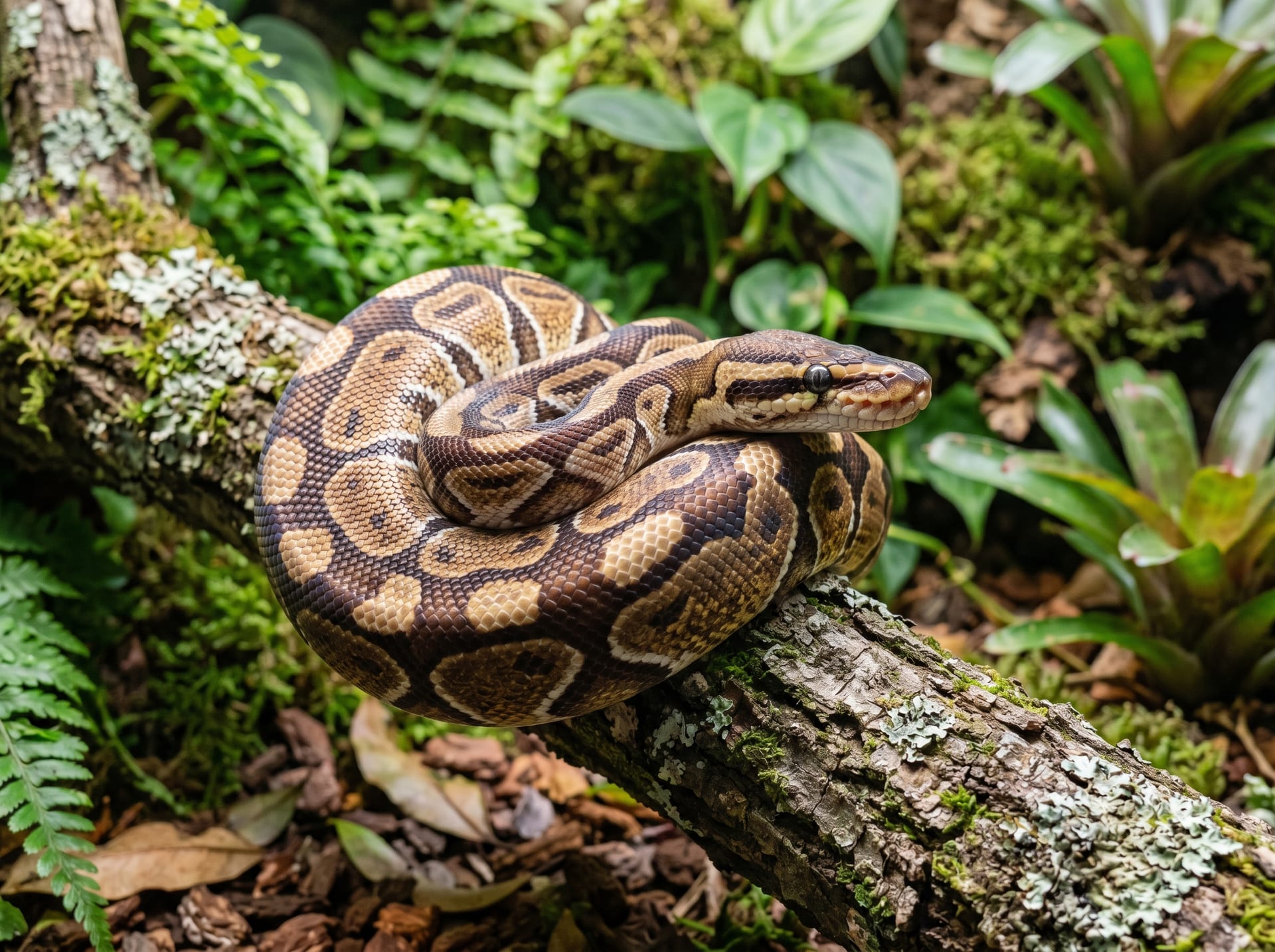
The Ball Python is a member of the python family native to West and Central Africa. Its name comes from its habit of coiling into a ball-like shape when threatened; it's also known by its English name "Royal Python." It's characterized by a calm temperament and rounded body shape, with a substantial, impressive presence.
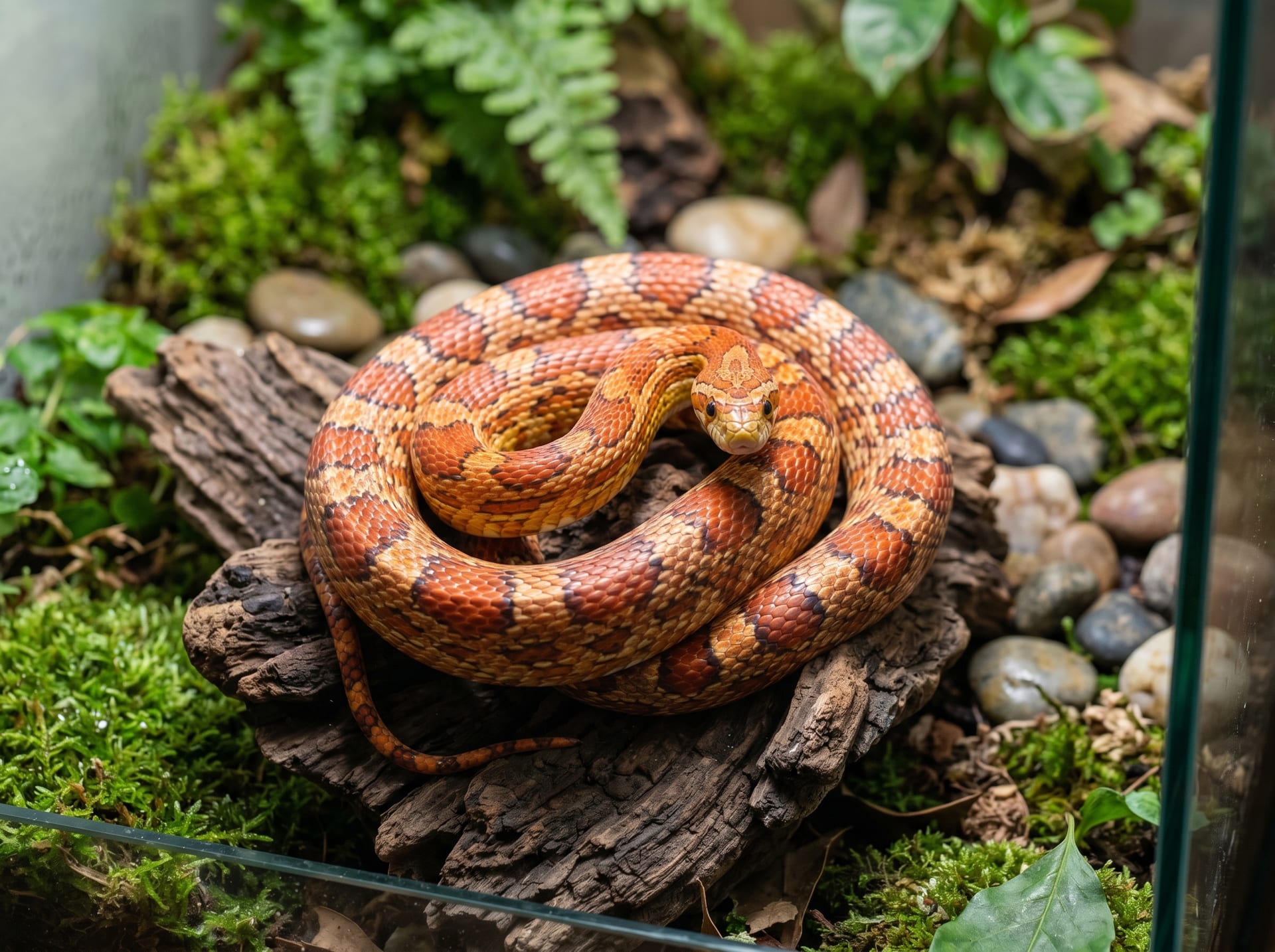
The Corn Snake is a member of the colubrid family native to North America. Its name comes from being frequently spotted around cornfields and from the resemblance of its ventral scale patterns to corn kernels. It's prized for its slender, graceful body and abundant color variations, making it the quintessential beginner snake species.
Care Difficulty and Daily Care Requirements
Ball Python: Moderately Advanced Temperature and Humidity Management
Ball pythons have a care difficulty rating of ★★★☆☆ (moderate). The biggest challenge is "anorexia," where the snake completely stops eating. This can occur for various reasons—pre-shedding, breeding season, seasonal changes, and stress—and may last from several weeks to several months. First-time keepers often become anxious, fearing "won't my snake starve?" but a healthy individual can withstand temporary feeding refusal.
Temperature should be maintained at 28-32°C (82-90°F) during the day and 24-26°C (75-79°F) at night, with the basking spot at around 35°C (95°F). Humidity should be maintained at 60-80%, especially high humidity before shedding. Being African natives, they're sensitive to Japan's dry winters; using a humidifier or wet shelter is essential.
Corn Snake: Overwhelmingly Beginner-Friendly
Corn snakes have a care difficulty rating of ★★☆☆☆ (relatively easy) and are by far the easier of the two species to maintain. They have voracious appetites and rarely refuse food; they're also relatively tolerant of temperature fluctuations.
Temperature management is straightforward—maintain 25-28°C (77-82°F) during the day and 20-23°C (68-73°F) at night, with just a basking spot around 30°C (86°F). Humidity doesn't require the careful attention that ball pythons demand; typical indoor humidity (40-60%) is sufficient. Winter heating can be as simple as using a heat mat or panel heater, making equipment requirements relatively modest.
Size, Lifespan, and Handling Comparison
| Item | Ball Python | Corn Snake |
|---|---|---|
| Total Length | 120-150 cm | 100-130 cm |
| Body Thickness | Thick and solid | Slender |
| Adult Weight | ~1-2 kg | ~200-500 g |
| Lifespan | 20-30 years | 15-20 years |
| Handling | Docile and easy to handle | Active and moves around |
The size difference affects not just appearance but also enclosure size and equipment cost. Adult ball pythons have a substantial weight and impressive presence when held. Corn snakes, being slender and lightweight, often move around during handling, which endears them to keepers.
Lifespan deserves special attention. Ball pythons can live nearly 30 years with proper care, so be prepared for a lifelong commitment. If a long-term commitment is difficult, the 15-20 year lifespan of corn snakes may be more practical.
Initial and Ongoing Cost Comparison
Ball Python
Individual pricing for normal morphs is around ¥5,000-15,000, but rare individuals with color or pattern variations (morphs) can exceed hundreds of thousands of yen. Equipment costs—glass enclosure, reptile thermostat, heat mat, humidification system, etc.—typically run ¥15,000-30,000.
Frozen mice or rats are used for feeding. Adults are fed small to medium-sized rats once every 1-2 weeks, with monthly feeding costs around ¥500-1,500.
Corn Snake
Individual corn snakes cost ¥5,000-15,000 for normal morphs; even rare morphs usually stay under ¥50,000. Equipment costs ¥10,000-25,000, making it more affordable to start than ball pythons.
Feeding progresses from pinky mice (juveniles) to adult mice as they grow. Monthly feeding costs are comparable or slightly cheaper than ball pythons, around ¥500-1,000.
The Joy of Morphs (Color Variations)
Both species have multiple morphs with diverse colors and patterns created through breeding, making collecting another appeal.
Ball pythons have some of the most morphs in the world, with thousands confirmed today. Combinations like Pastel, Spider, Crown, and Scaleless create nearly limitless expressions. Rare morphs can sell for hundreds of thousands to millions of yen, and enthusiasts worldwide collect them as a hobby.
Corn snakes also have abundant morphs like Amelanistic (red), Anerythristic (black), and Blizzard (white). Price inflation is less extreme than ball pythons, allowing enjoyment of diverse colors at relatively accessible prices.
Which One Is Right for You?
Ball Pythons Are Recommended For:
- Those who want to keep an impressive snake over the long term
- Those interested in collecting morphs
- Those ready to enjoy 20+ years together
- Those who enjoy detailed care management like humidity and temperature control
Corn Snakes Are Recommended For:
- Those new to snake keeping
- Those who prefer low-maintenance care
- Those wanting a compact setup
- Those who want to avoid feeding refusal and other complications
Summary: Prioritize Whether You Can Commit Long-Term
With proper care, both ball pythons and corn snakes become wonderful companions. When in doubt, decide based on two factors: your experience level and long-term commitment. For first-time keepers, corn snakes are the safer choice; if you have some experience and commitment, ball pythons are excellent.
To bring home a healthy individual, it's important to purchase directly from a trusted breeder. BreederDirect connects you directly with breeders who raise snakes, allowing you to confirm details about the animal's environment, health, and feeding history before purchase. First-time buyers can feel confident asking questions and consulting with breeders. Use BreederDirect as your first step in welcoming a precious new life into your home.