Cat Encyclopedia — 87 Species Directory
Encyclopedia of popular cat breeds with traits, temperament, and care guides.
Showing 8 of 87 species
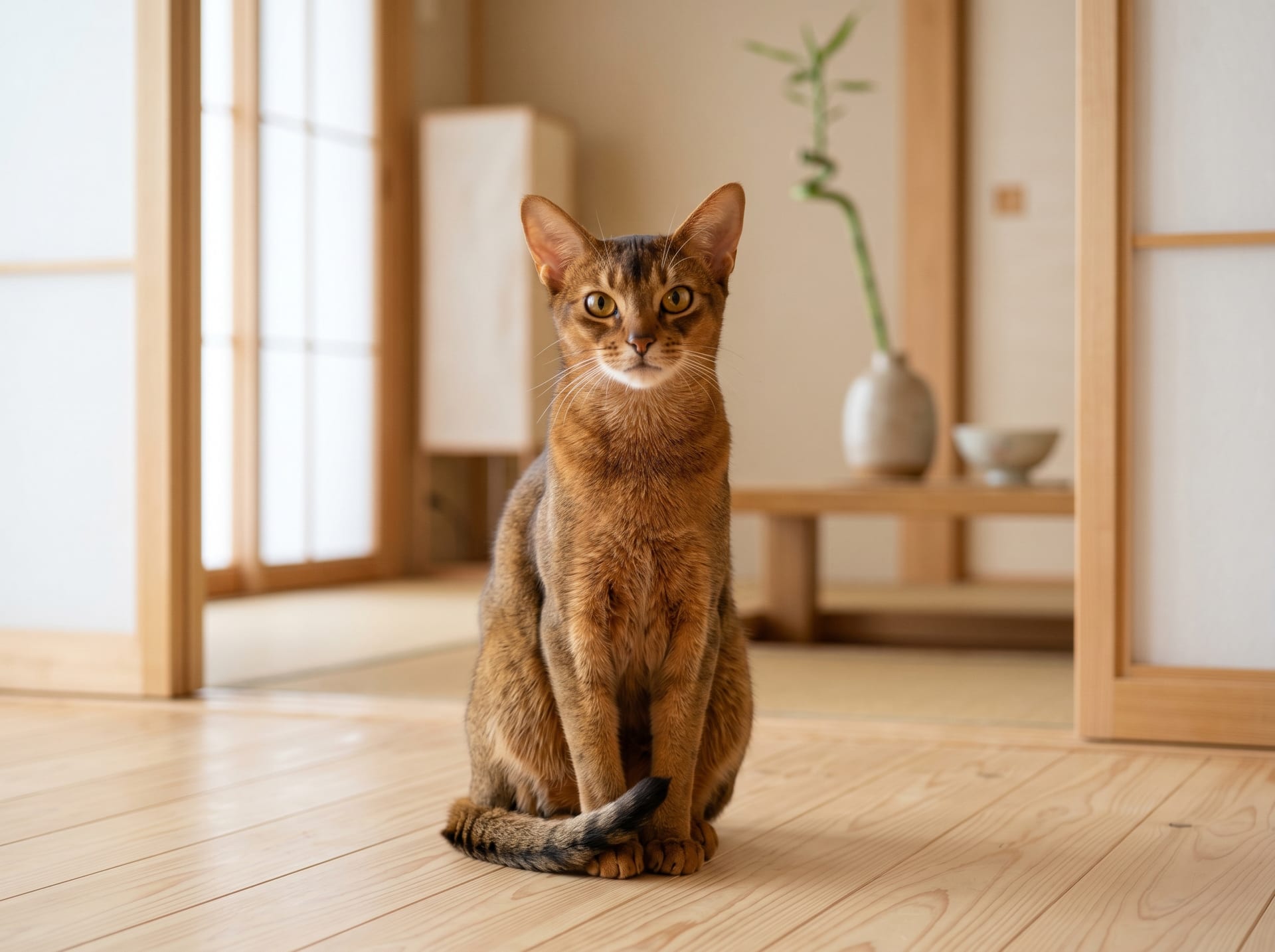
Abyssinian
Active medium cat with unique ticked coat. Extremely curious and playful; called the 'Border Collie of cats.'
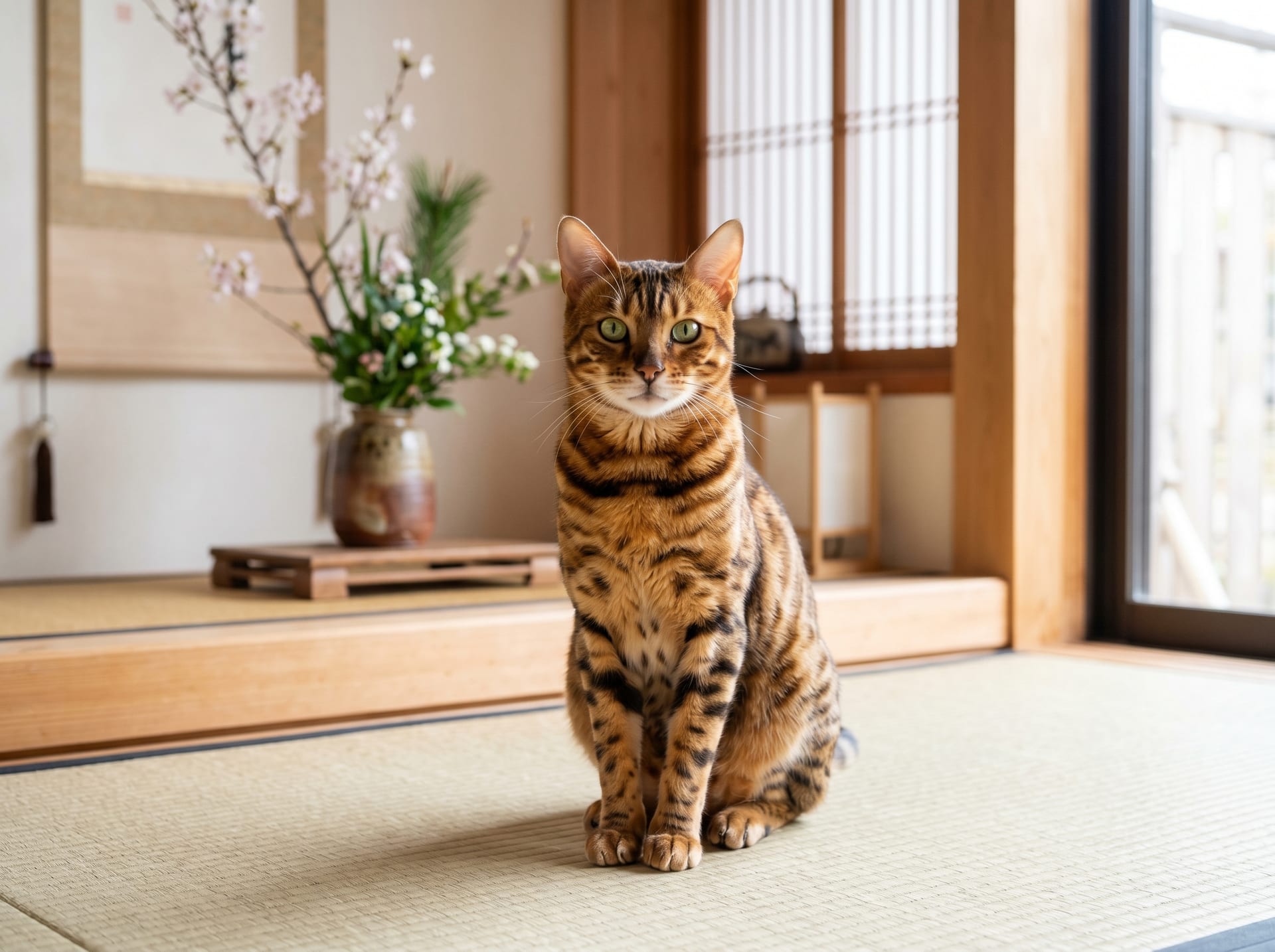
Bengal
Wild-looking spotted or marbled breed with high energy and intelligence. Requires plenty of stimulation.
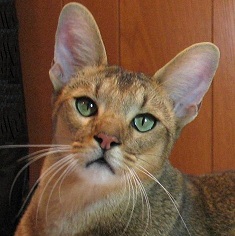 © PiBeseth / CC0
Chausie
Large hybrid breed from Jungle Cat and domestic cat. Muscular, long-legged, extremely active and athletic.
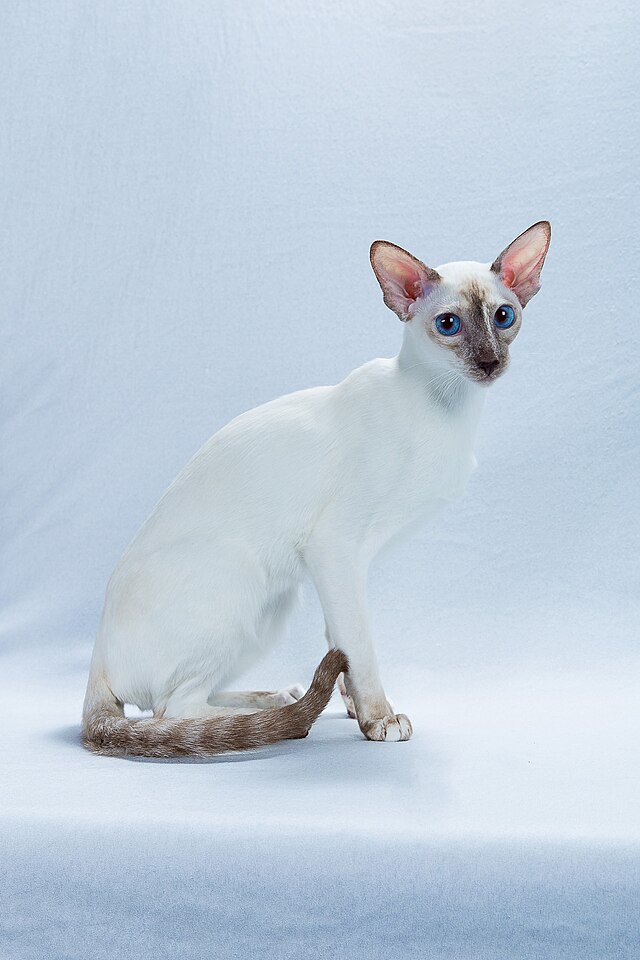 © Larry Johnson / CC0
Colorpoint Shorthair
Siamese body type with non-traditional point colors like red and cream. Talkative and affectionate like Siamese.
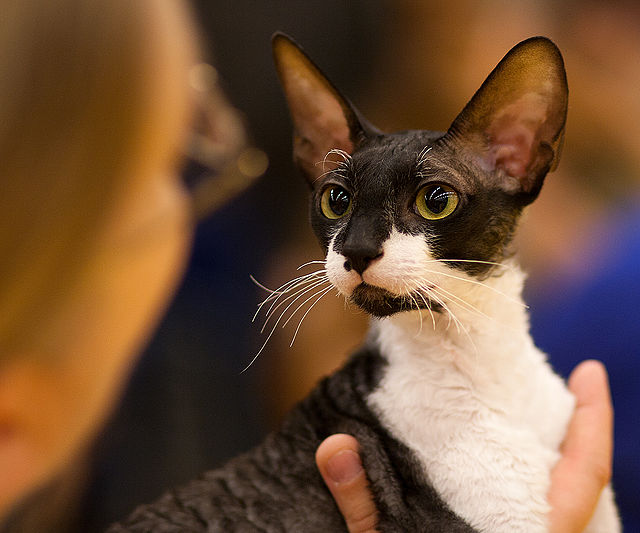 © Tomi Tapio K from Helsinki, Finland / CC BY 2.0
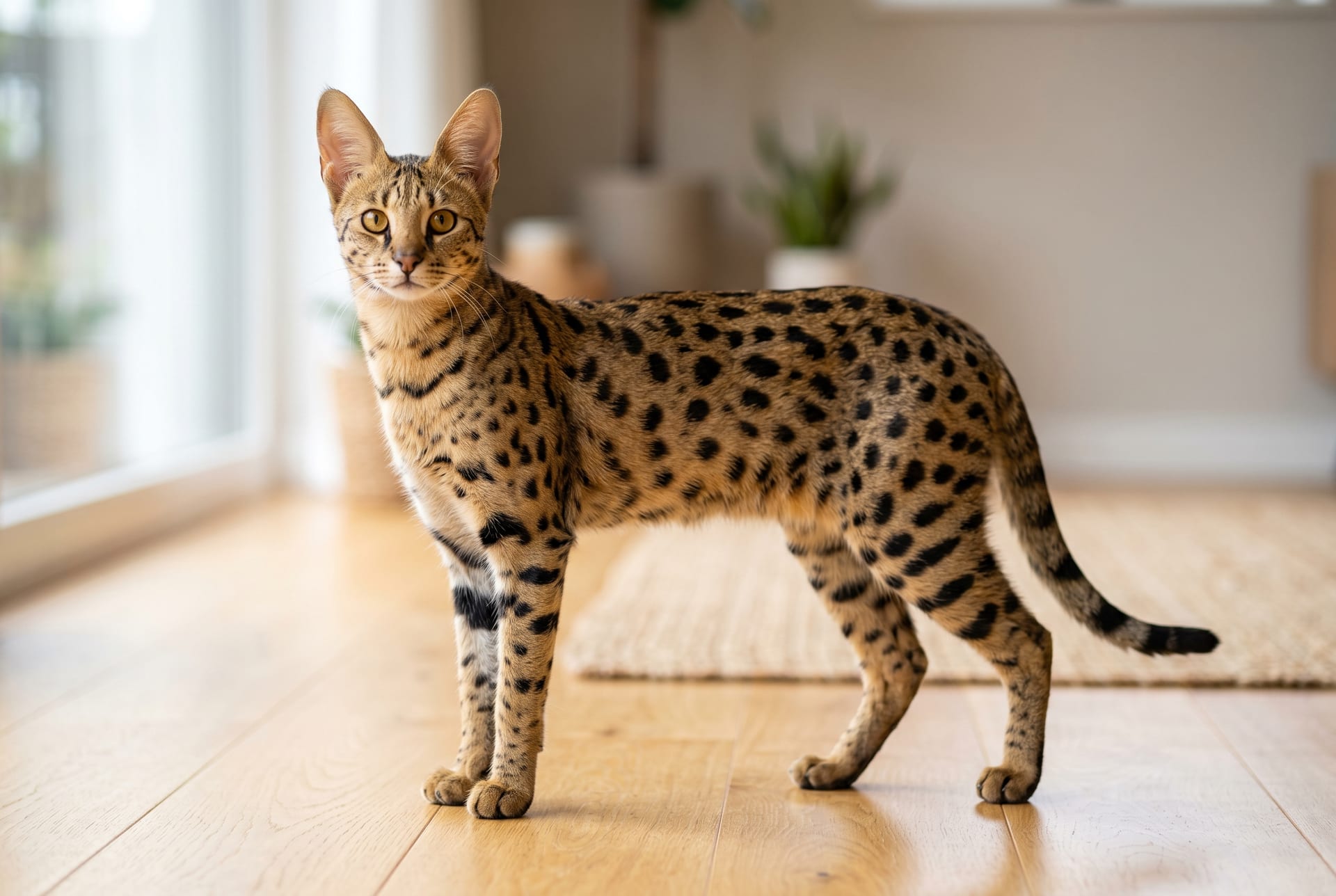
Cornish Rex
Slim, elegant breed with wavy undercoat only. Very active and athletic. Intelligent with diverse play repertoire.
Serengeti
Bengal and Oriental Shorthair cross. Serval-like long legs and large ears without wild cat ancestry.
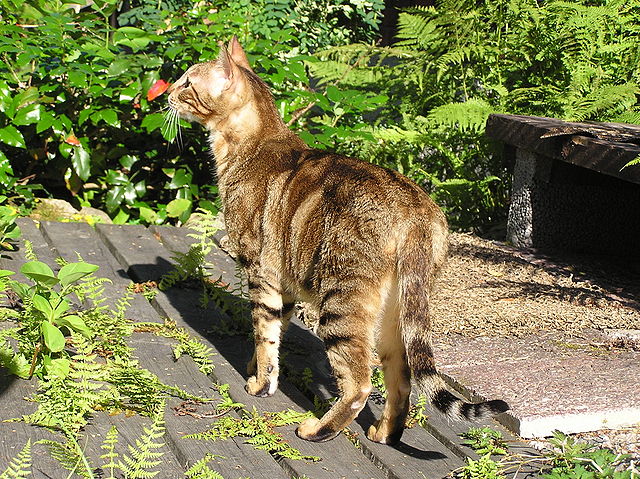 © The original uploader was SHD at English Wikipedia . A. Turto en:User:SHD (self made) / CC BY-SA 2.5
Sokoke
Natural breed from the Arabuko-Sokoke forest of Kenya. Unique tabby pattern with lean, muscular build. Extremely rare.
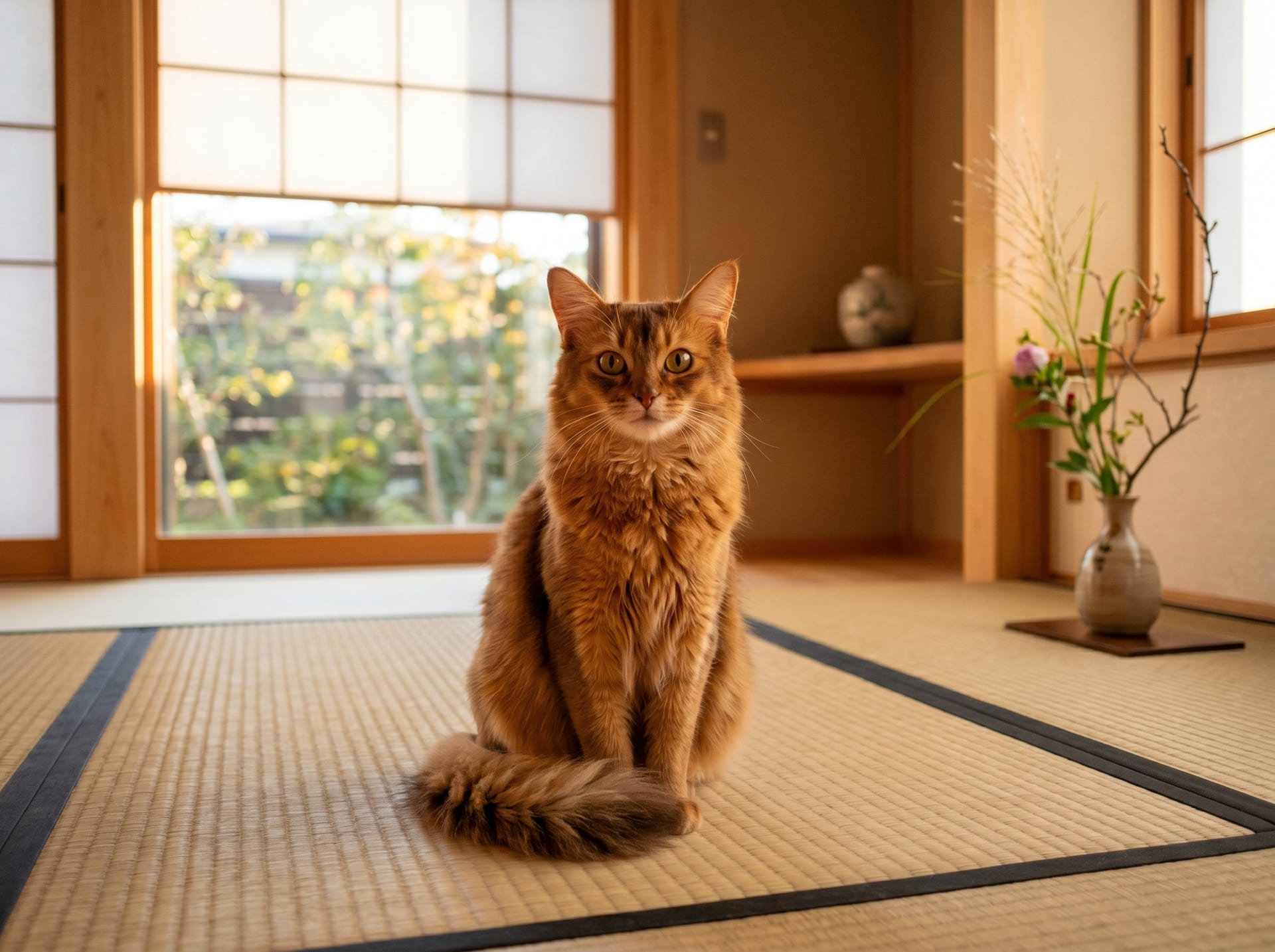
Somali
Long-haired Abyssinian. Bushy tail and gorgeous ticked coat. Curious and playful; called 'fox cat.'
Cat FAQ
- How much do cats cost?
- Prices vary by breed. From breeders directly, Munchkins typically run 150,000-400,000 yen, Scottish Folds 150,000-350,000 yen, British Shorthairs 150,000-350,000 yen, and Ragdolls 150,000-400,000 yen, varying with coat and pedigree.
- What are the benefits of buying from a breeder?
- You can directly check the parent cats' temperament, health, and rearing environment. Under Japan's Animal Welfare Act, sellers must show the actual animal at their premises and give in-person written explanation of care and date of birth before handover. You can also confirm screening for hereditary conditions.
- At what age can I bring home a kitten?
- Under Japan's Animal Welfare Act, breeders cannot sell or hand over kittens until they are 56 days (8 weeks) old. Allowing enough socialization time with the mother and littermates is important for raising a healthy, people-friendly cat.
- How long do cats live?
- With proper indoor care, cats live around 15-20 years, and some individuals in certain breeds exceed 20 years. Regular checkups, dental care, and obesity prevention are keys to longevity.
- What do I need to prepare before getting a cat?
- Basics include a litter box and litter, food and bowls, a cat tower and scratching post, and a carrier. Escape-prevention measures and an early vet health check and vaccination plan after arrival are also important.