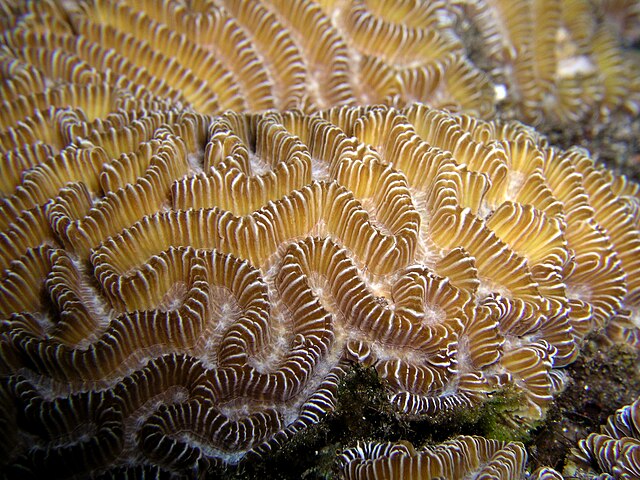
 © Nevit Dilmen / CC BY-SA 3.0
Platygyra (Maze Coral)
Platygyra, commonly known as maze coral for the intricate maze-like grooves etched across its surface, is one of the hardiest LPS corals in the hobby. Its color variation is remarkable, ranging from green and red to vivid fluorescent tones, letting each colony stand out as a real centerpiece in the tank. As a photosynthetic coral, it thrives under moderate lighting and gentle water flow, making it approachable even for beginners. Growth is slow and steady, but colonies can live for decades and typically reach 10-30cm as adults. It's a coral that rewards patience with a lasting, striking presence.
View Platygyra (Maze Coral) encyclopedia →0% commission on your first sales!Register by September 30, 2026 and your first 2 sales are commission-free!
Breeder Wanted!
List on BreederDirect and sell directly to customers nationwide!
Br-Choku's 6 Transparency Standards
Our Breeder sellers disclose detailed care specs for all Coral listings. We prioritize Aquacultured/CB specimens, verify WYSIWYG photos, and provide difficulty ratings—avoiding wild-caught.
- Aquacultured
- WYSIWYG Photo
- Difficulty Disclosed
- Frag/Colony
- Care Info Included
- Trade name shown
Browse all 66 breeds
Difficulty
No listings match your filters
Adjust your filters, or get notified when new listings arrive.
Getting alerts is free with a member account. When new listings match your saved search, we'll notify you by email and in-app.
Browse other categories
Verified breeders (preview)
About Platygyra (Maze Coral)
Platygyra (maze coral) is a hardy LPS coral known for its maze-like surface grooves. Beginner-friendly, it lives for decades and grows 10-30cm as an adult.
7 things to know before welcoming a Platygyra (Maze Coral)
1A hardy LPS favorite
Platygyra is known for its resilience to environmental fluctuations, making it one of the hardier LPS corals available. It tolerates minor water quality shifts reasonably well, which makes it a good starting point for first-time coral keepers.
2Maze patterns and color variety
Its defining trait is the maze-like network of grooves across the surface, with each colony showing unique patterning and coloration. With variations spanning green and fluorescent tones, hunting for a favorite specimen is part of the fun.
3Needs lighting suited to photosynthesis
It relies on photosynthesis through the zooxanthellae in its tissue, so stable tank lighting is essential. Overly intense light can cause stress, so it's best to acclimate placement gradually.
4Prefers gentle water flow
Strong currents can damage its tissue, so providing gentle, steady water flow is important. Since debris tends to collect in the grooves, moderate flow that naturally clears it away is ideal.
5Keep distance from other corals
As it grows, it can extend sweeper tentacles to sting neighboring corals in territorial disputes. Be sure to leave ample space between colonies when planning your aquascape.
6Enjoy long-term massive growth
Growth is slow, but with a lifespan spanning decades, it's a coral to enjoy over the long term. Since adults reach a massive form around 10-30cm, plan its placement with future space needs in mind.
7Check water quality and equipment first
Before bringing one home, confirm that water parameters like temperature, salinity, and calcium levels are stable. Even though it's a hardy species, close observation during the initial acclimation period is important.
Frequently asked questions about Platygyra (Maze Coral)
- Q.Can beginners keep Platygyra?
- A.Yes, it's considered a beginner-friendly LPS coral. It has relatively good tolerance for environmental changes and can be kept stably with basic water quality management, moderate lighting, and water flow.
- Q.How large does it grow?
- A.Adults reach a massive form of about 10-30cm. Since growth is slow, it's a good idea to consider its eventual size when planning where to place it in your layout.
- Q.What is its lifespan?
- A.Under proper care, it's said to live for several decades. It's a coral you can enjoy as a lasting centerpiece for years to come.
- Q.Are there any CITES regulations?
- A.Platygyra is not subject to CITES.
- Q.Can it be kept alongside other corals?
- A.Yes, but as it grows it may extend tentacles that sting neighboring colonies, so it's recommended to leave sufficient distance between it and other corals.
Useful tools for Platygyra (Maze Coral) care
Learn more about Platygyra (Maze Coral) in the encyclopedia
View Platygyra (Maze Coral) encyclopedia entry →
Care difficulty, lifespan, size and diet — all basics covered.
More in this category
Can't find the one you're looking for?
Post your wishes for free and breeders with matching animals will contact you with introductions.