Humidity Control Techniques for Animal Keeping — Practical Humidification & Dehumidification
Humidity management for reptiles and amphibians: misting systems, humidifier selection, condensation control, and mold prevention.
Key Takeaways
Humidity management for reptiles and amphibians: misting systems, humidifier selection, condensation control, and mold prevention.
Related Species
Humidity management is as important as temperature control yet often overlooked. In reptile and amphibian keeping particularly, maintaining proper humidity directly prevents issues like incomplete sheds and respiratory infections. Japan's climate features large seasonal humidity swings, making management complex. This article covers practical techniques for maintaining stable humidity year-round.
Species-Specific Humidity Requirements
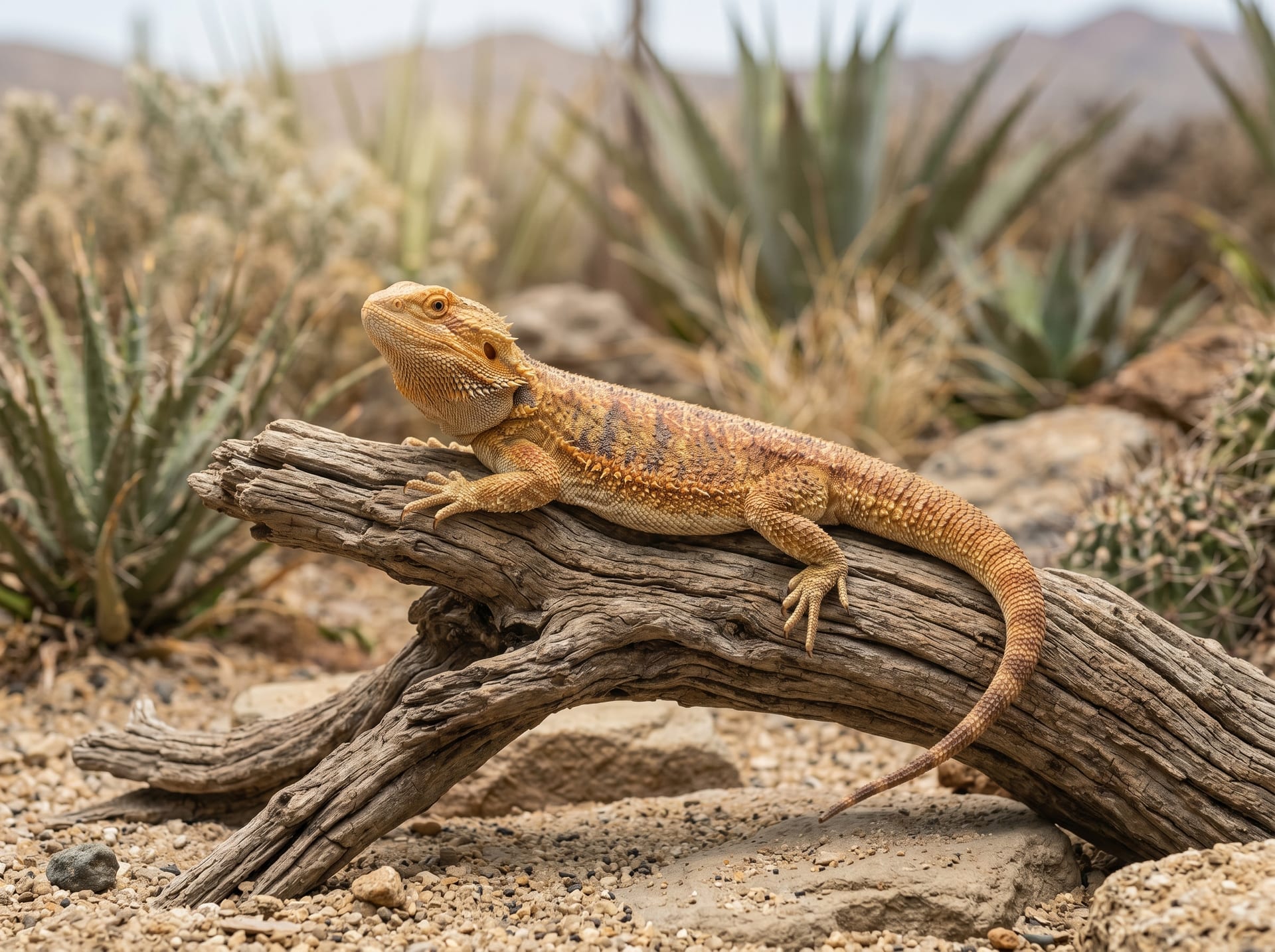
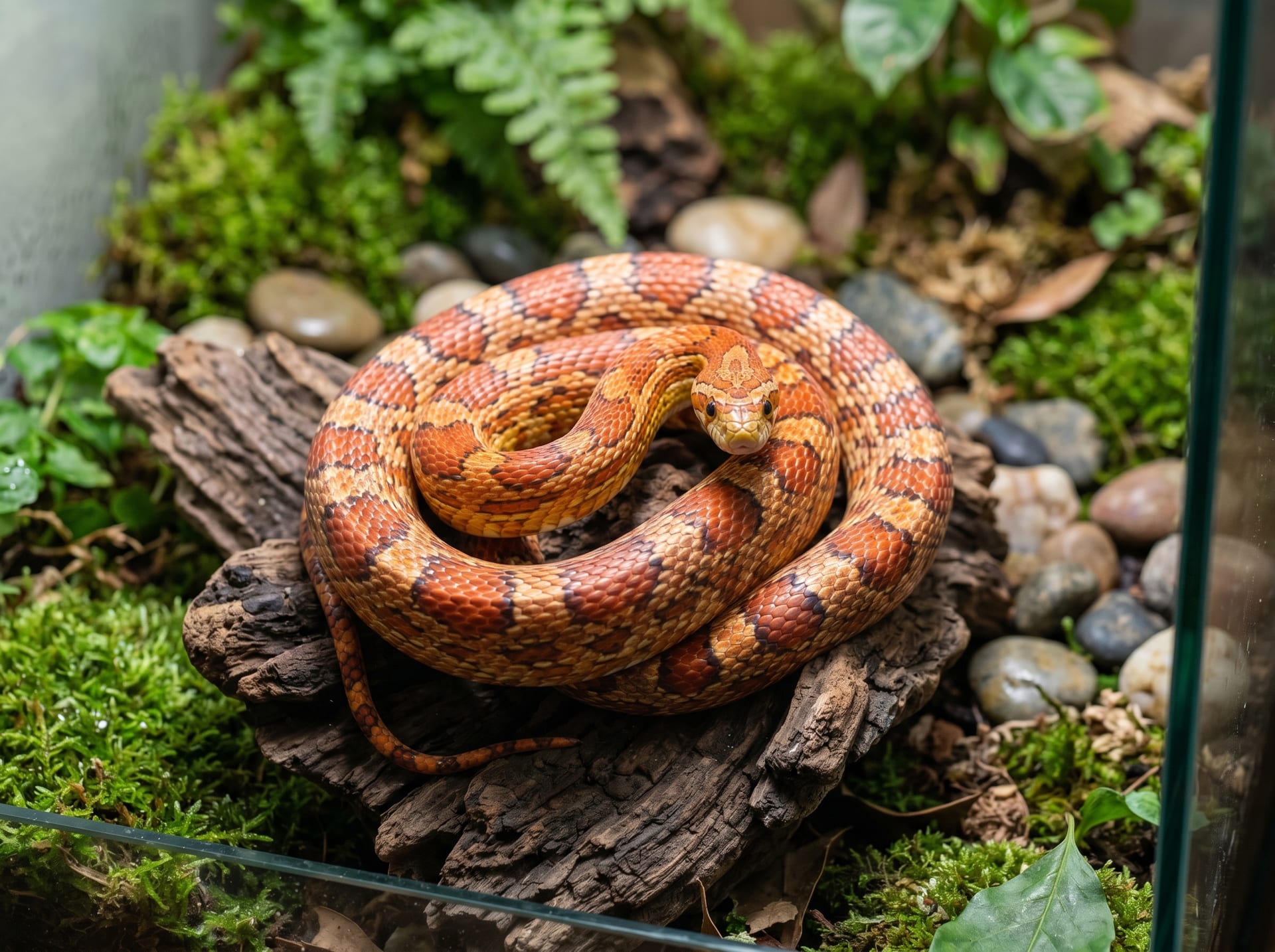
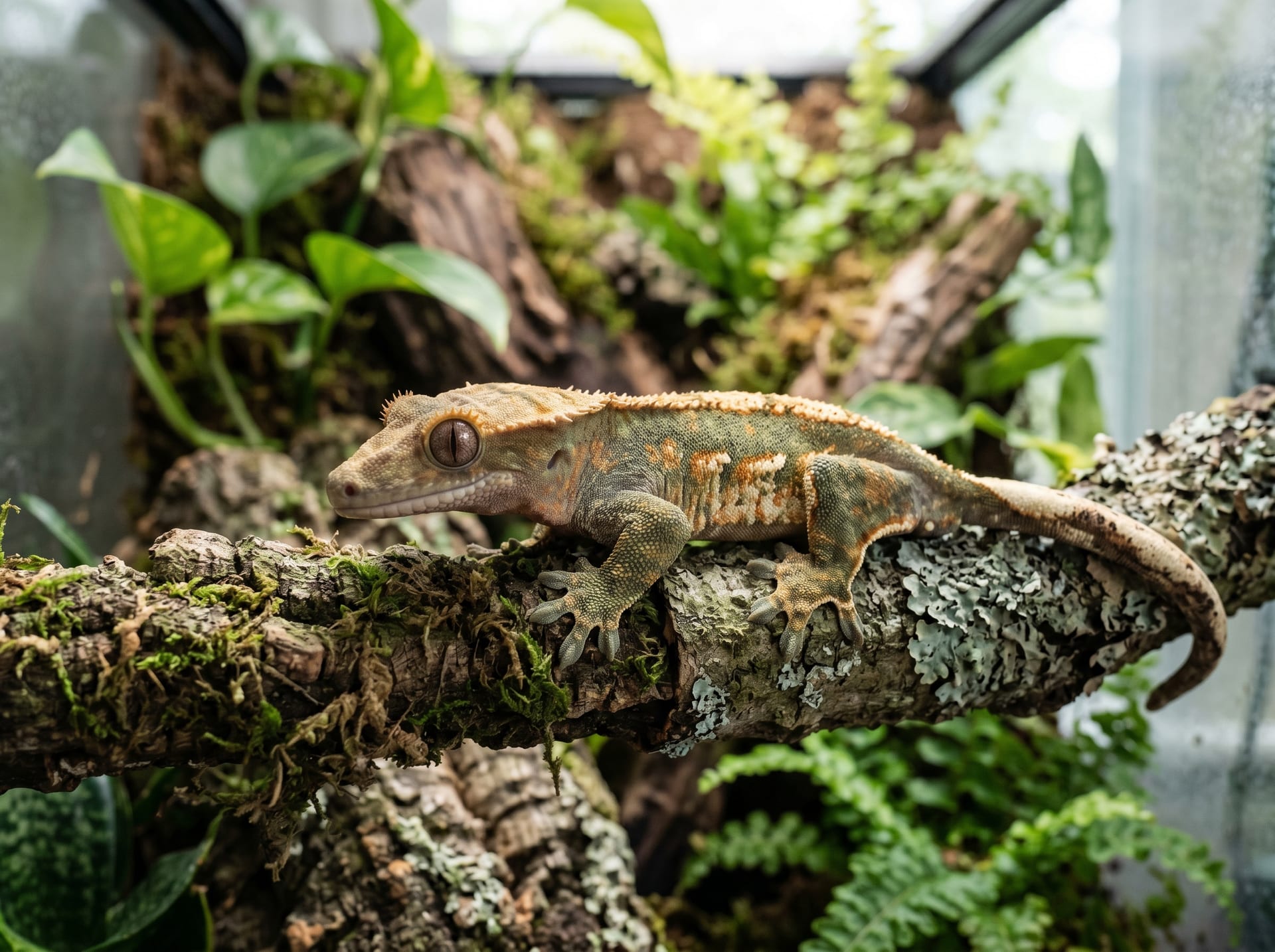
Appropriate humidity varies greatly by species. Arid species (leopard geckos, bearded dragons, corn snakes) need 30-50% humidity. Excessive moisture causes scale rot and mold. However, provide a moist hide for shedding periods. Tropical species (crested geckos, chameleons, tree boas) require 60-80% humidity. Chameleons in particular drink water droplets from leaves rather than from bowls, so regular misting is essential. Amphibians (poison dart frogs, salamanders) need 70-90% humidity in enclosed terrarium or paludarium setups.
Humidification Methods
Manual misting twice daily is the simplest approach but labor-intensive for multiple enclosures. Automated misting systems (MistKing, Monsoon) deliver programmable timed misting for consistent humidity. Ultrasonic humidifiers connected to enclosures produce fine mist with minimal animal disturbance, though they may produce white mineral dust -- use purified or RO water.
Dehumidification and Condensation Control
Japanese summers can exceed 80% outdoor humidity, requiring dehumidification for arid species. Air conditioning in dehumidify mode is most efficient. Mesh-top enclosures improve ventilation. Anti-condensation film on glass panels and spacing between enclosures and walls improve airflow.
Hygrometer Selection
Inexpensive analog hygrometers can have 10-20% error margins. Choose digital thermo-hygrometers with probes placed at the animal's level. Wi-Fi smart sensors (SwitchBot, Inkbird) allow remote monitoring and alerts. Calibrate hygrometers annually using the saturated salt method (a sealed container with saturated salt solution produces 75% humidity).
Mold and Sanitation
The greatest enemy of high-humidity environments is mold and bacterial growth. Replace substrate regularly, use bioactive substrates with cleanup crews (springtails, isopods) where appropriate, and clean mold with diluted vinegar solution (never chlorine bleach).