Automatic Feeder Selection & Usage Tips — Best Devices by Species and Setup Guide
Comparing automatic feeders for fish, reptiles, and small animals: selection, setup, maintenance, and travel usage.
Key Takeaways
Comparing automatic feeders for fish, reptiles, and small animals: selection, setup, maintenance, and travel usage.
Related Species
Why Automatic Feeders Matter for Serious Keepers
Whether you're managing a breeding operation or keeping a single prized specimen, consistent feeding schedules are one of the most impactful factors in animal health. Irregular feeding times cause stress, suppress immune function, and disrupt natural behavioral rhythms — consequences that are especially pronounced in fish, reptiles, and small mammals. Automatic feeders solve this problem by delivering the right amount of food at the right time, every time, regardless of your schedule.
Modern automatic feeders have evolved well beyond simple timer-operated drums. Today's options include Wi-Fi-connected dispensers with portion logs, camera-equipped feeders for remote monitoring, and species-specific systems designed for everything from nano aquariums to large terrestrial enclosures. Choosing the right setup for your specific animals requires understanding both the technology and the biology behind it.
Fish and Aquatic Species
For aquarium fish, automatic feeders attach to the rim of the tank and rotate a drum or wheel to dispense dry food — flakes, micro-pellets, or granules — at programmed intervals. Most mid-range models allow four to six feedings per day with adjustable portion sizes per feeding, which is critical for species like discus or young fry that need multiple small meals.
Humidity is the primary enemy of aquarium feeders. Moisture causes flake food to clump inside the drum, leading to missed feedings or large unintended dumps that foul the water. Look for models with a desiccant compartment or a well-ventilated drum design. Positioning the feeder several centimeters above the water surface and angling the dispensing chute away from rising water vapor significantly extends reliability.
For reef tanks and planted aquariums, some keepers pair an automatic feeder with a dosing pump to maintain consistent levels of liquid fertilizers or trace elements. While technically separate systems, integrating them into a single controller or smart home routine allows precise, coordinated tank management.
Reptiles and Amphibians
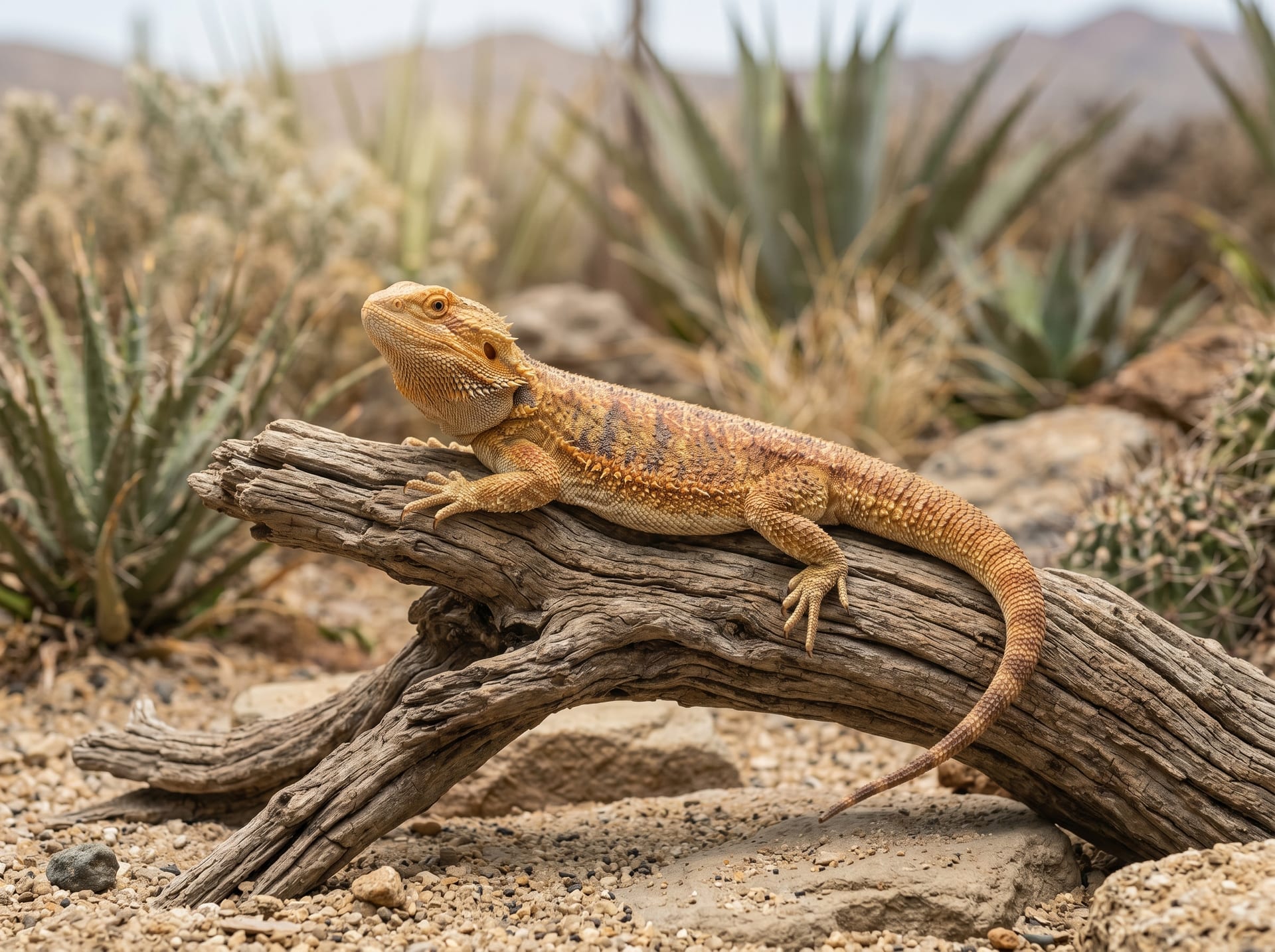
Reptiles present a different set of challenges. Most species don't eat daily — ball pythons feed weekly, tortoises graze throughout the day, and dart frogs consume dozens of tiny insects per feeding. True "automatic feeders" for reptiles are less common, but related automation can dramatically improve husbandry.