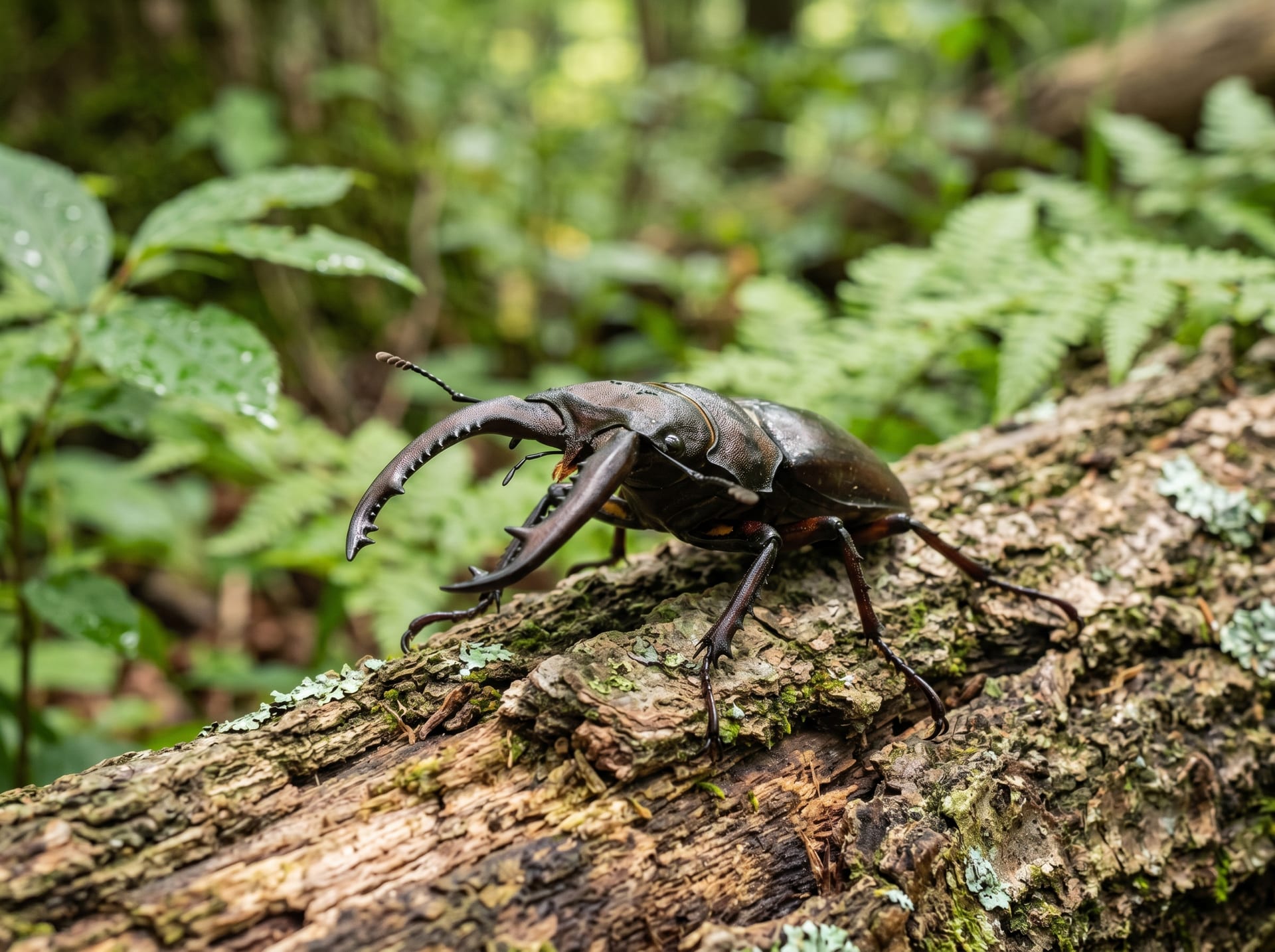
How to Choose and Prepare Stag Beetle Spawn Wood - Comprehensive Guide to Wood Types, Moisture Treatment, and Setup Methods
Detailed guidance on selecting spawn wood for stag beetle breeding, understanding wood species differences, moisture treatment, bark removal, and assembling spawn sets. A complete walkthrough of all steps for successful breeding in wood-spawning stag beetles.
Key Takeaways
Detailed guidance on selecting spawn wood for stag beetle breeding, understanding wood species differences, moisture treatment, bark removal, and assembling spawn sets. A complete walkthrough of all steps for successful breeding in wood-spawning stag beetles.
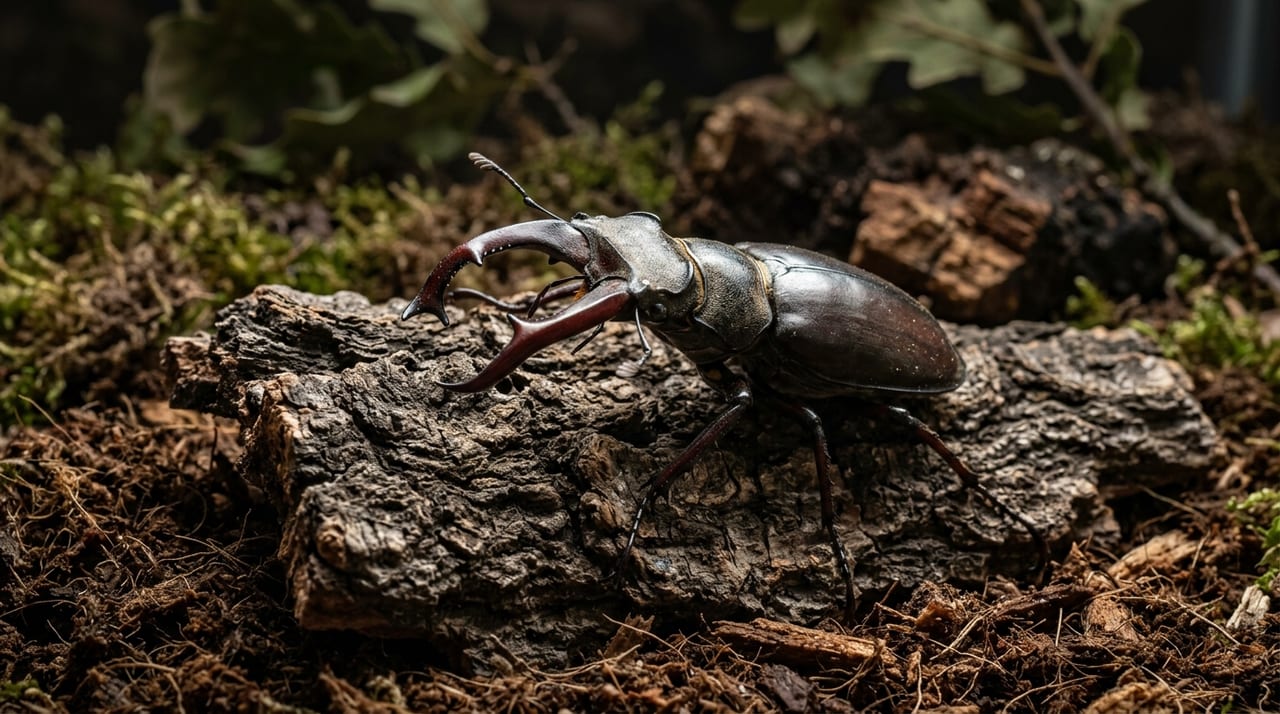
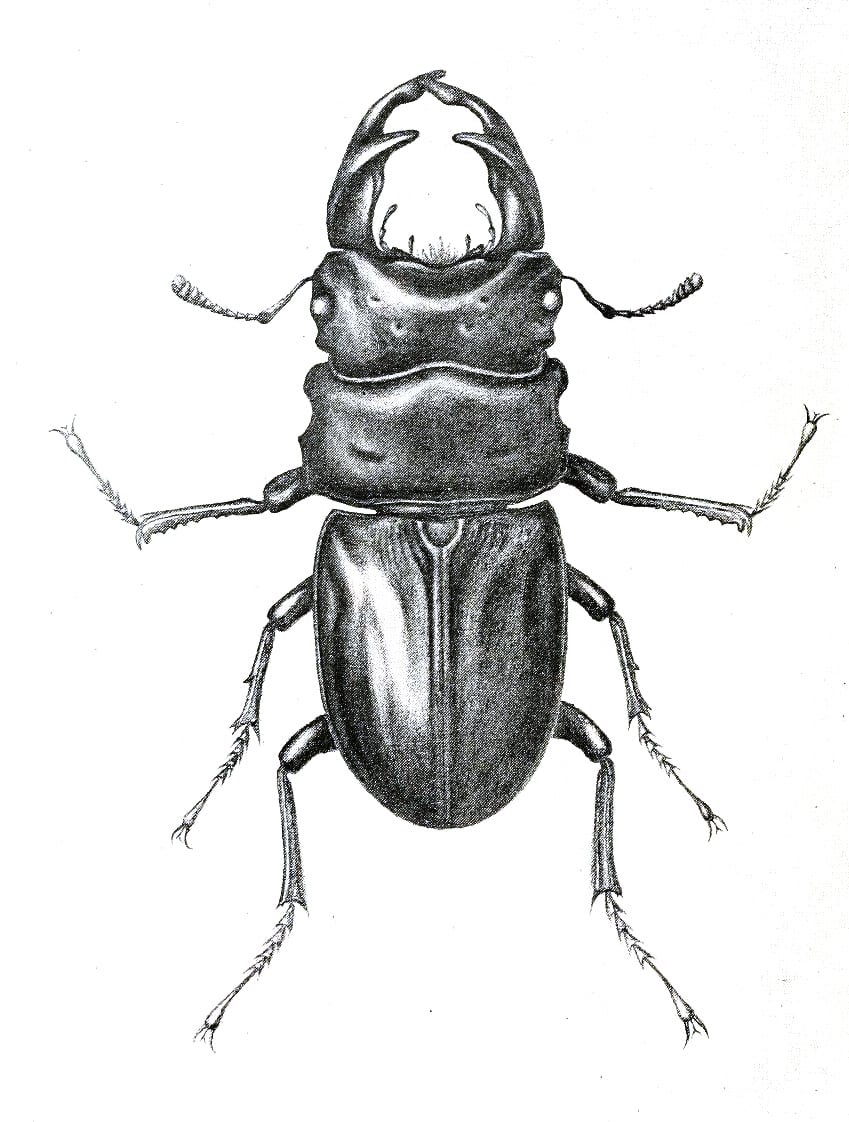
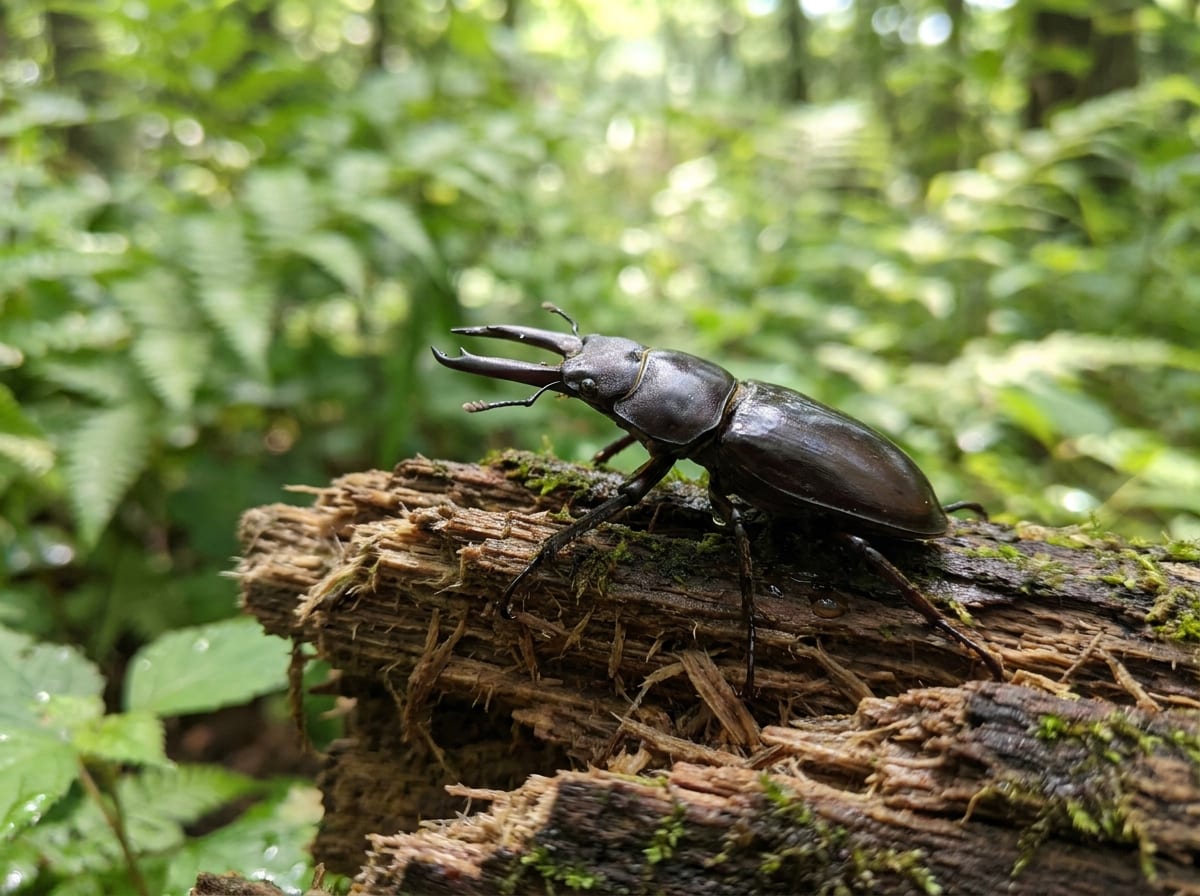
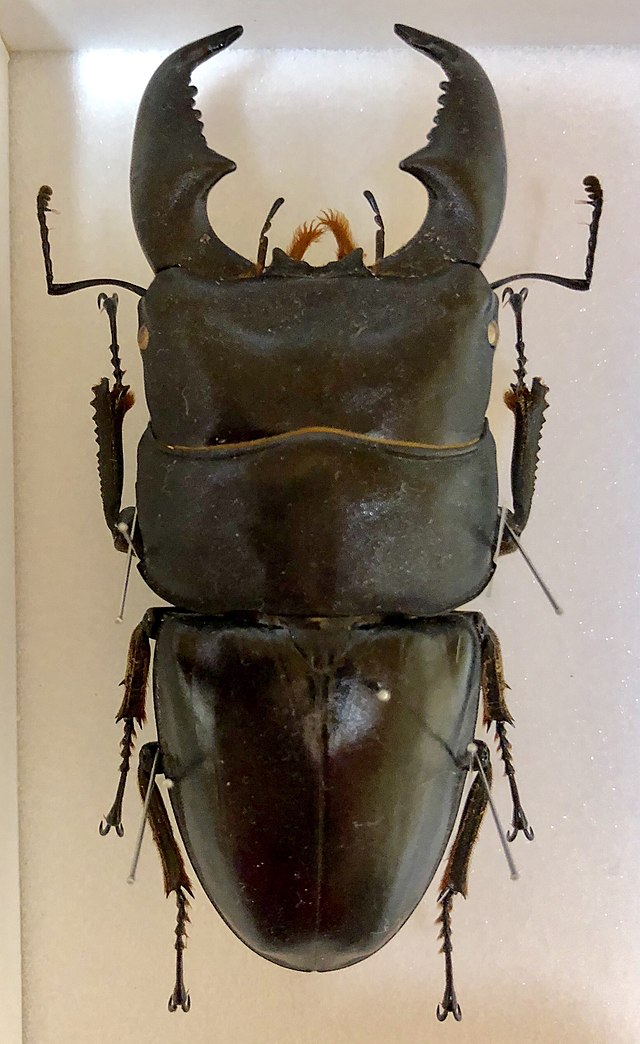
When breeding stag beetles, one of the first hurdles is "preparing spawn wood." Spawn wood (or spawn material) is rotting wood where females lay their eggs. The number of eggs laid varies significantly depending on the wood species selected, its condition, and moisture treatment method. This article explains practical steps for wood-spawning stag beetles (such as Japanese giant stag beetles, flattened stag beetles, and small stag beetles) from selecting appropriate spawn wood to assembling the spawn set.
✍️
BreederDirect Editorial
The BreederDirect editorial team specializes in care information for animals, covering veterinary care and breeding to deliver beginner-friendly guides.
Find Insects on BreederDirect
Buy directly from verified breeders
Browse Related Listings
Find Insects listings related to this article on BreederDirect. Buy directly from verified breeders.
Stag Beetles That Need Spawn Wood vs. Those That Don't
Stag beetle spawning styles divide into two main types: "wood-spawning" and "substrate-spawning."
Wood-spawning types (spawn wood required): Japanese giant stag beetles, small stag beetles, flattened stag beetles, saw stag beetles (some species), Papuan jewel beetles, and Japanese saber stag beetles
Substrate-spawning types (spawn wood not required): Japanese rhinoceros beetles, saw stag beetles (dual wood/substrate species), and some foreign stag beetle species
This article focuses primarily on wood-spawning stag beetle types.
Spawn Wood Species and Selection
The three most popular spawn wood types are Kunugi, Konara, and Beech.
Kunugi wood is the classic standard for Japanese stag beetle spawn wood. Its moderate hardness and fibrous content make it easy for females to dig spawning holes, and the resulting larvae thrive in this medium. It works well for Japanese giant stag beetles, small stag beetles, and flattened stag beetles.
Konara wood is somewhat softer than Kunugi and is said to more easily stimulate spawning behavior in certain males. It can also serve as a substitute when Kunugi is unavailable.
Beech wood is commonly used for European and Southeast Asian stag beetle species and also works for native Japanese stag beetles. Its finer fiber structure makes it easier for larvae to feed through the wood.
When selecting spawn wood, check the following points:
Hardness (degree of rot): Fresh wood or wood that's too hard prevents females from digging and should be avoided. Moderately rotted wood that yields slightly when pressed is ideal. Avoid wood that's crumbled too much.
Size: A diameter of 4-6 inches (10-15cm) and length of 8-12 inches (20-30cm) works well for most setups. Oversized wood becomes difficult to manage for moisture.
Mold and pests: White mold may appear on newly purchased wood, but mold from moisture treatment doesn't hinder spawning. Avoid wood with heavy infestations of springtails or nematodes.
Spawn Wood Moisture Treatment (The Most Critical Step)
Spawn wood arrives dry from purchase, and using it as-is prevents females from digging and laying eggs. Moisture treatment is necessary to achieve proper water content (approximately 50-70%).
Basic Moisture Treatment Steps
Fill a bucket or large container with water (dechlorinated tap water or spring water).
Submerge the spawn wood, weigh it down, and soak for 12-24 hours.
After removal, stand it upright and let excess water drain for 1-2 hours (laying it horizontally prevents even drainage).
When held by hand, the wood should feel "noticeably heavy," but squeezing it should only produce a slight seep, not dripping water.
Important note: Over-moisturizing creates oxygen-poor conditions where females are reluctant to spawn, and mold proliferates. Conversely, under-moisturizing leaves the wood too hard to dig.
Pre-spawning Bark Removal
Most wood-spawning stag beetle species prefer wood with at least some bark removed. Removing 1/2 to all of the bark before use promotes spawning. Use pliers or a woodworking scraper for this task. Preferences vary by species—some prefer half-stripped wood, others prefer fully stripped. An effective approach is placing both "half-stripped" and "fully-stripped" wood in the same set to see which works better.
Assembling the Spawn Set
Assemble the spawn set so the spawn wood is securely fixed in place.
Materials needed:
Storage container or bin (65-100 liters)
Spawn wood (moisturized) × 1-2 pieces
Fermented spawn substrate (enough for 2-4 inches / 5-10cm)
Wood chips or cork for anti-tip supports
Steps:
Spread approximately 2 inches (5cm) of fermented substrate on the container bottom and compress it firmly.
Arrange the moisturized, bark-removed spawn wood horizontally so that roughly the lower half is embedded in the substrate. Push firmly to ensure the wood doesn't shift.
Pack additional substrate around the wood with no gaps (shifting wood discourages spawning).
Spread a thin layer of substrate on top, then add the female.
Temperature management: Spawning requires species-specific temperatures. Japanese giant stag beetles prefer 72-77°F (22-25°C), while flattened stag beetles prefer 77-82°F (25-28°C). Temperatures that are too low reduce activity; too-high temperatures cause the wood to dry out quickly.
Spawning confirmation timing: For the first 4-6 weeks after setup, leave the container unopened as much as possible. As the female begins digging into the wood, you may hear a faint "scratching" sound. At 6-8 weeks, carefully crack open the wood to confirm larvae and eggs.
Checklist for When Spawning Doesn't Occur
Common reasons for failed spawning include:
Wood is too hard (insufficient rot) or over-dried
Temperature outside the ideal range (particularly too cold)
Female is immature or hasn't yet fed post-emergence (pre-feeding females won't spawn)
Too many males housed together, preventing the female from focusing on spawning
Confirming wood hardness and removing males early to create a solitary female spawning environment often resolves the issue.
Preparing spawn wood requires effort, but done correctly, it dramatically increases stag beetle breeding success rates. Be sure to apply these methods to this season's breeding project.