【Spring 2026】Trending New Medaka Varieties | Get Ahead of This Season's Trends
Discover trending medaka varieties for Spring 2026. We explain the latest varieties in sparkle-scale, three-color, and external-light categories, pricing, how to source them, and the benefits of buying from breeders.
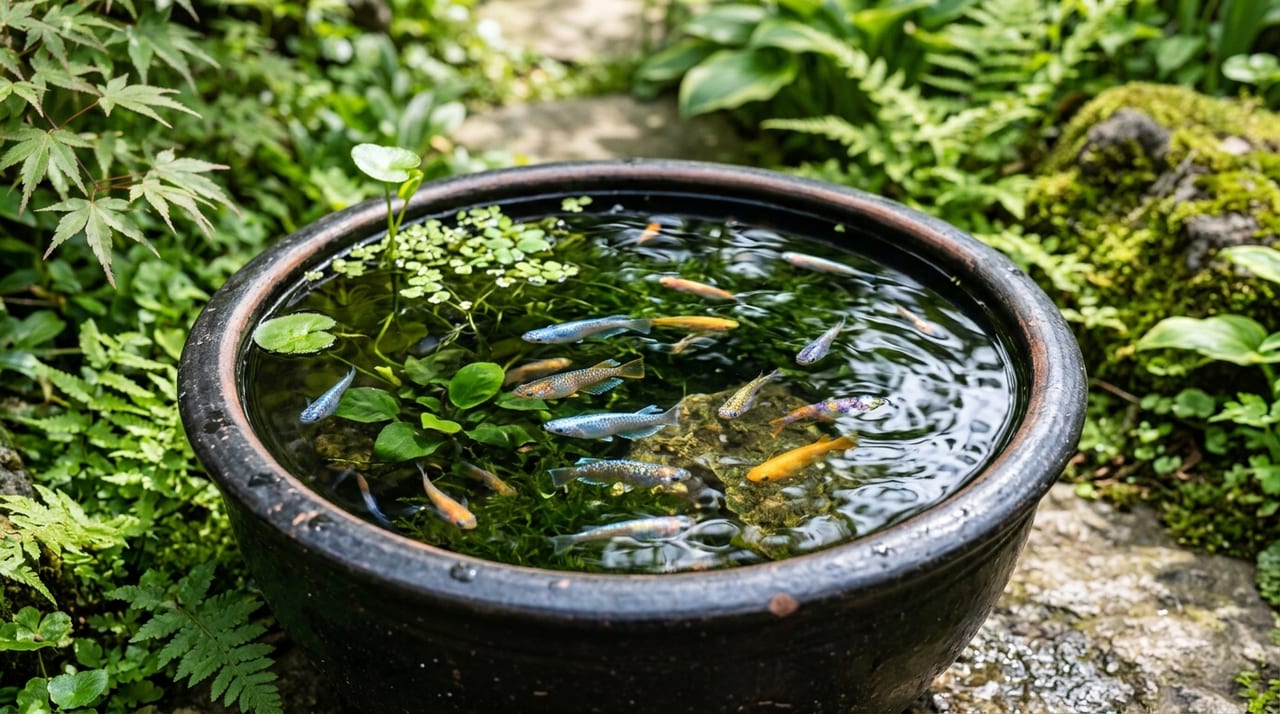
Key Takeaways
Discover trending medaka varieties for Spring 2026. We explain the latest varieties in sparkle-scale, three-color, and external-light categories, pricing, how to source them, and the benefits of buying from breeders.
Related Species
The Medaka Scene is Heating Up in Spring 2026
The medaka industry in 2026 shows no signs of slowing in breed development. Every spring, new varieties appear on the market, raising enthusiasts' expectations. This time, we'll introduce you to the must-watch breeds for this season and smart ways to acquire them. On BreederDirect's medaka category, breeders from across the country are continuously listing spring's new varieties.
Standout Breeds for Spring 2026
Evolution of Lame (Sparkle) Varieties
In spring 2026, lame (sparkle) medaka are showing even more refined varieties.
- Aurora Full Body Lame: A spectacular variety where sparkles scattered throughout the body change to rainbow colors depending on the angle of light
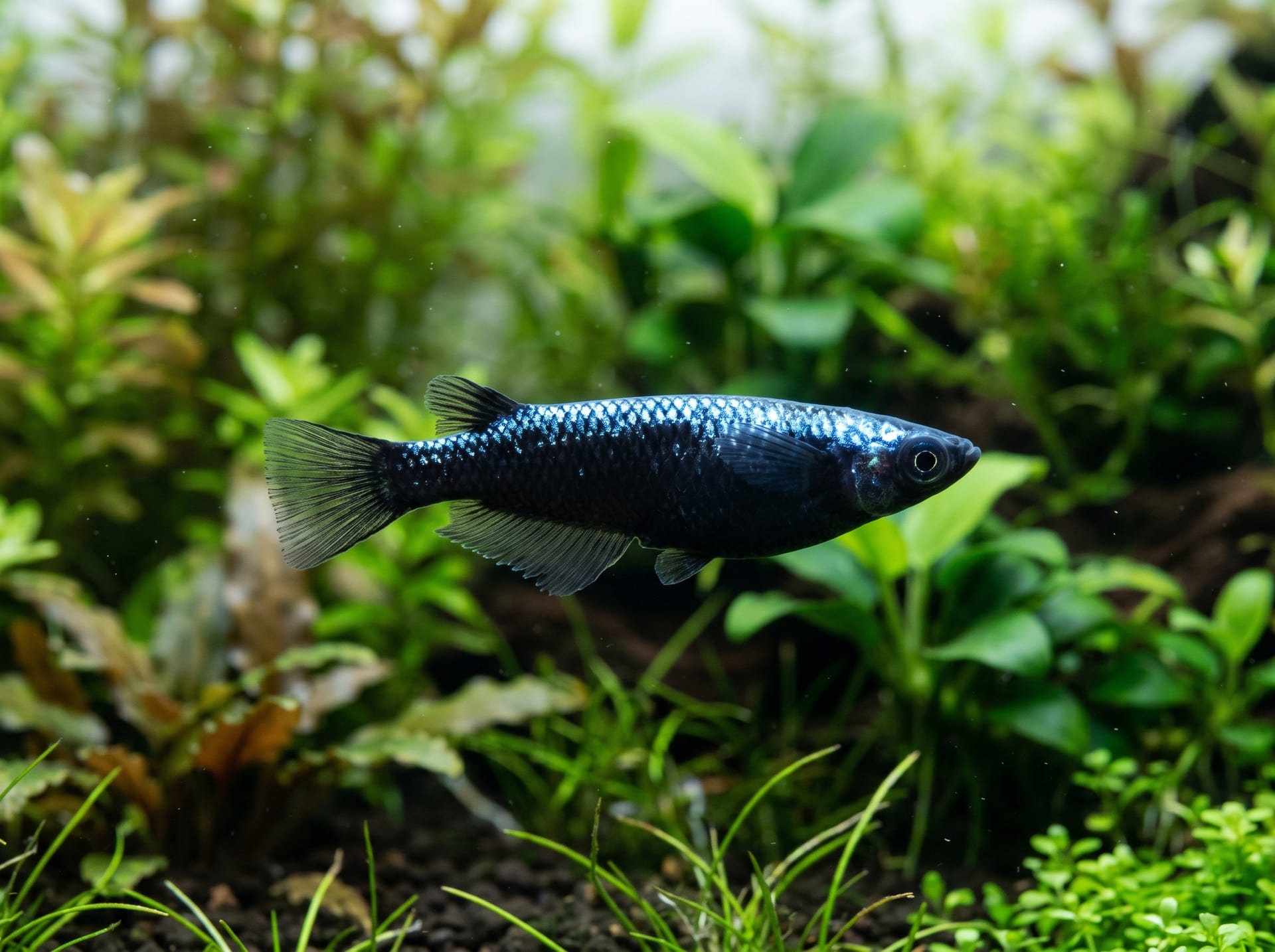
- Black Lame Hinomaru Sapphire Line: Deep jet-black body color with blue sparkles that stand out brilliantly, creating striking contrast
- Lame Ball (Round Lame): Unlike the fine sparkles of conventional varieties, a new line characterized by large, round sparkles
Lame varieties develop even better coloration when exposed to sunlight in outdoor cultivation, making spring an ideal time to start keeping them.
Deepening of Tri-color Varieties
Tri-color medaka are consistently popular, but in 2026, varieties with sharper color boundaries are drawing attention.
- Non-transparent Scale Tri-color Lame: A rare combination with tri-color patterns and sparkles on non-transparent scale bodies
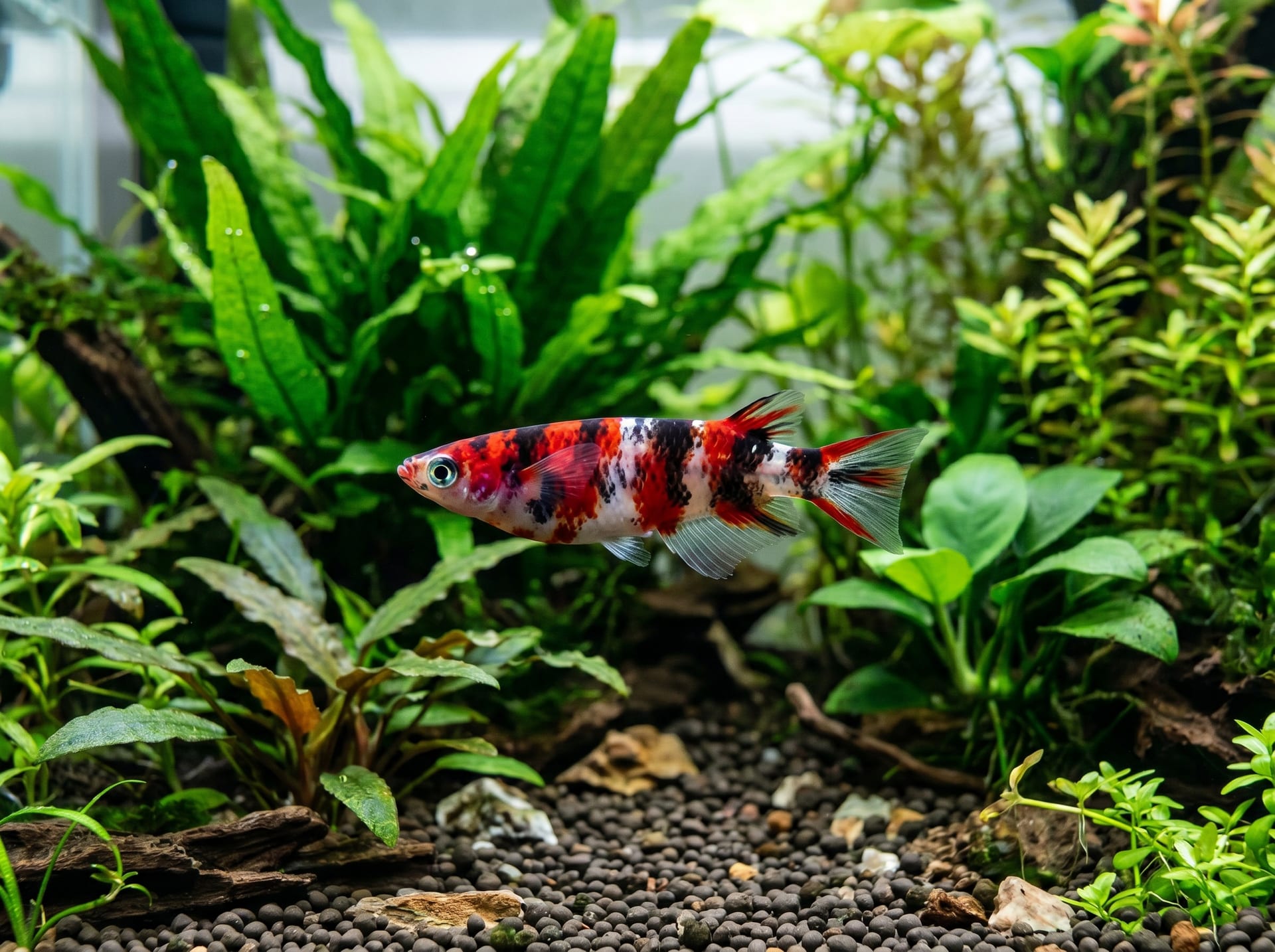
- Red and White Lame (Bi-color): Red and white (with black removed from tri-color) enhanced with sparkles, showing beauty reminiscent of koi
- Tri-color Body Light: Tri-color body coloration combined with body light, enjoyable from both top and side views
Latest Trends in Body Light Varieties
- Full Body Body Light (Beyond Iron Mask): The ultimate light-body type with body light covering completely to the head
- Body Light Long Fin: A combination of body light and long fins, resulting in a more elegant variety
- Green Body Light: Unlike conventional bluish-white body light, a new line with a unique greenish glow
Price Range for Each Breed
Here's a summary of approximate prices as of spring 2026.
- Aurora Full Body Lame: 1 pair ¥3,000–¥8,000 (varies by grade)
- Black Lame Hinomaru Sapphire Line: 1 pair ¥2,500–¥6,000
- Non-transparent Scale Tri-color Lame: 1 pair ¥5,000–¥15,000 (fluctuates significantly based on pattern expression)
- Full Body Body Light: 1 pair ¥2,000–¥5,000 (Iron Mask level commands higher prices)
- Green Body Light: 1 pair ¥4,000–¥10,000 (distribution volume still limited)
Since spring is pre-breeding season, many individuals are sold as breeding stock, tending to be priced slightly higher than in autumn. However, this is also the unique opportunity to acquire high-quality breeding stock from reliable breeders.
Tips for Acquisition
To ensure you secure popular varieties, keep the following points in mind.
- Gather information early: Popular breeders announce their spring sales schedules from around February. Check their social media and breeder pages regularly
- Consider set purchases: Compared to pair sales, trios (1 male, 2 females) or group purchases often have higher breeding success rates and better value for money
- Confirm parent photos: Especially for tri-color varieties, which show high individual variation, choose breeders who can show you photos of the parents
- Pay attention to shipping timing: March still gets cold mornings and evenings, so it's important to confirm that breeders offer insulated packaging for shipping
Benefits of Purchasing Directly from Breeders
Purchasing directly from breeders rather than through shops offers the following benefits.
- Clear lineage information: You can learn which generation and what cross-breeding lines are involved, useful as reference for your own breeding efforts
- Get breeding advice: Breeders can share knowledge unique to breeders about breed-specific quirks and optimal keeping environments
- No middleman markup: Without going through shops, you can often acquire the same grade at more reasonable prices
- Receive high-quality individuals: With fewer transport steps, you receive healthy individuals with minimal stress
Avoiding Failure in Breed Selection
When choosing breeds, it's important to consider compatibility with your keeping environment, not just appearance preference. For medaka beginners, starting with hardy and easy-to-keep varieties like Hinomaru or Yohkihi allows you to naturally acquire basic husbandry skills. After gaining some experience, the classic route is to upgrade to rarer breeds like lame or tri-color varieties.
Additionally, keeping varieties with different body shapes (round-bodied and normal-bodied, for example) in the same tank tends to create differences in swimming and feeding behavior, so the basic approach is to keep varieties from the same body-type group together. A minimum 60cm tank is recommended, with 2–3 liters of water per individual.
On BreederDirect, medaka breeders from across the country are continuously listing spring 2026's new varieties. You can ask breeders directly about breed characteristics and care methods, so even with a new variety, you can welcome them with confidence. Be sure to check out this season's standout breeds.