Spring Aquarium Maintenance 2026 | Essential Tasks During the Water Temperature Rise | ブリちょく
General| ✍️ BreederDirect Editorial
Spring Aquarium Maintenance 2026 | Essential Tasks During the Water Temperature Rise
Aquarium maintenance guide for preparing for spring temperature increases. Explains the timing of heater removal, spring algae control, filter cleaning, and key points for water plant trimming and fertilization.
Key Takeaways
Aquarium maintenance guide for preparing for spring temperature increases. Explains the timing of heater removal, spring algae control, filter cleaning, and key points for water plant trimming and fertilization.
Related Species
Why Spring Aquarium Maintenance Matters
The transition from winter to spring is a period when aquarium conditions change dramatically. As water temperature rises, aquatic life becomes more active, and the risk of algae growth increases. By performing proper maintenance during this time, you can prevent summer troubles and maintain a stable aquarium environment throughout the year.
Heater Removal Timing
Choose the time to remove your heater carefully.
Only after room temperature stabilizes above 20°C (68°F): March still has cold mornings and nights, so premature removal is risky
Best timing: mid-April to early May: Varies by region, but consider removal once the minimum temperature stays above 15°C (59°F)
Gradually lower the set temperature: Rather than removing immediately, lower the set temperature by 1°C per week
Keep as backup: After removal, store the heater where it can be quickly reinstalled in case of cold spells during rainy season
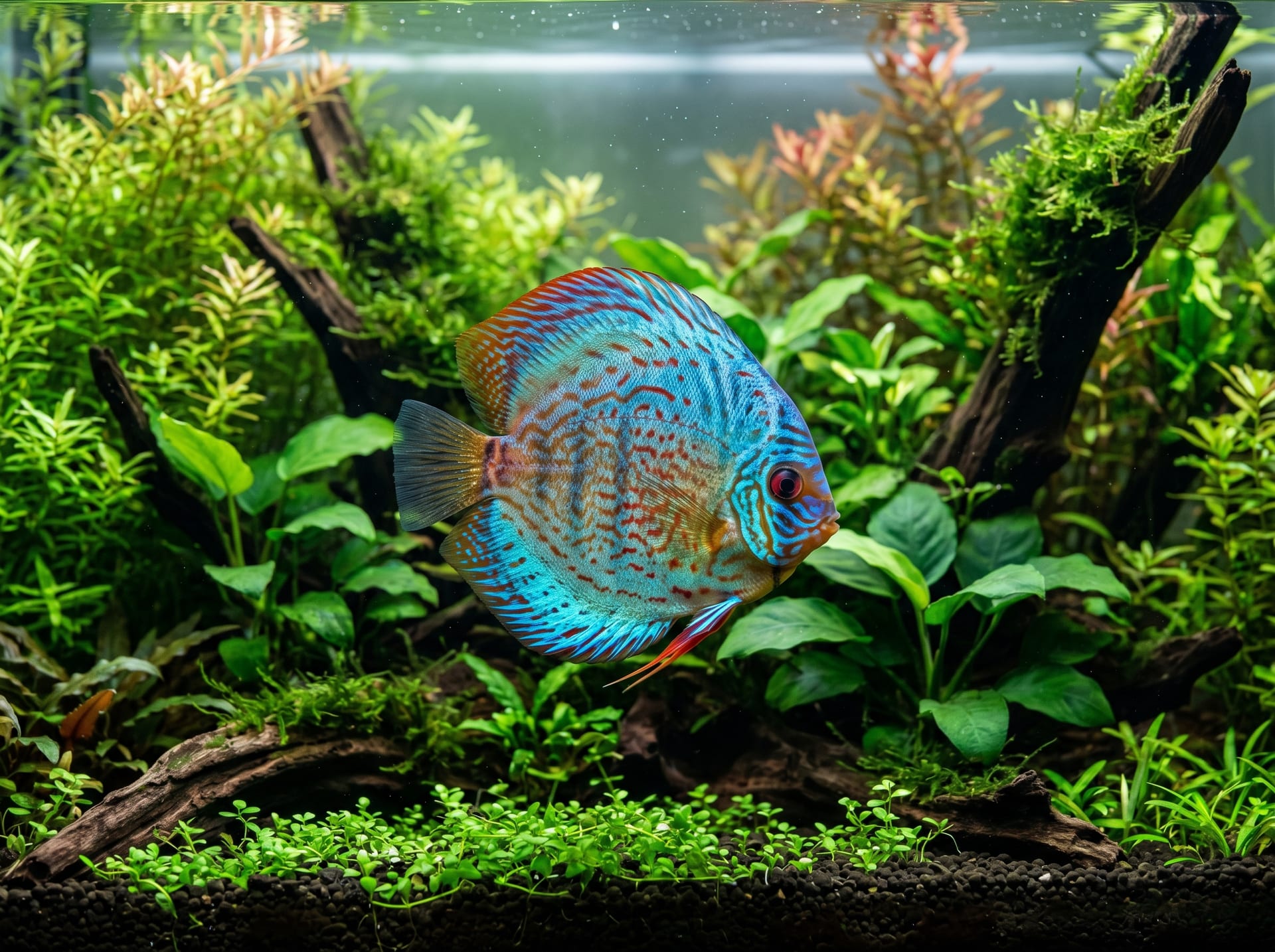
For tropical fish: Species like Discus and Apistogramma that prefer warmer water should keep the heater running until room temperature reaches 25°C (77°F) or higher.
Spring Algae Control
Spring, when daylight hours increase and water temperature rises, is a season when algae thrives explosively.
Types of Algae and Solutions
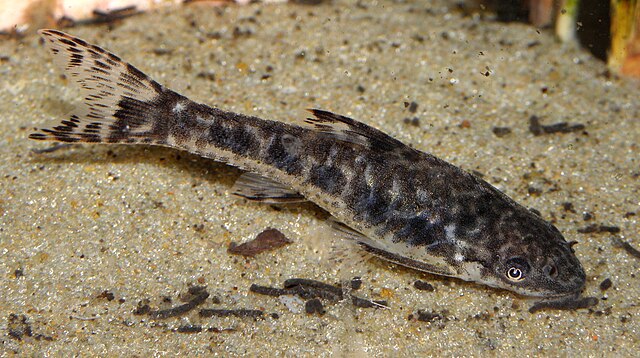
Brown algae (diatoms): Especially common in early spring. Otocinclus and Neritina snails are effective. Limit lighting to 6–8 hours per day
Green algae: Thin green algae on glass surfaces. Remove frequently with a scraper and increase water change frequency
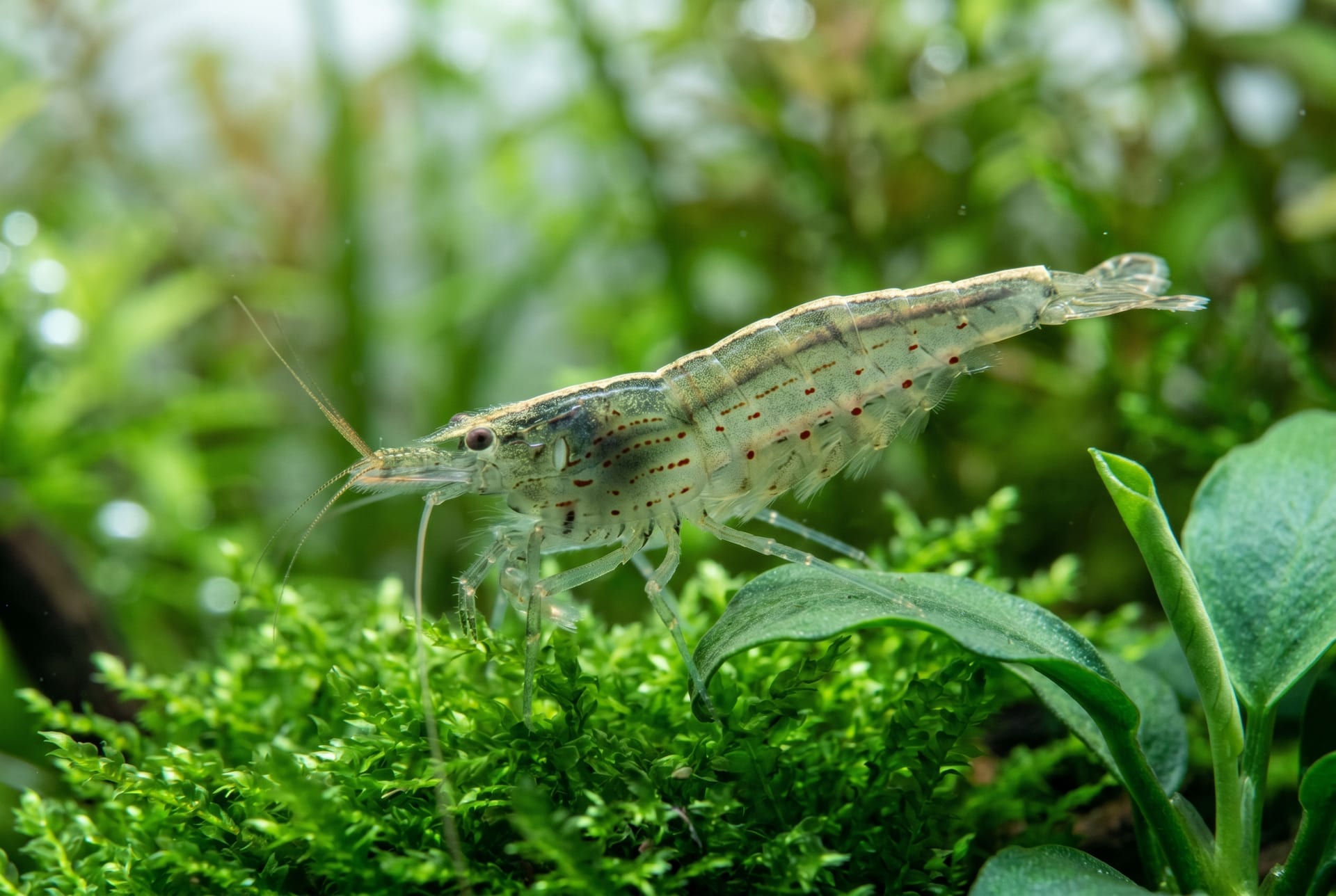
Hair algae: Tangled algae that clings to plant leaves—annoying but effective controlled by introducing Amano shrimp. Reduce phosphorus by reviewing feeding amounts
✍️
BreederDirect Editorial
The BreederDirect editorial team specializes in care information for animals, covering veterinary care and breeding to deliver beginner-friendly guides.
Blue-green algae (cyanobacteria): Blue-green and slimy. Improve substrate water flow and strengthen aeration
Prevention Tips
Control lighting time to 8 hours or less using a timer
Protect the tank from direct sunlight using curtains or blinds
Continue weekly 1/3 water changes
Feed only the amount your fish can consume in 2–3 minutes
Filter Cleaning
This is a great opportunity to remove dirt accumulated over winter.
External filters: Biofilm builds up on the inner walls of hoses—clean with a pipe brush. Rinse filter media gently in tank water only (never use tap water, as it kills beneficial bacteria)
Canister filters: Replace the floss pad and rinse ring media in tank water
Sponge filters: Gently wash in tank water. If flattened, replace half with new media
Undergravel filters: Use a gravel cleaner to remove debris from substrate. Do this gradually, cleaning 1/3 of the bed per week over three weeks
Important: Never clean the filter and do a large water change at the same time. This risks destabilizing the bacterial balance. Space them at least a week apart.
Water Plant Trimming and Fertilization
Spring is when water plants accelerate their growth.
Trimming: Stem plants often become leggy over winter—trim boldly and replant healthy shoots
Remove dead leaves: Remove damaged leaves from winter promptly to encourage new growth
Fertilization timing: When water plants begin sprouting new shoots, it's time to start fertilizing. Use solid substrate fertilizer for plants with strong root systems; use liquid fertilizer for floating plants and rhizome-attached plants
Adjust CO2 supplementation: As water temperature rises, CO2 solubility decreases—you may need to fine-tune CO2 levels
Enhance lighting: It's fine to extend lighting by 30 minutes to 1 hour during the growth season (monitor algae as you adjust)
Health Checks for Aquatic Life
Carefully assess the condition of organisms that have survived winter.
Body surface abnormalities: Ich is common with temperature fluctuations. Check daily for white spots on the body
Feeding behavior: Activity and appetite increase during this season. If there are no leftovers, gradually increase food amount
Behavioral abnormalities: If fish remain still at the bottom or rub their bodies, parasites may be present. Early intervention is key
Breeding signs: Temperature increases can trigger spawning. Prepare for fry isolation if breeding occurs
Spring Aquarium Maintenance Checklist
Spring is when water temperature begins to rise and tank conditions start shifting. Follow this checklist for your maintenance routine. Confirm heater operation and adjust the set temperature (lower by 1–2 degrees from winter settings). Clean the filter and check media condition (remove dirt accumulated over winter). Adjust lighting time (extend by 1–2 hours from winter to promote plant growth). Clean the substrate (use a gravel cleaner to remove debris). Test water quality (measure pH, ammonia, nitrite, and nitrate). Trim water plants and remove old leaves. Replenish algae-eating organisms (often reduced over winter). It's best to introduce new fish or plants after water temperature stabilizes in April or later. Organisms recovering from winter have weakened condition, so avoid sudden environmental changes and gradually increase food amounts over time rather than feeding heavily at once.
Spring Fish Diseases and Prevention
Spring temperature fluctuations weaken fish immunity and increase disease risk. Ich is the most common disease, triggered by sudden temperature changes. The best prevention is maintaining stable water temperature and avoiding sudden shifts. Columnaris disease (mouth rot/gill rot), a bacterial infection, also becomes common in spring. It often results from poor filter maintenance and water quality degradation, so clean filters thoroughly during spring maintenance. Dropsy is a symptom of internal disease; prevention comes from managing food quality and quantity. Rather than suddenly increasing food after reduced winter feeding, increase portions gradually over 2–3 weeks.
Enhance Your Spring Aquarium with Br-Choku
At Br-Choku, you can purchase aquatic life directly from breeders—including medaka, tropical fish, water plants, and corals to beautify your tank. After spring maintenance to optimize your aquarium environment, spring is the perfect season to welcome new aquatic companions. The advantage of Br-Choku is that you can consult with breeders while selecting organisms suited to your setup.
Summary
By applying the tips explained in this article, you can enjoy more secure and fulfilling aquarium and plant cultivation. The key is making daily observation and record-keeping a habit. Early detection of small changes is the secret to preventing major problems. Having a reliable information source is also important. At Br-Choku, you can receive advice directly from experienced breeders, making it safe even for beginners. If you have questions, don't hesitate to ask breeders—they will surely listen with care. Keep enjoying and connecting with the life in your care.
Frequently Asked Questions (FAQ)
Q. What information sources do you recommend for beginners?
A. Start by learning basic knowledge from trusted books or breeder blogs. Social media information is mixed, so develop a habit of cross-checking with multiple sources. Asking Br-Choku breeders directly is also a reliable approach.
Q. What should I do if something goes wrong?
A. Failures are inevitable in aquarium keeping and plant cultivation. What matters is analyzing the cause and applying it next time. Keeping records makes identifying causes easier. When in doubt, consult with breeders or experienced aquarists. Avoiding isolation is the secret to long-term success.