Complete Guide to Reptile Thermostats & Humidity Controllers | Automated Temperature & Humidity Management
A comprehensive guide to selecting, configuring, and wiring thermostats and humidity controllers essential for reptile husbandry. Covers the differences between on/off, proportional, and PID control types, integration with misting systems, and digital controller applications—a complete enclosure automation guide for optimal environmental management.
Key Takeaways
A comprehensive guide to selecting, configuring, and wiring thermostats and humidity controllers essential for reptile husbandry. Covers the differences between on/off, proportional, and PID control types, integration with misting systems, and digital controller applications—a complete enclosure automation guide for optimal environmental management.
Related Species

Why Thermostats & Humidity Controllers Matter
Reptiles are ectothermic (cold-blooded) animals that depend entirely on their environment for thermoregulation. When enclosure temperature and humidity fall outside the optimal range, reptiles suffer digestive issues, compromised immunity, improper shedding, and in severe cases, death. Manually adjusting these parameters is impractical, and the risk of catastrophic failure during periods when the keeper is absent becomes unacceptable.
By implementing a thermostat (temperature controller) and humidity controller (hygrostat), you achieve:
- 24-hour automatic maintenance of optimal temperature and humidity
- Prevention of mortality from overheating, excessive dryness, or excess humidity
- Reduced electricity costs (heating and humidification only when needed)
- Precise control for breeding management and cooling (brumation induction)
Thermostat Types and Selection
On/Off Type (Bimetallic or Simple Digital)
How it works: Simple switching control—heater turns OFF when the set temperature is reached, and ON when temperature drops below the setpoint.
Advantages: Affordable (¥3,000–¥8,000) · Simple configuration · Minimal failure rate Disadvantages: Temperature overshoot is common. Unsuitable for high-thermal-mass heaters like ceramic emitters.
Best for: Heat panels · low-output heaters · small enclosures
Proportional Control Type (Analog PWM)
How it works: Output to the heater adjusts continuously (0–100%) based on the temperature difference from the setpoint. As temperature drops, output increases; as it approaches the target, output decreases.
Advantages: Minimal temperature fluctuation and stable control. Higher precision than on/off systems. Disadvantages: Higher cost than on/off type (¥8,000–¥20,000)
Best for: Large enclosures · high-output ceramic heaters · species requiring temperature stability (African bullfrogs, ball pythons, etc.)
PID Control Type (High-Precision Digital)
How it works: Combines proportional (P), integral (I), and derivative (D) control, predicting and correcting the next output based on temperature change history. The most precise control method available.
Advantages: Extremely minimal temperature fluctuation (±0.1–0.5°C). Ideal for breeding, egg incubation, and precise cooling protocols. Disadvantages: High cost (¥15,000–¥40,000+) · Requires parameter tuning.
Best for: Reptile egg incubators · breeding management · strict temperature control for rare species
Thermostat Selection Checklist
- Does the heater's maximum wattage fall within the thermostat's rated capacity?
- Can the sensor probe be positioned to accurately measure representative enclosure temperature?
- Does the unit have alarm functions (high/low temperature alerts)?
- Does it support multiple channels (separate control for hot spot and cool side)?
Humidity Controller Types and Selection
Humidity control is more challenging than temperature management and requires consideration of humidification methods, enclosure air-tightness, and compatibility with misting systems.
Analog Humidity Controller
A simple on/off controller for humidifiers or misting pumps. Turns ON when humidity drops below the setpoint, OFF when it exceeds the setpoint.
Advantages: Affordable (¥5,000–¥12,000) · Simple to connect Disadvantages: Lower precision (±5–15% fluctuation) · Variable sensor accuracy across brands
Digital Multi-Function Controller (Integrated Temperature & Humidity)
A single unit controlling both temperature and humidity simultaneously. Common brands include Inkbird, Hunter (MistKing), and Hydrofarm (Titan Controls).
Advantages: Single-unit management of temperature, humidity, and lighting. Programming features automatically recreate day/night cycles. Disadvantages: Mid-to-high price range (¥15,000–¥50,000) · Complex configuration
Best for: Chameleons · panther chameleons · rainforest lizards · all high-humidity-dependent species
Integration with Misting Systems
Combining a humidity controller with a misting system achieves "automatic spray when enclosure humidity drops below the setpoint."
Misting System Components
- Pump: Delivers water under pressure (RainForest, MistKing, etc.)
- Nozzles: Produces fine mist spray (metal nozzles resist clogging better)
- Tubing: Conveys water from pump to nozzles
- Timer/Controller: Either the hygrostat or an independent timer unit
Installation Guidelines
- Position nozzles in the upper-rear of the enclosure to prevent direct contact with the animal
- Ensure bottom drainage to prevent humidity from becoming excessive
- Use reverse-osmosis (RO) or filtered water (reduces mineral buildup and nozzle clogging)
- Increase nighttime misting frequency to recreate a daytime dry/nighttime humid cycle
Environmental Setup Examples for Common Reptiles
| Species | Hot Spot | Cool Side | Humidity | Recommended Equipment |
|---|---|---|---|---|
| Leopard Gecko | 30–32°C | 22–25°C | 30–50% | On/off thermostat + heat panel |
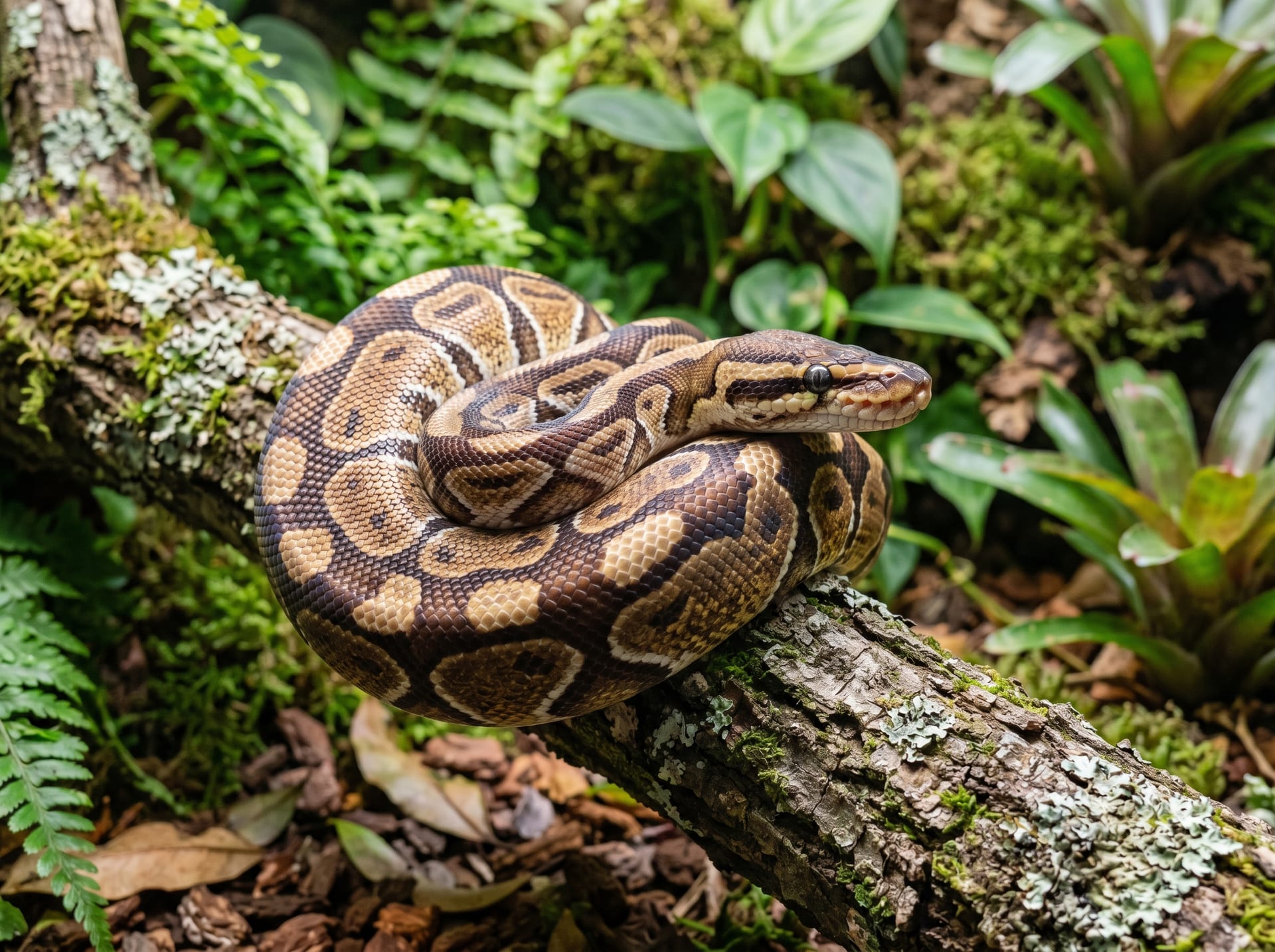
| Ball Python | 34–37°C (HSP) | 26–28°C | 55–70% | Proportional thermostat + ceramic heater |
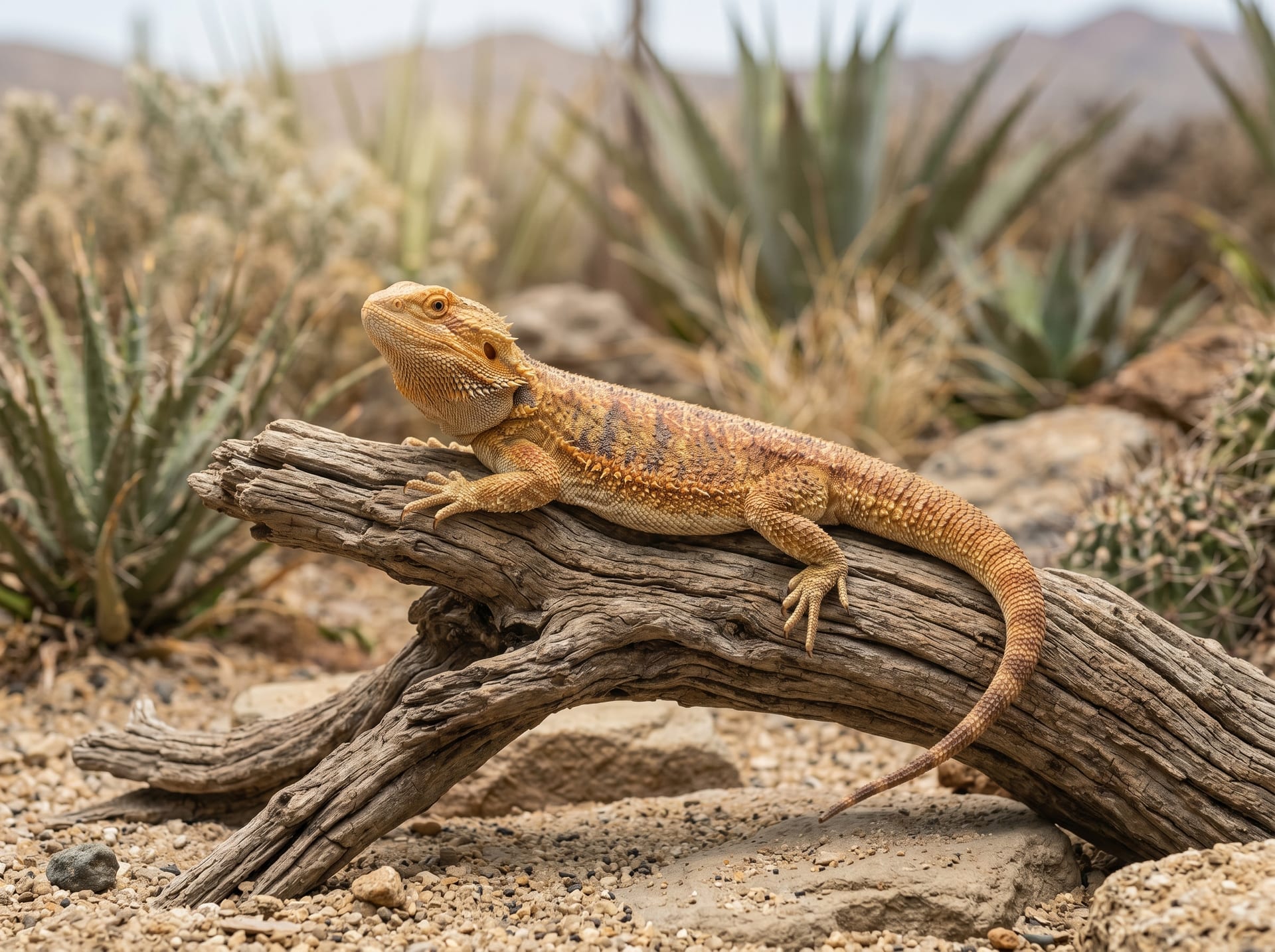
| Bearded Dragon | 45–50°C (basking) | 26–30°C | 30–40% | Dual-channel thermostat |
| Panther Chameleon | 30–33°C | 22–26°C | 70–90% | Digital integrated controller + misting |
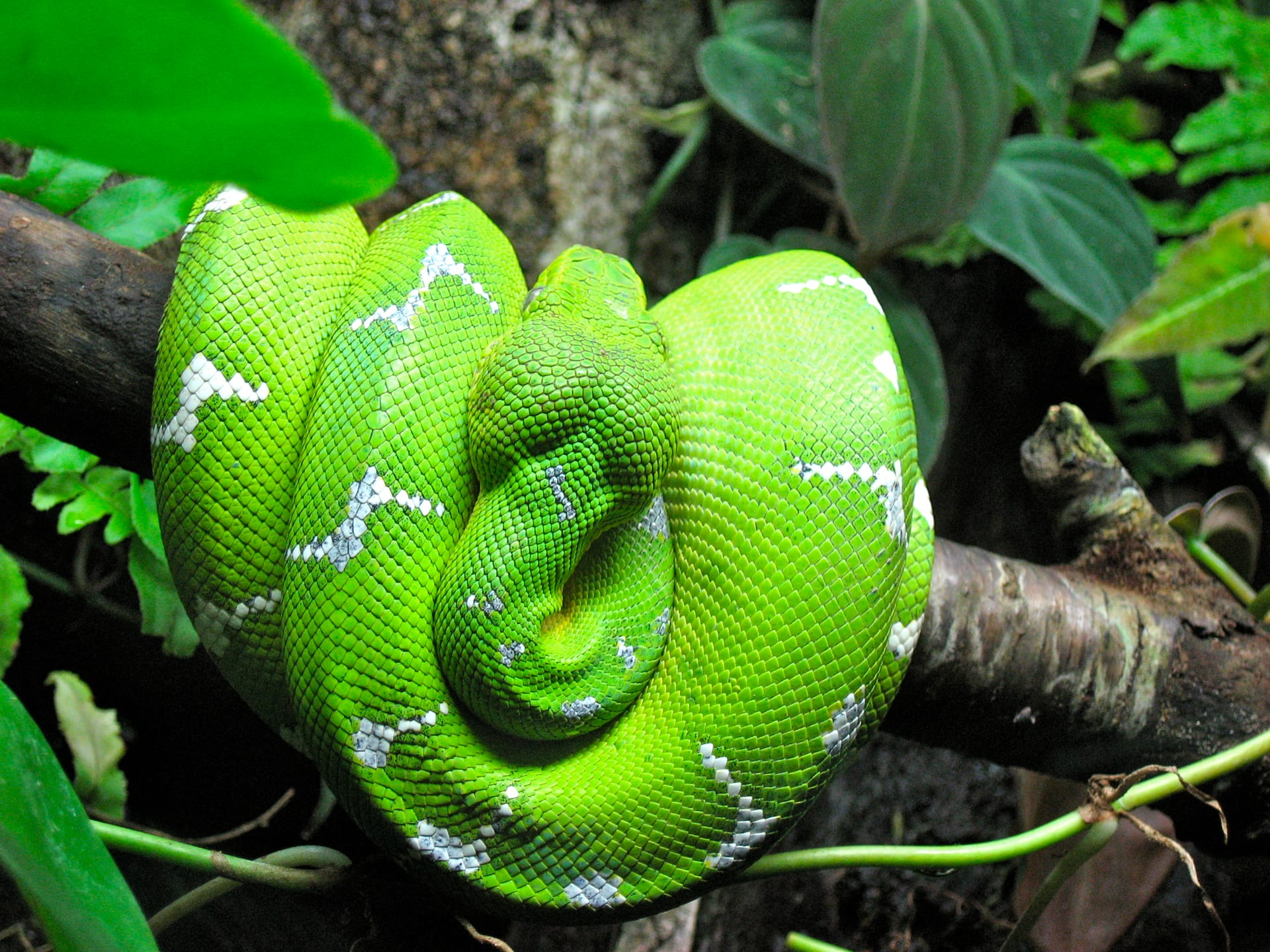
| Emerald Tree Boa | 28–32°C | 24–26°C | 80–90% | Humidity controller + misting system |
Wiring and Safety Precautions
Thermostat and humidity controller wiring involves electrical circuits and requires critical safety measures.
Essential Safety Measures
- Never connect devices exceeding the rated wattage (overload risks malfunction and fire)
- Use proper electrical-grade extension cords; avoid daisy-chaining power strips
- Position sensor probes away from heater location (proximity causes false readings)
- Periodically verify probe accuracy (compare against a water thermometer)
- Consider UPS (uninterruptible power supply) for power-outage protection, especially for rare species or breeding animals
Summary
Thermostats and humidity controllers are not "luxury upgrades" in reptile husbandry—they are life-support systems. By selecting a control method suited to your species' temperature and humidity requirements, carefully positioning sensors, and ensuring safe wiring practices, you provide 24-hour stable environmental conditions. The initial investment pays for itself many times over through reduced disease and mortality rates and improved breeding success.