Reptile Handling & Trust Building — Species-Specific Approaches
Building trust with reptiles through proper handling: species-specific approaches for lizards, snakes, and turtles with step-by-step techniques.
Key Takeaways
Building trust with reptiles through proper handling: species-specific approaches for lizards, snakes, and turtles with step-by-step techniques.
Related Species
Reptiles do not "bond" with owners the way dogs and cats do, but with consistent and appropriate interaction, they can become accustomed to people and allow calm handling. However, incorrect taming techniques can cause stress-induced food refusal or aggressive behavior.
Understanding Reptile Psychology
Reptiles do not experience affection in the mammalian sense. What we call "taming" is actually the process of the animal learning that your presence is not a threat. This is achieved through consistent, predictable, non-threatening interactions. Each species and individual has different tolerances and timelines.
The Acclimation Period (Weeks 1-2)
After bringing a new reptile home, allow at least 1-2 weeks of zero handling. The animal needs to establish its territory, find its hides, and begin eating consistently. During this period, perform only essential maintenance (water changes, feeding) with slow, deliberate movements.
Building Trust (Weeks 3-8)
Presence habituation: Simply spend time near the enclosure without interacting. Read, work on your phone, or watch TV. The reptile learns your presence is neutral.
Hand introduction: Rest your hand inside the enclosure (near a hide, not blocking the exit) for 5-10 minutes daily. Let the reptile approach on its terms. Do not chase or corner the animal.
Short handling sessions: Once the reptile tolerates your hand nearby without fleeing, begin brief handling sessions of 5 minutes, gradually extending to 10-15 minutes. Always support the animal's body fully and avoid restraining it.
Species-Specific Approaches
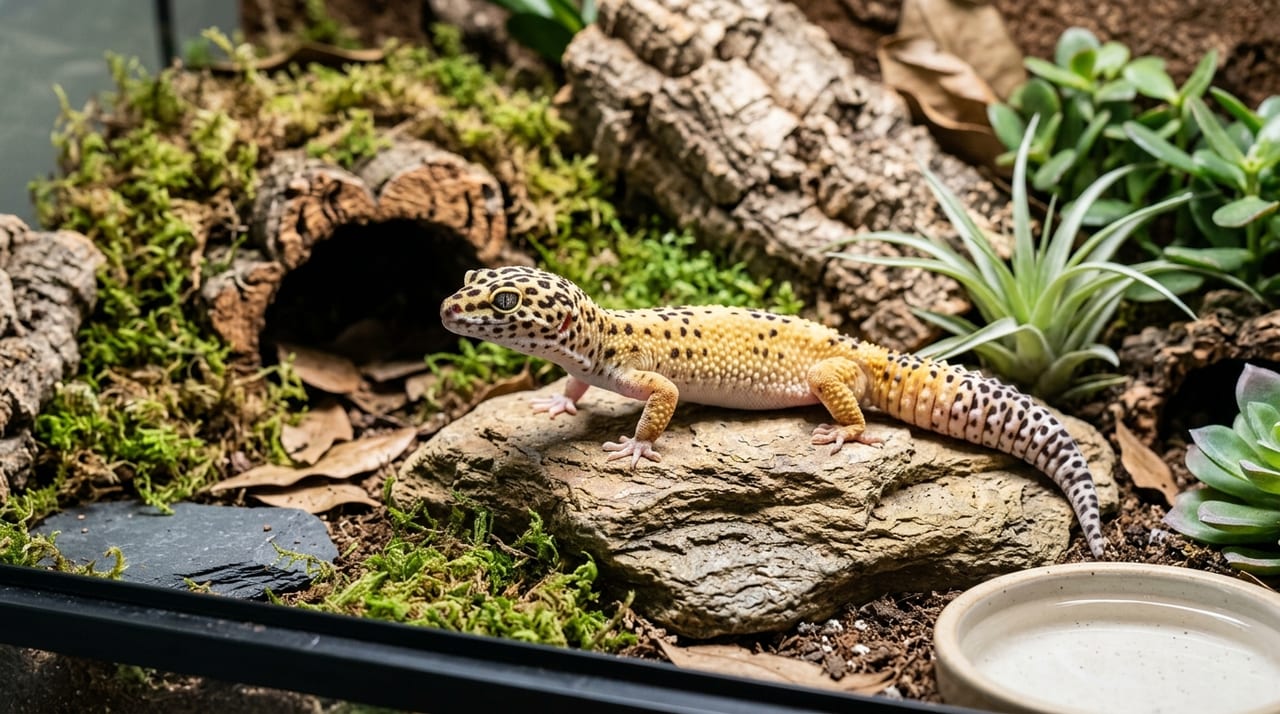
Leopard geckos: Generally docile. Most adapt to handling within 2-4 weeks. Approach from the side, never from above (predator response).
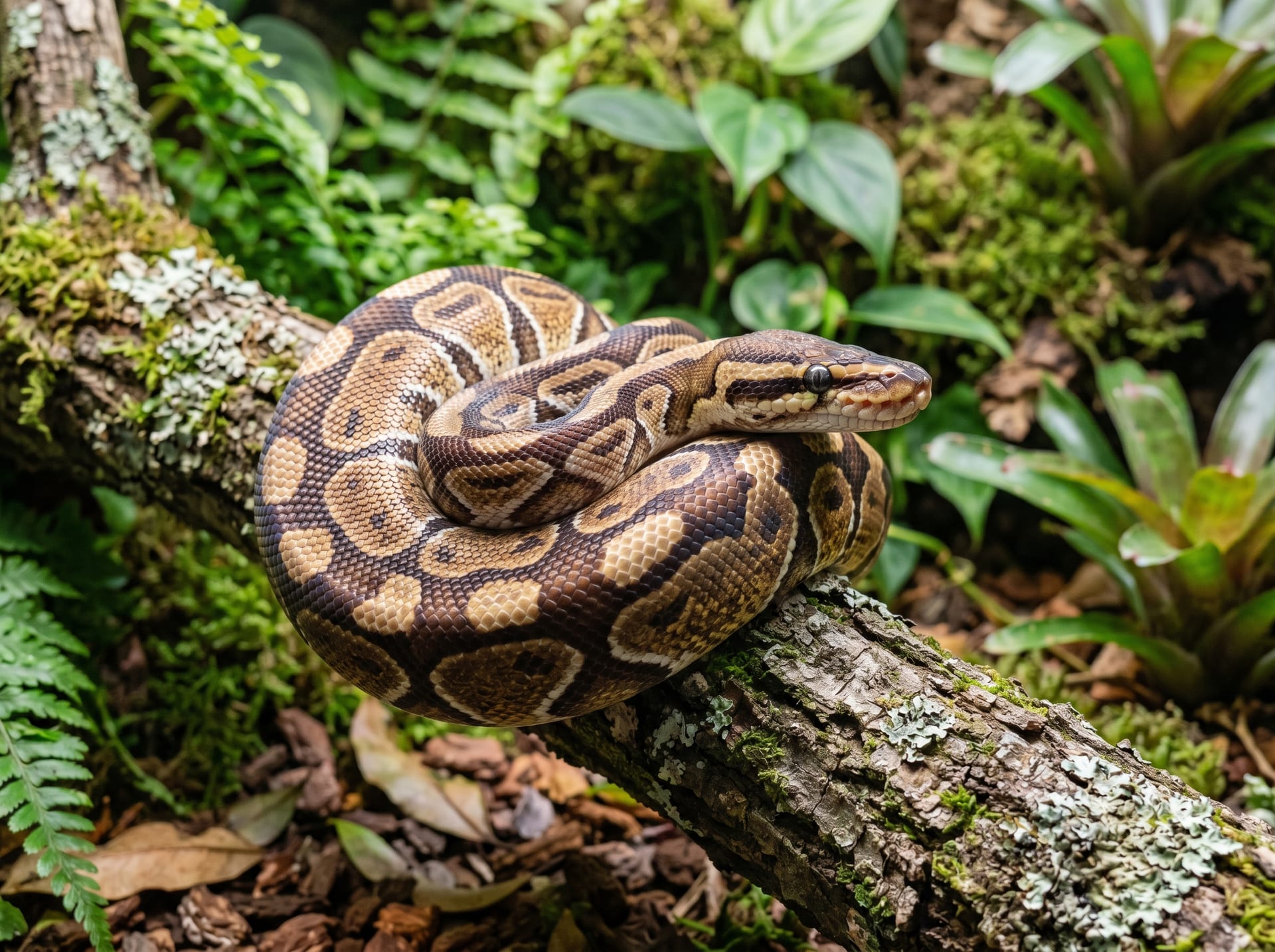
Ball pythons: Naturally shy. May ball up defensively at first. Handle confidently but gently, supporting their weight.
Bearded dragons: Among the most interactive reptiles. Many actively seek out their owners. Can be carried on shoulders during supervised activity.