Complete Guide to Shipping Live Reptiles | Packaging, Shipping Carriers, and Seasonal Precautions
Expert explanation of packaging methods, carrier selection, seasonal temperature management, and troubleshooting for shipping live reptiles. This guide also covers species-specific packing procedures for snakes, lizards, and turtles, as well as approaches to live arrival guarantees.
Key Takeaways
Expert explanation of packaging methods, carrier selection, seasonal temperature management, and troubleshooting for shipping live reptiles. This guide also covers species-specific packing procedures for snakes, lizards, and turtles, as well as approaches to live arrival guarantees.
Related Species
One of the most critical skills for a reptile breeder is "safe shipment of live animals." Since reptiles such as snakes, lizards, turtles, and geckos are ectothermic, temperature fluctuations during transport can be life-threatening. This article provides an expert analysis of the packaging methods, shipping carrier selection, seasonal temperature management, and troubleshooting procedures necessary for safely shipping live reptiles.
What to Know First About Shipping Live Reptiles
Before shipping live reptiles, it is essential to understand the legal and contractual aspects.
Shipping Carrier Live Animal Policies
Japan's major shipping carriers currently operate under the following policies:
- Yamato Transport: Live reptiles (certain species) can be shipped via Cool Mail or Cool Express. However, not all branches offer this service—you must confirm in advance with your local branch manager.
- Sagawa Express: Live animal shipment is generally unavailable. Prior application and carrier representative confirmation are required.
- Japan Post: Live animal shipping is available via Yuu-Pack with the live animal option. Reptiles are generally limited to "non-venomous, non-biting, non-dangerous species."
Important: Specified animals (venomous snakes, Komodo dragons, etc.) require special permits for live shipment. Always confirm in advance with both the carrier and relevant authorities.
Shipping Responsibility as a Licensed Animal Dealer
Breeders registered as Class 1 animal handlers (sales business) bear legal responsibility for the health management of animals during transport. If mortality or illness occurs that appears transport-related, you may be held liable for whether proper packing and temperature control were maintained.
Basic Packing Materials and Preparation
Essential Items Checklist
Safe reptile shipment requires the following materials:
| Item | Purpose | Notes |
|---|---|---|
| Plastic container (small to medium) | Primary container (direct containment) | Sealed type standard |
| Insulating sheets / hand warmers | Warming in cold seasons | Wrap in paper to prevent direct contact |
| Ice packs | Cooling in warm seasons | Place indirectly |
| Newspaper / kraft paper | Cushioning / insulation | Wrap around primary container |
| Styrofoam box | Secondary container (insulation) | 2cm thickness minimum recommended |
| Gummed tape / OPP tape | Box sealing | Seal thoroughly |
| Reptile-specific wet wipes | Moisture supplementation for snakes and turtles | Prevent desiccation |
Primary Container Selection and Animal Securing
Choosing the correct primary container (plastic box) is essential.
For snakes: The "double-bag" method is standard—place the snake in a cloth bag (dry sack) first, then into the plastic container. While large aquarium-grade vinyl bags can substitute, using specialized reptile bags with anti-escape features reduces injuries from thrashing during transport.
For lizards and geckos: Secure the plastic container lid firmly and reinforce the seams with tape. Adding a small amount of moistened sponge or sphagnum moss inside maintains humidity and container stability.
For turtles: Place in a container generously padded with cushioning to prevent shell damage. Especially for aquatic turtles, a "drying process" (removing free water 24 hours before shipping) significantly reduces the risk of water leakage.
Seasonal Temperature Management (Critical)
For ectothermic reptiles, temperature control during transport is literally a matter of life and death.
Winter (November–March: Days Below 10°C)
Winter's greatest risk is cold shock. Rapid drops in body temperature shut down digestive systems and suppress immunity, potentially causing death.
Recommended Measures:
- Disposable hand warmers (heat packs) wrapped in paper, placed below or beside the container (direct contact risks burns—strictly forbidden)
- Wrap the entire container in 2–3 layers of newspaper to create an insulation layer
- Use styrofoam boxes at least 3cm thick
- Pre-test to ensure the center temperature inside the box stays around 18–28°C (confirm with a thermometer in your home before shipping)
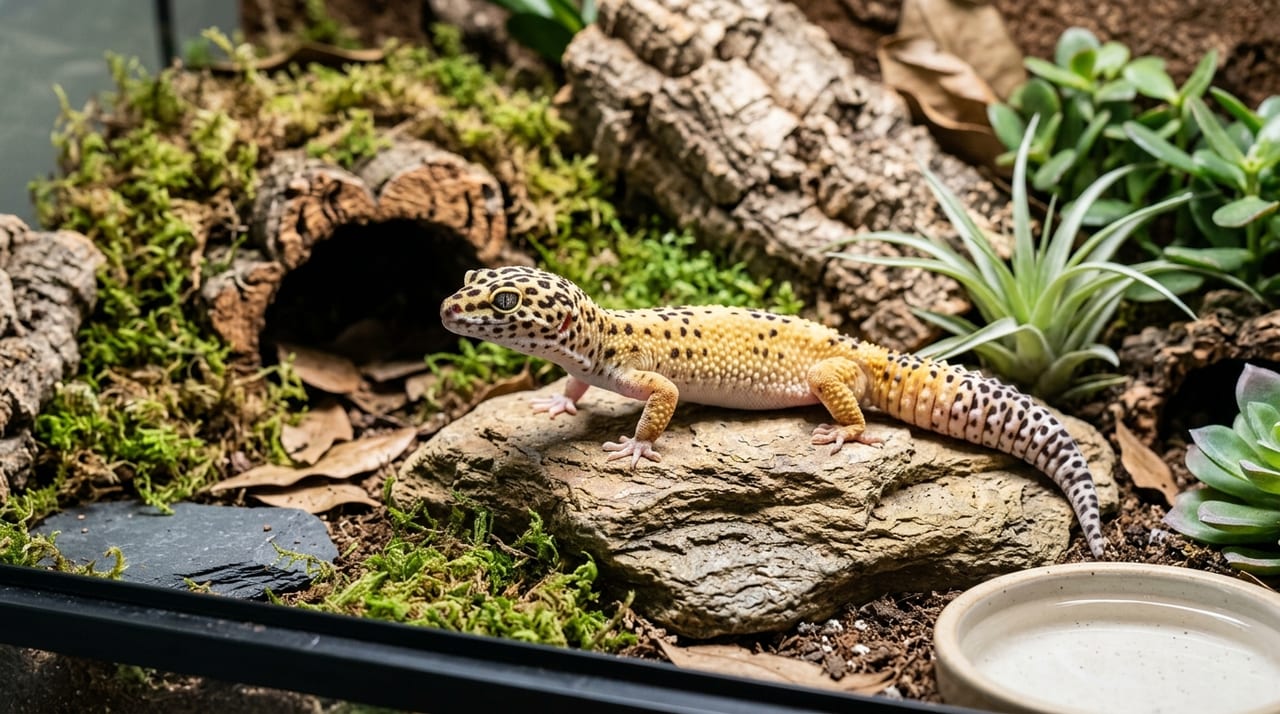
Target temperature: This varies by species, but 20–26°C is generally safe during transport. Leopard geckos and bearded dragons prefer around 25°C; turtles typically do well at 22–28°C.
Summer (June–September: Days Above 30°C)
Summer's critical threat is heat stroke (high-temperature shock). Interior box temperatures can exceed 40°C during vehicle transport or while sitting in distribution centers.
Recommended Measures:
- Wrap small ice packs in cloth and place at the corners of the box, away from the container (avoid direct cold exposure, which causes opposite problem)
- Add extra insulation to the styrofoam box lid
- Choose early morning shipment (before 9 a.m.) with carriers offering "morning delivery" options
- Actively use cool delivery options when available (though set for "ambient cool" rather than refrigerated—appropriate for live animals)
Rainy Season to Early Summer (April–June)
Temperatures are relatively stable, but high humidity causing condensation becomes an issue. Maintaining ventilation while providing minimal insulation as backup against sudden temperature changes—a "half-warming" approach—is effective.
Pre-Shipping Checklist
Before packing the reptile, verify all the following items:
Health Status Confirmation
- Are the eyes open and alert?
- Is there any visible injury, infection, or disease?
- Has the animal eaten in the last 24–48 hours? (Animals currently digesting face higher risks of regurgitation and death under transport stress)
- Is the animal not mid-shed or pre-shed? (Shedding animals are extremely stress-sensitive)
Pre-Shipping Fasting Management
Proper fasting before shipment is essential for reptiles. Fasting reduces contamination from waste during transport and significantly lowers the risk of regurgitation and mortality.
| Species | Recommended Fasting Period |
|---|---|
| Leopard geckos, night geckos (small geckos) | 2–3 days before shipment |
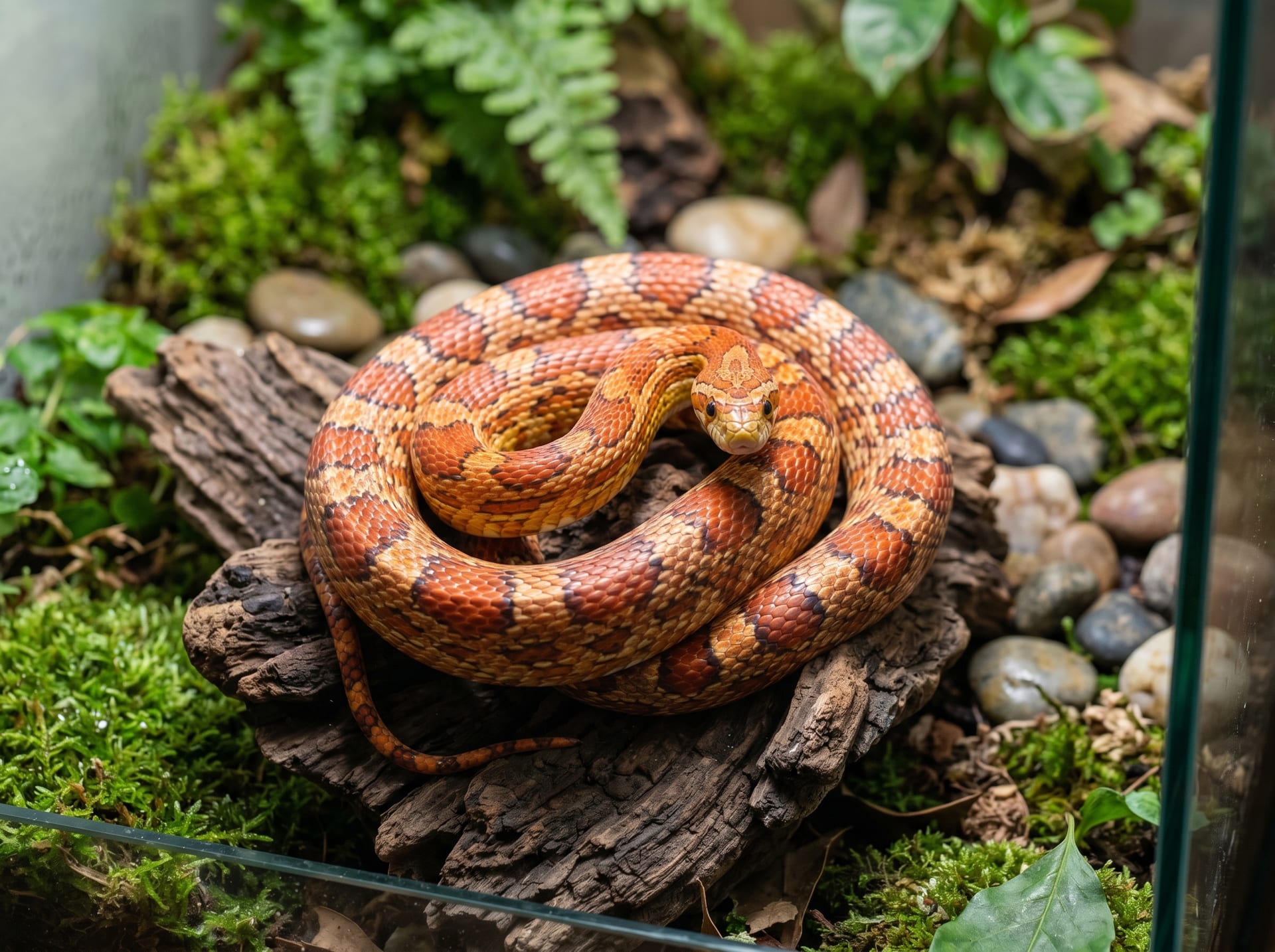
| Bearded dragons, corn snakes (medium species) | 3–5 days before shipment |
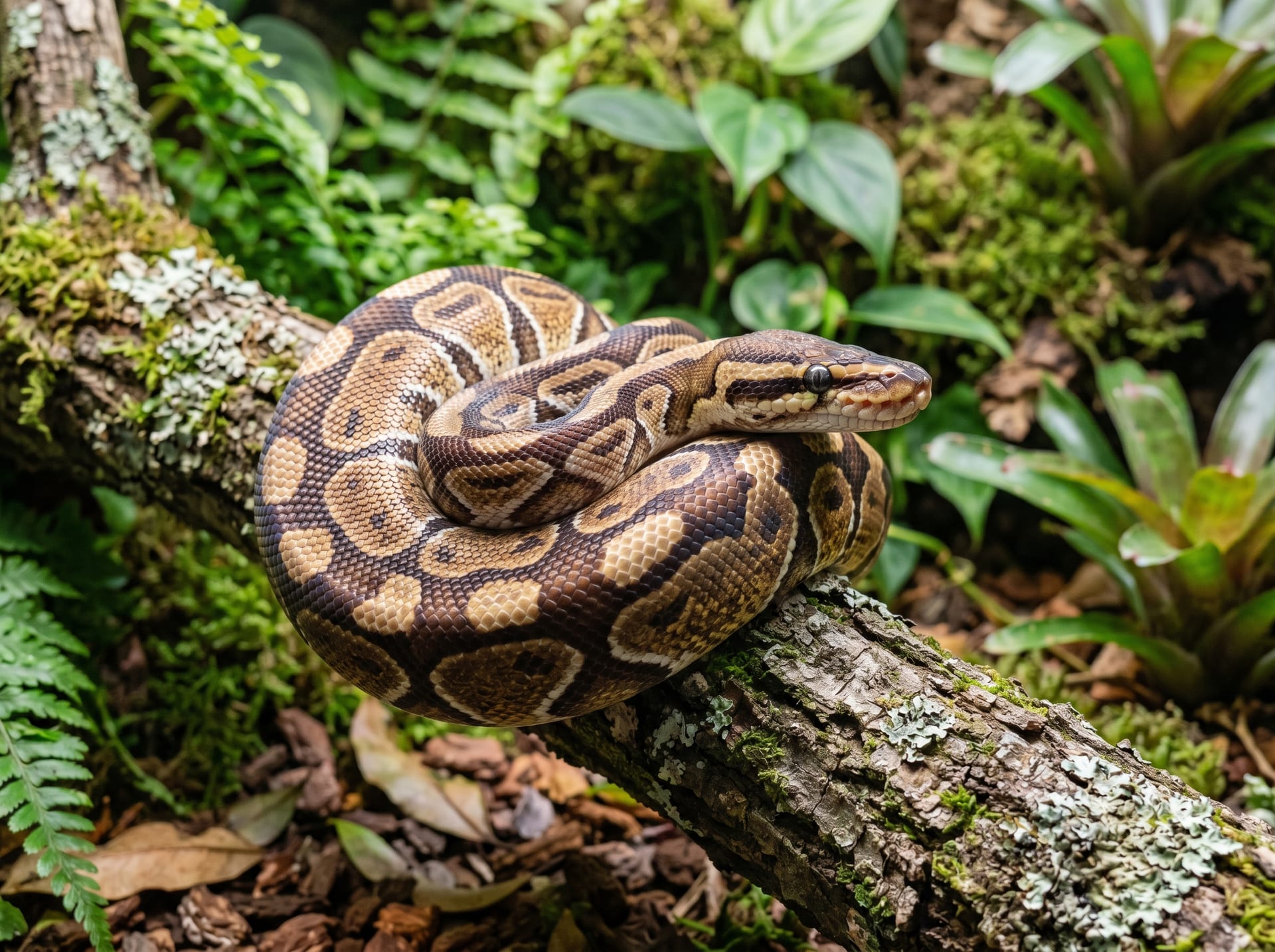
| Ball pythons (large snakes) | 5–7 days after last feeding |
| Tortoises and terrestrial turtles | 2–3 days before shipment (provide water until immediately before) |
Post-Arrival Care (Guidance for Buyers)
As a breeder, communicating proper post-arrival care to buyers is also a critical responsibility. Provide the following guidance after the transaction:
Opening Procedures
- Open immediately upon arrival: Prolonged closure risks suffocation and temperature stress
- Check the temperature before opening: If the container is cold, warm it slowly at room temperature (never rapid heating)
- Avoid handling: Leave the animal undisturbed for 24–48 hours (transport stress recovery period)
- Provide water: Turtles and large lizards are especially susceptible to dehydration
Protocols for Live Arrival Guarantees
Establishing clear terms for live arrival guarantees (animals arriving dead) before the transaction is essential. Standard guidelines include:
- Require video documentation of arrival condition on the day of delivery
- Distinguish between damage caused by carrier error versus packing deficiency for compensation purposes
- Some breeders now offer "live animal guarantee insurance" as a premium option
Common Shipping Issues and Solutions
Escape
Container lids can come loose during transport, allowing the animal to escape. Always reinforce the lid with tape and place it in a styrofoam box for double-layer escape prevention.
Desiccation and Dehydration
Especially on long-distance shipments (2+ days), desiccation becomes problematic. Adding a small amount of moistened sphagnum moss or damp towel inside the container helps maintain humidity.
Shipping Delays
Weather conditions and peak seasons (summer holidays, year-end, Golden Week) can cause delays. During these periods, either avoid shipping live animals or coordinate carefully with buyers on timing.
Conclusion
Safe reptile shipment is possible only when four elements align: proper packing, temperature control, fasting management, and carrier selection. Since reptiles are ectothermic and highly sensitive to transport stress, careful packing and pre-shipment health checks are essential for building trust as a breeder.
For first-time shipments, start with nearby, short-distance transport and test the temperature changes yourself before attempting longer distances. Consistent safe shipments build long-term credibility as a reliable breeder.