Complete Guide to Reptile Feeding Refusal: Causes, Solutions, and Prevention | Why Snakes, Lizards, and Geckos Stop Eating and How to Fix It
Reptile feeding refusal (food rejection) is one of the most common problems beginner keepers face. This guide thoroughly explains feeding refusal causes and treatments specific to each species—covering stress, temperature, humidity, parasites, pre-shedding, and breeding season. Learn the criteria for force-feeding and step-by-step re-feeding protocols.
Key Takeaways
Reptile feeding refusal (food rejection) is one of the most common problems beginner keepers face. This guide thoroughly explains feeding refusal causes and treatments specific to each species—covering stress, temperature, humidity, parasites, pre-shedding, and breeding season. Learn the criteria for force-feeding and step-by-step re-feeding protocols.
Feeding refusal is one of the most common problems reptile keepers encounter. When an individual that was eating eagerly yesterday suddenly stops accepting food, beginners especially may feel anxious. However, feeding refusal always has a cause, and in most cases can be improved with appropriate intervention. This article draws on over 15 years of experience at a reptile specialty shop to explain the causes of feeding refusal and practical solutions.
Understand the Main Causes of Feeding Refusal
Reptile feeding refusal falls into three major categories: environmental factors, physiological factors, and pathological factors. Environmental factors include improper temperature and humidity, and stress sources within the enclosure (insufficient hiding spots, lighting intensity, cohabitation with other animals, etc.). Physiological factors include temporary appetite loss before shedding, hormonal changes during breeding season, and reduced activity in winter. Pathological factors include parasitic infections, oral diseases, and internal organ diseases.
What's important to note is that these factors often work in combination. For example, individuals kept in lower-temperature environments are more prone to losing appetite even with a slight parasitic load. To identify the cause, a comprehensive review of the entire husbandry environment and careful observation of the individual's behavior and appearance is necessary.
Feeding Refusal Patterns and Solutions for Snakes
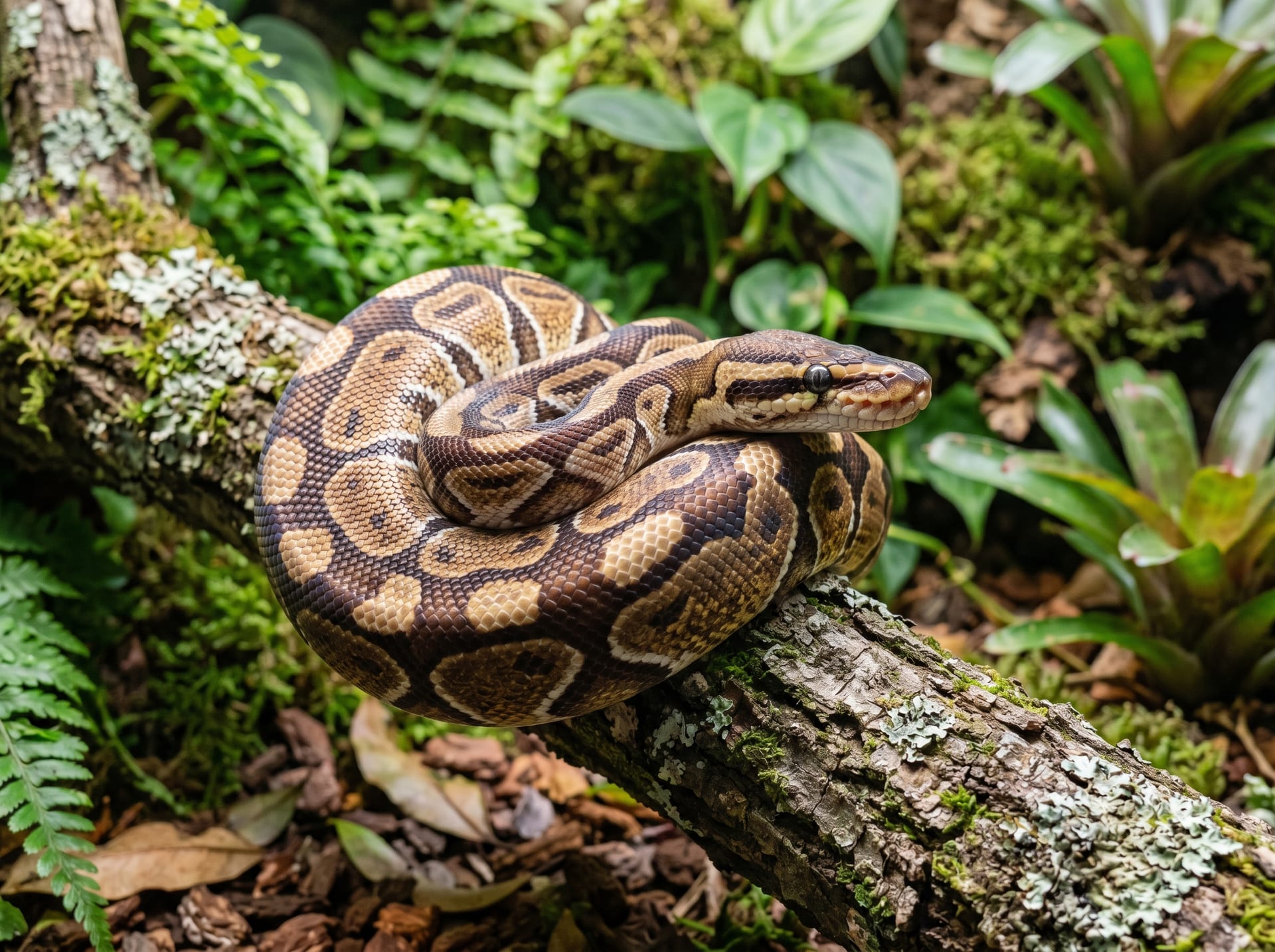
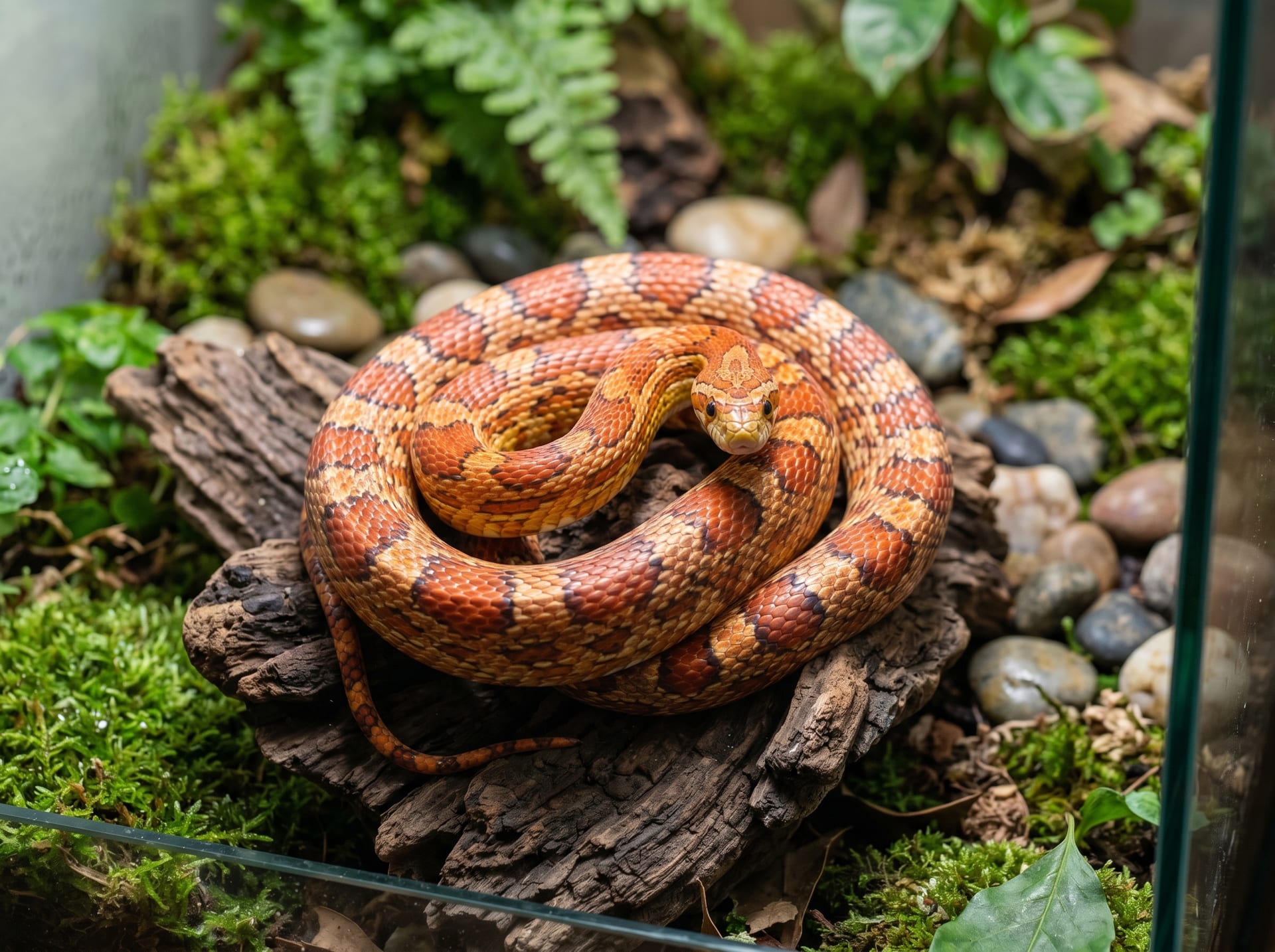
Snakes, particularly pet species such as ball pythons and corn snakes, are known for being prone to feeding refusal. In ball pythons, males refusing food for several months during the breeding season (around November to March) is natural behavior, and excessive concern is unnecessary if body weight does not decrease significantly. However, feeding refusal at other times should raise suspicion of environmental factors.
Temperature is the most important factor; the hot spot should be around 28-32°C depending on species, and the cool spot should be around 24-26°C. Always install a thermometer, and pay special attention to heater failures in winter and overheating in summer. Hides must be provided in both temperature zones, choosing a snug size that makes the individual feel secure.
Changing the type of food is also effective. If frozen mice are refused, you can try adjusting the thawing method (thaw completely in lukewarm water and dry the surface), switching from mice to rats, or temporarily switching to live prey. There are cases where appetite returns by reducing feeding frequency (from once per week to once every two weeks).