Budget Planning for Live Animal Purchases | Understanding Initial Costs and Ongoing Expenses | ブリちょく
Buying Guide| ✍️ BreederDirect Editorial
Budget Planning for Live Animal Purchases | Understanding Initial Costs and Ongoing Expenses
This guide explains the initial costs and monthly running costs associated with purchasing live animals. We introduce often-overlooked expense categories such as husbandry equipment, feed, veterinary care, and emergency reserves, and present how to create a sustainable budget plan.
Key Takeaways
This guide explains the initial costs and monthly running costs associated with purchasing live animals. We introduce often-overlooked expense categories such as husbandry equipment, feed, veterinary care, and emergency reserves, and present how to create a sustainable budget plan.
Related Species
Understanding Your Total Cost Before Considering a Live Animal Purchase
When purchasing a live animal, the most common mistake beginners make is "budgeting based only on the purchase price of the animal." In reality, the animal's price is just a small portion of your total costs. Setting up the proper environment, monthly maintenance expenses, unexpected medical bills, and equipment emergencies all add up. Understanding the complete "total cost" beforehand is the first step to enjoying a long and fulfilling keeping experience.
This article breaks down budget planning when purchasing animals directly from breeders across three key axes: initial costs, running costs, and emergency reserves.
---
Initial Costs: Purchase Price + Husbandry Setup
Initial costs divide into two main categories: "the animal itself" and "equipment costs."
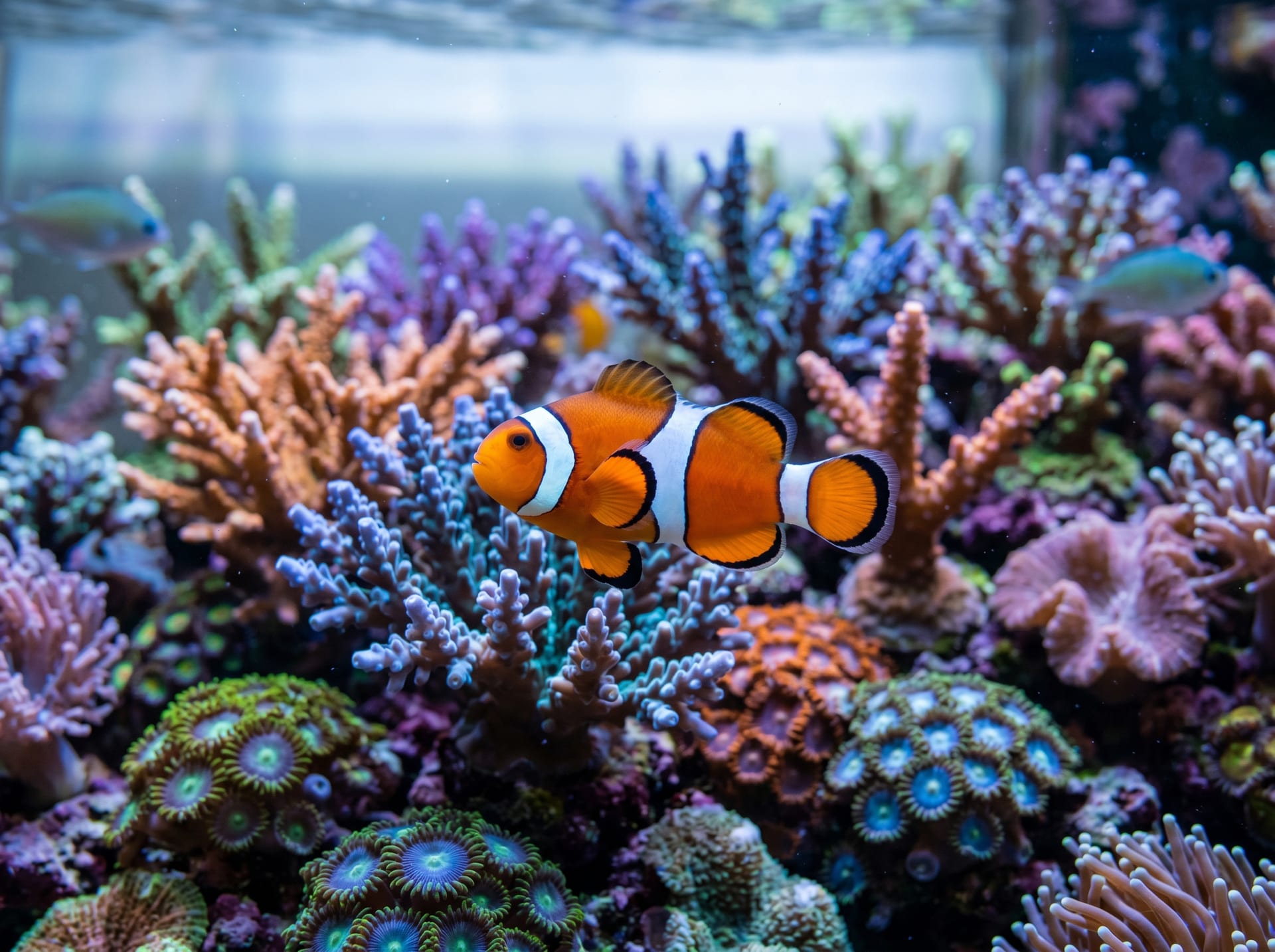
The purchase price of the animal varies greatly depending on species and individual quality. For example, coral ranges from soft corals at a few thousand yen to rare hard corals that can cost tens of thousands of yen. Marine fish likewise vary widely—popular clownfish typically cost ¥3,000–¥8,000, but rare species can exceed ¥50,000. When purchasing directly from breeders, you often get higher-quality individuals at fair prices compared to shop purchases, so develop a good sense of market rates.
Equipment costs differ significantly depending on the type of animal you keep.
Category
Main Equipment
Estimated Cost (Beginner to Intermediate)
Marine Fish & Corals
Aquarium, protein skimmer, live rock, hydrometer, heater, water circulation pump, LED lighting
¥30,000–¥150,000
✍️
BreederDirect Editorial
The BreederDirect editorial team specializes in care information for animals, covering veterinary care and breeding to deliver beginner-friendly guides.
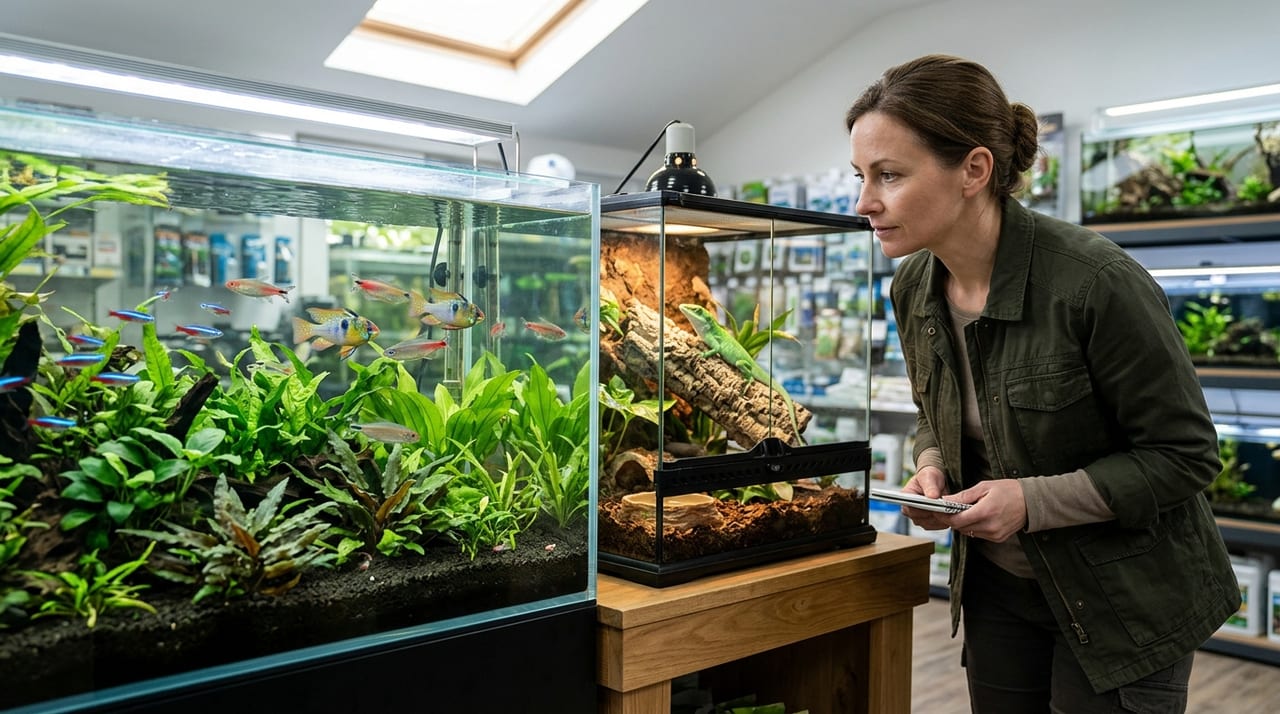
For corals and marine fish, especially coral keeping, powerful LED lighting alone often costs ¥20,000–¥50,000, frequently making equipment costs far exceed animal costs. A realistic approach is: "If I spend ¥10,000 on an animal, I need ¥30,000–¥50,000 for equipment."
After bringing your animals home, monthly fixed costs accumulate. Budget planning must account for these "recurring monthly expenses."
Electricity costs become surprisingly substantial. Running aquarium heaters, coolers, lighting, and filters 24/7 can cost ¥1,000–¥3,000 per month for a single 60cm tank, or ¥3,000–¥8,000 for marine fish/coral tanks. Operating multiple tanks easily exceeds ¥10,000 monthly in electricity alone.
Feed and supplies are ongoing expenses. Artificial marine fish food costs ¥1,000–¥2,000 per can and lasts 2–3 months, but frozen or live food runs ¥2,000–¥5,000 monthly. Amino acid supplements and trace element additives for corals typically cost ¥2,000–¥4,000 monthly.
Water changes and maintenance also add up. Marine fish and corals require synthetic sea salt (¥2,000–¥3,000 per 10kg bag) regularly. Adding dechlorinator and bacterial additives brings monthly costs to ¥1,000–¥3,000.
---
Emergency Reserves: Preparing for Medical Bills and Equipment Failure
Even with thorough preparation, unexpected illness and equipment failures happen. Your budget must always include an "emergency reserve fund."
Medical costs can be especially high for mammals and reptiles. Reptile specialists are scarce, with consultations alone at ¥5,000–¥10,000, and including tests and treatment reaching ¥30,000–¥50,000 per visit. Fish and corals aren't practical for veterinary care, so you must know how to use over-the-counter medications (like ich treatment) and keep medication funds available (thousands of yen).
Equipment failures happen unexpectedly. Heater failure especially threatens life. Keeping a spare heater on hand (¥2,000–¥5,000) is essential. Budget for protein skimmer and pump failures by setting aside 20–30% of purchase costs as emergency reserves.
As a guideline, accumulate three months of running costs in a separate emergency fund.
---
Annual Cost Estimates by Category
Get a rough picture of total annual costs (first year) for each category.
Marine Fish & Corals (60cm tank, beginner to intermediate): Initial ¥50,000–¥150,000 + annual maintenance ¥60,000–¥150,000 = ¥110,000–¥300,000 first year
Tropical Fish (60cm tank): Initial ¥10,000–¥50,000 + annual maintenance ¥20,000–¥40,000 = ¥30,000–¥90,000 first year
Leopard Gecko (1 individual): Initial ¥20,000–¥50,000 + annual maintenance ¥10,000–¥30,000 = ¥30,000–¥80,000 first year
Hamster (1 individual): Initial ¥10,000–¥20,000 + annual maintenance ¥10,000–¥20,000 = ¥20,000–¥40,000 first year
These are just guidelines and vary greatly with expansion or equipment upgrades. Purchasing multiple animals from breeders benefits from economies of scale but requires larger equipment investments, making phased expansion plans wise.
---
Smart Budget Planning: 3-Step Approach
Finally, here's a practical budget planning method.
Step 1: Calculate monthly running costs first
Before planning initial expenses, calculate what monthly maintenance will cost. The sum of electricity, feed, and supplies is your fixed monthly expense. Confirm you can sustain this before deciding on animals and equipment budgets.
Step 2: Think "equipment costs > animal costs" for initial expenses
Especially for marine life and reptiles, equipment typically costs more than the animals. If you want to spend ¥30,000 on a coral, plan for ¥50,000–¥100,000 in equipment by working backward.
Step 3: Set aside emergency reserves from the start
Reserve three months of running costs as emergency funds first, then allocate the rest to initial expenses. Cutting emergency reserves to afford fancier equipment defeats the purpose if you can't save a life when needed.
---
Keeping animals is a hobby best enjoyed long-term with proper budget planning. When purchasing directly from breeders, organize these three axes (initial costs, running costs, emergency reserves) before purchasing to build your ideal keeping environment.