[Pro Tips] Reptile Breeding Promotion Techniques | From Cooling to Hatching | ブリちょく
Reptiles| ✍️ BreederDirect Editorial
[Pro Tips] Reptile Breeding Promotion Techniques | From Cooling to Hatching
Professional techniques for successful reptile breeding. Detailed explanation of cooling, pairing, and egg management.
Key Takeaways
Professional techniques for successful reptile breeding. Detailed explanation of cooling, pairing, and egg management.
Related Species
[Pro Tips] Reptile Breeding Promotion Techniques
Reptile breeding success depends largely on accurately controlling three key elements: temperature, humidity, and timing. In the wild, seasonal changes trigger breeding, but in captivity, we must artificially recreate these environmental changes. This article systematizes professional techniques for reptile breeding—from cooling through post-hatching care—making it accessible even for those attempting breeding for the first time.
---
Pre-breeding Preparation — Health Check of Breeding Stock is Most Important
Before attempting breeding, always confirm the health status of the parent individuals. Insufficient body weight or parasitic infections put significant stress on the animal during cooling, and in worst cases, can be life-threatening.
Points to Check
Age and body weight: Breeding maturity varies by species, but for leopard geckos, females should weigh 45g or more and be at least 1.5 years old
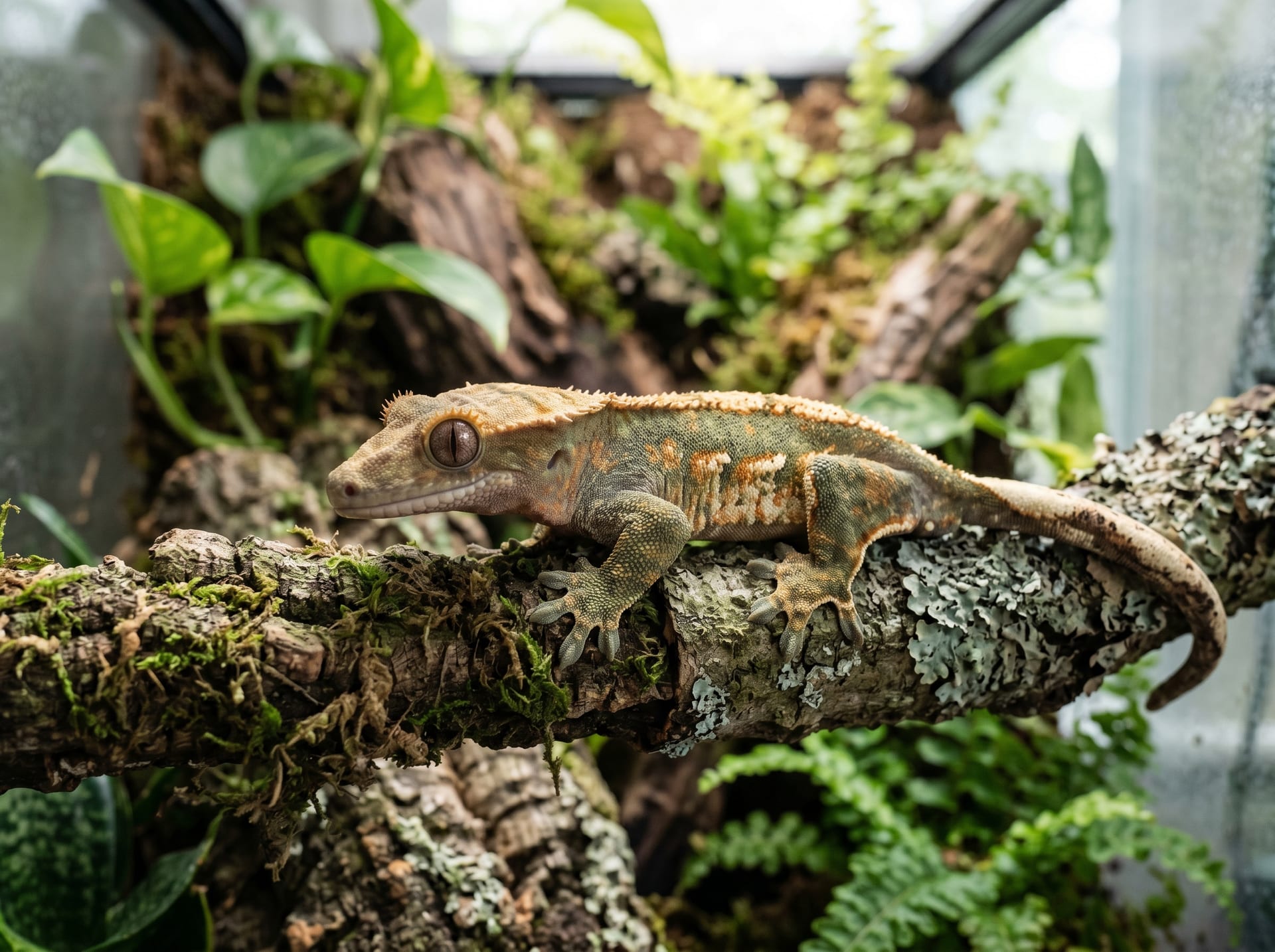
Body shape and tail thickness: For species that store nutrition in their tails (leopard geckos, crested geckos, etc.), check that the tail is not thin and emaciated
Fecal condition: If diarrhea or undigested food persists, postpone breeding and prioritize health management first
Absence of injuries or shedding problems: Animals with wounds have increased infection risk
Using healthy individuals is the most fundamental prerequisite for successful breeding.
---
Cooling (Replicating the Winter Period) — The Technique to Trigger Breeding
Cooling is a method that mimics the winter season in the wild by temporarily lowering the captive environment temperature. This stimulates the gonads and activates breeding behavior in both males and females.
Cooling Procedure
✍️
BreederDirect Editorial
The BreederDirect editorial team specializes in care information for animals, covering veterinary care and breeding to deliver beginner-friendly guides.
Find Reptiles on BreederDirect
Buy directly from verified breeders
Browse Related Listings
Find Reptiles listings related to this article on BreederDirect. Buy directly from verified breeders.
Stop feeding (2 weeks before): If food remains in the digestive tract when exposed to low temperatures, it will rot and become fatal. Stop feeding 2 weeks before cooling begins to allow digestion to complete fully.
Gradual temperature decrease: Sudden temperature changes cause stress. Over 1-2 weeks, gradually lower the temperature to 20-22°C during the day and 15-18°C at night.
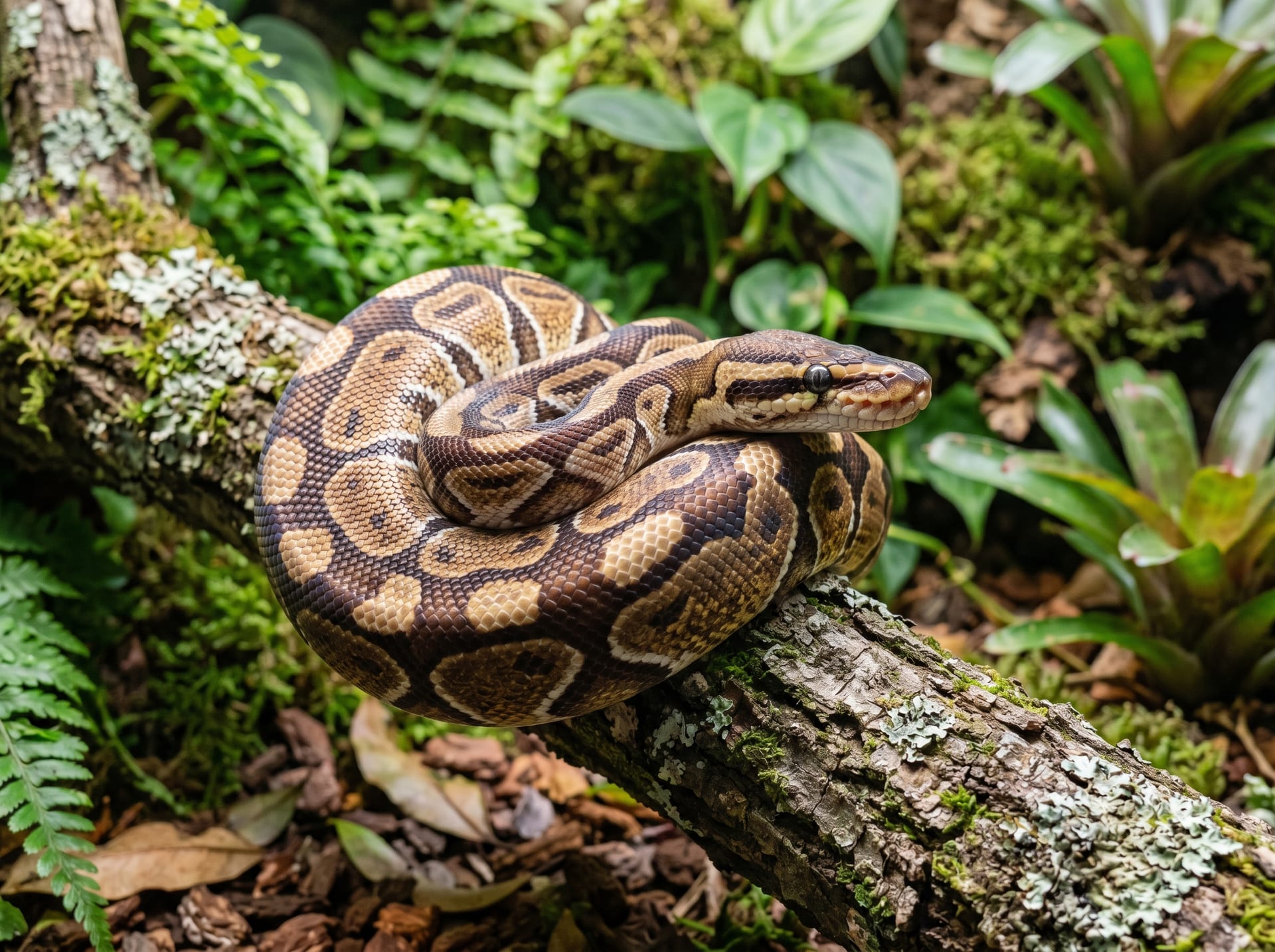
Maintain cooling period: The appropriate duration varies by species, but leopard geckos typically need 8 weeks and ball pythons 6-10 weeks. During this time, check on the animal once weekly and observe for rapid weight loss.
Warming back up: When ending cooling, avoid sudden temperature increases. Take the same amount of time to return to normal temperature as you did to lower it. Resume feeding 2-3 days after warming, and confirm the animal is eating well before proceeding to pairing.
Tip: Keep water available even during cooling. Water hydration is essential even in the cold period.
---
Pairing — Compatibility and Observation are Key
After warming, placing males and females in the same enclosure is called "pairing." Simply housing them together is insufficient; timing and observation determine success rate.
Don't Miss the Signs of Female Receptivity
Pairing should be approached with the female taking the lead. Proceed with pairing when you confirm the following signs:
Temporary decrease in appetite
Increased activity (roaming around the enclosure)
Slight abdominal swelling (follicle development)
Pairing Precautions
Start with short sessions: Initially observe for 15-30 minutes to confirm there are no aggressive behaviors
Separate immediately if the male is aggressive: Bites to the female are common and wounds can develop into serious infections
Multiple matings increase fertilization rate: Rather than one pairing session, conducting 3-5 sessions a few days apart increases fertilization success
Manage the female separately after pairing: Keep the female away from the male during pregnancy to avoid unnecessary stress
---
Egg Management — Basics of Incubation
Once eggs are confirmed, move them promptly to an incubator. The cardinal rule is to keep eggs in the orientation they were laid. Changing orientation risks suffocating the embryo.
Substrate and Humidity Settings
Vermiculite is the most widely used substrate for incubation. Mix water and vermiculite at a weight ratio of 1:1, and set it up so eggs are about half-buried. Target humidity is 70-90%, but be careful not to let eggs get wet from water droplets.
Temperature Settings and Sex Determination
Many reptiles exhibit temperature-dependent sex determination (TSD), meaning sex is determined by the incubation temperature.
Temperature Range
Tendency (Leopard Gecko Example)
26-28°C
Higher female ratio
29-31°C
Mixed male and female
32-34°C
Higher male ratio (high temperature caution)
Adjusting temperature settings based on production goals is one of the joys of being a breeder. Note that excessively high temperatures (35°C or above) can cause hatching failure.
---
Post-Hatching Care — Raising Hatchlings
Hatchlings immediately after hatching are extremely delicate. Management during the first week greatly influences subsequent growth.
From Hatching to First Feeding
Do not feed immediately after hatching; wait for the first shed (2-4 days after hatching). Before shedding, yolk reserves remain, and the hatchling has no appetite
After the first shed, offer appropriately-sized food such as small crickets or pinky mice
Provide small amounts of water immediately after hatching
Importance of Individual Management
Hatchlings must always be managed individually in small containers. Housing multiple together causes cannibalism, and strong individuals monopolize food, creating growth disparities among weaker ones. Start with a shoebox-sized plastic container with moisture-retaining substrate (kitchen paper, akadama soil, etc.) and keep the environment simple.
---
Summary
Successful reptile breeding requires five key steps: ① selecting healthy parent individuals, ② precise cooling, ③ pairing at the right moment, ④ proper incubation, and ⑤ careful hatchling rearing. Particularly with cooling, the key to success is taking time without rushing.
As a breeder selling offspring, providing proper care information to buyers is also part of your responsibility. Br-Choku offers a platform where breeders can sell their own-bred individuals directly, with support systems in place to ensure transaction safety. Start listing and purchasing from the reptiles category and take your first step as a trustworthy breeder.
![[Pro Tips] Reptile Breeding Promotion Techniques | From Cooling to Hatching](https://img.br-choku.com/column-images/fire-belly-newt-salamander-care-guide/hero-1778612240122.jpg)