Complete Guide to Caring for Japanese Rhinoceros Beetles | Collecting, Care, Breeding, Larva Management and More
A complete guide to collecting, care environment, breeding setup, larva management, and emergence of the Japanese Rhinoceros Beetle (one of Japan's most familiar stag beetles), practical for beginners. Also explains the differences between large-toothed and medium/small-toothed morphs.
Key Takeaways
A complete guide to collecting, care environment, breeding setup, larva management, and emergence of the Japanese Rhinoceros Beetle (one of Japan's most familiar stag beetles), practical for beginners. Also explains the differences between large-toothed and medium/small-toothed morphs.
What is the Japanese Rhinoceros Beetle?
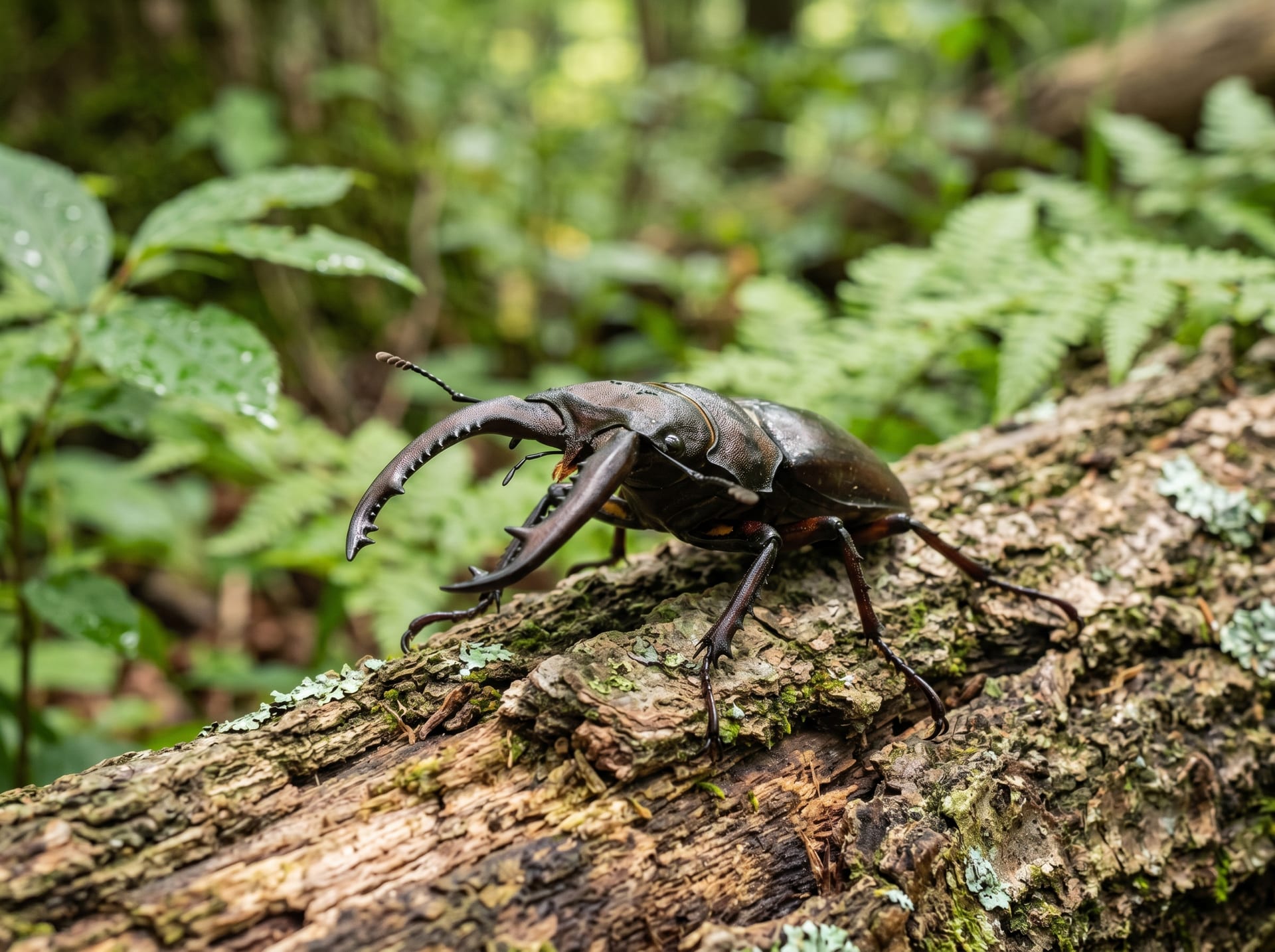
The Japanese Rhinoceros Beetle (scientific name: Prosopocoilus inclinatus) is a typical stag beetle widely distributed throughout Japan. Its name comes from the fact that its large mandibles curve in a saw-like manner.
✍️
BreederDirect Editorial
The BreederDirect editorial team specializes in care information for animals, covering veterinary care and breeding to deliver beginner-friendly guides.
Find Insects on BreederDirect
Buy directly from verified breeders
Browse Related Listings
Find Insects listings related to this article on BreederDirect. Buy directly from verified breeders.
Basic Information:
- Body length: Males 25–75 mm (highly variable), Females 25–40 mm
- Activity period: June–August (adult stage)
- Lifespan (adult): 3–5 months (does not overwinter)
- Habitat: Widely distributed from Hokkaido to Kyushu and remote islands
In males, the shape of the large mandibles varies with body size: large individuals develop the curved "major morph (buffalo-horn type)," while medium and small individuals develop the "middle-toothed and small-toothed types." The variation in these morphs is one of the joys of keeping and collecting these beetles.
---
Collection Methods
Collection Season and Location
The peak activity period for adults is late June through mid-August. They gather at sap flows in mixed deciduous forests (Japanese oak, Cerris oak, Jolcham oak).
Collection Tips:
- Most active 1–2 hours after sunset (nocturnal)
- Often found in rotting wood and fallen logs
- Check old sap wounds with a flashlight
Collection Precautions
Collecting on private property or in national parks without permission is prohibited
In areas where populations are declining, avoid overcollecting
Return them to a care container immediately after collection
---
Care Environment
Container and Substrate
Item
Recommendation
Container Size
1 male: Medium or larger fruit fly-proof container
Risk of mortality increases below 10°C (does not overwinter)
Feeding
Insect jelly (16g and up) is the standard food. High-protein, high-calorie jelly is effective for maintaining condition before breeding. Replace every 2–3 days. Remove leftover jelly to prevent mold growth.
---
Breeding Setup
Breeding Setup Characteristics
Japanese Rhinoceros Beetles lay eggs in both wood (wood-spawning) and substrate (substrate-spawning). The tendency toward substrate-spawning is particularly strong, and they often breed simply by laying a deep bed of fermented substrate.
Setup Method (Substrate-spawning Focused)
Prepare a breeding container (large fruit fly-proof container)
Pack fully-fermented substrate firmly to a depth of 10–15 cm (pressing firmly)
Bury one piece of (softish) breeding wood in the substrate
Lay a thin layer of substrate on the surface
Place jelly and perches, then introduce a pair (or female alone)
Key Points
Post-feed the female (begin feeding on jelly) before breeding (they will not breed before post-feeding)
Confirm breeding 2–3 weeks after setup (white eggs or larvae may be visible from the container bottom)
Keep pairs together for only 3–5 days, then house the female alone during breeding (males interfere)
---
Larva Management
Egg and First-Instar Management
Keep eggs in the substrate without removing them. Similarly, after hatching (first-instar larvae), transfer directly to a larva bottle.
Bottle Size
Larval Stage
500ml Bottle
First to Second Instar
1,000ml or Larger
Second to Final Instar
Substrate Selection
Substrate Type
Characteristics
Fermented Substrate
Inexpensive, promotes large size (ideal for Japanese Rhinoceros Beetles)
Fungal Medium
Better for Large and Flat stag beetles; Japanese Rhinoceros Beetles prone to diarrhea
Fermented substrate is most stable for Japanese Rhinoceros Beetle larvae. Fungal medium can be effective for promoting size, but carries the risk of refusing food; substrate is recommended for beginners.
Larval Growth Cycle
Stage
Duration
Egg (until hatching)
2–3 weeks
First-Instar Larva
2–3 weeks
Second-Instar Larva
1–2 months
Final-Instar Larva
3–5 months
Pupa
3–4 weeks
Emergence to Post-feeding
1–3 months
Total development takes 1–1.5 years to emergence.
---
Pupa and Emergence Management
When final-instar larvae burrow into the soil and become still, it is a sign they are constructing a pupal chamber (soil cocoon). Do not change substrate at this time. Wait quietly without excavating.
Do not touch the container for 2–3 weeks after emergence (until body color has hardened). Emergence is successful when the body turns black and activity increases.
---
Summary
Japanese Rhinoceros Beetles are easy to collect and relatively easy to keep and breed, making them ideal beginner stag beetles. By mastering three key points—confirming post-feeding, setting up substrate spawning, and managing larvae in fermented substrate—most keepers achieve successful breeding. Experiencing the approximately one-year cycle from collection to emergence allows you to fully enjoy the rewards of beetle keeping.