How to Create a Medaka Biotope | Step-by-Step Guide for Beginners | ブリちょく
Medaka| ✍️ BreederDirect Editorial
How to Create a Medaka Biotope | Step-by-Step Guide for Beginners
How to start a medaka biotope in your home garden or balcony. From container selection, substrate, aquatic plants, and the order of introducing organisms, this step-by-step guide explains everything in an easy-to-understand way for beginners.
Key Takeaways
How to start a medaka biotope in your home garden or balcony. From container selection, substrate, aquatic plants, and the order of introducing organisms, this step-by-step guide explains everything in an easy-to-understand way for beginners.
What is a Medaka Biotope? Its Appeal and Basic Concepts
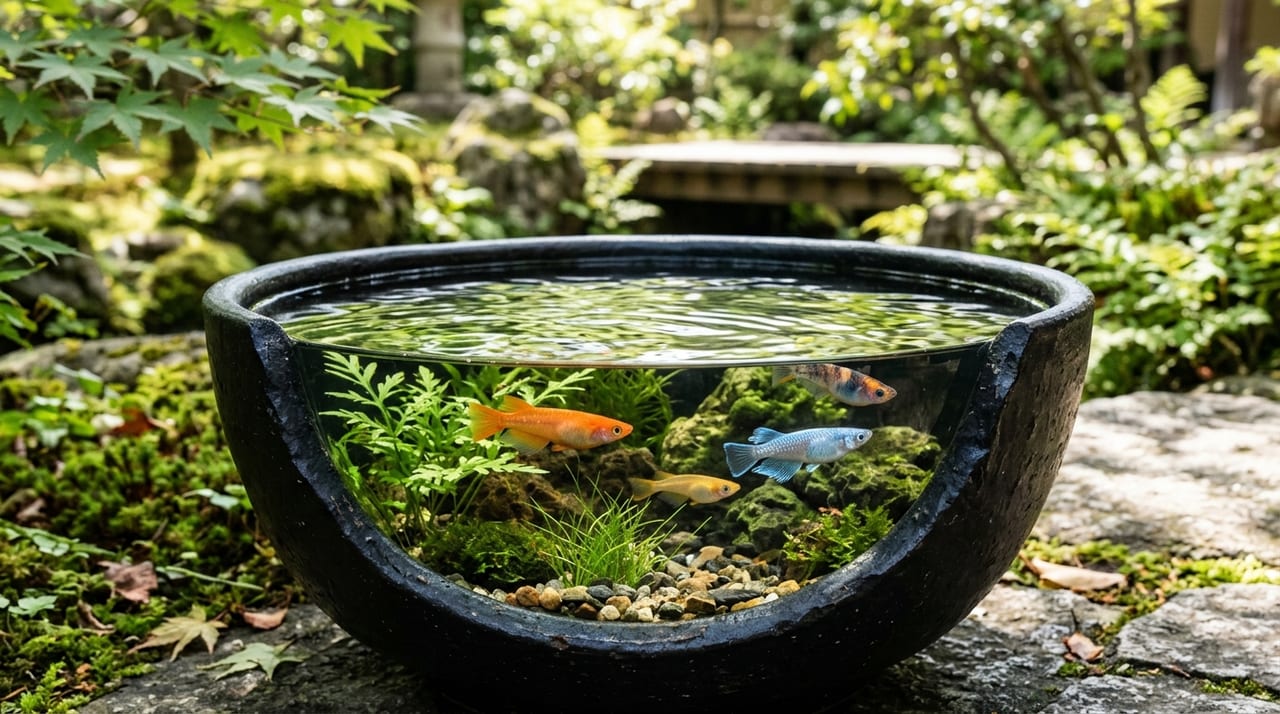
A biotope is a word combining the Greek words "bios" (life) and "topos" (place), referring to an environment that recreates a natural ecosystem in a small space. In medaka breeding, a biotope combines aquatic plants, snails, and small shrimp to create a "low-maintenance breeding environment" that harnesses the natural purification cycle of nature.
✍️
BreederDirect Editorial
The BreederDirect editorial team specializes in care information for animals, covering veterinary care and breeding to deliver beginner-friendly guides.
Find Medaka on BreederDirect
Buy directly from verified breeders
Browse Related Listings
Find Medaka listings related to this article on BreederDirect. Buy directly from verified breeders.
The greatest appeal of a biotope is that no filter or power is required. Aquatic plants provide oxygen through photosynthesis, snails and shrimp decompose leftover food and algae, and plants absorb harmful substances—because this cycle functions autonomously, you can dramatically reduce how often you need to change the water. Moreover, the joy of being able to observe medaka swimming, spawning, and watching fry grow up close is truly special. The experience of feeling seasonal changes—spring spawning season, summer plant growth, autumn tranquility, and winter dormancy—in your garden or balcony is a unique charm of biotopes.
---
List of Things You'll Need
Before starting your biotope, gather all the necessary items. I'll also explain selection tips.
Container
We recommend containers with a capacity of 60 liters or more, such as lotus pots, plastic trays (toro boats), or styrofoam boxes. The larger the capacity, the more stable the water quality and the less affected by temperature changes. Styrofoam boxes are easy for beginners to handle due to their low price and good insulation; if you want to pursue this more seriously, a beautiful lotus pot is recommended.
Substrate
Red clay balls (small granules) are the standard choice. They're inexpensive and easy to obtain, and because bacteria easily establish on them, they help stabilize water quality. Spread them evenly to a depth of about 3-5 cm.
Aquatic Plants
Combining multiple aquatic plants creates a more natural environment.
- Anacharis and Water Sprite: Plant in the substrate or let them float. They grow quickly and have high oxygen-supplying capacity
- Water Hyacinth: Simply float on the water surface. The roots also serve as a spawning bed for medaka
- Water Clover and Mini Umbrella Plant: Recommended if you want to enhance the aesthetic appearance
Medaka
The basic guideline is one fish per liter of water. For a 60-liter container, 10-20 fish is appropriate. Adding too many at first can cause water quality to deteriorate, so start with fewer and gradually add more as you monitor the conditions.
Other Organisms
Japanese Trapdoor Snail: An excellent maintenance organism that eats algae and filters the water
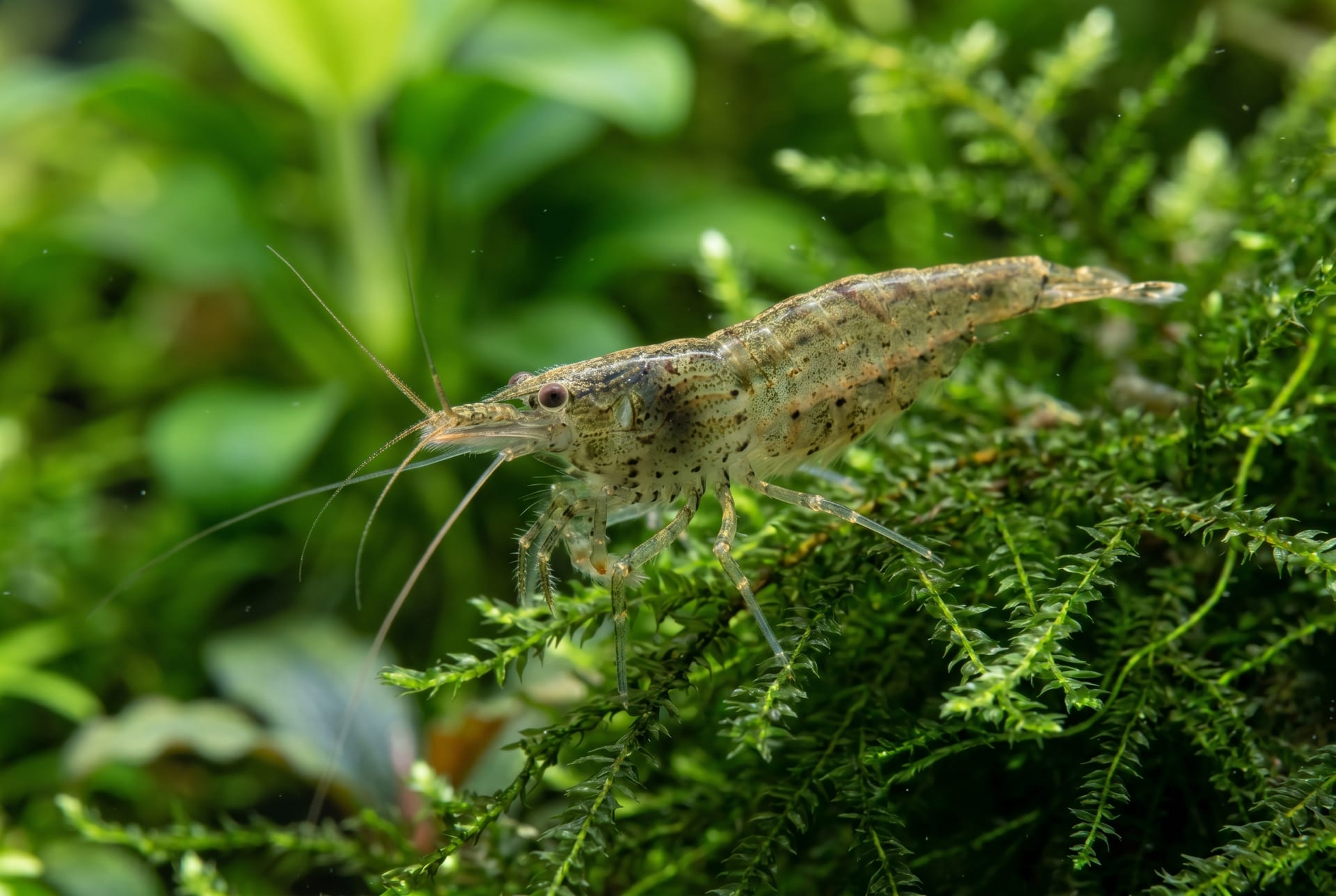
Amano Shrimp: Decomposes leftover food and dead aquatic plants
---
Step-by-Step Instructions
Step 1: Decide on the Container's Location
Choose a location with good sunlight. Ideally, it's a partial shade environment where it receives a few hours of sunlight in the morning and avoids strong direct afternoon sun. Since elevated water temperature in summer can be fatal for medaka, shading with a shade net or bamboo screen in midsummer is also necessary.
Step 2: Lay the Substrate and Fill with Water
Spread the red clay balls evenly to a depth of 3-5 cm across the entire container. Next, slowly pour water that has had chlorine removed. If you pour water vigorously, the substrate will become disturbed, so you can lay a plastic bag on top of the substrate and pour over it for a cleaner finish. You can remove chlorine using a commercial dechlorinator or by leaving tap water in direct sunlight for 24-48 hours.
Step 3: Introduce Aquatic Plants and Wait One Week
Lightly insert Anacharis or Water Sprite into the substrate or let them float on the water surface. Simply place Water Hyacinth on the surface as is. Leave it in this state for about one week, allowing the plants to acclimate while waiting for bacteria to establish.
Step 4: Introduce Japanese Trapdoor Snails First
Rather than adding medaka immediately, first introduce 2-3 Japanese Trapdoor Snails. They are relatively resistant to water quality changes and serve as pilot organisms to confirm environmental safety. If there are no problems after 1-2 weeks, it's time to introduce the medaka.
Step 5: Acclimate and Introduce Medaka
If you place purchased medaka directly into new water, they can become stressed from temperature and water quality shock. Float the bag on the water surface for 30 minutes to acclimate the temperature, then slowly add biotope water into the bag over 30 minutes to 1 hour to acclimate the water quality. Finally, gently transfer only the medaka to the container.
---
Daily Maintenance and Seasonal Care
Daily Care
Biotopes are basically low-maintenance, but regularly check the following points.
Feeding: Since medaka eat microorganisms and algae in the water, daily feeding is often unnecessary. If you feed them, give a small amount that can be eaten in 2-3 minutes once per day
Water Top-off: For water loss due to evaporation, simply add dechlorinated water
Aquatic Plant Trimming: Overgrown plants block sunlight and cause water quality deterioration. Thin them out about once a month
Winter Overwintering
Medaka become sluggish when water temperature drops below 10°C and enter hibernation below 5°C. For outdoor overwintering, ensure a water depth of at least 30 cm and create an environment where the water doesn't freeze all the way to the bottom even if the surface freezes. Since large amounts of fallen leaves worsen water quality, use netting or a cover for protection.
---
Summary | Enjoy Your Biotope by Welcoming Healthy Medaka from a Breeder
A biotope is a wonderful way to enjoy medaka breeding easily by harnessing the power of nature. By combining the right container, substrate, and aquatic plants and introducing organisms gradually, even beginners can create a stable environment.
If you want a more beautiful biotope, pay attention to breed selection as well. Ornamental varieties like Yōkihi, Tri-color, and Miiyuki will beautifully enhance the surface of your biotope.
At br-choku, you can directly purchase healthy medaka individuals carefully bred by medaka specialists. Many of these individuals are hardy and accustomed to outdoor breeding, and are excellent for biotopes. The ability to consult directly with breeders about breed characteristics and care methods is also very reassuring. Since you can easily ask questions like "which breeds are best for biotopes?" and "can I purchase aquatic plants together?", even beginners can start with confidence.
Enjoy enriching moments with your medaka while feeling the rhythms of nature close to home.