Complete Guide to Saltwater Fish Packing and Shipping | Practical Techniques for Breeders to Ship Safely
A comprehensive guide to packing techniques that saltwater fish breeders can use in practice. From necessary materials, oxygen filling procedures, double bagging, temperature control, shipping timing selection, to DOA compensation policy setup—a complete manual for safe delivery.
Key Takeaways
A comprehensive guide to packing techniques that saltwater fish breeders can use in practice. From necessary materials, oxygen filling procedures, double bagging, temperature control, shipping timing selection, to DOA compensation policy setup—a complete manual for safe delivery.
Related Species
Introduction: Why Saltwater Fish Shipping Is Difficult
Shipping saltwater fish is significantly more challenging than shipping freshwater fish. Saltwater species are delicate in many respects—water quality fluctuations, oxygen consumption rates, and salinity concentration management—and improper packing can result in arrival mortality (DOA: Dead on Arrival). To build stable sales performance as a breeder, mastering packing and shipping techniques that ensure safe delivery is essential.
This guide systematically explains everything from selecting packing materials to choosing shipping timing that breeders can apply in practice.
Complete List of Packing Materials
Basic Set
| Material | Purpose | Recommended Specs |
|---|---|---|
| Thick plastic bags | Enclose water and fish | 0.06–0.08mm thick, self-sealing type (no zipper needed) |
| Oxygen tank | Prevent oxygen depletion | Small portable type (varies by fish species/quantity) |
| Styrofoam box | Insulation and cushioning | Sealable, thick type (20–30mm) |
| Cardboard box | External protection | Size that fits the styrofoam box snugly |
| Heat pads / Cooling packs | Temperature maintenance | Select based on season and transport time |
| Rubber bands / Tape | Seal bags | 2–3 layers of rubber bands for security |
Optional Materials for Extra Safety
- Methylene blue (small amount added for sterilization and reduced oxygen consumption)
- MS-222 (tricaine) and other sedatives (reduce thrashing to lower oxygen consumption)
- Plastic plates / dividers (prevent large fish from puncturing the bag)
- Oxygen absorbent sheets (water leak contingency)
Packing Procedure: For 1–Several Fish
Step 1: Fasting (24–48 hours prior)
Fast the fish starting the day before shipping. This prevents uneaten food from decaying in water and causing rapid ammonia buildup. Small fish typically require 24 hours; larger fish benefit from 48 hours.
Step 2: Appropriate Water Volume
Adjust the bag contents so that 1/3 is water and 2/3 is oxygen gas. Too much water means too little oxygen; too little water restricts fish movement and causes injury. General guidelines are as follows:
- Small fish (under 5cm): ~500mL water + ~1L oxygen
- Medium fish (5–15cm): ~1L water + ~2L oxygen
- Large fish (15cm+): ~2L water + ~4L oxygen
Step 3: Oxygen Filling
After placing the fish and water in the plastic bag, use an oxygen tank to displace the air inside the bag and fill it with pure oxygen.
- Fold the bag opening 2–3 times and gently push down to expel air
- Place the oxygen tank nozzle at the bag opening and inject oxygen
- Once the bag is inflated, quickly seal it tightly with 2–3 layers of rubber bands
Step 4: Double Bagging (Leak Insurance)
As a safeguard against potential leaks, place the inner bag into an outer bag to create a double layer. Placing 1–2 sheets of newspaper between the inner and outer bags provides both shock absorption and insulation.
Step 5: Selecting Temperature Control Materials
| Season / Temperature | Action |
|---|---|
| Summer (25°C+) | Cooling packs (place in styrofoam, not in direct contact with bag) |
| Winter (15°C or below) | Heat pads (place in styrofoam, not in direct contact with bag) |
| Spring / Autumn (15–25°C) | Basically unnecessary (use if transport takes over 6 hours) |
Notes for Multiple-Fish Packing
When placing multiple fish in one bag, follow these rules:
- Territorial species (some angelfish and gobies) must always use separate bags
- Never mix large and small fish (risk of small fish being eaten under stress)
- Separate by species (reduces disease cross-contamination risk)
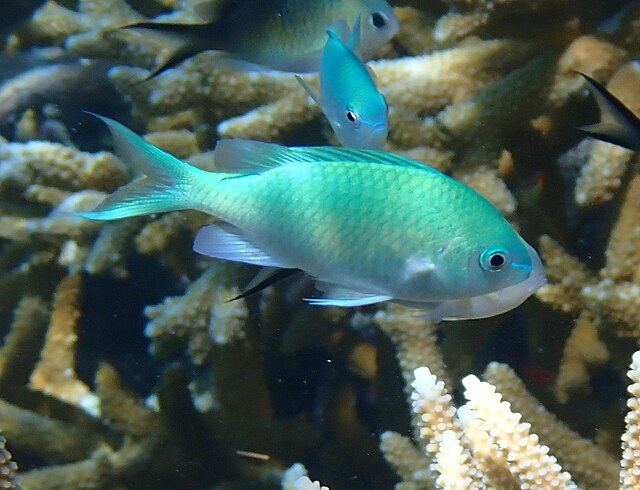
- Small fish of the same species and size (such as chromis damselfish) can fit 5–10 per bag
Choosing the Right Shipping Timing
Shipping Day Guidelines
- Monday–Tuesday shipping is safest (next-day delivery arrives Wednesday → avoids weekend transit)
- Avoid shipping Friday or later (weekend transit extends delivery to 48+ hours)
- Recommend morning delivery guarantee (Yamato 60-size, Sagawa Eco delivery, etc.)
Check Weather and Temperature Forecasts
Always check the temperature forecast for both shipping and delivery dates.
- Summer (June–September): For regions where daytime temperatures exceed 32°C, use morning delivery guarantee and extra cooling packs
- Winter (December–February): Use 2 heat pads if minimum temperature falls below 5°C
Prior Contact with Recipient
Professional practice requires contacting the recipient the day before shipping: "Your order will arrive between ○ and ○ tomorrow." Re-delivery due to absence causes significant stress to fish.
Setting DOA (Mortality) Response Rules
Preventing disputes starts with clearly presenting a compensation policy upfront as the shipper.
Example of Typical DOA Response
- Open and inspect within 30 minutes of arrival
- If fish are DOA, photograph the sealed bag and note the arrival time
- Clearly state compensation options (replacement, refund, partial compensation) in listing details
Ensure recipients understand the correct opening procedure (photographing before acclimation) by including instructions with the shipment or sending a pre-shipment message.
Common Mistakes and Solutions
| Mistake | Cause | Solution |
|---|---|---|
| Bag is deflated upon arrival | Insufficient oxygen | Increase oxygen fill to 2/3 of bag volume |
| Fish weak from ammonia | Inadequate fasting | Enforce fasting 48 hours before shipping |
| Fish injured / bruised | Thrashing inside bag | Use sedatives for large fish; switch to thicker bags |
| Summer heat death | Insufficient cooling packs / delivery delay | Increase cooling packs, use morning delivery, avoid Friday shipping |
| Winter freeze death | Insufficient heat pads | Use 2+ heat pads; upgrade to thicker styrofoam |
Summary
Safe saltwater fish shipping requires both packing technique and proper shipping timing. Ensure the four essentials—fasting, oxygen filling, double bagging, and temperature control—are executed correctly, and don't forget to contact the recipient beforehand and clearly state your DOA compensation policy. Reliable shipping performance directly leads to repeat customers and positive reviews. Start with short-distance and small quantities to build experience, then gradually scale to longer distances and larger shipments.