When keeping lizards or geckos, you may encounter moments when the tail detaches on its own—a phenomenon called "autotomy." While it can be shocking to witness for the first time, this is a defense mechanism that many lizard species possess. However, autotomy places considerable physical stress on the individual. Understanding the mechanism correctly and taking care to prevent it from happening is important. This article provides detailed explanations of the biological mechanisms behind autotomy, which species are prone to it and which resist it, prevention tips, emergency care after autotomy, and the characteristics of regenerated tails along with their nutritional management.
How Tail Autotomy Works
Autotomy is a survival strategy: when a predator grabs the tail, the lizard actively severs it to allow the body to escape. The severed tail continues to twitch for a while, drawing the predator's attention. The main body escapes in that brief moment—a highly evolved defensive response.
The break does not occur at random locations. Many lizard species have pre-formed fracture planes (called "breaking points") at regular intervals along the vertebral column. The muscles, blood vessels, and nerves are structured in a way that naturally separates along these fracture planes. When autotomy is triggered, the surrounding muscles rapidly contract to compress blood vessels and minimize bleeding. This design ensures that losing the tail does not lead to fatal blood loss.
In other words, autotomy is not an accidental tearing away, but rather a precise defensive response in which the nervous and muscular systems work together to deliberately sever the tail. This is why, given sufficient triggers such as intense stress or fear, it occurs relatively easily.
Species Differences — Those That Regenerate and Those That Don't
Autotomy capability and regenerative ability vary greatly by species. Common captive species are summarized below.
| Species | Susceptibility to Autotomy | Regeneration |
|---|
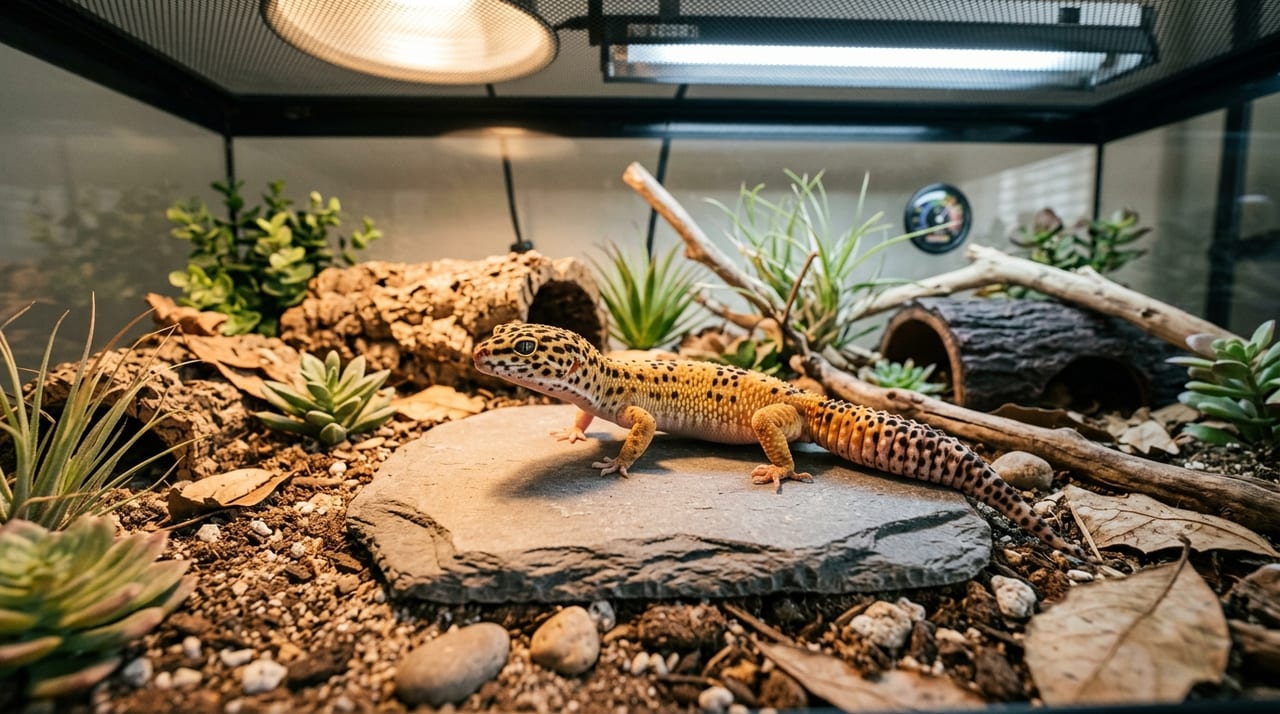
| Leopard Gecko (Leo) | High | Yes |
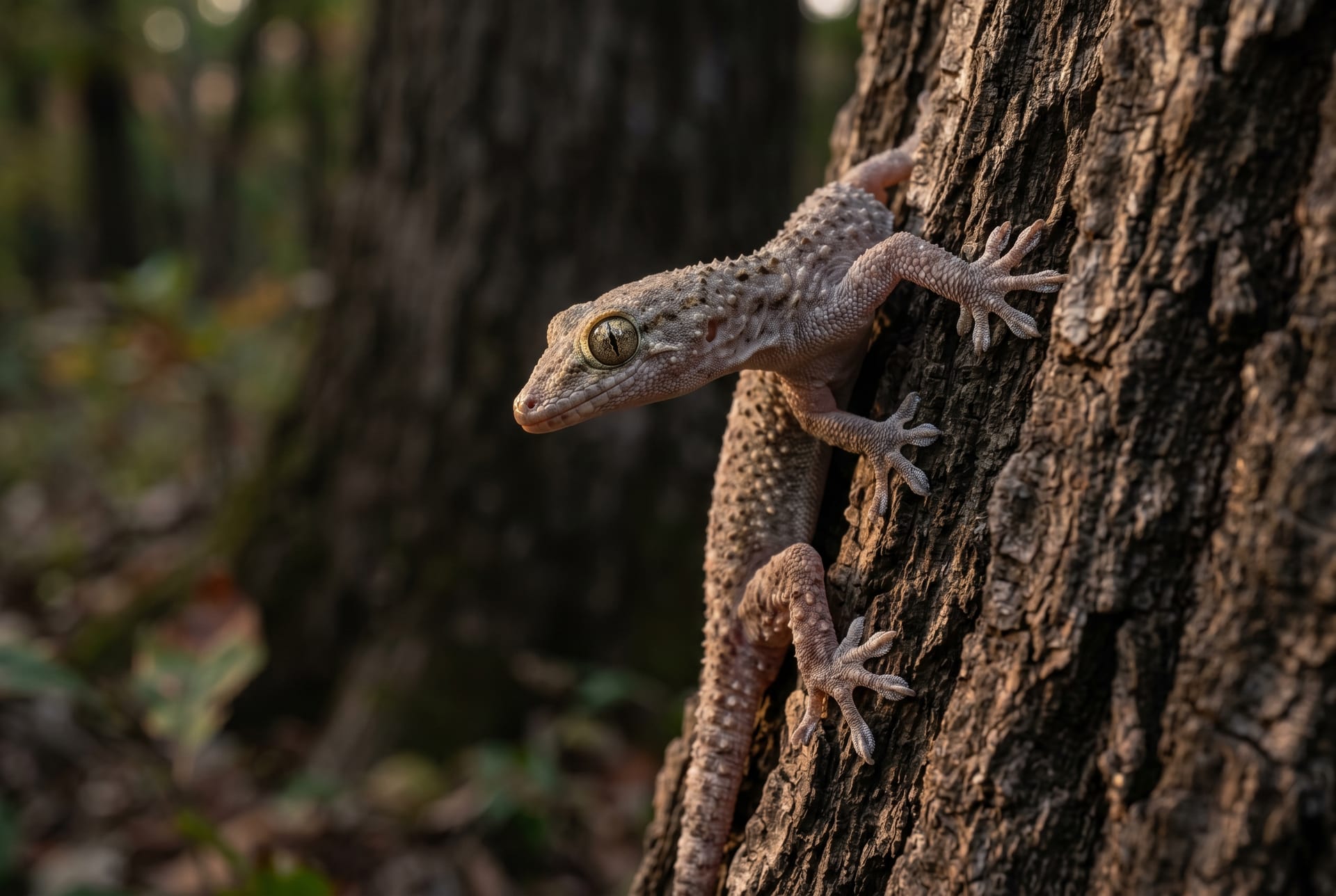
| Japanese House Gecko | High | Yes |
| Japanese Grass Lizard | High | Yes |
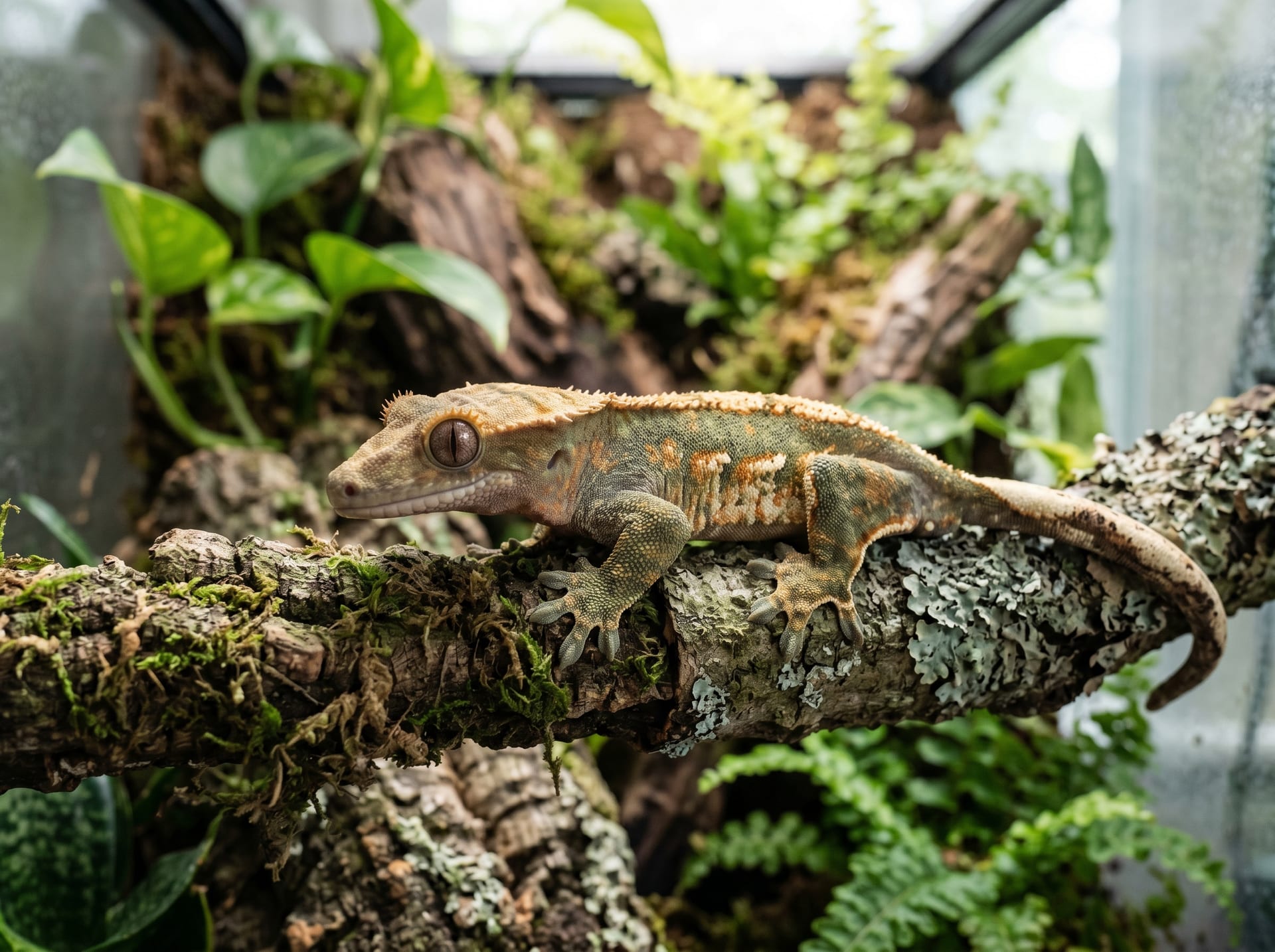
| Crested Gecko | Yes | No |
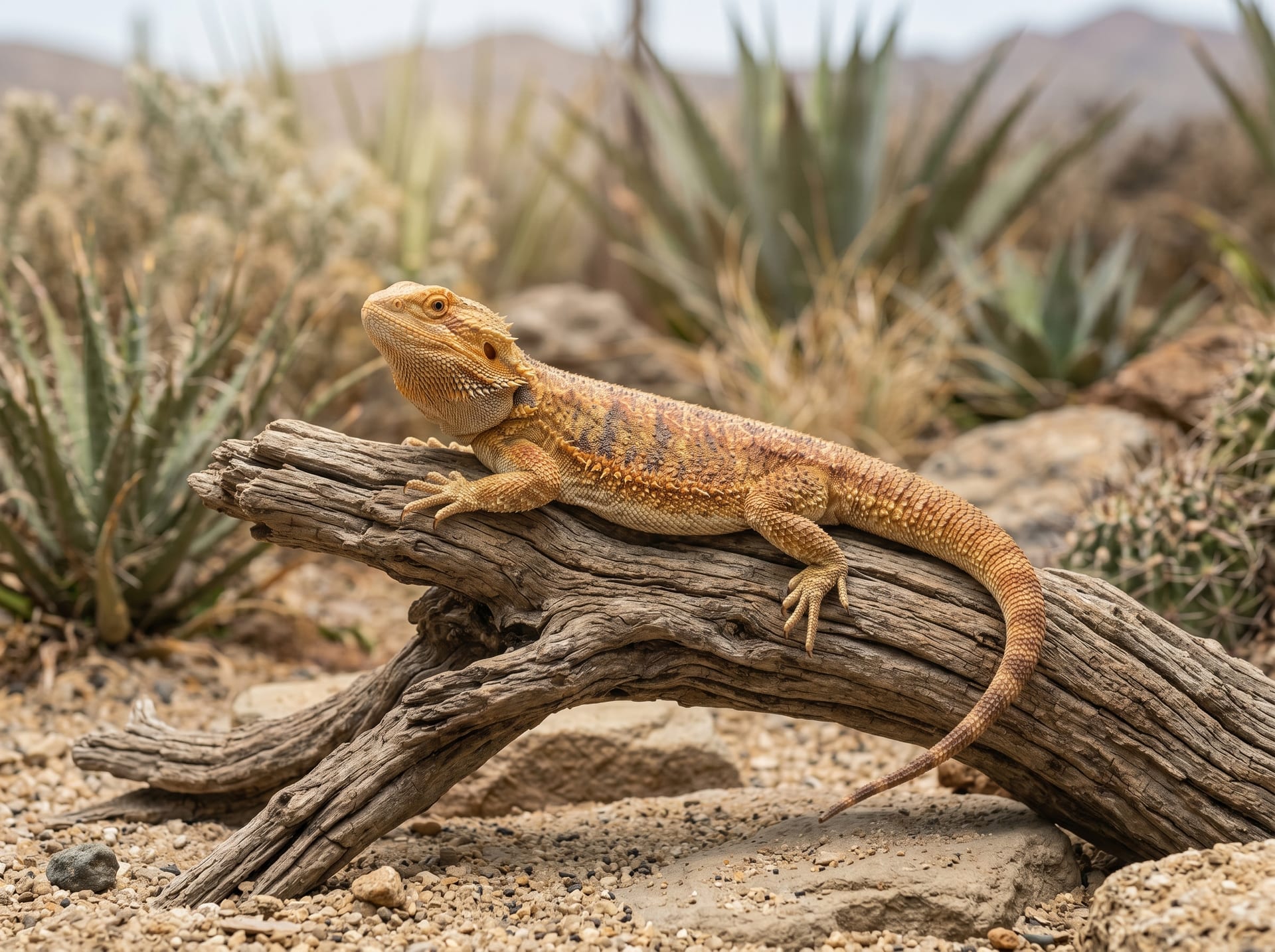
| Bearded Dragon | Low | Yes (rare) |
Special caution is needed with Crested Geckos. Once autotomy occurs, the tail will never regrow. For this arboreal species, the tail serves as a balance aid, so losing it has impacts beyond appearance. Unlike with Leopard Geckos, the attitude of "it will regrow so it's fine" is dangerous; with Crested Geckos, preventing autotomy from occurring is an absolute priority.
Bearded Dragons defend themselves through size and intimidation displays, so their tail-based defense strategy is less developed, making autotomy relatively rare in captivity. However, "unlikely" does not mean "never," so avoid rough handling.
Situations Where Autotomy Is Likely and Prevention Tips
In captivity, most autotomy is triggered by human carelessness or stress. The major causes and prevention strategies are summarized below.
- Handling by the tail: Grabbing the tail when picking up a lizard or gecko is the highest-risk behavior. Always support the body from underneath with your palm, and never touch the tail.
- Sudden approach from above: Rapidly extending your hand from above mimics the sensation of a predator coming from the sky, easily triggering panic. The basic approach is to enter the cage slowly and from the side.
- Issues with cohabiting animals: In multi-animal setups, chasing and biting can occur, and being bitten on the tail can trigger autotomy. Avoid housing animals with obvious size differences or incompatible temperaments.
- Sudden vibrations or noise: Loud sounds and vibrations can be misinterpreted as predator approach, triggering defensive reactions. Avoid actions such as striking the cage or using a vacuum cleaner nearby.
- Cornering escaped animals: If an individual that has escaped the cage is cornered against a wall or in a tight space, extreme fear may trigger autotomy. Rather than chasing, gently catch it by softly enclosing it with a cup or container.
Prevention comes down to three key points: "don't startle them, don't touch the tail, and don't chase forcefully." A calm environment and consistent gentle handling greatly reduce the risk of autotomy.
Emergency Care After Autotomy and When to Seek Veterinary Attention
Even if autotomy does occur, in most cases it will heal naturally with proper environmental management.
The first step is to clean the enclosure. The break point is an open wound, and preventing bacterial infection is the top priority. If you are using sandy substrate, temporarily switch to a clean, easily replaceable material such as paper towel. This prevents foreign material from contaminating the wound and makes observation easier.
There is no need to forcefully disinfect the wound or touch it with your fingers. The basic response is to keep the animal at rest and continue observing. Normally, the break point dries and scabs over within a few days, gradually closing. Once appetite returns, ensure proper nutritional supplementation.
However, if you notice any of the following signs, consider taking the animal to a veterinary clinic that treats reptiles.
- Bleeding from the break point does not stop after a long time
- The affected area is swollen, suppurating, or has a foul odor
- The wound does not dry and remains moist
- Appetite loss or lethargy persists for several days or more
- The animal appears to be weakening overall
These are signs that suggest infection or complications. Rather than waiting and watching, consulting a professional promptly is the best way to prevent things from getting worse.
Characteristics of Regenerated Tails and Nutritional Management
After autotomy, species with regenerative ability will grow a new tail. However, this "regenerated tail" is not identical to the original.
While the original tail has vertebrae running through it, the regenerated tail's interior is replaced with a cartilaginous rod-like structure rather than bone. Consequently, the color, pattern, and shape almost always differ from the original tail. A typical example is the Leopard Gecko's regenerated tail, which becomes squat and rounded compared to the original slender, segmented tail. This is not abnormal but is normal in the regeneration process.
Furthermore, it is said that re-autotomy is less likely to occur at the same location as the original fracture plane. Since the regenerated tail lacks the original fracture plane structure, the behavior may differ if the animal is exposed to stress again.
Regeneration requires significant nutrition. Particularly important are calcium and protein.
- Calcium: Essential for regenerating tissue formation. Apply calcium powder to food consistently.
- Vitamin D3: Essential for calcium absorption. In indoor setups without UVB lighting, supplement with D3-containing supplements.
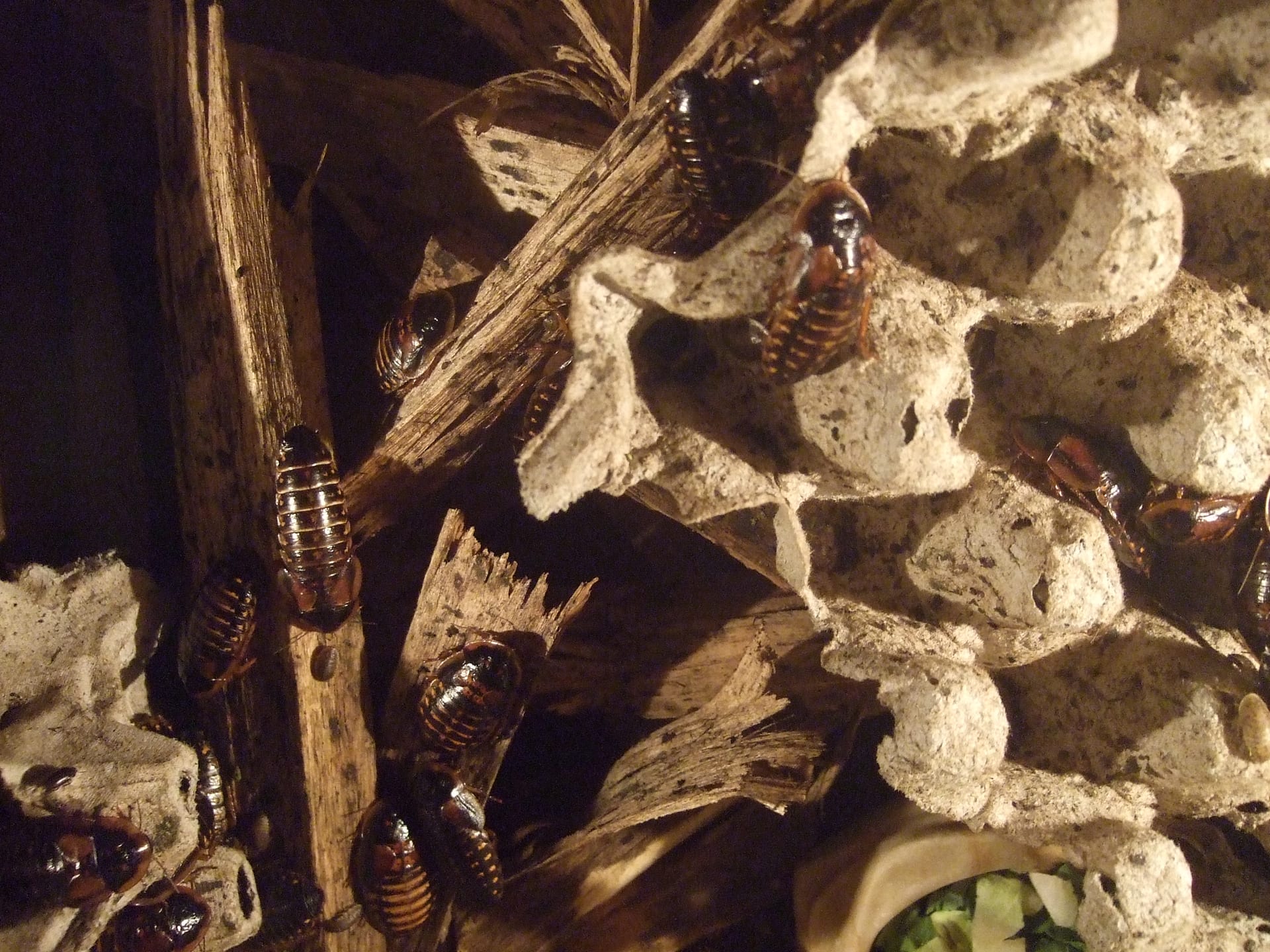
- Protein: The building material for tissues. Provide a balanced variety of nutritious live prey such as crickets, dubia roaches, and mealworms.
Deficiency not only slows regeneration but also risks other health problems such as metabolic bone disease. Be especially mindful of nutrition management in the weeks following autotomy.
Daily Care Is the Best Prevention
While autotomy is an evolutionary defense mechanism that lizards and geckos possess, triggering it in captivity carries physical costs. For species like Crested Geckos whose tails do not regenerate, a single autotomy changes their appearance for life. Even in regenerating species, the risk of infection and the energy spent on regeneration cannot be ignored.
Establishing a calm captive environment and making gentle handling a habit is the best prevention strategy. The more an individual becomes accustomed to human hands, the milder its stress response and the lower its autotomy risk. Building trust gradually and patiently leads to long-term healthy care.
On BreederDirect, you can view lizards and geckos carefully raised by breeders online. If you have any questions about species-specific characteristics or care methods, consult directly with the breeder from each listing page.