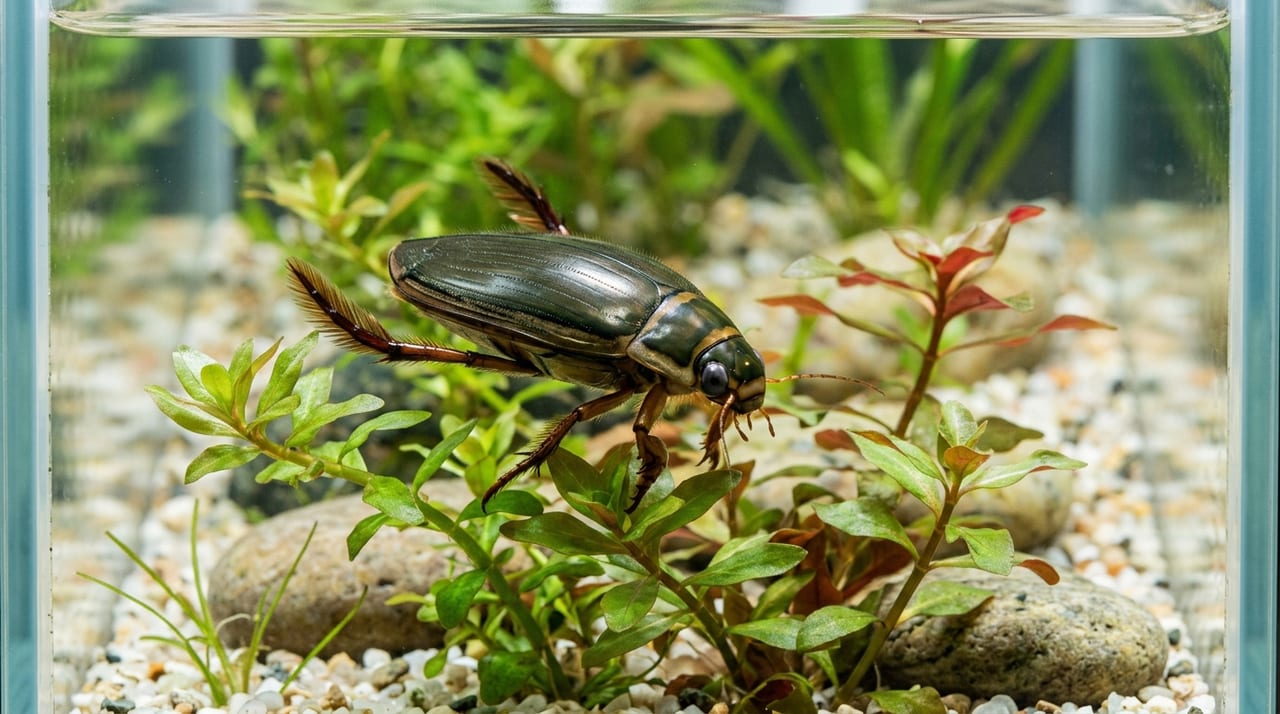
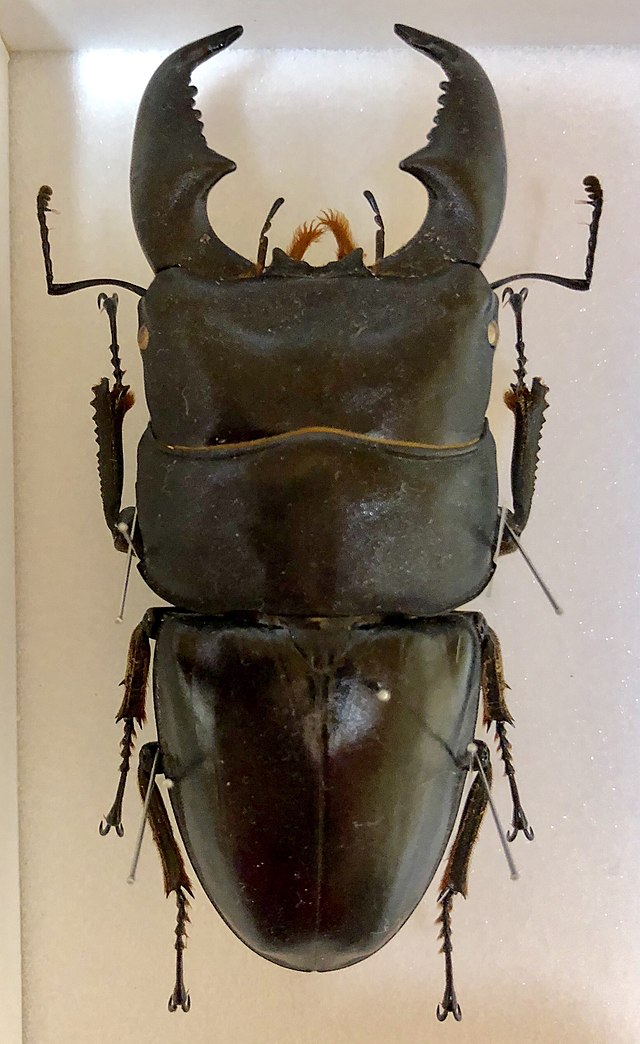
A Guide to Raising Japanese Beetles and Stag Beetles in Apartments & Condominiums | Managing Odors, Escapes & Neighbor Issues
Explains key points for raising Japanese beetles and stag beetles in apartments and condominiums. Introduces strategies for managing bedding odors, preventing insect escapes, selecting enclosures, and avoiding neighbor disputes.
Key Takeaways
Explains key points for raising Japanese beetles and stag beetles in apartments and condominiums. Introduces strategies for managing bedding odors, preventing insect escapes, selecting enclosures, and avoiding neighbor disputes.
Related Species
Is It Possible to Raise Insects in Apartments?
Japanese beetles and stag beetles can be enjoyably raised not only in single-family homes but also in apartments and condominiums. Compared to fish and reptiles, they require no aquariums or large lighting fixtures, making them well-suited to communal housing with limited installation space. However, in densely populated apartment buildings, there are precautions unlike single-family homes, such as odors, noise, insect escapes, and pet regulations.
This article explains concrete strategies for safely raising Japanese beetles and stag beetles in apartments and condominiums.
Gas release, fully fermented bedding, limit quantity, increase change frequency, replace jelly every 3-4 days
Escapes
Lid pushed open, gaps
Lock-equipped enclosures + weights, place on lower shelves
Noise (nighttime scratching sounds)
Nocturnal activity, escape attempts
Vibration-dampening mat, storage boxes, place away from bedrooms
Regulations & neighbors
Pet restrictions, large-scale breeding
Confirm with management company, keep operation small-scale
✍️
BreederDirect Editorial
The BreederDirect editorial team specializes in care information for animals, covering veterinary care and breeding to deliver beginner-friendly guides.
Find Insects on BreederDirect
Buy directly from verified breeders
Browse Related Listings
Find Insects listings related to this article on BreederDirect. Buy directly from verified breeders.
The most common problem with insect rearing in apartments is odor from fermented bedding. In particular, freshly opened bedding often has strong fermentation odors that can permeate the room.
Tips for Minimizing Mat Odor
Allow sufficient gas release: After opening, spread the bedding outdoors or in a well-ventilated area for 1-3 days to release fermentation gases before placing in the enclosure. If balcony use is difficult, utilize areas near the entrance door or in front of bathroom exhaust vents
Choose low-fermentation bedding: Fully fermented bedding (blackened, mature material) produces less odor after use begins. Unfermented bedding will continue fermenting during rearing and odor will increase, so be cautious
Don't overfill the enclosure with bedding: The more bedding in the case, the more odor. Keep the amount to the minimum necessary
Increase bedding change frequency: By changing bedding every 1-2 months instead of every 2-3 months, you can quickly remove deteriorated, odorous bedding
Jelly Odor Control
Insect jelly, the food for Japanese beetles and stag beetles, can become a source of foul odors if left uneaten. Especially in summer, deterioration is rapid, and replacing jelly every 3-4 days is ideal. Make it a habit to quickly remove leftovers and replace the jelly cup entirely.
Escape Prevention: Enclosure Selection and Placement Strategy
When insects escape, not only does it cause anxiety among neighbors, but if they are non-native species, it can become a legal issue. In apartment buildings, precautions to minimize escape risk to nearly zero are necessary.
Basic Escape Prevention
Choose enclosures with lid lock functions: Slide lock types or lids that allow weights to be placed on top are reassuring. Stag beetles are excellent escapists—particularly Japanese stag beetles and flattened stag beetles have great strength and can slip through gaps
Place a weight (books, etc.) on top of the enclosure: Mature male Japanese beetles have powerful leg strength and can push the lid open. Be cautious with lightweight lids
When managing multiple enclosures, don't place them on high shelves: In case of escape, position them on lower shelves or inside enclosed storage boxes where the insect cannot climb out on its own
Handling Non-Native Species
Non-native beetles such as Hercules beetles and Giraffa stag beetles are strictly prohibited from being released outdoors under the Invasive Species Act and Plant Protection Act. To prevent escapes into the environment, avoid placing enclosures near entrances or windows, and set up your management area in the center of the room.
Noise and Vibration Concerns
Japanese beetles and stag beetles are nocturnal and become active at night. The sound of scratching on the enclosure lid or attempting escape by clawing at walls can be audible deep into the night.
Noise Prevention
Place a sound-absorbing or vibration-dampening mat (EVA foam, etc.) under the enclosure: This suppresses vibration transmission to concrete floors
Place the enclosure inside a storage box with good sealing: Containing the rearing shelf reduces sound leakage
Select placement locations considering increased nighttime activity: Choose entrance closets or rooms away from bedrooms rather than living rooms
Confirming Pet Regulations
Most apartments have management rules that include "pet rearing restrictions." Generally, Japanese beetles and stag beetles fall outside pet regulations (rules typically target "large mammals, birds, and reptiles"), but it's reassuring to confirm with your building management or management company just in case.
Note that large-scale breeding (raising dozens to hundreds of individuals for breeding purposes) can easily cause neighbor disputes due to odor and space concerns, so consideration appropriate to your operation scale is necessary.
Summary: Smart Insect Management in Apartments
When raising Japanese beetles and stag beetles in apartments, a comfortable rearing environment can be achieved by strictly following these four points:
Minimize odor through bedding gas release and regular changes
Completely prevent escapes with lock-equipped enclosures + weights
Prevent noise troubles through vibration-dampening mats and thoughtful placement
Manage breeding scale appropriately and maintain consideration for neighbors
With small-scale rearing, you can enjoy Japanese beetles and stag beetles in apartments and condominiums without issues. While following the rules, fully savor the rewarding experience of insect breeding even in communal housing.