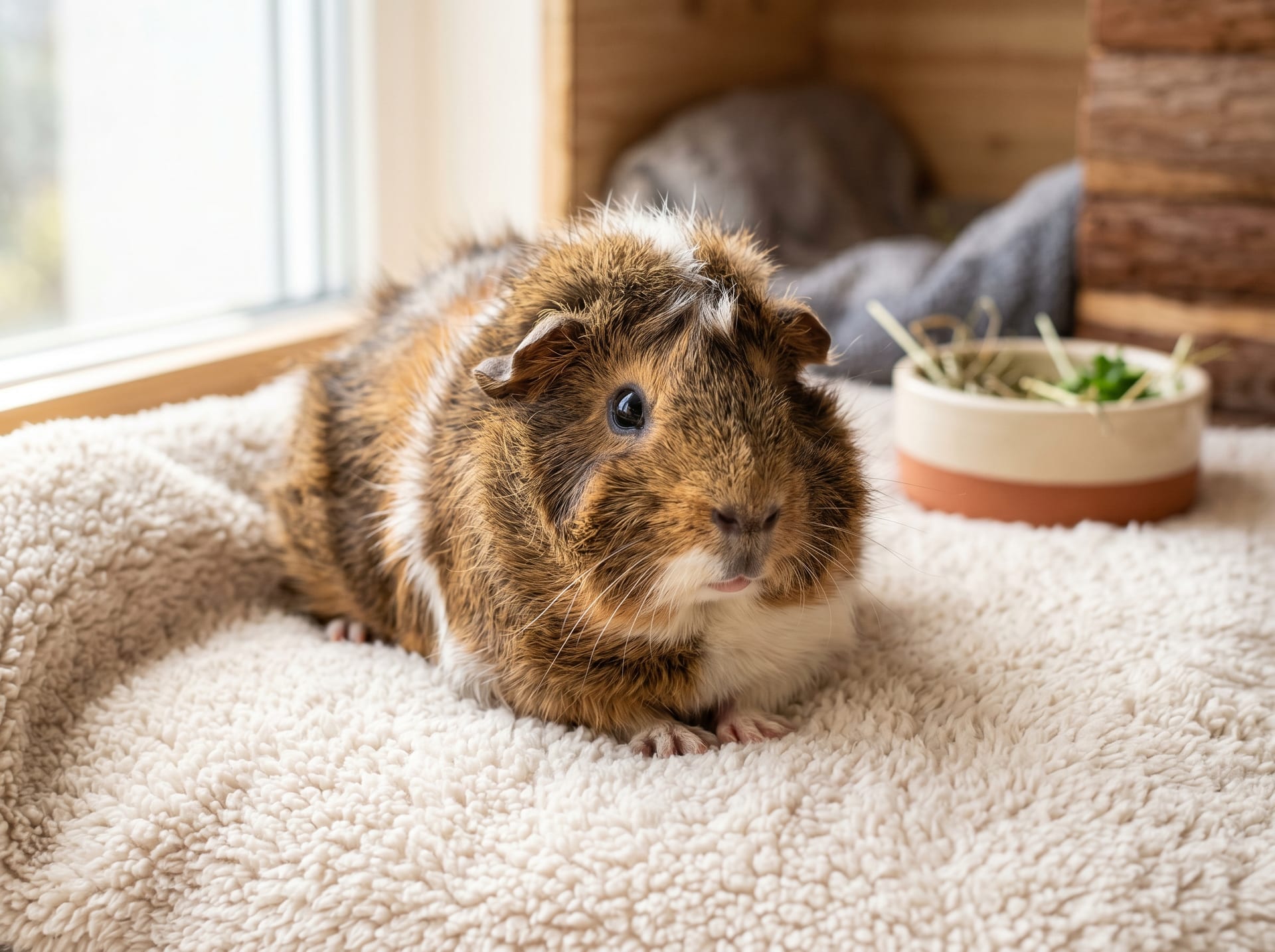
Guinea Pig Care Guide for Beginners | Personality, Diet, and Multi-Pet Housing Tips
A comprehensive care guide for guinea pigs, known for their gentle temperament and ease of care. Learn about the importance of vitamin C supplementation, the balance between hay and pellets, compatibility for multi-pet housing, and what their vocalizations mean.
Key Takeaways
A comprehensive care guide for guinea pigs, known for their gentle temperament and ease of care. Learn about the importance of vitamin C supplementation, the balance between hay and pellets, compatibility for multi-pet housing, and what their vocalizations mean.
Guinea pigs are beloved small animals worldwide, cherished for their gentle temperament and expressive faces. While they rank alongside hamsters and rabbits as classic pets, they are also considered "the easiest small animal to care for" due to their unique communication abilities and highly social nature. This article provides a comprehensive guide for first-time guinea pig owners, covering everything from basic biology to feeding management and multi-pet housing tips.
✍️
BreederDirect Editorial
The BreederDirect editorial team specializes in care information for animals, covering veterinary care and breeding to deliver beginner-friendly guides.
Find Small Animals on BreederDirect
Buy directly from verified breeders
Browse Related Listings
Find Small Animals listings related to this article on BreederDirect. Buy directly from verified breeders.
Related Tools
Related Articles
Browse by Category
🪸Coral
🐠Marine Fish
🐟Tropical Fish
🐡Goldfish
🐟Medaka
🦎Reptiles
Share
Guinea Pig Basics and Popular Breeds
First, let's review the basic profile of guinea pigs.
Body Length: 20–30 cm
Weight: 700–1,200 g
Lifespan: 5–8 years
Temperament: Calm and social. While initially shy, they become affectionate once accustomed
Activity Pattern: Diurnal (particularly active in the morning and evening)
Next, here are the popular breeds in Japan.
English (Short-haired): Short coat that is easy to maintain. Most recommended for beginners
Abyssinian: Features distinctive swirled coat patterns (rosettes) for a unique appearance
Teddy: Characterized by plush, stuffed-animal-like fur
Crested: A unique breed with rosettes only on the crown
Sheltie: Beautiful with long, smooth coat. Regular brushing required
While coat types create significant visual differences, personality is more influenced by individual variation than breed. It's reassuring to confirm personality tendencies with the breeder before purchase.
Creating a Comfortable Cage Environment
Guinea pigs have surprisingly high activity levels and prefer spacious environments. Cramped conditions can lead to stress buildup, so provide the largest cage possible.
Choosing a Cage
Minimum Size: 80×50 cm. For 2 or more, 100×60 cm or larger is ideal
Material: Wire cages are recommended for superior ventilation and ease of cleaning
Height: Choose one with a lid to prevent escape
Interior Layout
Bedding: Lay timothy hay or paper bedding generously. This reduces strain on their feet
Hideouts: Essential for safe rest. For multiple guinea pigs, provide at least one per animal
Water Bottle: Bottle-style dispensers are most hygienic. Change with fresh water daily
Hay Feeder: Install a dedicated hay rack for continuous hay replenishment
Temperature and Humidity Control
Guinea pigs are sensitive to both heat and cold.
Ideal Temperature: 18–24°C
Humidity: 40–60%
Watch for heat stroke in summer and hypothermia in winter. Avoid direct sunlight and air conditioning vents
Note that unlike hamsters, guinea pigs do not use exercise wheels. Be careful not to purchase one by mistake.
Diet Management — Vitamin C is the Key to Care
The critical aspect of guinea pig diet is vitamin C. Guinea pigs are among the rare mammals unable to synthesize vitamin C themselves, and deficiency causes scurvy (bleeding, joint swelling, loss of appetite, etc.). Vitamin C must be consciously supplemented through daily diet.
Primary Food: Timothy Hay
Timothy hay should always be available for free feeding. It's rich in fiber, promoting intestinal motility, and the tough stems help maintain proper tooth wear, preventing malocclusion. For animals under one year old, mixing in alfalfa can supplement nutrition.
Supplementary Food: Pellets
Choose pellets specifically formulated for guinea pigs (with vitamin C added)
Daily amount: approximately 5–6 g per 100 g of body weight (about 50–60 g for a 1 kg guinea pig)
Pellets oxidize easily after opening, so buy only amounts that can be consumed within 1–2 months
Vegetables for Vitamin C Supplementation
The following vegetables are particularly rich in vitamin C and recommended as daily supplements in small amounts.
Bell Peppers (red and yellow): Top-tier vitamin C content. Sweet taste with good palatability
Broccoli: Nutritionally balanced; a classic choice
Komatsuna and Bok Choy: Rich in calcium. Standard leafy greens
Parsley: Provides vitamin C even in small amounts
Daily requirement: approximately 10–30 mg per kg of body weight. If vegetables alone are insufficient, water-soluble vitamin C supplements (added to drinking water) are also an option.
Foods to Avoid
Onions, garlic, scallions, and chives (can cause hemolytic anemia)
Avocado (contains persin toxin)
Potato sprouts and raw potatoes
Excessive sweet fruits (can cause diarrhea and obesity)
Understanding Emotions and Communication Through Vocalizations
Guinea pigs have particularly diverse vocalizations among small animals and express emotions richly. Learning the meaning of their sounds makes communication much more enjoyable.
Vocalization
Meaning
Wheek (short)
Begging for food. Often made while looking at their owner
Squeak (high-pitched)
Happy or excited
Rumbling (low and slow)
Relaxed and content
Growl (low rumble)
Alert, displeased, or warning
Shriek (shrill scream)
In pain or frightened. Check the cause immediately
Chit-chit
Grooming or affection between companions
Beyond vocalizations, "popcorning"—bouncing with small body movements—is a sign of joy. Providing supervised out-of-cage floor time (called "room time") several times a week will increase this behavior.
Keys to Successful Multi-Pet Housing
Guinea pigs naturally live in groups, and those in environments with companions experience less stress and tend to live longer. Housing two or more is considered ideal.
Choosing Combinations
Recommended: Females together, or neutered males with females
Caution: Males together often fight over territory and may be incompatible
For non-breeding: Always confirm sex and consider neutering/spaying
Introduction Guidelines
When introducing a new guinea pig, establish a quarantine period (1–2 weeks) before housing together. First confirm health status to prevent introducing infections. Introductions should occur in a large neutral space; only move to the cage together after both are calm.
Multi-Pet Housing Management
Provide at least one hideout per guinea pig (fewer leads to territorial conflicts)
Place multiple food and water dishes to prevent competition during feeding
Regularly check for fighting or injuries
Summary: Making Life with Guinea Pigs More Enriching
While guinea pigs may seem demanding, they're manageable for beginners who understand the fundamentals. Three key factors determine healthy longevity: vitamin C supplementation, proper temperature management, and adequate space. By leveraging their social nature through multi-pet housing, both guinea pigs and owners can enjoy a richer experience together.
At br-choku, you can get guinea pigs directly from breeders who prioritize daily health management and socialization. Since we emphasize in-person sales, you can verify the actual personality and health status before taking your new companion home. Why not start your guinea pig journey with a trusted breeder?