What You Should Know Before Giving Live Animals or Plants as Gifts
Many people consider giving live animals or plants—such as tropical fish, corals, reptiles, and houseplants—as birthday, anniversary, or Christmas gifts. However, living creatures and plants are fundamentally different from stuffed animals or accessories. Giving a living being means also passing on the responsibility for its ongoing care.
While the giver's feelings of "it's so cute" are pure, if the recipient isn't prepared with the right living environment, knowledge, time, and finances, the animal will have a short lifespan and the plant will wither. In this article, we'll explain in detail—from a breeder direct-sales perspective—how to choose and what to consider when giving live animals or plants as gifts.
---
First, Confirm the Recipient's Lifestyle and Environment
Keeping live animals and growing plants are entirely dependent on environment. Before giving, be sure to confirm the following points:
Checking the Living Environment
Many rental properties have "no pets" policies, and fish, reptiles, and birds may be prohibited by building management rules even if not explicitly mentioned. Houseplants might seem fine at first glance, but large plants can be covered under "no animals or plants allowed" clauses.
Checking Their Daily Routine
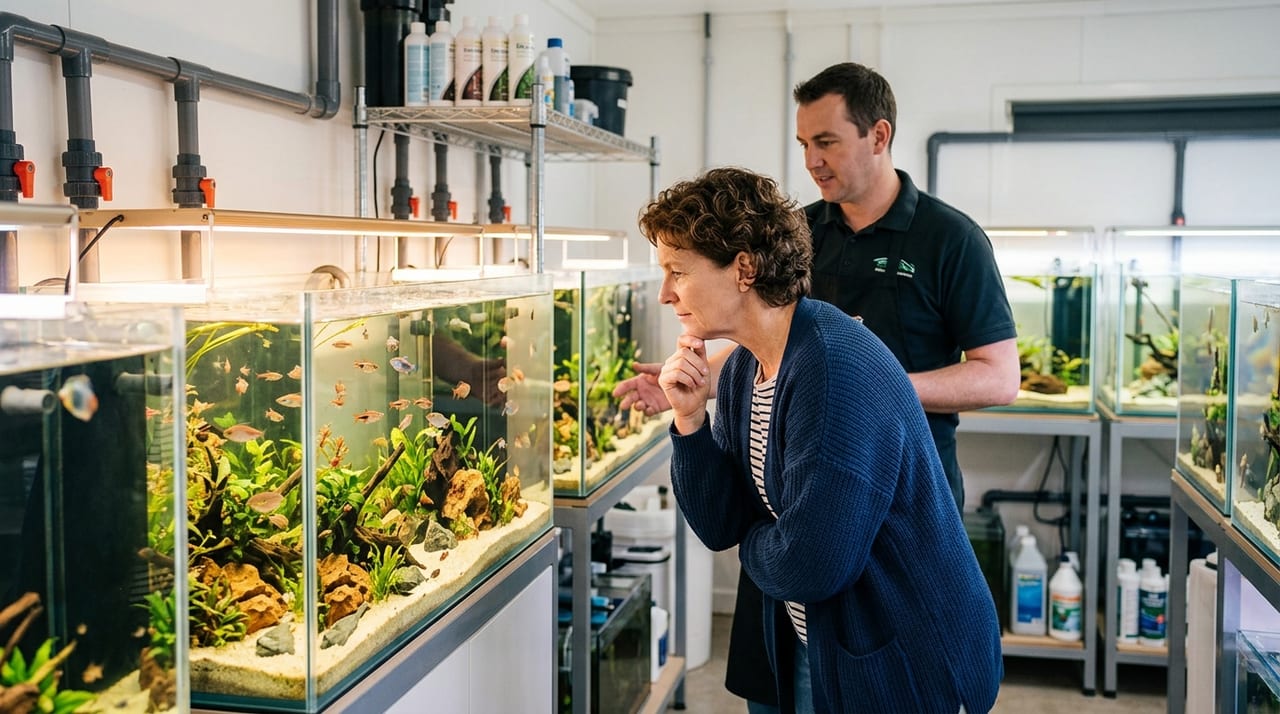
Tropical fish require daily feeding and water changes. Corals demand even more advanced water quality and lighting management. This can be a significant burden for people who travel frequently or live irregular lifestyles as single occupants.
Checking for Existing Pets
Giving small animals or fish to a home with dogs or cats creates risks of predation and excessive stress. Especially with cats, additional measures like restricting access to rooms with tanks may be necessary.
---
Recommended Live Animals and Plants for Beginners
When gifting to someone keeping animals or plants for the first time, three principles are essential: durability, simple care, and low cost.
Fish and Aquatic Life
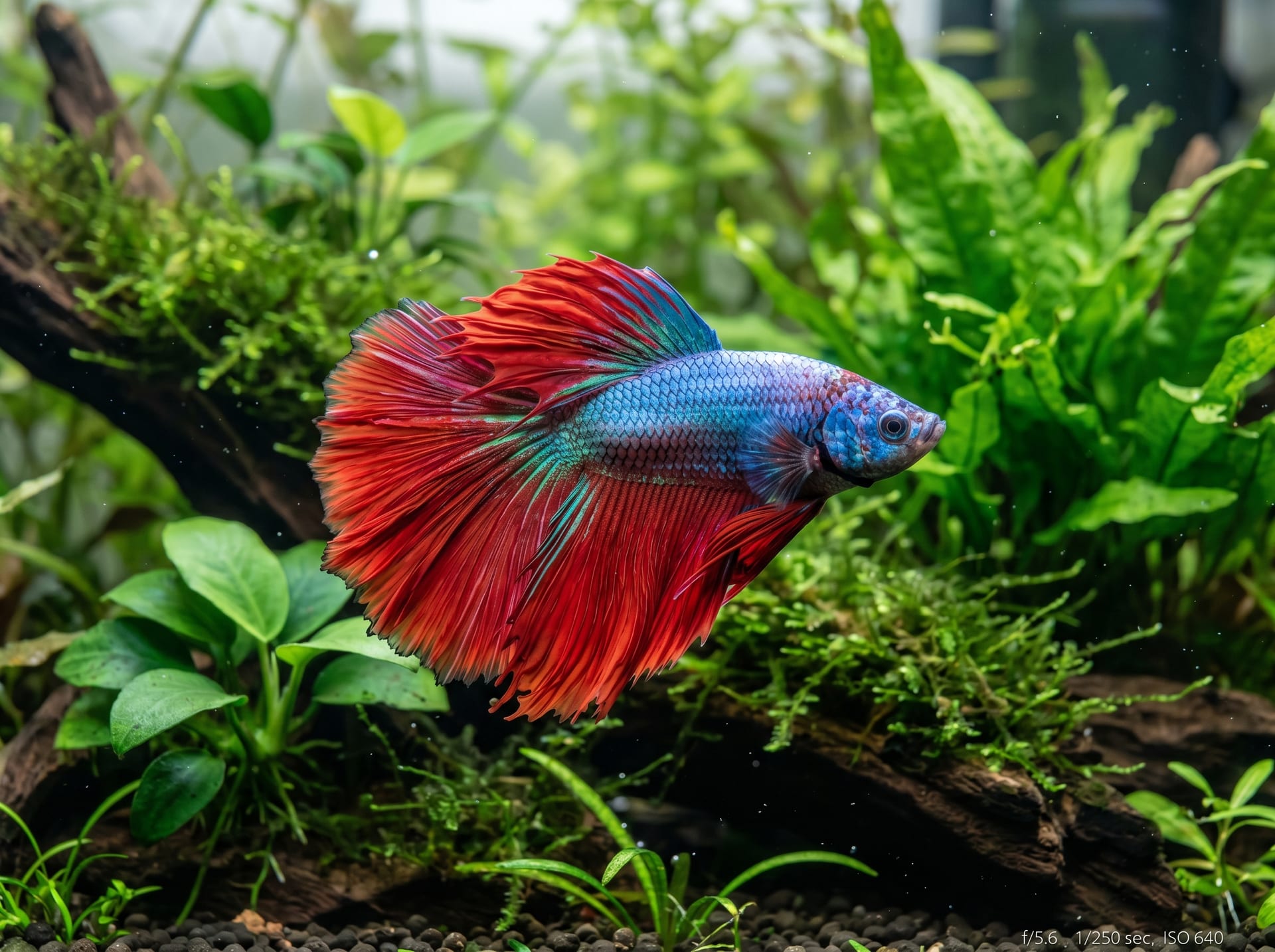
- Betta Fish: Can be kept in small tanks without filters. No aeration needed, making them ideal for beginners.
- Medaka (Japanese Killifish): Native species that can be kept indoors or outdoors. Easy to breed with long-term enjoyment potential.
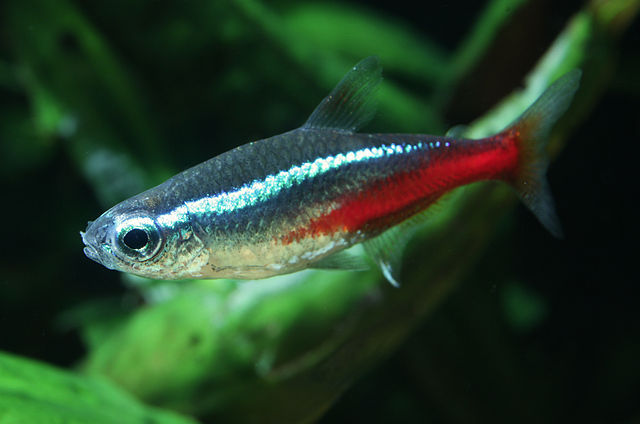
- Neon Tetra: Creates beautiful schooling displays and adapts well to varying water conditions, making them beginner-friendly.
Plants
- Monstera and Pothos: Highly shade-tolerant and thrive with infrequent watering.
- Succulents and Cacti: Drought-tolerant and easy to manage during travel. Require only basic sunlight.
- Air Plants (Tillandsia): Unique plants that need only misting and no soil. Popular as décor.
Animals to Avoid
Corals, large reptiles, and rare species are unsuitable gifts for beginners. Corals require specialized reef tanks, lighting, and protein skimmers—initial costs can reach hundreds of thousands of yen. Generally, the rarer the species, the higher the difficulty of care.
---
Gather Necessary Supplies Together With the Live Animal
Rather than giving only the animal or plant, it's ideal to gift a complete set including all necessary equipment. Simply receiving a living creature without supplies creates confusion and stress for the recipient.
Minimum Setup for Fish
- Tank (size appropriate for species)
- Filter and air pump
- Heater (for tropical fish)
- Gravel and substrate
- Dechlorinator
- Food (minimum 1 month supply)
Set for Plants
- Appropriately-sized pot and saucer
- Specialized potting soil
- Liquid fertilizer
- Misting spray (for air plants and humidity-loving species)
By bundling these into a gift set, recipients can immediately begin caring for their new animal or plant. Breeder direct-sales platforms increasingly offer bundles where you can purchase supplies alongside the animal.
---
Why We Recommend "Confirming First" Over Surprise Gifts
While surprise gifts of live animals or plants seem like a beautiful gesture, they risk putting the recipient in a position where they can't refuse. Many cases result in improper care and shortened lifespans due to recipients feeling obligated to accept unwillingly.
Recommended Approach
- First, ask if they're interested: "Would you like to try raising a living creature?"
- If they show interest, go selecting together or browse breeder websites together.
- If you must surprise them, gift a "gift card" or "care starter set" instead of the actual animal, then select the creature together later.
This way, the recipient can prepare at their own pace, ensuring the best environment for the animal.
---
Choosing a Vendor and Legal Considerations
When gifting live animals, the vendor's trustworthiness is a critical selection criterion.
Benefits of Breeder Direct Sales
Buying directly from breeders allows you to verify the animal's history, the parents' health, and rearing conditions without intermediaries. Transportation stress is minimized, resulting in better condition upon arrival.
Check Animal Protection Laws
In Japan, businesses selling or transferring dogs, cats, certain reptiles, and birds must register as "Class 1 Animal Handlers." This applies to online transactions as well. Confirming that your vendor has proper registration is essential to avoid legal risks.
Be Aware of CITES-Protected Species
Some rare species have restricted international trade. Certain tropical fish, reptiles, and plants (including some orchids and cacti) may be illegal to buy, sell, or transfer without proper certification. The rarer and more attractive the species as a gift, the more critical it is to verify its legal status.
---
Conclusion: A Gift That Shares Responsibility for Life
Live animals and plants cannot be given based solely on feelings of "cuteness" or "beauty." Confirming the recipient's environment, knowledge, and lifestyle—and preparing everything needed—demonstrates a responsible attitude toward the living being you're gifting.
Purchasing directly from breeders allows you to get firsthand health information and care advice. When selecting a live animal or plant as a gift, use this article as a guide to choose "a living creature your recipient will happily share a long life with." The ideal gift is one they'll still cherish years or decades later, thinking, "I'm so glad I received that."