Complete Guide to Traveling & Outings with Dogs | Car, Train, Airplane
A comprehensive dog travel guide covering transportation-specific tips, pet-friendly accommodations, packing lists, and motion sickness prevention.
Key Takeaways
A comprehensive dog travel guide covering transportation-specific tips, pet-friendly accommodations, packing lists, and motion sickness prevention.
Related Species
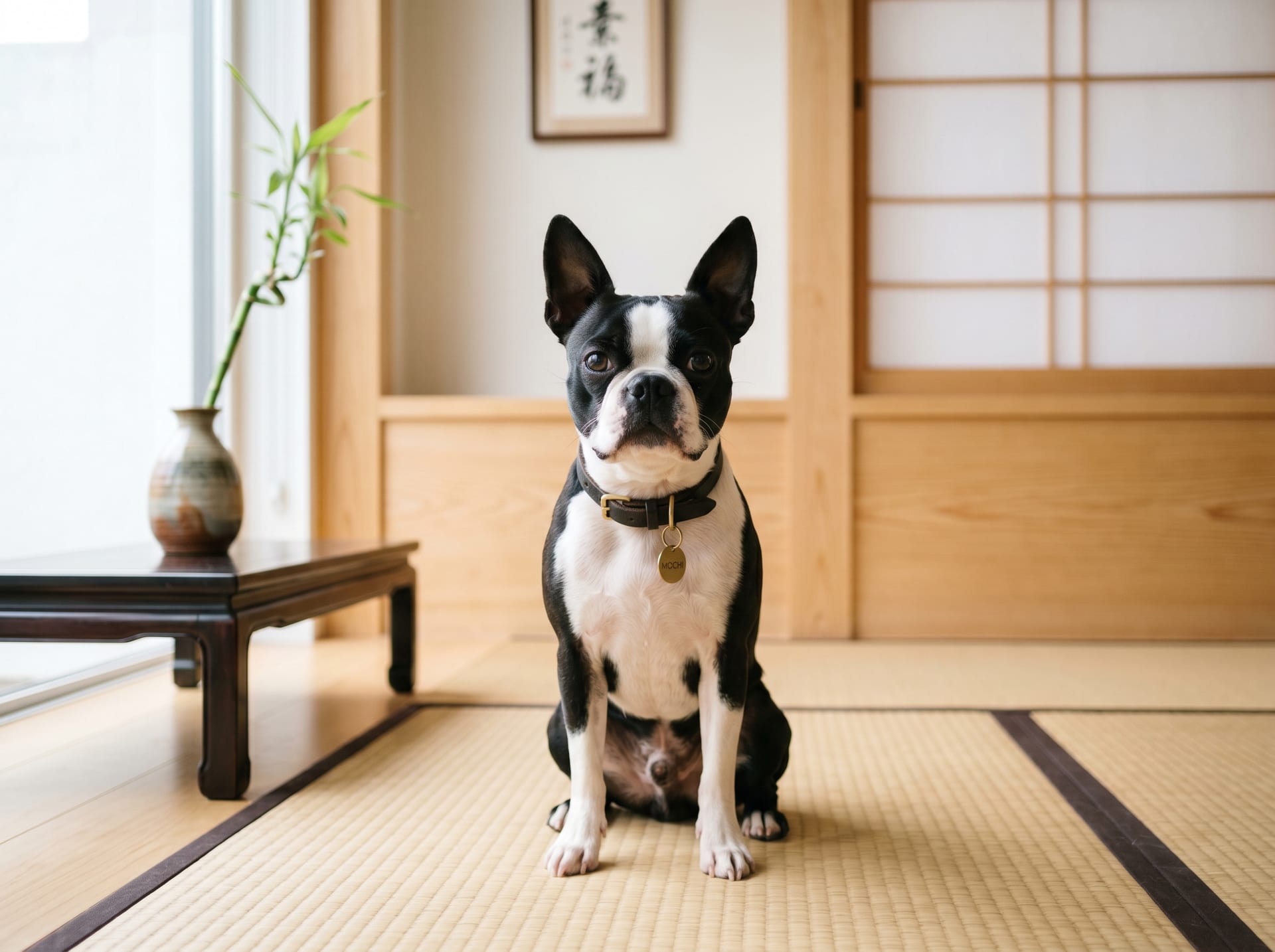
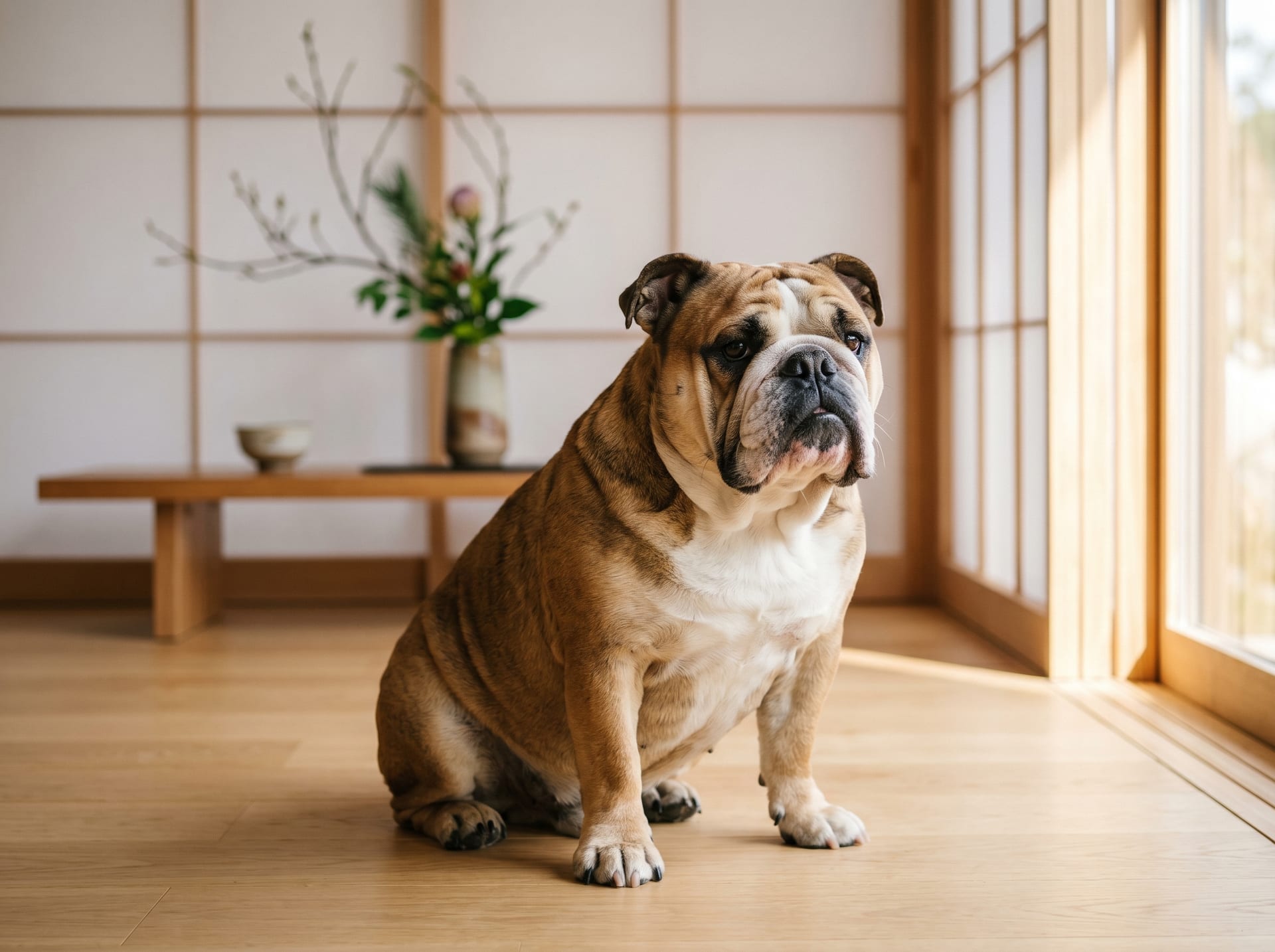
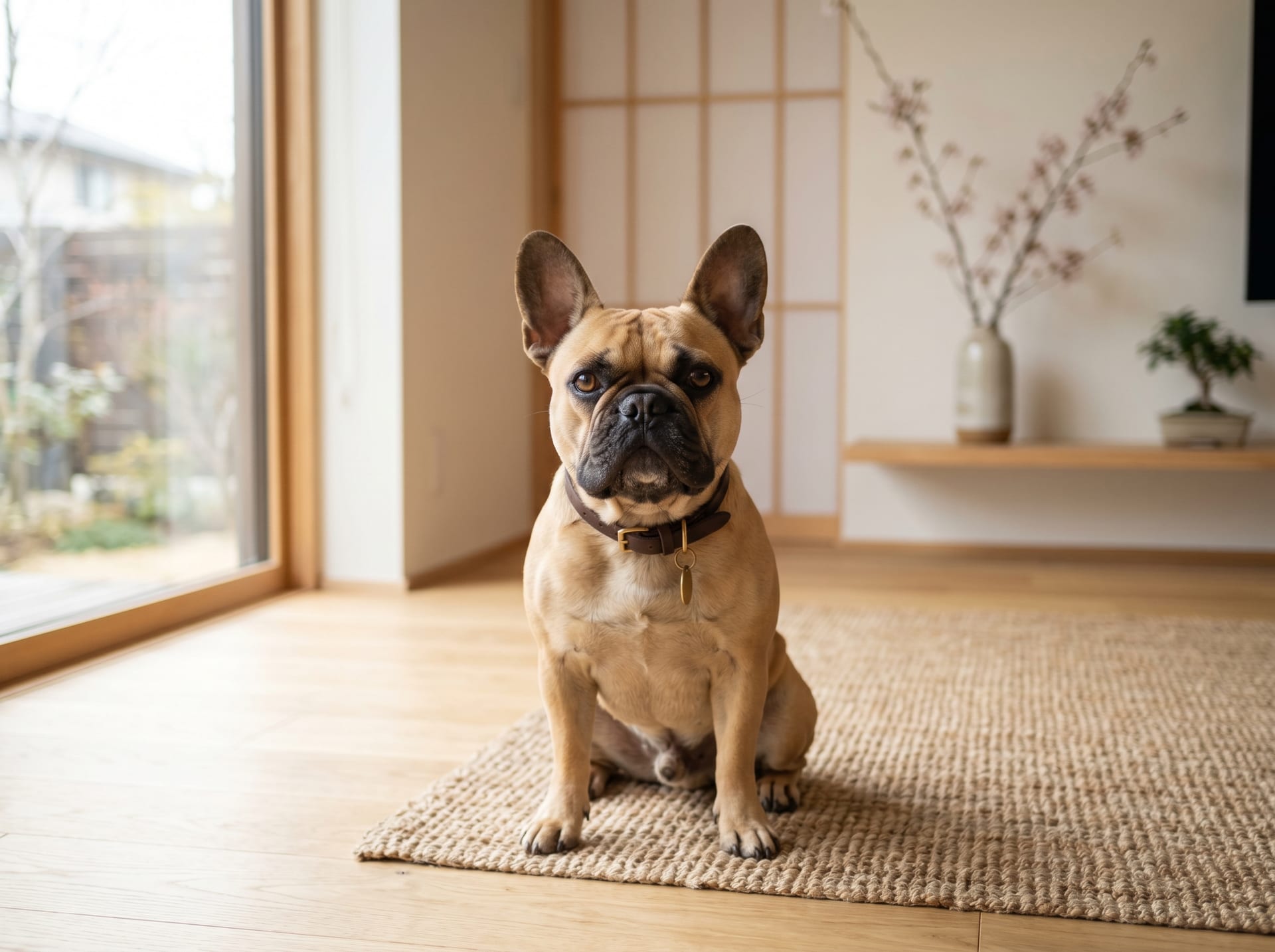
More and more dog owners are enjoying traveling and outings with their beloved pets. With an increasing number of pet-friendly accommodations and dog cafes, the options for traveling with dogs are expanding every year. However, traveling with your dog requires different preparations and considerations compared to traveling without pets. This article comprehensively explains everything you need to know about traveling with dogs—from transportation-specific precautions for cars, trains, and airplanes, to choosing accommodations, packing lists, and motion sickness prevention strategies.
Pre-Travel Preparation and Checklist
To ensure a successful trip with your dog, complete the following preparations before departure.
- Health check: Have your dog examined at an animal hospital 1-2 weeks before the trip. If your dog has a chronic condition, consult with your veterinarian about whether travel is advisable
- Vaccinations and immunizations: Certificates for rabies vaccination and combination vaccines are required by many pet-friendly facilities. Verify expiration dates in advance
- Microchip and ID tag: In case your dog escapes while traveling, verify that your microchip registration information is up-to-date. Attach an ID tag with your contact information to your dog's collar
- Basic training: Ensure your dog knows essential commands such as "wait," "come," and "go to your bed." These are crucial for travel safety
- Research local animal hospitals: Find the location and contact information for animal hospitals near your accommodation in advance. It's also reassuring to identify a 24-hour or after-hours clinic
- Verify accommodation rules: Even pet-friendly facilities may have restrictions on dog breeds or sizes. Familiarize yourself with etiquette in common areas and areas where dogs are not allowed
Traveling by Car
Car travel is the most flexible option and is favored by most dog owners.
- Secure the crate: The safest option is to place your dog in a crate and secure it with a seatbelt. This prevents injury during sudden braking
- Drive harness: If a crate isn't feasible, use a drive harness that connects to the seatbelt. The back seat is safer than the front passenger seat
- No sticking head out of windows: Prevent your dog from sticking its head out the window due to risks of eye injury from flying debris and falling during sudden stops
- Taking breaks: Take a 15-20 minute break every 2 hours. It's helpful to identify service areas or rest stops with dog parks in advance. Always attach a leash before opening the door during breaks
- Temperature control in the car: Always use air conditioning in summer. Car temperatures rise rapidly even on cloudy days, so never leave your dog unattended in the vehicle
- Meal timing: Feed your dog 2-3 hours before departure. Eating while traveling can cause car sickness
Traveling by Train and Bus
When traveling with your dog on public transportation, it's essential to verify each company's rules in advance.
- JR rules: Small dogs can be brought on board in a carrier bag or case (total weight including case must be 10 kg or less, and combined height, width, and depth must be 120 cm or less). A small luggage fee (¥290) applies
- Private railways and subways: Rules vary by company, so check their official websites in advance. Most require the dog to be completely contained in a carrier case
- Buses: Most local buses allow dogs in carrier bags, but most express buses do not permit dogs
- Avoid rush hours: Travel during rush hours is stressful for your dog and inconsiderate to others. Choose less crowded times when possible
- Acclimate to the carrier: Practice having your dog enter the carrier at home before train travel. It's comforting if your dog can eat treats or rest inside the carrier
- Toilet preparation: Ensure your dog has fully relieved itself before boarding. As a precaution, line the carrier with pee pads
- Large dog transportation: Large dogs often cannot use public transportation. Consider using a car or pet transport service instead
Traveling by Airplane
Air travel with dogs requires the most caution of all transportation methods.
- Domestic flight rules: Both ANA and JAL allow dogs to be checked as cargo (checked baggage). A specialized crate is required, and fees typically range from ¥3,000 to ¥6,000 depending on the route
- Brachycephalic breed restrictions: Many airlines restrict or prohibit short-muzzled breeds such as French Bulldogs, Pugs, and Boston Terriers due to respiratory risks. Some airlines may impose restrictions on all breeds during summer months (June-September)
- Cargo hold environment: Temperature and air pressure are maintained close to cabin conditions, but noise and vibration are unavoidable. Understand that this can be highly stressful for your dog
- In-cabin carry-on (select airlines): Some airlines, such as StarFlyer, allow small dogs in the cabin. The dog must be in a case that fits under the seat
- Pre-flight preparation: Acclimating your dog to the crate is most critical. Practice having your dog spend extended periods in the crate several weeks in advance
- Day-of considerations: Feed your dog at least 4 hours before departure. Water can be provided up until shortly before. Sedatives carry respiratory suppression risks, so only use them on veterinary advice
Motion Sickness Prevention
Dogs can experience motion sickness just like humans, particularly puppies and senior dogs.
- Signs of motion sickness: Yawning, excessive drooling, restlessness, trembling, and vomiting
- Acclimate with short drives: Start with short 5-minute drives and gradually increase duration. Help your dog learn that car rides lead to positive experiences
- Meal timing: Feed your dog 2-3 hours before travel. Avoid feeding right before or after travel, as both hunger and fullness increase susceptibility to sickness
- Crack the window slightly: Fresh air can help reduce motion sickness. Open the window just enough that your dog cannot stick its head out
- Face forward: Orient the crate in the direction of travel so your dog doesn't see sideways motion
- Motion sickness medication: Your veterinarian can prescribe motion sickness medication for dogs. Consider using it for long-distance drives
- Frequent breaks: Dogs prone to motion sickness should take breaks every 1-1.5 hours. Fresh air and light exercise are effective remedies
Packing Checklist
Here's a summary of essential items for traveling with your dog.
- Basic essentials: Leashes (2 including backup), collar or harness, ID tag, registration tag, vaccination certificate, rabies vaccination proof
- Food and water: Regular food (enough for the trip plus backup), food bowl, water bowl, treats, portable water bottle
- Toilet supplies: Pee pads, waste bags, odor eliminator spray, wet wipes
- Grooming and care: Brush, towels (multiple), insect repellent, paw pad protection cream (for hot summer pavement)
- Safety gear: Crate or carrier, drive harness, pet life jacket (if visiting water areas)
- Emergency supplies: Medications, first aid kit, your regular veterinarian's contact info, list of animal hospitals at your destination
Find Your Perfect Travel Companion at BreederDirect
To fully enjoy traveling with your dog, it's important to understand each breed's characteristics. Some breeds are adaptable and active in changing environments, while others prefer stability and quiet settings. At BreederDirect, you can meet dogs directly from trusted breeders and have in-depth conversations about breed traits and your dog's individual personality. If you love outdoor adventures, breeders can suggest active, highly adaptable breeds. If you prefer leisurely travel, they can recommend breeds that are calm and handle transportation well. Your perfect match awaits at BreederDirect—find your ideal companion to create lasting memories together with your beloved dog.