Dog Transport and Quarantine Guide | Complete Procedure for Safely Welcoming from Breeders
Detailed explanation of transportation methods, quarantine procedures, and regulations when welcoming dogs from breeders or distant locations. Introduces the differences between air and ground transportation and key points for health confirmation upon arrival.
Key Takeaways
Detailed explanation of transportation methods, quarantine procedures, and regulations when welcoming dogs from breeders or distant locations. Introduces the differences between air and ground transportation and key points for health confirmation upon arrival.
Related Species

When welcoming a dog from a breeder at a distance or considering importing from overseas, safe transportation and quarantine of live animals is an unavoidable and critical topic. Transporting without following proper procedures not only increases stress on the dog but also raises the risk of introducing illness. In this article, we provide a careful explanation of basic knowledge regarding dog transportation and quarantine, both domestic and international.
Domestic Transportation Basics
There are three main transportation methods when welcoming a dog from a breeder domestically.
Direct pickup (in-person handoff) is the most ideal method. You can visit the breeder's facility directly, confirm the breeding environment and condition of the parent dogs, and take the puppy home. Transportation stress is minimized, and you can hear about care precautions directly from the breeder.
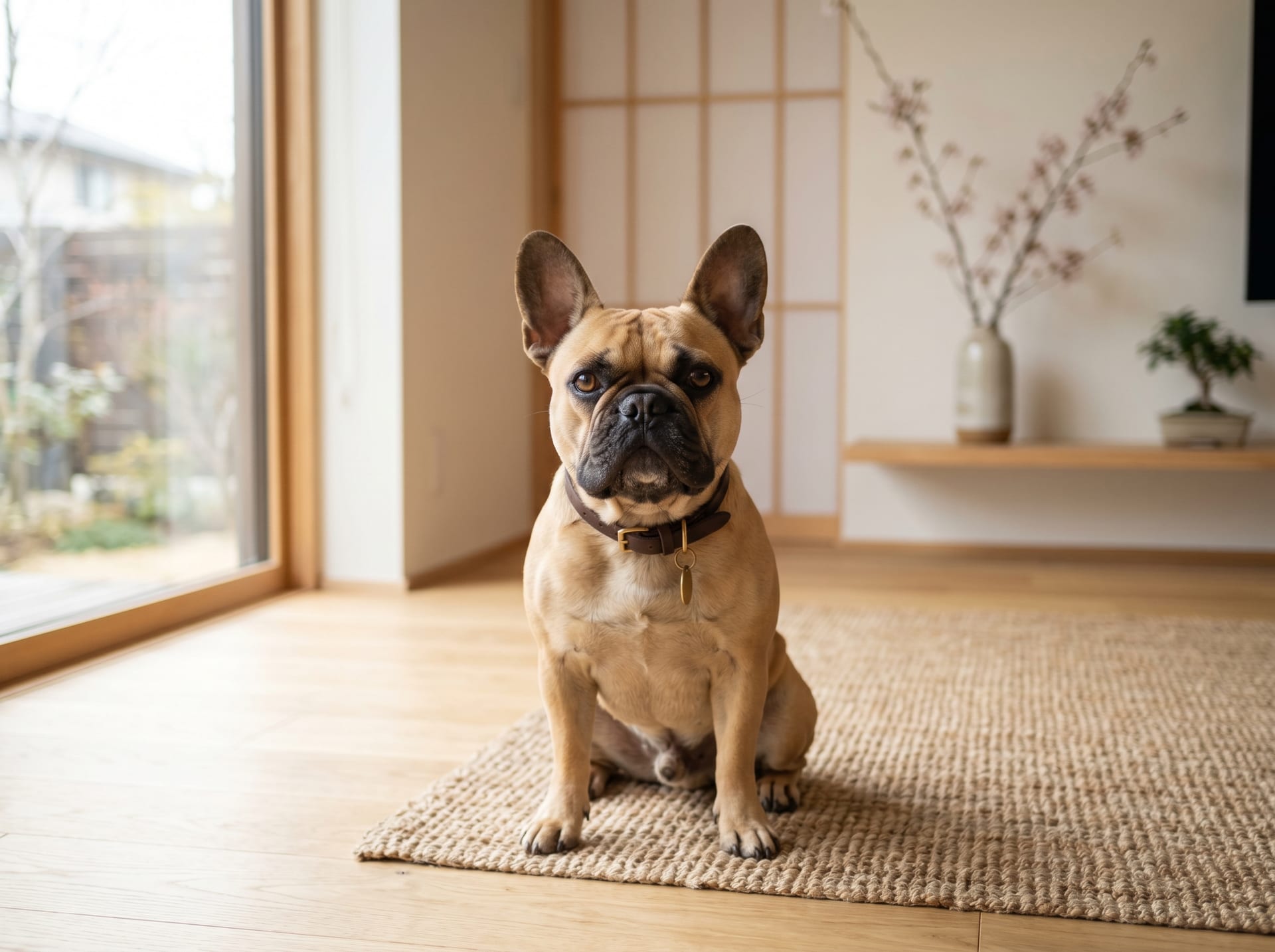
Air transport is often used for long distances. Japan's major airlines provide services to transport dogs that meet certain conditions as either carry-on baggage or cargo. The transport requires a special crate, and you must follow each airline's specifications regarding size and materials. Brachycephalic breeds (French Bulldogs, Pugs, etc.) carry higher respiratory risks, and some airlines restrict or prohibit their transport, so advance confirmation is essential.
Courier and transport company services are offered by some providers for live animal transport. However, it is important to select a pet-specialized transport company. Be sure to thoroughly confirm the transport company's track record and equipment regarding temperature control and travel time in advance.
Pre-Transport Preparation Checklist
To ensure safe transportation, complete the following preparations before departure.
Obtaining a health certificate: Before transport, have your dog examined by a veterinarian and obtain a health certificate. This is often required by transport companies and is an important document that objectively proves your dog's health status.
Confirming vaccination records: Ensure that vaccination records for canine distemper, parvovirus, rabies, and other vaccines are current. The rabies vaccine is legally mandated, and the vaccination certificate is essential.
Acclimating to the crate: If your dog is not accustomed to a transport crate, stress during transport will increase significantly. Begin using the crate regularly 1-2 weeks before departure to help your dog recognize it as a safe place.
Fasting and water restriction before transport: Avoid feeding 2-4 hours before transport to prevent motion sickness or vomiting. However, for long-distance transport, provide small amounts of water to prevent dehydration.
International Import Regulations and Procedures
When importing a dog from overseas, you must follow Japan's quarantine system. The regulations set by the Ministry of Agriculture, Forestry and Fisheries and the Ministry of Health, Labour and Welfare are extremely strict.
Quarantine based on the Rabies Prevention Law: Since Japan is a rabies-free country, dogs imported from overseas are subject to strict quarantine. Procedures vary depending on the rabies-free status of the exporting country, and importing from non-rabies-free countries generally requires extremely complex procedures.
Microchip registration: A microchip compliant with international standards (ISO specifications) must be implanted. Since June 2022, microchip implantation has been mandated in Japan for breeders and sellers, and it is also required for imported dogs.
Certificates issued by the exporting country's government: Health certificates and vaccination certificates issued by the public authorities of the exporting country are required. The document format must conform to the form designated by Japan's Ministry of Agriculture, Forestry and Fisheries.
Inspection by animal quarantine offices upon arrival: Inspection is conducted at animal quarantine offices established at Narita, Haneda, and Kansai International Airports. Document review and physical inspection are performed, and dogs that do not meet conditions may be quarantined or returned.
Post-Arrival Health Observation and Quarantine Period
Once your dog arrives after transport, we strongly recommend establishing a "home quarantine period" during which you carefully monitor its health status.
Immediate post-arrival check: Confirm body temperature, appetite, activity level, and fecal condition. Dogs may temporarily lose energy due to transport stress, but if improvement is not seen within 24 hours, consult with a veterinarian.
Isolation from other pets: If you have other dogs or cats, keep the newly arrived dog in a separate room for at least 2 weeks. This prevents the spread of infectious diseases during the incubation period to other pets.
Veterinary examination: See your veterinarian as soon as possible after arrival (ideally within 48 hours). Perform stool and urine tests (especially for parasites) and overall health confirmation through physical examination.
Attention to kennel cough (infectious canine tracheobronchitis): This is a respiratory condition frequently seen after transport, particularly when the dog comes from environments where multiple dogs gather (breeding facilities, pet shops). If coughing, nasal discharge, or eye discharge is observed, seek veterinary care promptly.
Safe Transport Through Collaboration with Breeders
A trustworthy breeder will prepare all necessary documents before transport and provide detailed information about the dog's health status. Maintain close communication with the breeder and confirm the following points in advance:
- Planned crate size and specifications
- Timing of feeding and watering immediately before transport
- Whether toys and blankets the dog is familiar with (which provide comfort through scent) can be included
- Exchange of emergency contact information
On BreederDirect, you can connect directly with breeders throughout the country, making it possible to consult with breeders directly about transportation methods and handoff conditions. Confirm the details of transportation thoroughly before purchase and realize a welcoming experience that brings peace of mind for both the dog and owner.