How to Improve Dog Separation Anxiety | Causes, Symptoms, and Training Tips
Understanding canine separation anxiety: dogs that bark continuously or engage in destructive behavior while left alone. This guide covers identifying root causes, gradual alone-time training, environmental setup, and key points for consulting with veterinarians in severe cases.
Key Takeaways
Understanding canine separation anxiety: dogs that bark continuously or engage in destructive behavior while left alone. This guide covers identifying root causes, gradual alone-time training, environmental setup, and key points for consulting with veterinarians in severe cases.
Related Species
What is Canine Separation Anxiety
Separation anxiety refers to a condition in which a dog experiences intense anxiety or fear when separated from its owner or a specific person, resulting in problematic behavior. It is not merely being a clingy dog, but rather a genuine stress response that worsens if left unaddressed.
Dogs are pack animals by nature and instinctively struggle with being alone. However, in modern living situations, long periods away from their owners are unavoidable. Since separation anxiety can be significantly improved through training and environmental management, early intervention is crucial.
Main Causes
Multiple factors contribute to the development of separation anxiety.
Excessive Dependency Relationship When dogs grow up in an environment where their owner is always present, they become extremely dependent on the owner as their only source of safety. Cases have increased especially among dogs whose owners suddenly began going out more after the rise of remote work.
Past Trauma Rescue dogs or those who have experienced foster placement are prone to fears of being abandoned again. Sudden environmental changes such as moving or family composition changes can also trigger separation anxiety.
Insufficient Socialization Dogs that did not experience being alone during the critical socialization period (3-12 weeks of age) have weak tolerance for solitude. While these early experiences can be supplemented with later training, such training requires significantly more time and consistency.
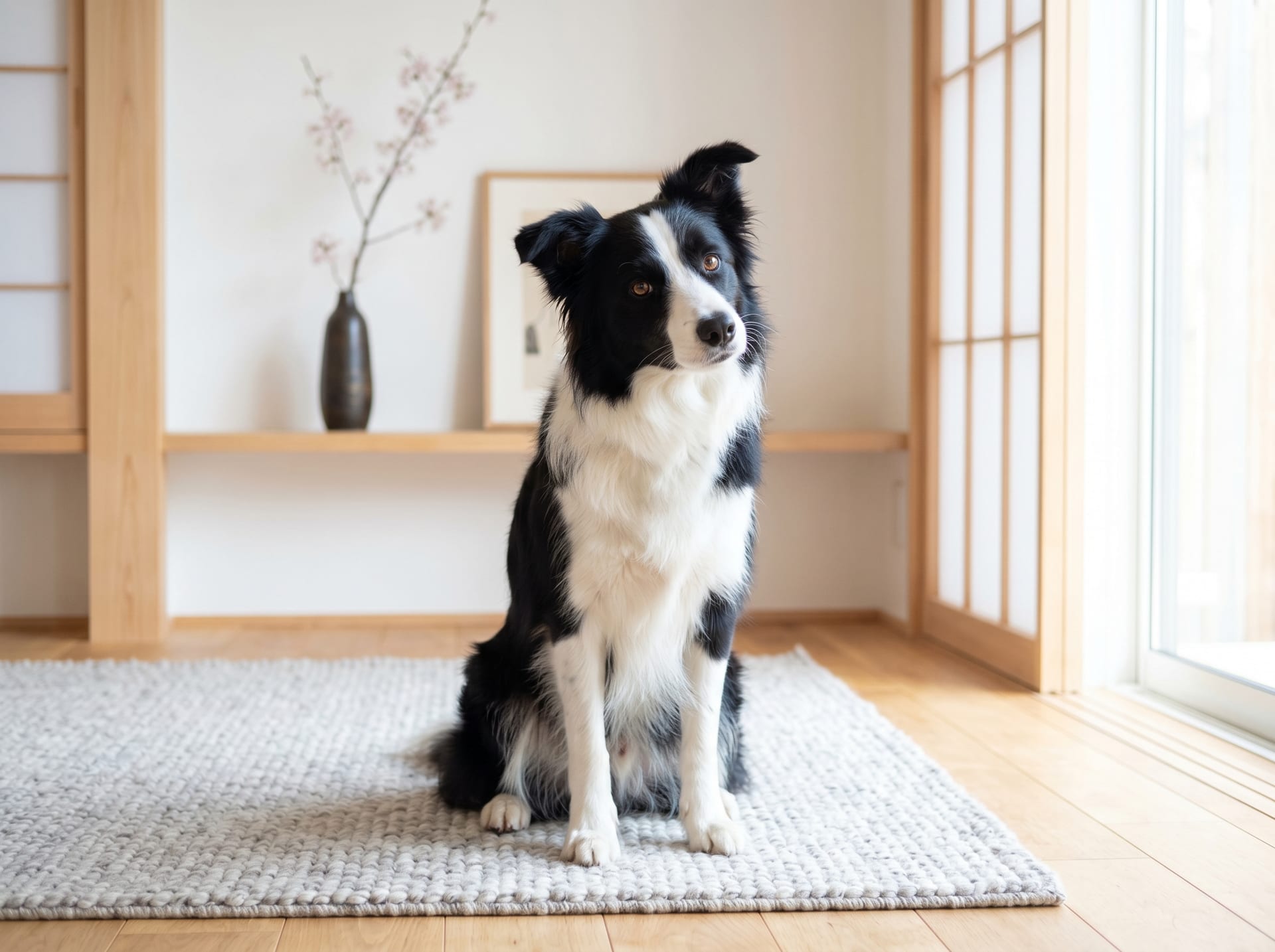
Genetic Predisposition Certain breeds such as Border Collies, Beagles, and Golden Retrievers, which naturally seek strong bonds with humans, are predisposed to separation anxiety.
Signs and Symptoms
Symptoms typically appear shortly after the owner leaves (usually within 30 minutes). Installing a pet camera is an effective way to observe these behaviors.
Behavioral Changes