Complete Guide to Home Dog Grooming | Brushing, Nail Trimming, and Ear Cleaning Basics
A comprehensive guide to home dog grooming (care at home). Covers breed-specific brushing frequency and tool selection, nail trimming procedures and how to handle bleeding, ear cleaning methods to prevent otitis externa, and dental care basics. Also includes step-by-step approaches for dogs that resist grooming.
Key Takeaways
A comprehensive guide to home dog grooming (care at home). Covers breed-specific brushing frequency and tool selection, nail trimming procedures and how to handle bleeding, ear cleaning methods to prevent otitis externa, and dental care basics. Also includes step-by-step approaches for dogs that resist grooming.
Related Species

Why Home Grooming Is Important
Dog grooming shouldn't be left solely to professional groomers—daily home care by the owner is essential for maintaining your dog's health. Through regular grooming, you can detect skin abnormalities, parasites, ear issues, and overgrown nails early on.
Benefits of Home Grooming
- Early detection of skin diseases, otitis externa, and nail cracks
- Builds trust with your dog and familiarizes them with being handled
- Helps maintain appropriate professional grooming intervals (fewer mats)
- Reduces shedding around the house
Grooming Frequency by Breed Type
| Breed Type | Brushing | Nail Trimming | Ear Cleaning |
|---|---|---|---|
| Short-haired (Shiba Inu, Beagle, etc.) | 1–2 times/week | 1–2 times/month | Once/month |
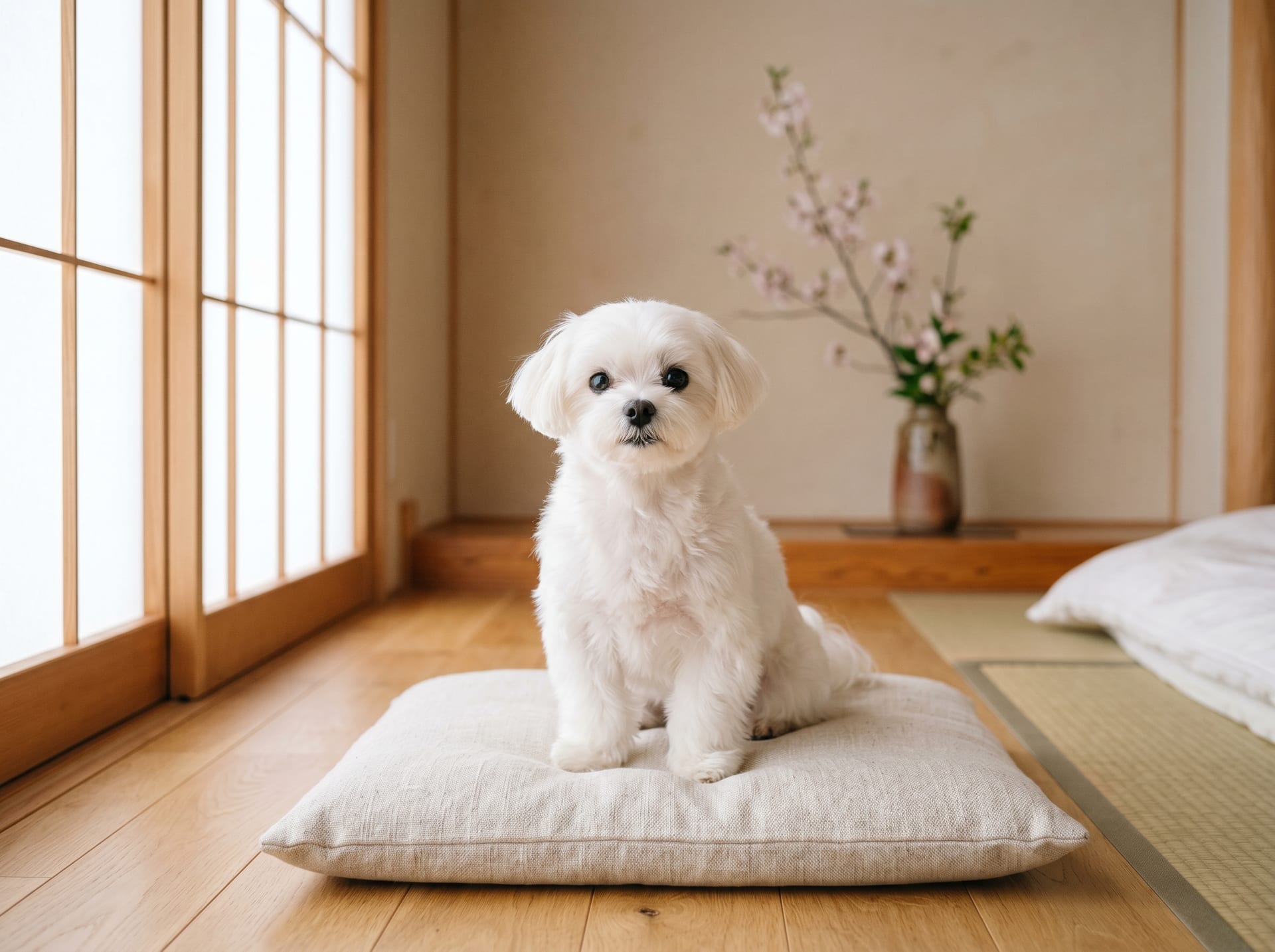
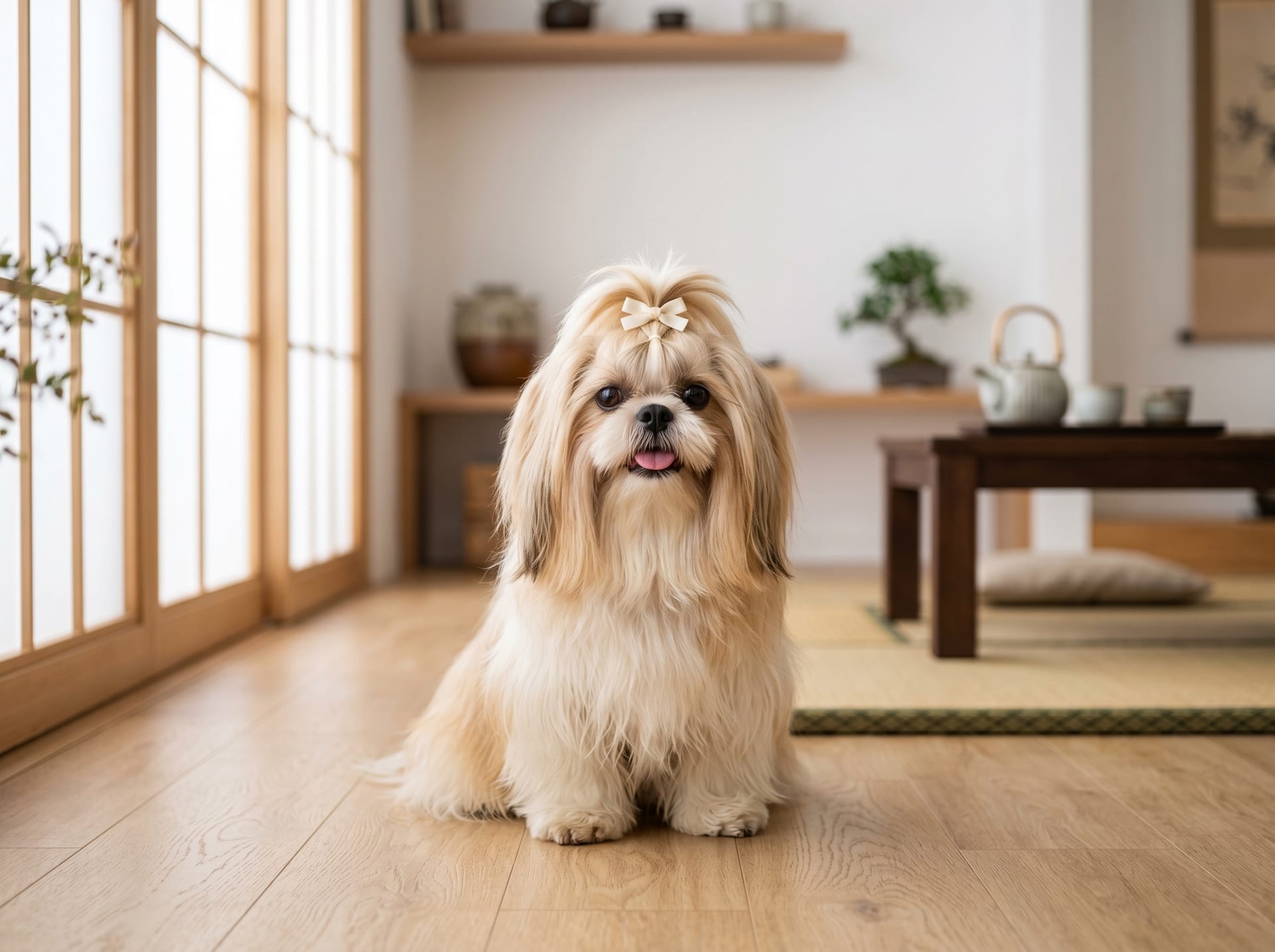
| Long-haired (Maltese, Shih Tzu, etc.) | Daily–3 times/week | 1–2 times/month | Once/week |
| Double-coated (Golden Retriever, Husky, etc.) | 2–3 times/week (daily during shedding season) | 1–2 times/month | Once/month |
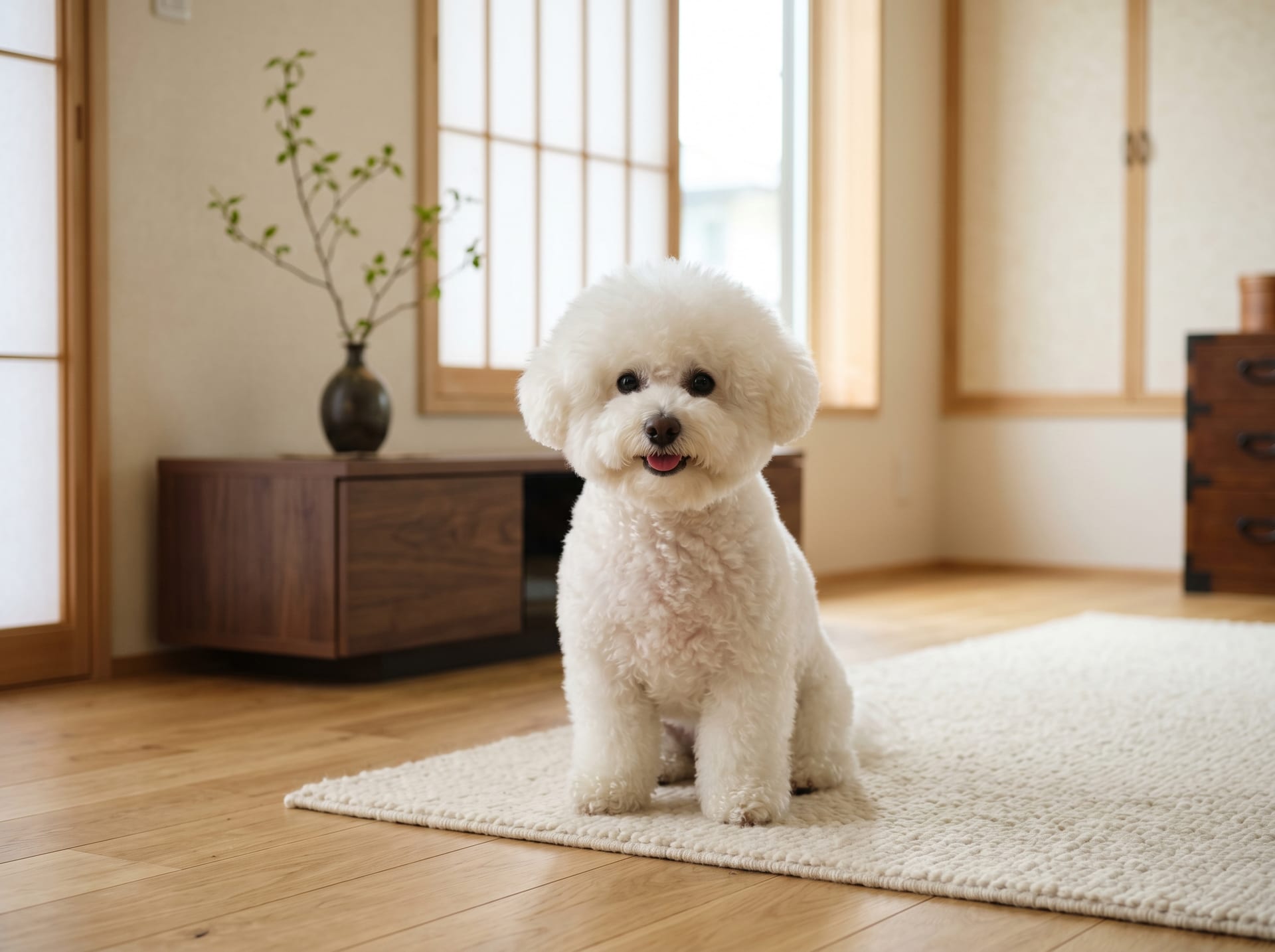
| Curly (Poodle, Bichon Frise, etc.) | Daily | 1–2 times/month | Once/week |
Brushing Basics
Tools Needed
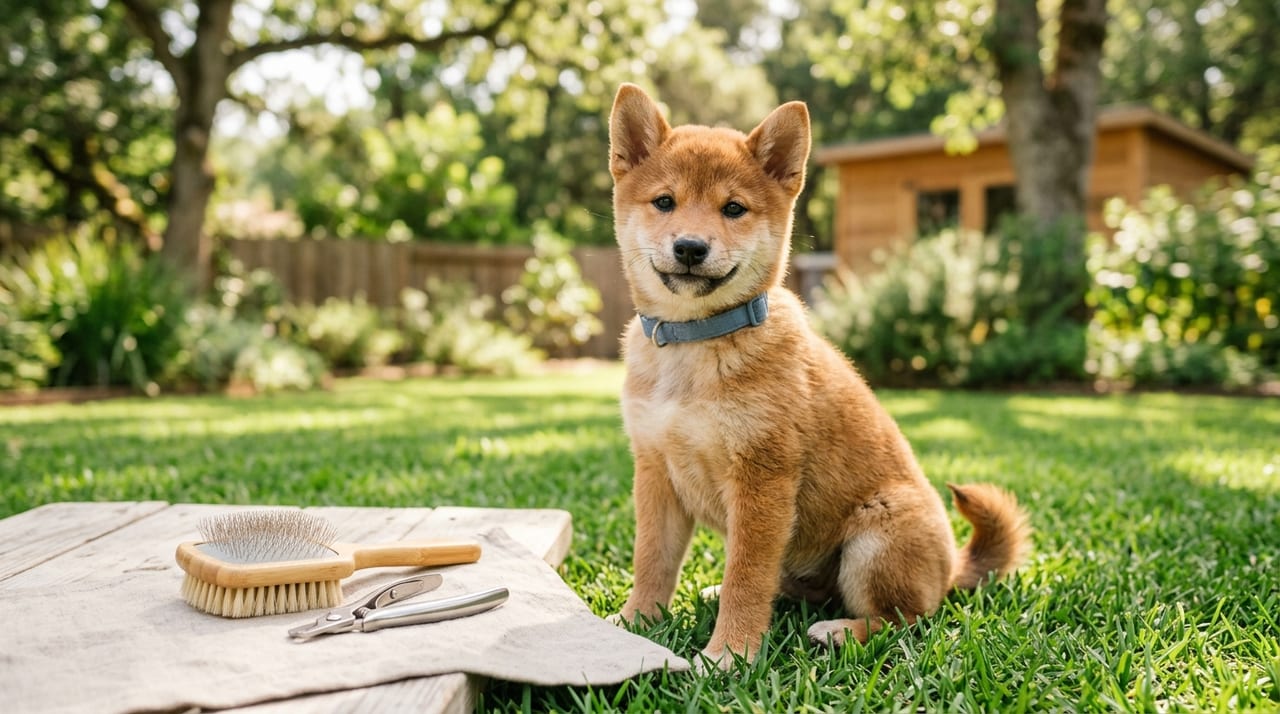
- Slicker brush: Best for long-haired and curly-coated dogs. Effective for detangling mats.
- Pin brush: Ideal for long-haired and soft-coated dogs. Used for finishing touches.
- Comb: Use for final mat checks and detailed areas like around the eyes.
- Rubber brush: Effective for short-haired dogs, removing oily buildup, and during bathing.
- Undercoat rake: Removes large amounts of undercoat from double-coated dogs during shedding season.
Brushing Steps
- Full-body check: While petting, check for lumps, wounds, and parasites (ticks and fleas).
- Brush along the coat direction: Start by gently brushing the entire body.
- If mats are present: Hold the mat at the base with a comb while gently working from the tip outward (pulling all at once causes pain).
- Finish with comb: You're done when the comb glides smoothly through.
Brushing During Shedding Season (Spring and Fall)
Double-coated dogs shed heavily in spring and fall. During these periods, in addition to daily brushing, use a Furminator or undercoat rake to actively remove undercoat. Neglecting this can lead to skin conditions from moisture buildup and itching.
How to Trim Nails
Proper Nail Length
Ideally, when your dog is standing, the nails should not touch the ground. If you hear a clicking sound, it's time to trim.
Tools Needed
- Guillotine-style nail clipper: Common for small to medium-sized dogs.
- Plier-style nail clipper: For large dogs and thick nails.
- Electric grinder (file): Effective for dogs that resist clipping and for smoothing edges.
- Styptic powder (such as Kwik Stop): Emergency treatment for accidental bleeding.
Nail Trimming Steps
- Examine nails in bright light. On white nails, you can see the pink "quick" (blood vessel) through them. With dark nails, trim gradually from the outside and stop when you see a moist white-to-yellowish section (near the quick) on the cut surface.
- Trim small amounts at a time (1–2mm). Cutting too much at once risks bleeding.
- Smooth the cut surface with a file to prevent catching.
If bleeding occurs: Apply styptic powder with a cotton swab and apply pressure for several minutes. If you don't have styptic powder, flour can work as a substitute. For deep cuts, consult a veterinarian.
Acclimating Dogs That Resist Nail Trimming
- Initially associate nail trimming with treats, then gradually acclimate through showing the tool, touching with it, and letting them hear the sound.
- Trimming one nail and praising, then one the next day, is also effective.
- Start with front feet, which are easier to handle, before moving to back feet.
How to Clean Ears
Dogs' ears have a deep "L-shaped" structure, and dirt naturally accumulates in the inner ear, which can lead to otitis externa (ear inflammation) if neglected. Regular ear care is essential, especially for breeds with floppy ears (Cocker Spaniel, Dachshund, etc.) and breeds with dense ear hair (Poodle, etc.).
Tools Needed
- Ear cleaner (for dogs): Commercial ear cleaning solution.
- Cotton balls and gauze: For wiping away debris.
- (For Poodles, etc.) Ear hair removal powder
Ear Cleaning Steps
- Apply a few drops of ear cleaner into the ear.
- Gently massage the base of the ear (you'll hear a squishing sound).
- Gently wipe the outer ear with cotton (do not insert cotton swabs deep into the ear).
- If ear hair is dense, apply ear hair removal powder and carefully pluck small amounts with ear hair tweezers.
Signs of otitis externa: Frequent ear scratching, head tilting, strong odor, or large amounts of brown-to-black earwax → consult a veterinarian.
Dental Care (Tooth Brushing)
Dental care is often overlooked in grooming, but dental disease has been linked to internal organ problems.
Minimum recommended frequency: 2–3 times per week (ideally daily)
Acclimatization Steps
- Apply a small amount of dog toothpaste to your finger and touch the outside of the lips.
- Once acclimated, rub the gums and tooth surfaces with your finger.
- When ready, switch to a dog toothbrush (finger cot or brush type).
Supplementary dental products: Dental chews, dental toys, and oral spray can be effective supplementary tools, even for dogs that resist brushing.
How to Praise During Grooming
Making grooming a "fun time" for your dog is the key to making it a lasting habit.
- Prepare favorite treats before starting so your dog learns "grooming = getting treats."
- Immediately praise and reward even the slightest stillness.
- Don't force long sessions (maintaining 5–10 minutes consistently is more important).
- If your dog shows resistance, stop and resume once they've calmed down.
Home grooming is an important routine that allows you to manage your dog's health and strengthen your bond simultaneously. Even if your dog initially resists, patient and consistent practice will gradually help them accept it.