Guide to Choosing Dogs by Size: Large, Medium, and Small Breeds | Recommended Breeds by Lifestyle
Explanation of differences in characteristics, exercise needs, rearing costs, and lifespan by dog size. Introduction to recommended breeds and selection tips by lifestyle, including single living, families with children, and active individuals.
Key Takeaways
Explanation of differences in characteristics, exercise needs, rearing costs, and lifespan by dog size. Introduction to recommended breeds and selection tips by lifestyle, including single living, families with children, and active individuals.
Related Species


Why Size Selection is Important When Choosing a Dog
When welcoming a dog, it's very important to think about "what size of dog will suit me." If you choose based only on appearance or cuteness, you may regret it as unexpected exercise needs, veterinary costs, and living space may be required.
Dogs are generally classified by size as follows:
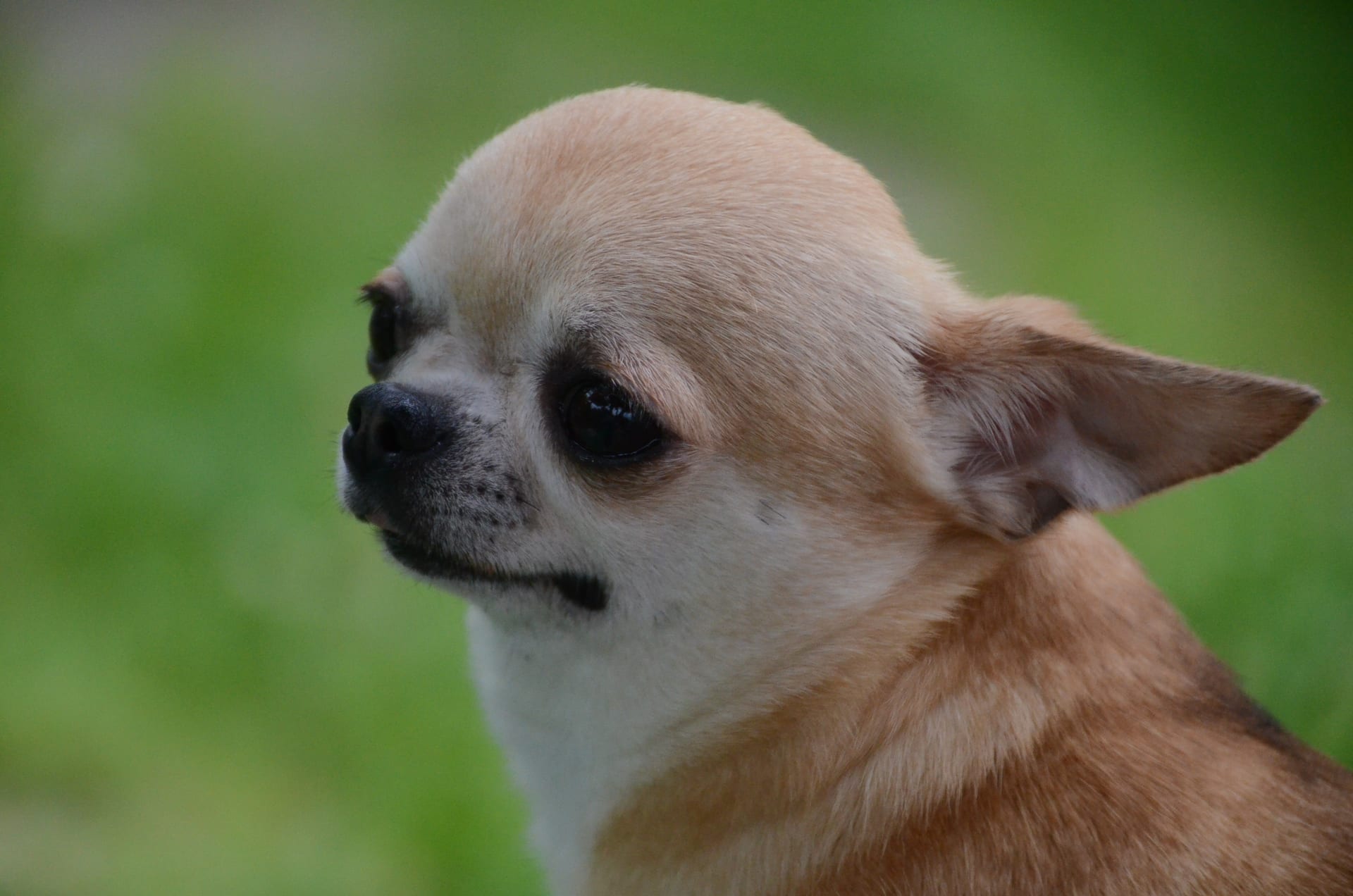
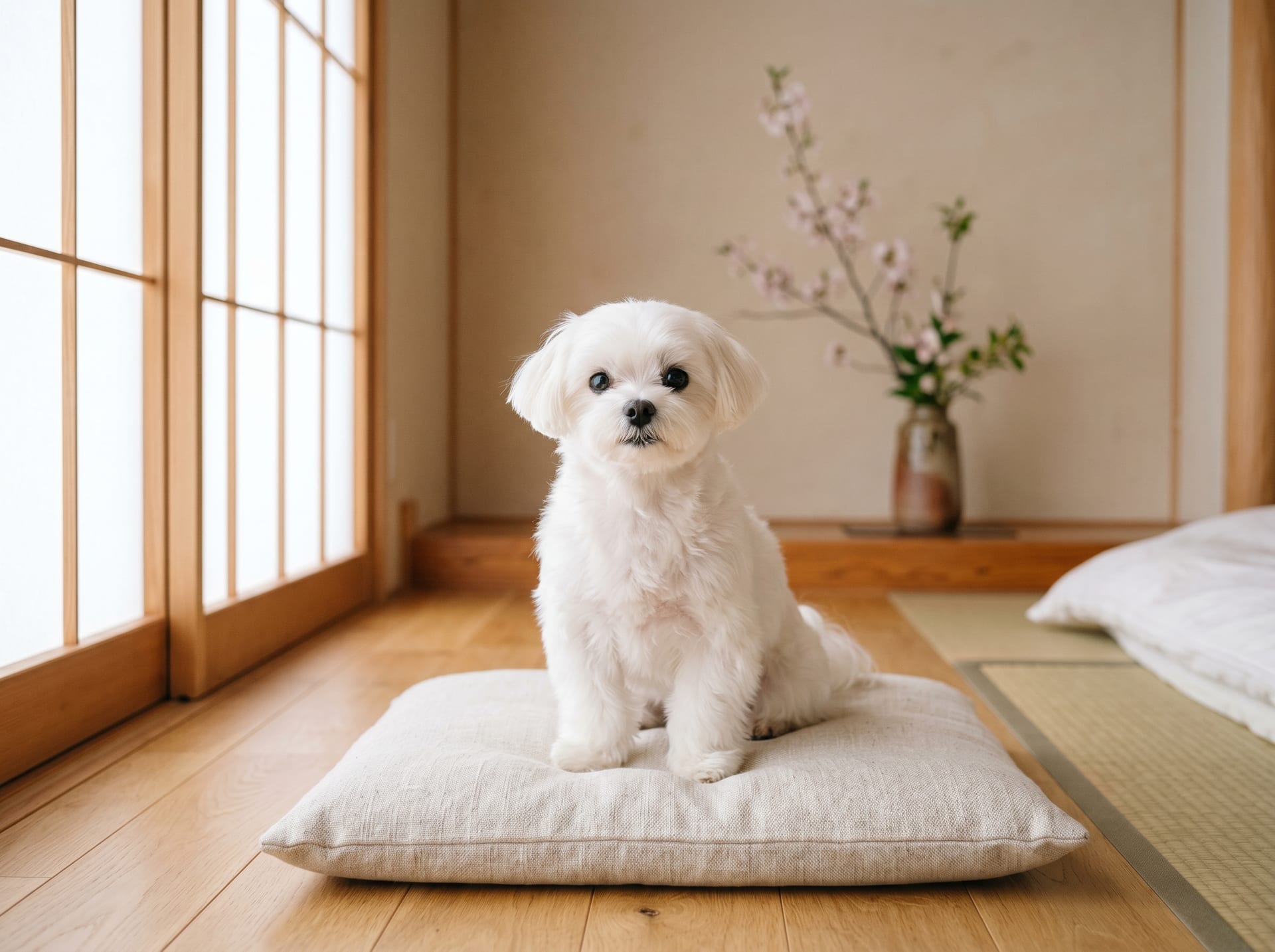
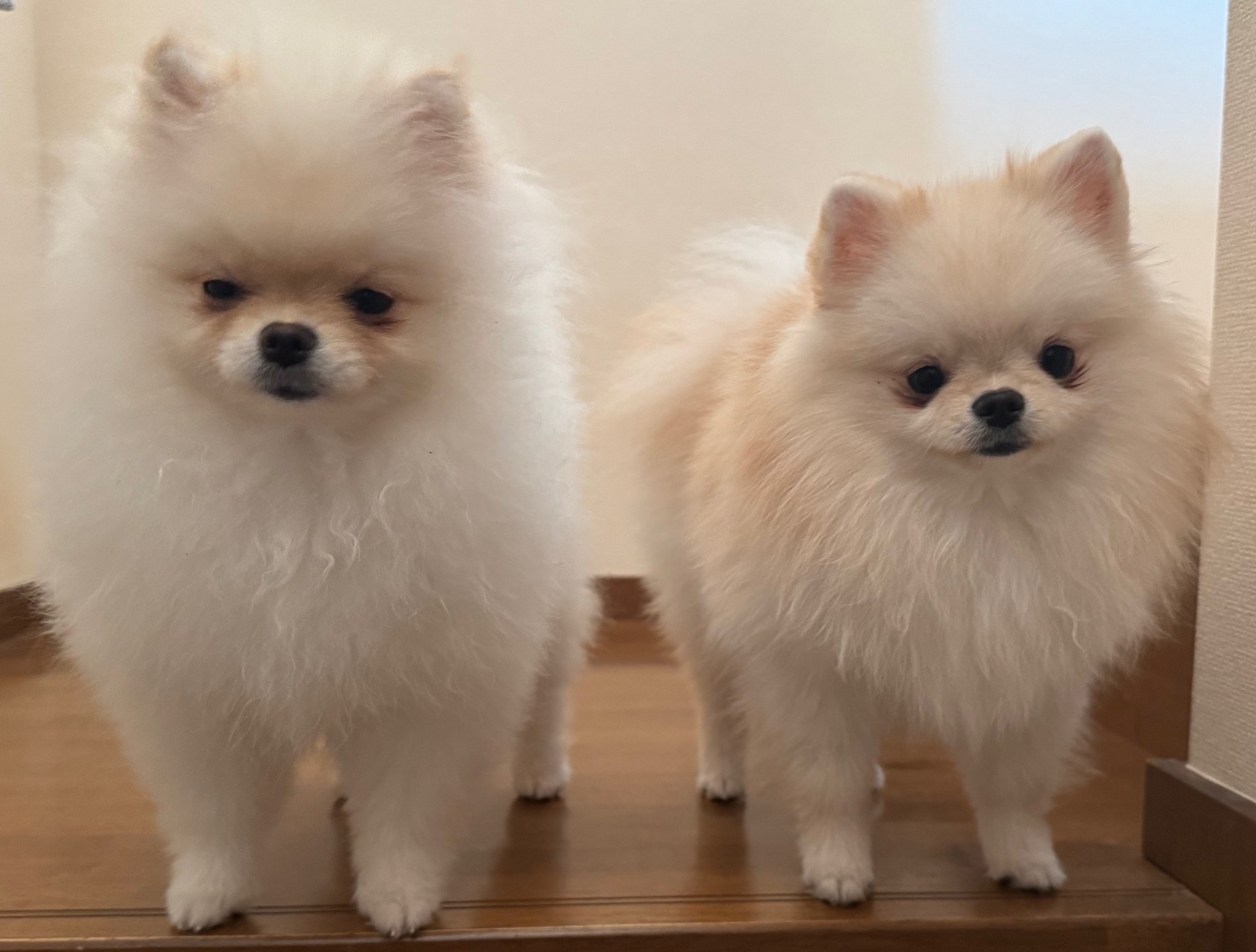
- Toy/Extra-Small Breeds: Under 4kg body weight (Chihuahua, Toy Poodle, Pomeranian, etc.)
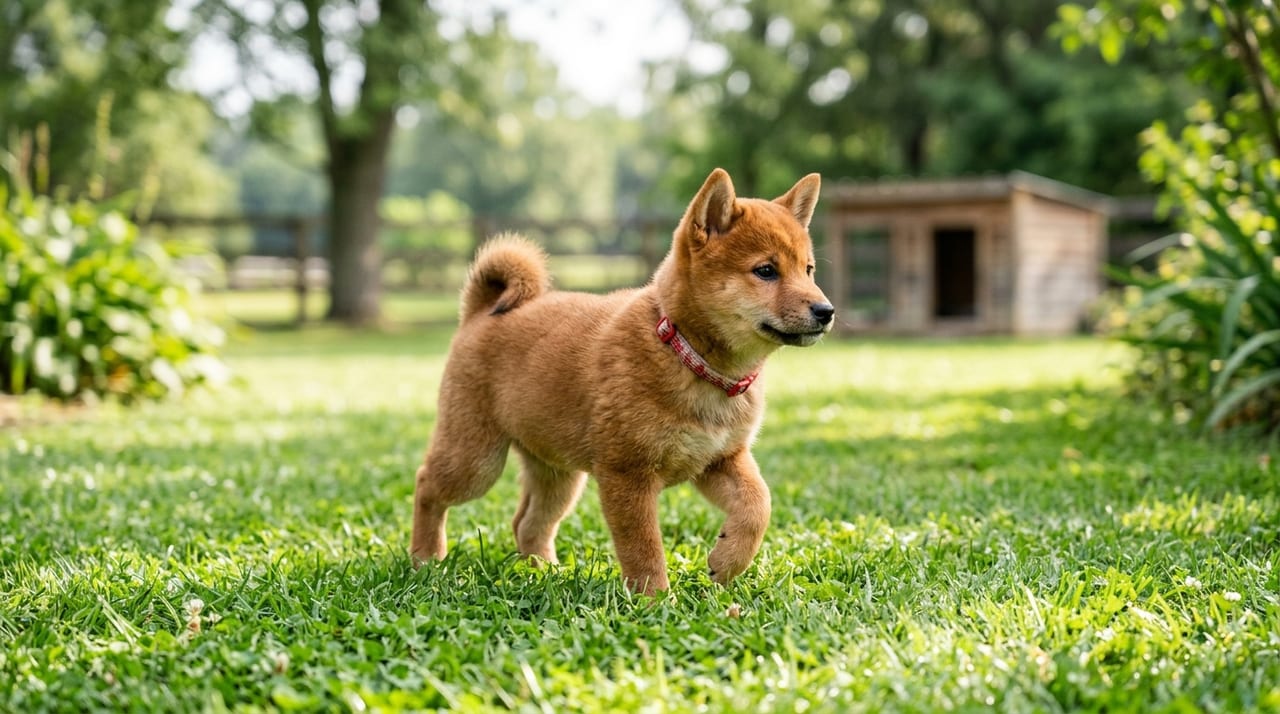
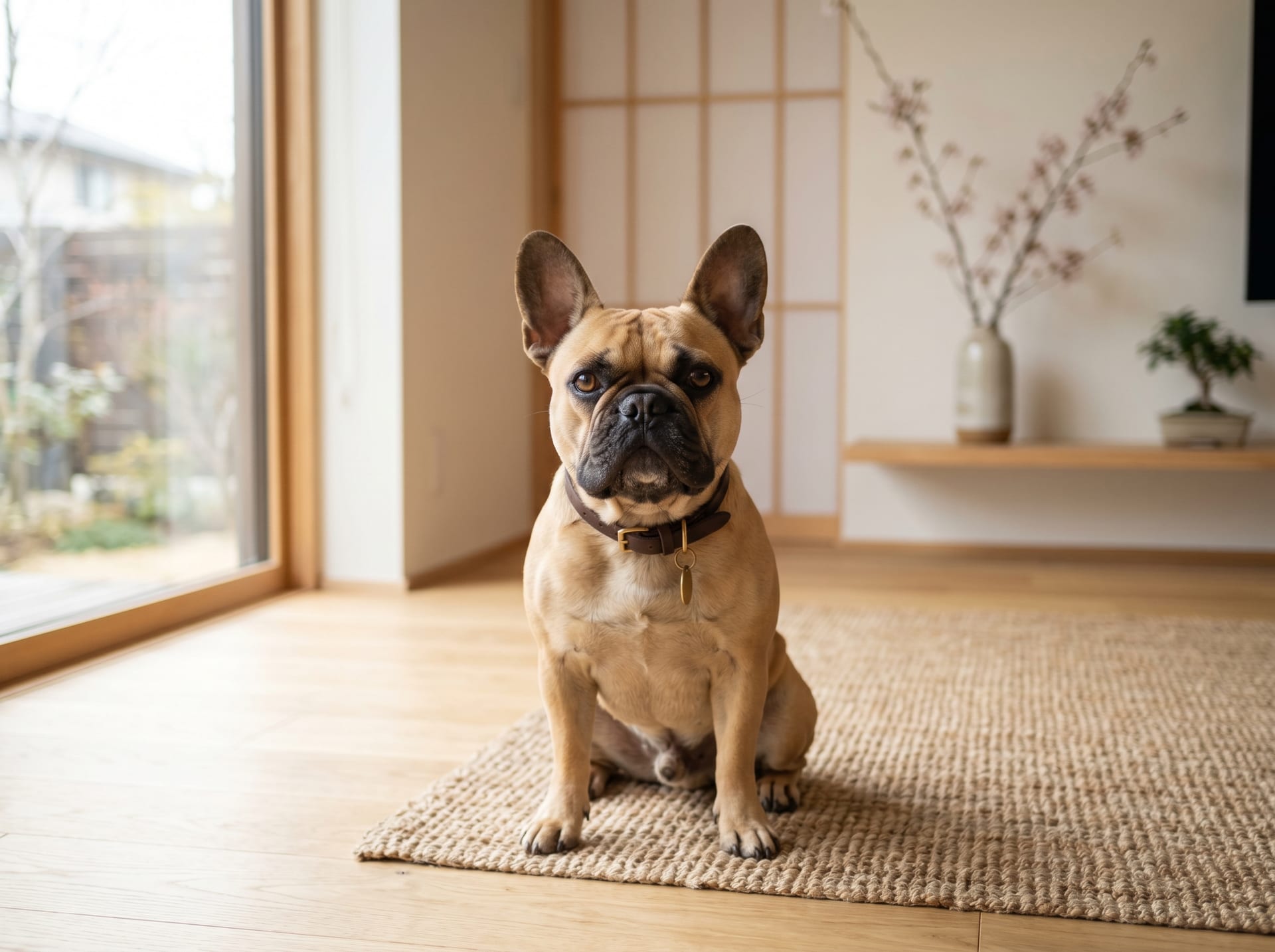
- Small Breeds: 4-10kg body weight (Miniature Dachshund, Shiba Inu, French Bulldog, etc.)
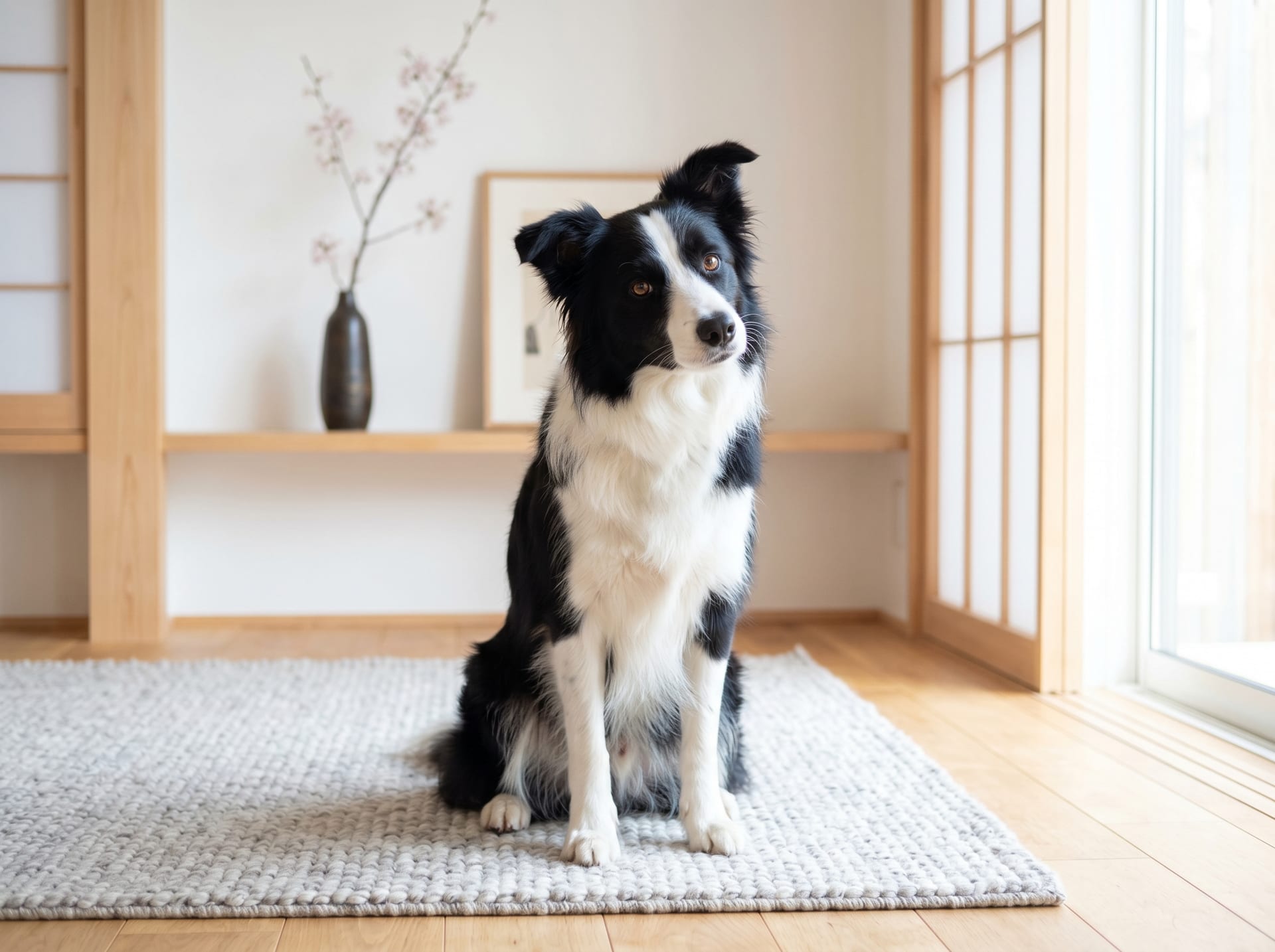
- Medium Breeds: 10-25kg body weight (Beagle, Large Shiba Inu, Border Collie, etc.)
- Large Breeds: 25kg and above body weight (Labrador, Golden Retriever, German Shepherd, etc.)
Characteristics of Toy/Extra-Small and Small Breeds
Pros:
- Easy to keep in apartments
- Food and veterinary costs are relatively low
- Easy to carry and transport
Cons:
- Higher risk of injuries such as fractures and dislocations
- Compared to large breeds, many are temperamentally more delicate
Recommended For: Single living, elderly households, apartments, people who travel frequently
Representative Breeds
Toy Poodle: Intelligent with high learning ability. Relatively suitable for those with allergies (minimal shedding). Regular grooming is required.
Chihuahua: The world's smallest dog breed. Affectionate and loyal to their owner. Sensitive to cold and may need clothing. Can be quite alert and wary.
French Bulldog (Small): Calm and peaceful. As a short-faced breed with a short nose, care must be taken regarding heatstroke and breathing difficulties.
Characteristics of Medium Breeds
Pros: Moderate exercise needs with a good balance of physical robustness and ease of handling
Cons: They do better with ample space and are prone to insufficient exercise in small apartments
Recommended Breeds:
- Beagle: Highly social and friendly with children. Excellent sense of smell and may be pulled by scents
- Shiba Inu: A dog breed native to Japan. Independent-minded with deep loyalty to their owner. Early socialization is particularly important
Characteristics of Large Breeds
Pros: Many individuals have calm temperaments and are ideal partners for active people
Cons: Higher costs for food, veterinary care, and pet boarding. Requires spacious living quarters. Shorter lifespan (8-12 years)
Recommended Breeds:
- Golden Retriever: Gentle and friendly with children and other dogs. Active and requires exercise
- Labrador Retriever: Intelligent and easy to train. The most popular large breed as a family dog
Selection Guide Summary by Lifestyle
| Lifestyle | Recommended Size/Breed |
|---|---|
| Single living/Apartments | Toy/Extra-Small to Small (Toy Poodle, Chihuahua) |
| Families with children | Small to Medium (Beagle, Golden Retriever) |
| Active/Outdoor enthusiasts | Large (Labrador, Border Collie) |
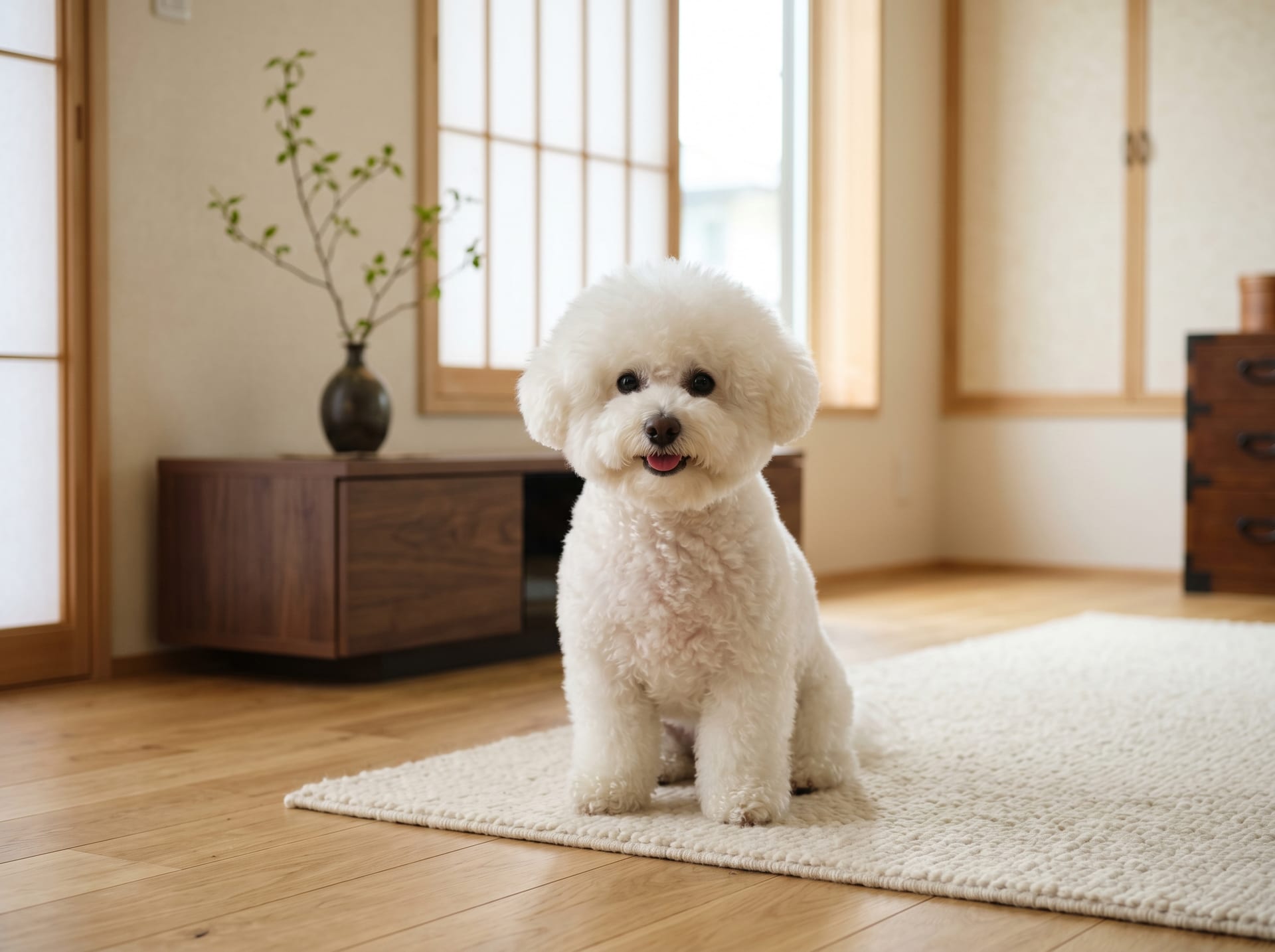
| Elderly households | Small, gentle breeds (Shih Tzu, Bichon Frise) |
Summary
Choosing the right dog size has an impact on your lifestyle for 10-15 years or more. It's important to honestly evaluate your living environment, activity level, and financial capacity before choosing the size you want to keep. To make a choice you won't regret, research the characteristics of the breed thoroughly before bringing one home.