Coral Enthusiast Community & Flag Swap Guide
Explore flag swap events, social media communities, and tips for trustworthy transactions.The joy of coral keeping extends far beyond what's in your aquarium.
Key Takeaways
Explore flag swap events, social media communities, and tips for trustworthy transactions.The joy of coral keeping extends far beyond what's in your aquarium.
Related Species
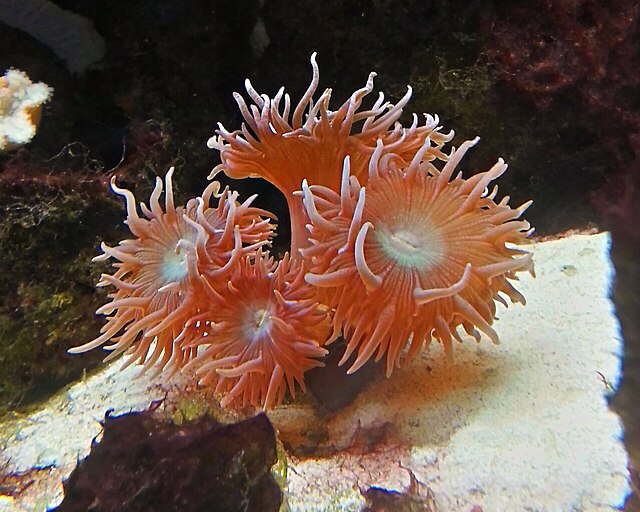
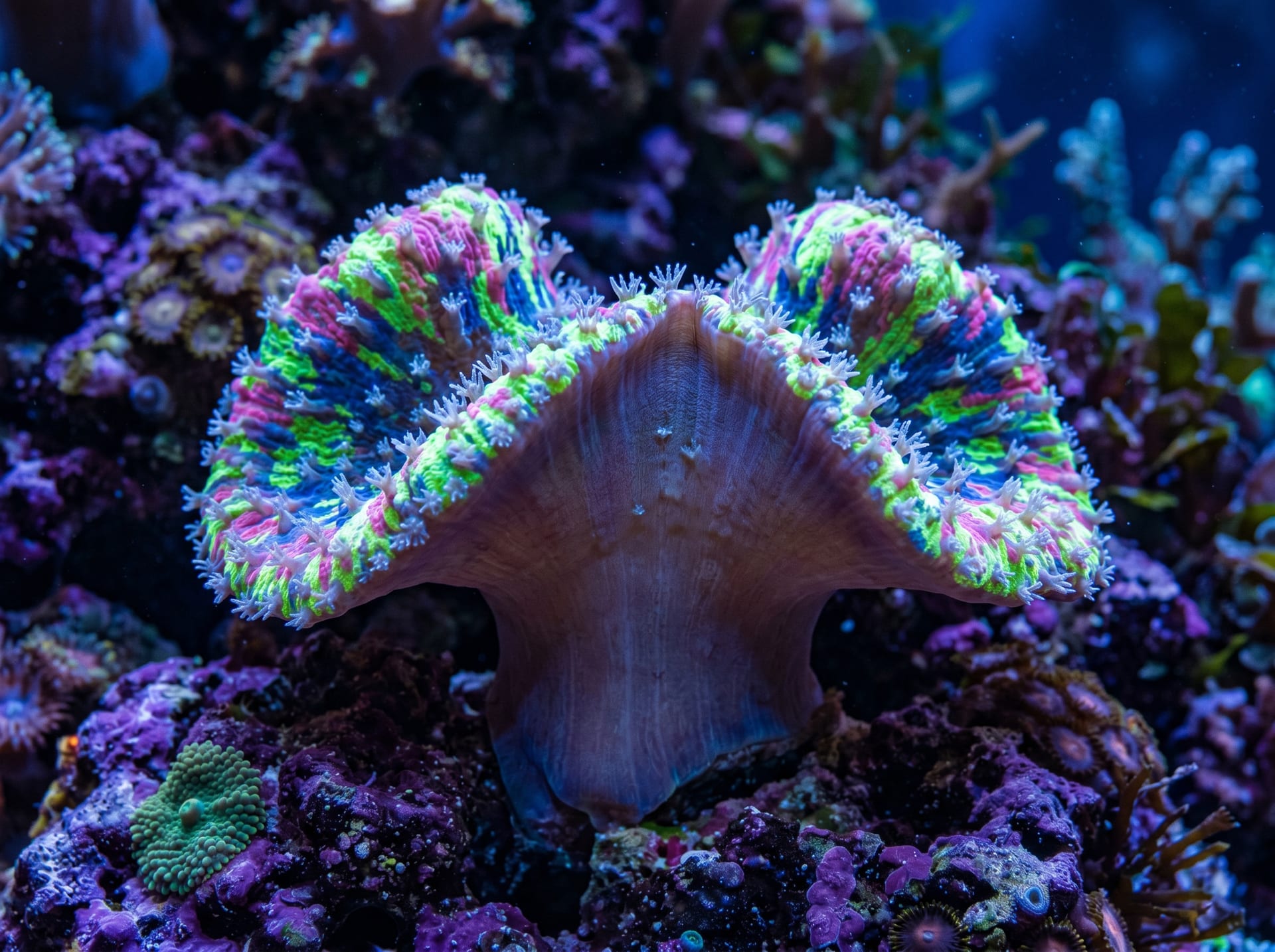
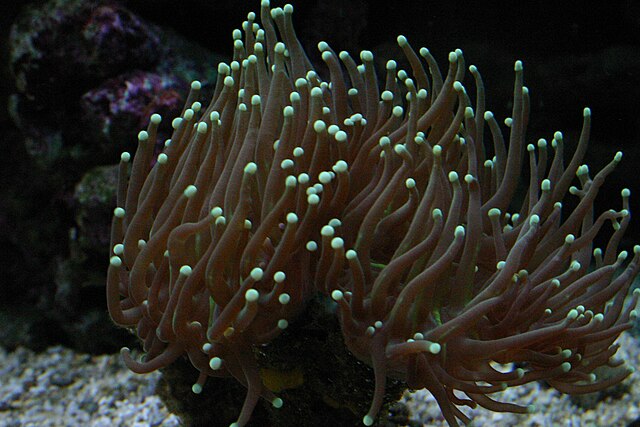
The joy of coral keeping extends far beyond what's in your aquarium. Connecting with fellow enthusiasts enriches your hobby experience immensely, through knowledge sharing and access to rare corals. This article introduces how to join coral enthusiast communities and provides a practical guide to flag swaps—the exchange of coral fragments among hobbyists.
Types of Coral Enthusiast Communities
Coral communities exist worldwide in various forms. Choose one that matches your goals.
- Social Media Groups (X/Twitter, Instagram): The most accessible communities. Search hashtags like #reeftank or #coraltan to find enthusiasts. Daily tank photos and troubleshooting discussions are active here
- Message Boards & Forums: Better suited for detailed care logs and in-depth discussions. Reef2Reef and Reef Central are major platforms overseas, with several specialized forums in Japan. High searchability of archives makes troubleshooting easier
- LINE Open Chat: A uniquely Japanese platform with numerous coral care open chats. Real-time Q&A is possible, and regional groups exist
- YouTube Communities: Regular viewers form communities around coral care YouTubers' channels. Interaction happens in video comments and membership-exclusive Discord servers
- Local Aquarium Clubs: Club activities hosted by local aquariums and aqua shops. In-person interaction allows for deeper relationships, such as visiting each other's tanks
What Are Flag Swap Events?
Flag swaps are events where enthusiasts exchange coral fragments with each other.
- Event Format: Participants bring coral fragments propagated in their own tanks and exchange them in person. These are typically held at aqua shops or event spaces
- Benefits of Participation: A rare opportunity to acquire hard-to-find species and exclusive color morphs from private collectors unavailable in shops. Husbandry information is also actively exchanged
- Finding Event Information: Events are announced through social media coral communities, aqua shops, and as side events to aquarium expos. Some groups host regular swaps, so start by gathering information on social media
- First-Time Participant Tips: Newcomers often hesitate thinking they have no frags to trade, but most events allow purchases too. Popular species like torch corals and Duncan corals are actively traded, so start by observing or buying—get to know people first
- Online Flag Swaps: Enthusiasts from distant locations can also swap frags online through photos on social media and shipping
Preparing and Creating Frags
Learn how to create frags from your own corals to participate in flag swaps.
- Tools Needed: Prepare frag plugs (small ceramic bases), coral-safe adhesive (gel-type cyanoacrylate), a frag saw or bone cutter, and coral dip solution
- Creating SPS Frags: Cut the tip of branching SPS 2–3 cm from the end with a bone cutter and attach to a frag plug. Minimize air exposure of the cut surface and return quickly to water
- Creating LPS Frags: Disk corals are cut along the skeleton with a band saw. Since this is difficult, it's safer to start by mounting naturally divided specimens on frag plugs
- Creating Soft Coral Frags: Zoanthids are divided by breaking apart small pieces of live rock. For mushroom corals, cut the head and secure to a frag plug with string or rubber bands. They'll attach in 2–3 weeks
- Frag Recovery Period: Newly cut frags are stressed. Before bringing them to a swap, condition them in your tank for at least 2–4 weeks until polyps are fully extended and growth is visible
- Dip Treatment: Before trading, dip frags in solutions like Coral RX to prevent introducing pests—it's proper etiquette
Tips for Trustworthy Transactions
When trading online between individuals, there are important precautions to avoid problems.
- Verify the Other Party: Check their social media history to see if they've maintained tanks long-term and have good trading feedback. Be cautious with new accounts or those with very few posts
- Multiple Photos Under Different Lighting: Coral colors vary significantly under blue light versus full spectrum. Request photos under multiple lighting conditions before trading. Be particularly wary of edited photos
- Confirm Shipping Method: Corals should be shipped in a foam box with temperature control (ice packs in summer, heat packs in winter), wrapped in a bag with a small amount of water. Use next-day delivery and confirm schedules so you can open immediately upon arrival
- Species Name Accuracy: Popular color morphs have specific names, but misidentification can happen in private trades. Cross-check with reliable sources, and if unsure, honestly label it as "unidentified Acropora" or similar. Honesty matters
- Handling Problems: Agree on procedures for DOAs beforehand. Typically, open and photograph immediately upon arrival. If DOA is confirmed, refunds or replacement frags are standard
- Start Small: With new traders, begin with inexpensive frags to build trust before trading high-value rare specimens
Benefits of Information Sharing in Communities
Participating in communities provides real-world information you won't find in books or web searches.
- Real-Time Troubleshooting: Post a photo of a struggling coral and get immediate advice from experienced members. In emergencies like RTN, this speed can save your colony
- Equipment Reviews: Get honest feedback about new products beyond manufacturer claims. Information like "this skimmer's impeller broke in six months" is invaluable before buying
- Regional Information: Tap water quality varies by location. Hearing from locals like "our area has high TDS so RO membrane replacement is frequent" is invaluable
- Maintaining Motivation: Sharing beautiful tank photos boosts your drive. Long-term keeping can feel lonely, so having community support is crucial
- Bulk Purchasing Opportunities: Group bulk buys of overseas equipment and additives, shared natural seawater collection—benefits only possible as a group
Community Etiquette and Mindset
Maintain good community etiquette to build positive relationships.
- Search Before Asking: Check if your question has been answered before. Repeatedly asking common questions will get you cold responses
- Share Your Own Experience: Don't just receive—share your own wins and failures. Failure stories are especially valuable for others
- Don't Criticize Other Husbandry Methods: Many approaches exist. Debating natural versus Berlin method approaches isn't constructive
- Don't Use Others' Photos Without Permission: Never post someone else's tank photo as your own. Always credit the source when sharing
Expand Your Coral Community with BreederDirect
BreederDirect connects you directly with passionate coral breeders. Through purchases, relationships develop—you'll get husbandry advice and frag recommendations, naturally expanding your community circle. Sourcing quality corals from trusted breeders is the first step to enjoying community activities with confidence.