SPS Coral Care Guide | How to Beautifully Cultivate Acropora and Montipora
Complete guide to keeping SPS (Small Polyp Stony) corals. Learn optimal light levels, water flow, water parameters for Acropora and Montipora, techniques for color enhancement, and how to prevent bleaching.
Key Takeaways
Complete guide to keeping SPS (Small Polyp Stony) corals. Learn optimal light levels, water flow, water parameters for Acropora and Montipora, techniques for color enhancement, and how to prevent bleaching.
Related Species
What Are SPS Corals? Understanding the Appeal and Challenges
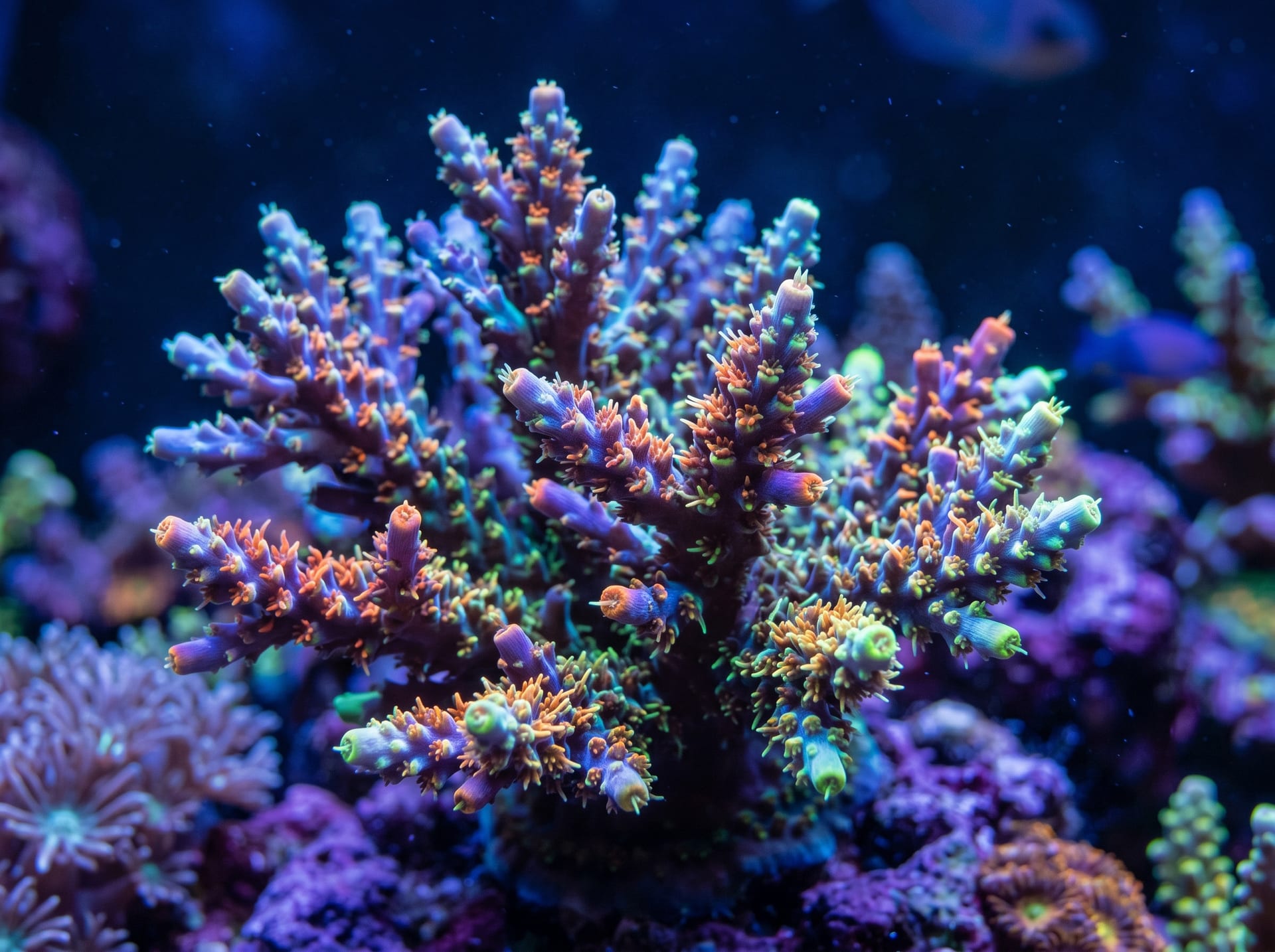
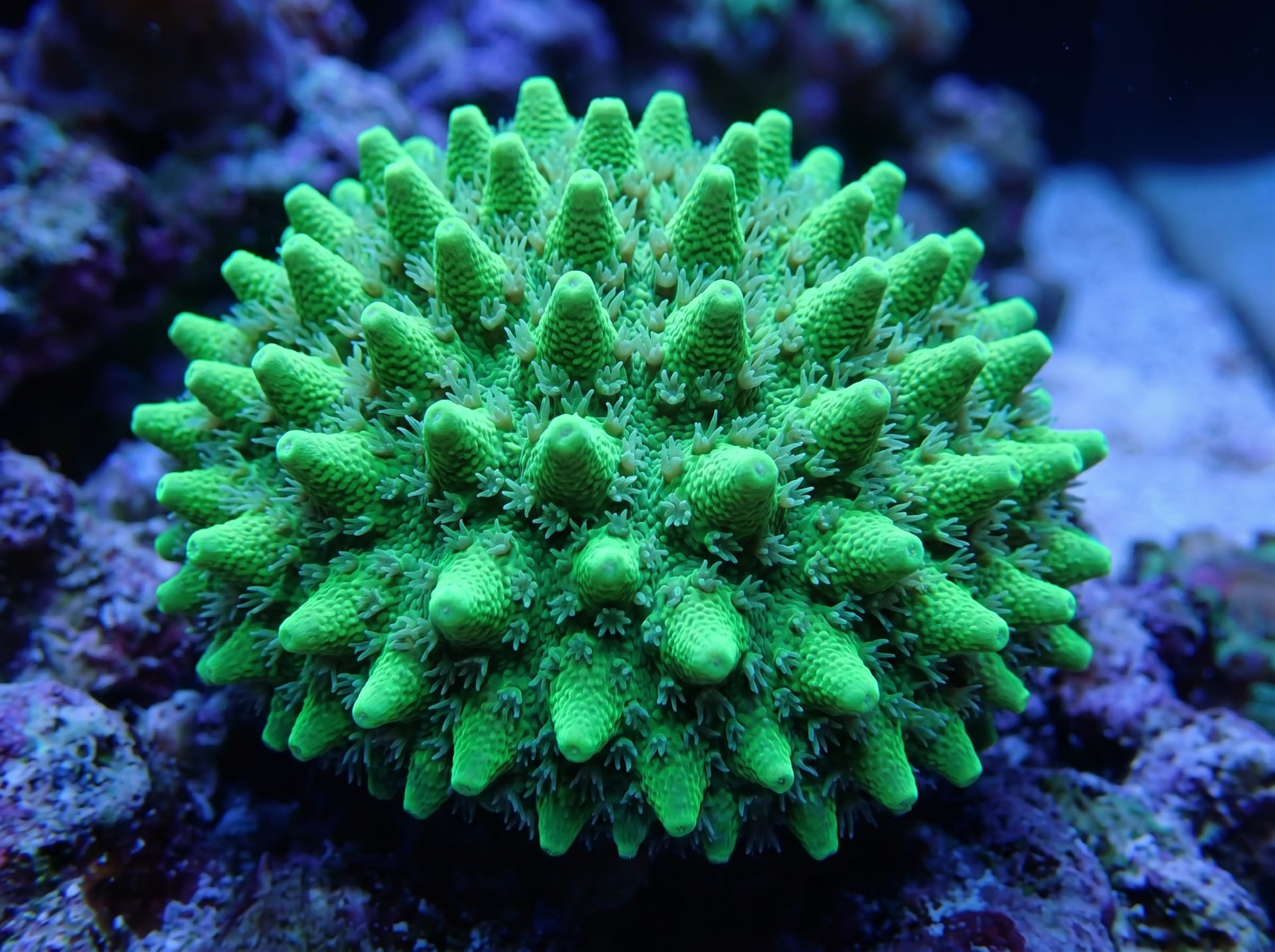
SPS (Small Polyp Stony Coral) is a general term for hard corals with small polyps. Representative species include Acropora (Millepora), Montipora, and Stylophora, making them a high-difficulty group in the marine aquarium hobby—so much so that there's a saying "you're a true aquarist once you can beautifully cultivate SPS."
However, beneath this difficulty lies an undeniable beauty unmatched by other corals. The brilliant fluorescent greens and purples that glow beneath blue LED light, the dynamic branching growth as the coral expands—these are the qualities that continue to captivate SPS enthusiasts.
The primary cause of SPS failure is water quality fluctuation. Compared to LPS and soft corals, they have lower tolerance for environmental changes, and even slight water parameter shifts can trigger bleaching or tissue necrosis (RTN/STN). Conversely, if you establish a stable water quality system, even beginners can successfully keep them. Start by firmly understanding what each parameter means and what target values to aim for.
Essential Water Parameters for SPS and Basic Management
Since SPS is extremely sensitive to water quality changes, maintaining stability is the top priority over achieving target values.
Phosphate: 0.03 ppm or below (excess inhibits skeleton formation)
Nitrate: 1–5 ppm (neither zero nor too high)
Specific Gravity (Salinity): 1.025–1.026
Water Temperature: 24–26°C (avoid sudden changes)
The KH–Calcium–Magnesium Triangle Balance
✍️
BreederDirect Editorial
The BreederDirect editorial team specializes in care information for animals, covering veterinary care and breeding to deliver beginner-friendly guides.
Find Coral on BreederDirect
Buy directly from verified breeders
Browse Related Listings
Find Coral listings related to this article on BreederDirect. Buy directly from verified breeders.
Related Tools
Related Articles
Browse by Category
🪸Coral
🐠Marine Fish
🐟Tropical Fish
🐡Goldfish
🐟Medaka
🦎Reptiles
Share
KH, calcium, and magnesium are inseparably linked. These three are fundamental components in synthesizing calcium carbonate, which forms the coral skeleton. If one drops, the others will cascade out of balance. For example, rapidly increasing KH consumes calcium, then supplementing calcium disrupts the magnesium ratio.
The management key is never make large changes at once. Develop a habit of daily micro-adjustments using Kalk (calcium hydroxide solution), two-part additives (calcium plus alkalinity supplements), or commercial calcium reactors. Weekly water testing is essential.
Choosing Lighting and the Importance of Light Acclimation
SPS require strong light. Insufficient light causes zooxanthellae overgrowth, darkening the coral brown; conversely, excessive light causes bleaching from light stress. Understanding and setting appropriate light intensity is the first step to color enhancement.
PAR Values and Photoperiod Guidelines
Recommended PAR: 200–400 µmol/m²/s (many Acropora prefer 300 or higher)
Photoperiod: 8–10 hours. Sunrise/sunset functions that mimic natural cycles are ideal
Spectrum: A bias toward blue wavelengths (420–460 nm) activates fluorescent proteins and enhances coloration
Popular LED Lights
EcoTech Radion: Highly customizable spectrum, trusted by serious SPS hobbyists
AI Hydra: Excellent value with convenient smartphone control
Kessil: Features natural light shimmer and excellent color penetration, ideal for hard corals
Always Perform Light Acclimation
Since light conditions differ significantly from the shop or shipping environment, place newly acquired corals in a low-light area of the tank and gradually move them to their target position over 2–3 weeks. Skipping this step risks "light stress bleaching," which can be difficult to recover from.
Water Flow Design and Placement Strategy
For corals, water flow is analogous to "respiration." Without adequate flow, mucus and metabolic waste accumulate, causing disease or necrosis. SPS particularly favor strong, randomized water movement.
Basic Water Flow Settings
Recommended Total Flow: 30–50× tank volume per hour (e.g., 3,000–5,000 L/hr for a 100 L tank)
Pump Placement: Install two or more pumps at angles or diagonally, ensuring flow doesn't directly blast the coral
Creating Random Flow: Use wave-making pumps (Vortech, Maxspect Gyre) or alternate pumps on timers
Placement Tips
For branching Acropora, set flow intensity so polyps wave gently without risking breakage—avoid direct impact
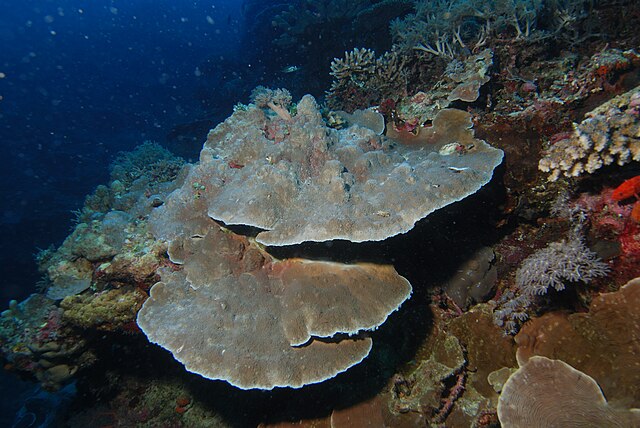
For plate-form Montipora, aim flow at the surface to remove detritus more effectively
Direct flow at live rock and walls to disperse it, creating gentle randomized flow throughout the tank
Color Enhancement Techniques and Supplement Use
Moving from "simply keeping SPS alive" to "cultivating beautiful specimens" requires water management plus deliberate color-boosting techniques.
Key Factors Affecting Coloration
Nitrate Concentration: Maintaining 2–5 ppm reduces zooxanthellae density and makes the coral's natural fluorescence stand out. Levels near zero risk malnutrition and bleaching
Phosphate Management: High phosphate inhibits skeleton formation and dulls color. Regularly swap activated carbon or GFO (Granular Ferric Oxide) media
Water Temperature: Stabilize around 25°C. High temperatures stress corals and suppress fluorescent protein expression
Effective Supplements
Amino Acid Additives (Coral Amino, Reef Energy, etc.): Promote fluorescent protein synthesis and enhance coloration
Iodine & Trace Elements: Support polyp activity and color maintenance. Start small—overdosing is counterproductive
Planktonic Foods: Feeding nanoplankton or frozen plankton 1–2 times weekly boosts growth rate
Bredior's Safety and Trust Framework
What matters most in SPS keeping is starting with a quality specimen. No matter how stable your water chemistry, a weak or diseased coral introduced at the start risks your entire tank.
At Bredior, SPS specialists sell frags and cut specimens they've personally cultivated. You can directly verify breeding conditions, water parameters, and lighting from the breeder—allowing you to assess compatibility with your setup beforehand.
Since this is a direct-from-breeder model with no intermediaries, you get premium quality at reasonable prices. Should questions arise after purchase, you can consult the breeder directly.
SPS success rests on four pillars: water quality, lighting, water flow, and sourcing a healthy specimen you trust. Take your time perfecting your environment, find your ideal frag on Bredior, and begin your SPS journey.