Building a Soft Coral-Focused Reef Tank | Start Beautiful Reef-Keeping on a Budget
A guide to setting up a soft coral-focused reef tank. We cover equipment selection, recommended species, layout tips, and how to enjoy beautiful reef-keeping at a lower cost than SPS setups.
Key Takeaways
A guide to setting up a soft coral-focused reef tank. We cover equipment selection, recommended species, layout tips, and how to enjoy beautiful reef-keeping at a lower cost than SPS setups.
Related Species
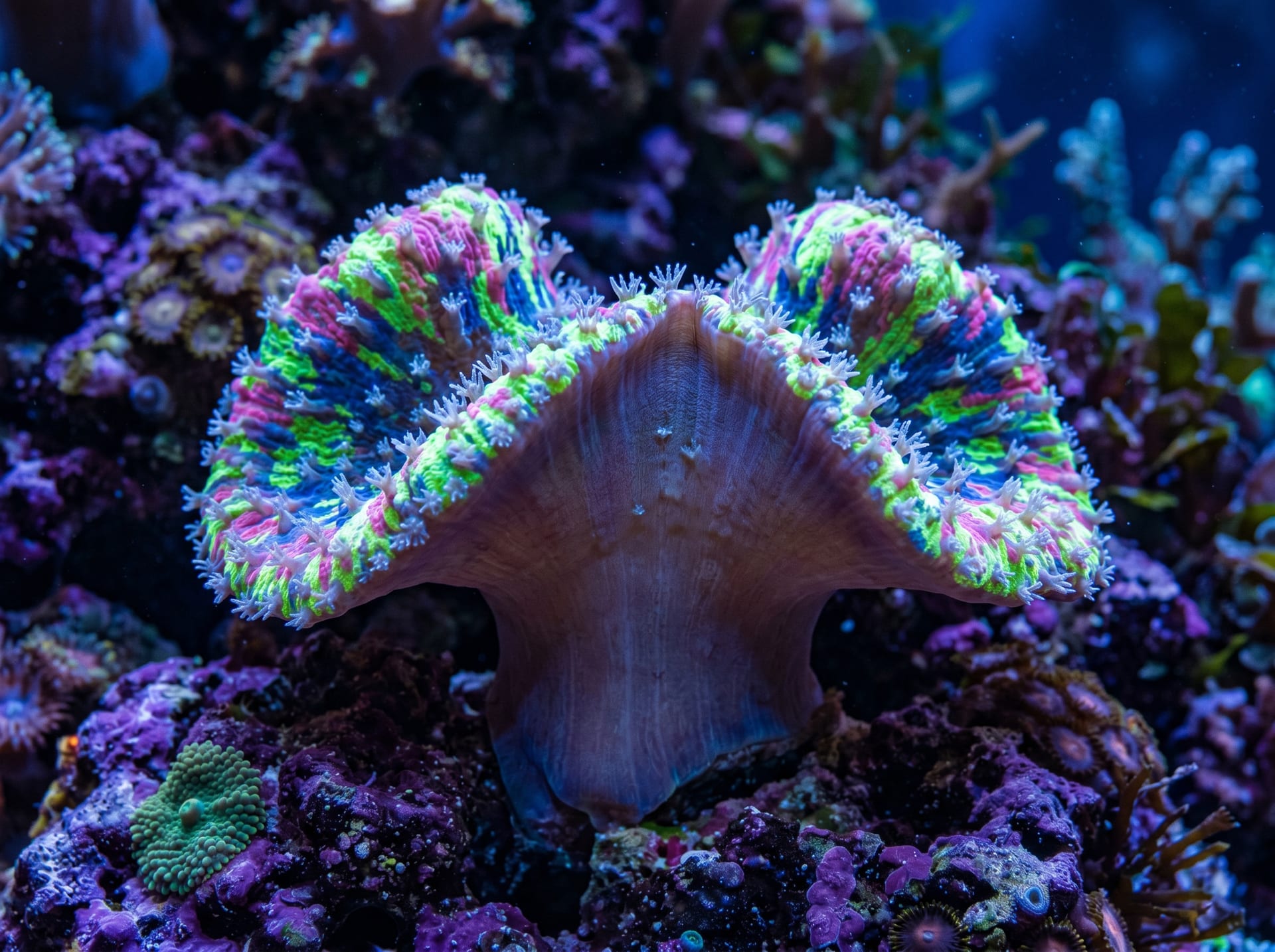
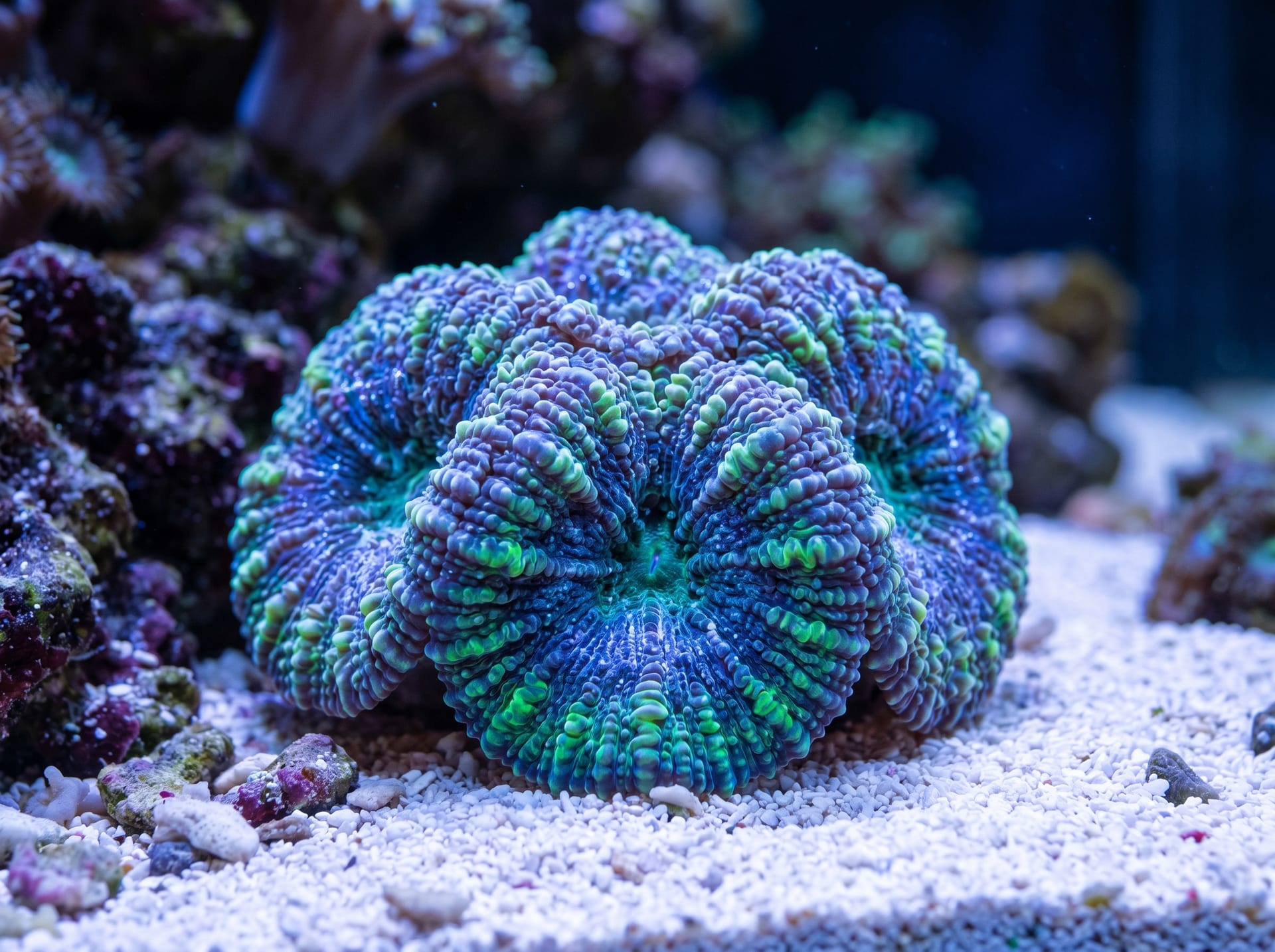
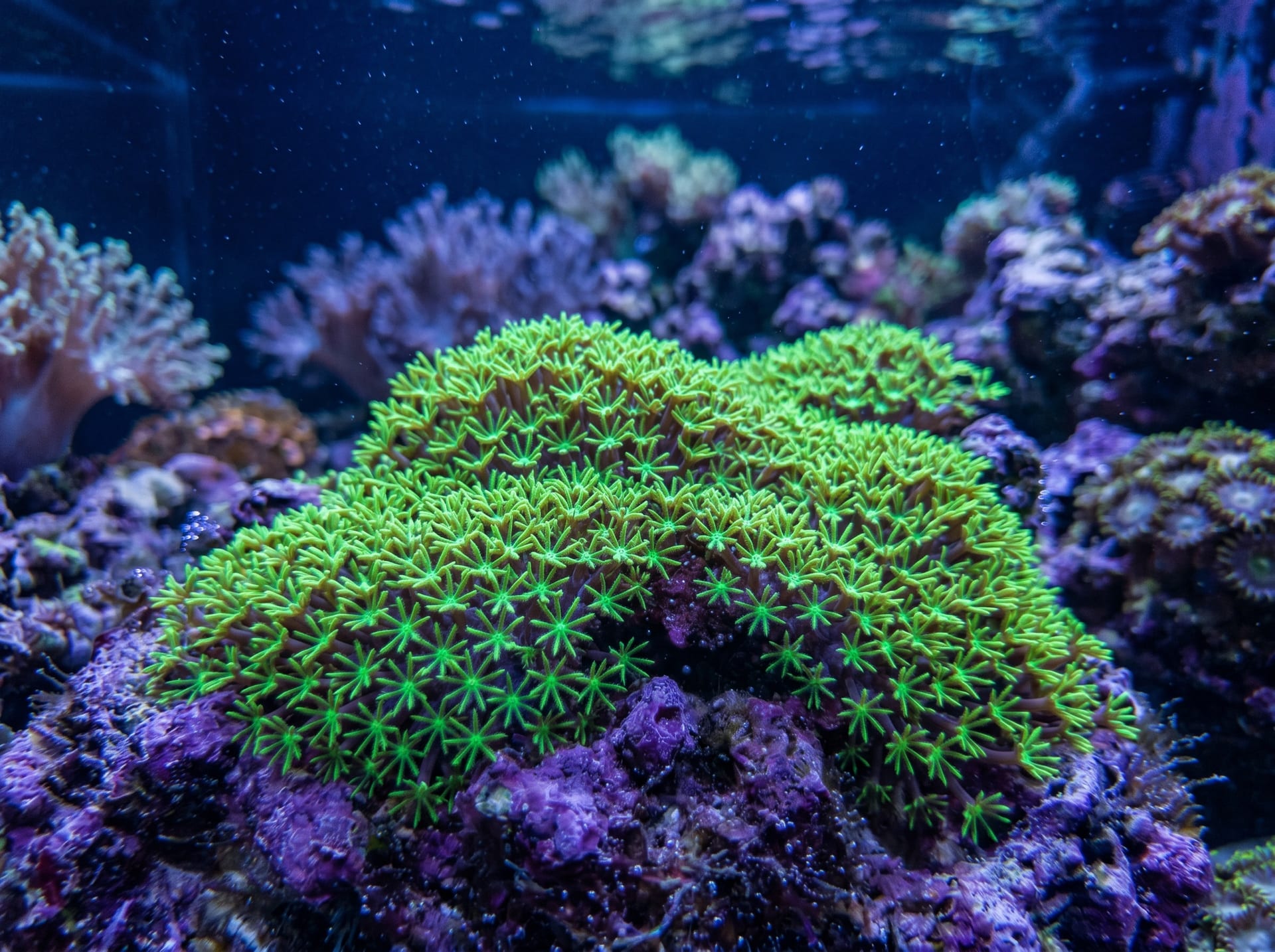
If you're interested in coral tanks but find SPS cultivation intimidating or don't want to invest heavily in equipment, we recommend a soft coral-focused reef tank. Soft corals are hardy, grow quickly, and let you create beautiful aquascapes with relatively affordable equipment. This article walks you through setting up and maintaining a soft coral garden.
The Appeal of Soft Corals and Their Differences from SPS
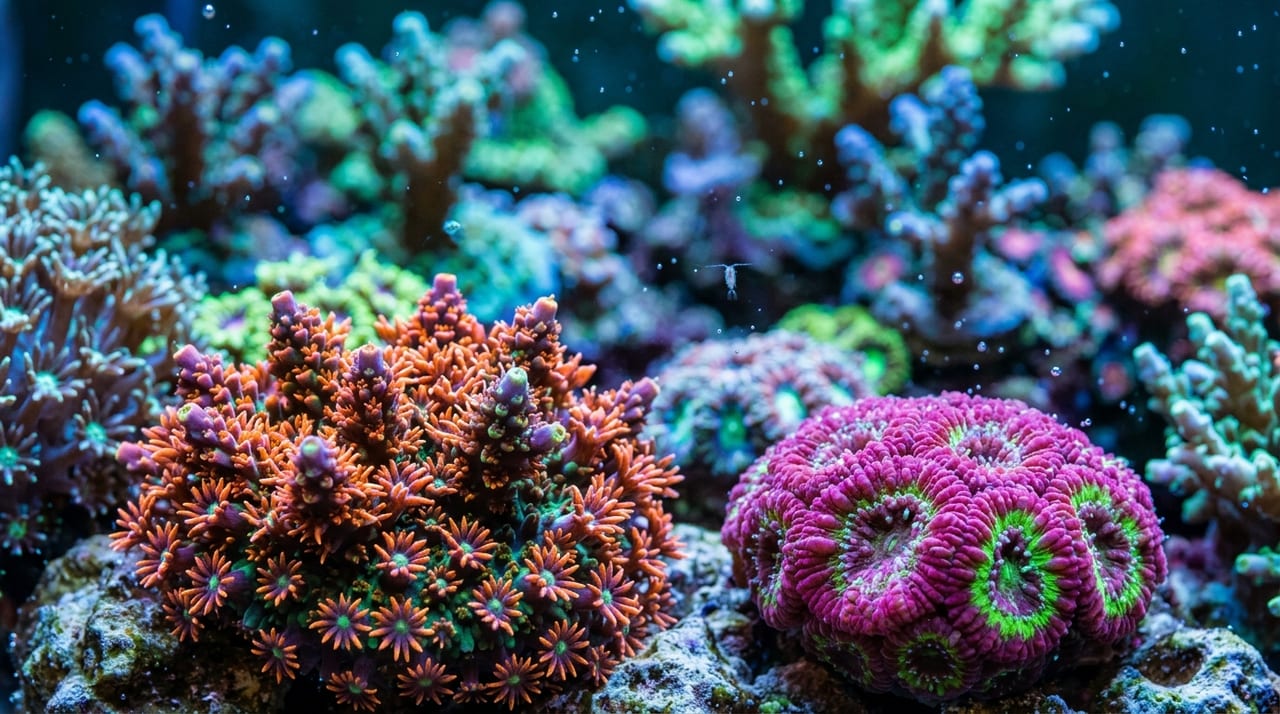
Soft corals is the collective term for corals without a calcified skeleton, including mushroom corals, disc corals, star polyps, leather corals, tree corals, and xenia. The biggest advantage of soft corals compared to SPS is ease of care. They are highly tolerant of water quality fluctuations and do not require strict management of calcium and KH. Lighting doesn't require high-output LEDs or metal halide lamps—moderate LED output is sufficient. A small protein skimmer works fine, and expensive equipment like calcium reactors or dosing pumps is basically unnecessary. Soft coral gardens let you enjoy beautiful coral tanks while keeping initial investment low, which is their greatest appeal.
Required Equipment and Budget
Here's an overview of equipment needed for a soft coral tank.
| Equipment | Details |
|---|---|
| Aquarium | Can be started with a 60 cm tank (around 60 L) |
| Filter | An external filter or small overflow system works well. An external filter can be obtained for around 10,000–20,000 yen |
| Protein Skimmer | A small hang-on type is sufficient, costing around 5,000–15,000 yen |
| Lighting | A coral-compatible LED is necessary, but a lower-output model for soft corals works fine, available for 10,000–30,000 yen |
| Water Pump | One is sufficient, costing around 5,000–10,000 yen |
Adding a heater, thermostat, hydrometer, and water test kit, you can start with a total budget of around 50,000–100,000 yen. In comparison, a full-spec reef tank including SPS costs 200,000–500,000 yen, so you can significantly reduce costs.
10 Recommended Soft Coral Species
Here are recommended soft corals for a soft coral garden.
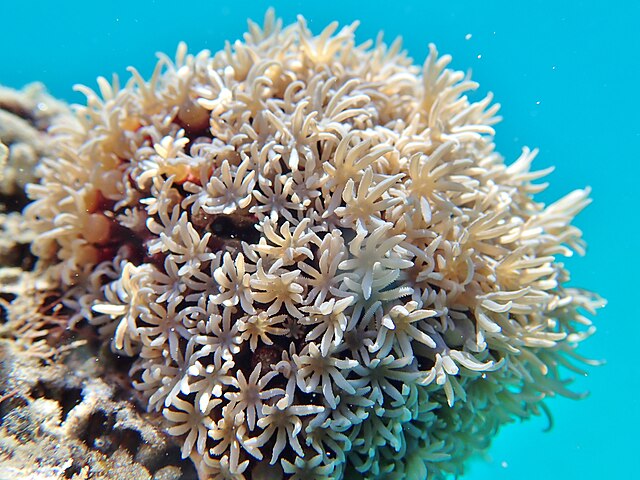
- Star polyps (Pachyclavularia) feature green polyps that spread like grass—a beautiful and extremely hardy species.
- Leather corals (Sarcophyton) have a unique mushroom shape, and the way they sway in the current is elegant.
- Tree corals (Sinularia, Nephthea) have a tree-like form that adds depth to the tank.
- Xenia (Xenia) are captivating with their pulsing motion as polyps open and close—you never tire of watching them.
- Capnella come in beautiful pink and white colors.
- Mushroom corals and disc corals offer abundant color variety as mentioned earlier.
- Feather worms (not technically corals) have beautiful fan-shaped gill crowns that add visual interest to a soft coral tank.
- Clavularia have beautiful tentacles in purple or green.
Layout and Placement Tips
In a soft coral garden layout, create height variation centered around live rock and position each coral species according to its characteristics. Place light-loving species like star polyps and leather corals in high areas, and position low-light species like disc corals and mushroom corals in lower areas. The key is avoiding contact between soft corals. Even though soft corals appear gentle, they secrete chemicals (terpenes) to attack other corals. In particular, leather corals and tree corals can produce toxic mucus, so keep them at least 10 cm away from other corals. Star polyps can grow to cover the entire substrate and live rock, so place them on isolated rocks to prevent them from crowding out other corals' growing space.
Water Quality Management and Maintenance
Water quality management for soft coral tanks doesn't need to be as strict as SPS tanks, but maintain basic parameters.
- Specific gravity should be around 1.023–1.025.
- Water temperature should be around 24–27°C.
- pH should be around 8.0–8.4.
- KH should be around 7–10 dKH.
- Nitrate should be below 20 ppm.
Because soft corals consume less calcium and magnesium, regular water changes (once every two weeks, 10–20% of tank volume) often suffice to maintain these levels. Since artificial seawater used in water changes contains trace elements, individual supplementation is normally unnecessary. Adding activated carbon to the filter can absorb chemicals secreted by soft corals and stabilize water quality. Replace activated carbon once a month. Clean the protein skimmer cup once a week.
Common Troubleshooting for Soft Coral Gardens
Here are common problems in soft coral-focused tanks.
- When "leather coral polyps won't open," they may be molting—shedding their outer skin layer. They usually recover in 2–5 days, so resist the urge to change conditions and observe them. However, if they remain closed for more than a week, review water flow and light intensity.
- "Star polyps spreading too much" is the most frequent problem in soft coral gardens. Place star polyps on isolated rocks with a gap between them and the substrate to prevent them from spreading across the entire tank. If they begin covering other corals, cut away the mat with a bone cutter or knife.
- "Terpene release affecting other corals" is caused by chemicals secreted by leather corals and tree corals. The basic strategy is to use activated carbon continuously and replace it frequently (every 2–4 weeks) for absorption and removal, and do regular water changes to dilute the chemicals.
Once a month, review your tank's overall layout and check that corals' growth isn't blocking light or water flow to other areas. Because soft corals grow quickly, your tank's appearance will change significantly in six months. Maintain aesthetic balance by combining regular trimming with propagation.
Soft coral tanks are relatively inexpensive to start, making them ideal for entering saltwater aquariums. Begin with just two species—star polyps and mushroom corals—and gradually increase variety once the environment stabilizes. In six months, you'll have a beautiful aquascape surrounded by colorful corals.
Building Your Soft Coral Collection on BreederDirect
A soft coral garden has the fun of collecting colorful corals and is a highly collectible hobby. On BreederDirect, you can purchase soft corals directly from coral breeders, and you'll find rare colors of mushroom corals and disc corals. You can also get recommendations tailored to your tank environment, so you can start your first coral setup with confidence.