Water Flow Design and Lighting Optimization to Promote Coral Polyp Extension
Comprehensive guide to the water flow design and lighting optimization essential for healthy coral polyp expansion. Covers light intensity targets by species, water flow patterns, and positioning adjustment methods.
Key Takeaways
Comprehensive guide to the water flow design and lighting optimization essential for healthy coral polyp expansion. Covers light intensity targets by species, water flow patterns, and positioning adjustment methods.
Related Species
Polyp Extension as a Barometer of Coral Health
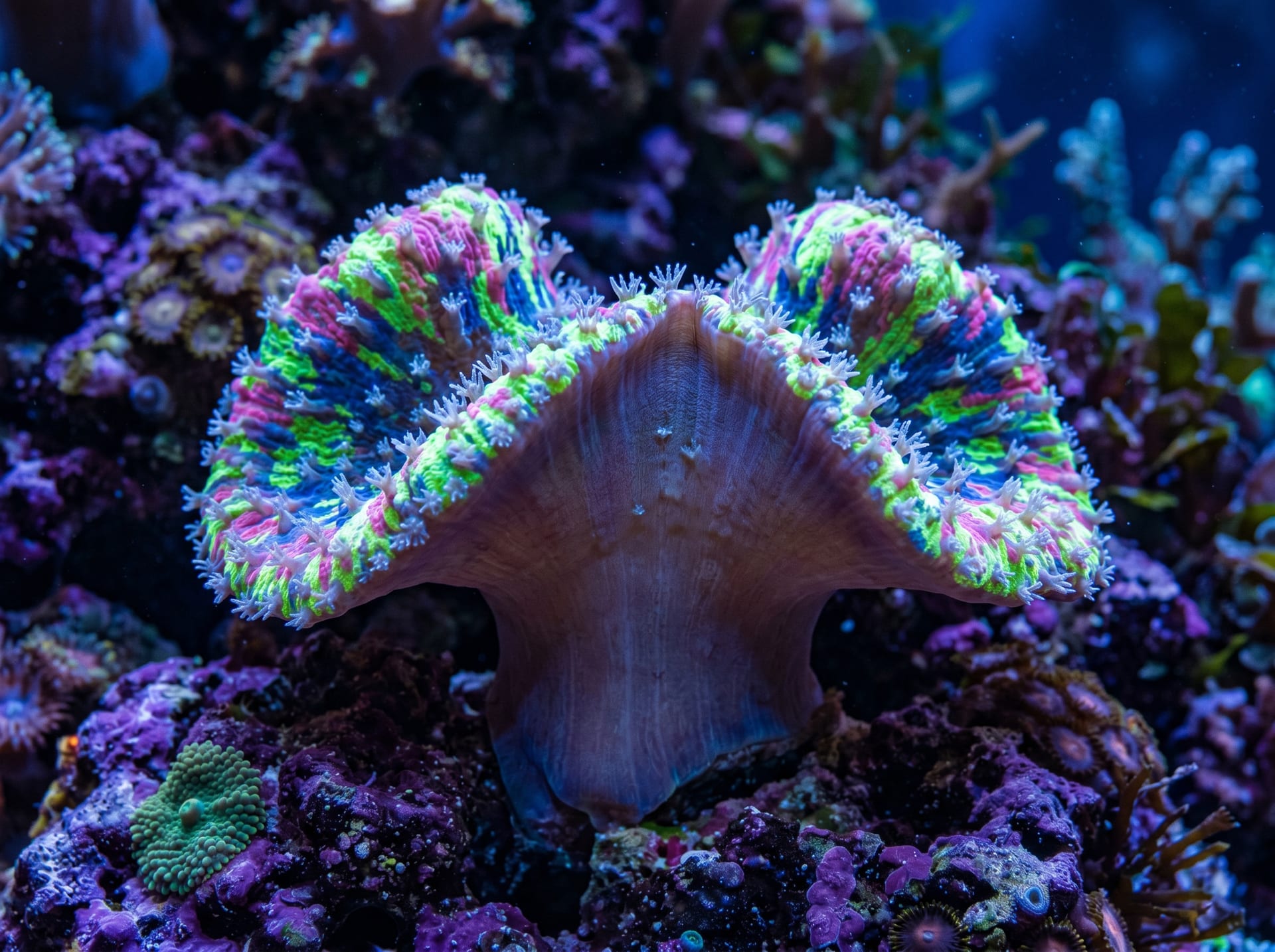
Whether a coral's polyps are sufficiently extended is one of the most intuitive indicators of tank environment health. When polyps are retracted and closed, it indicates a likely problem with water quality, light intensity, or water flow. Conversely, when they are plump and gently swaying, it signals active photosynthesis and feeding.
The main factors affecting polyp extension are: (1) light intensity and wavelength, (2) water flow strength and direction, (3) water temperature and pH, and (4) nutrient balance. Of these, water flow and lighting are the easiest for the hobbyist to control, and improvement can be verified in a short timeframe, so it is recommended to start with these.
---
Lighting: PAR Value and Light Quality Fundamentals
Understanding PAR targets by species
Photosynthetically Active Radiation (PAR) varies significantly by coral type. General targets are as follows:
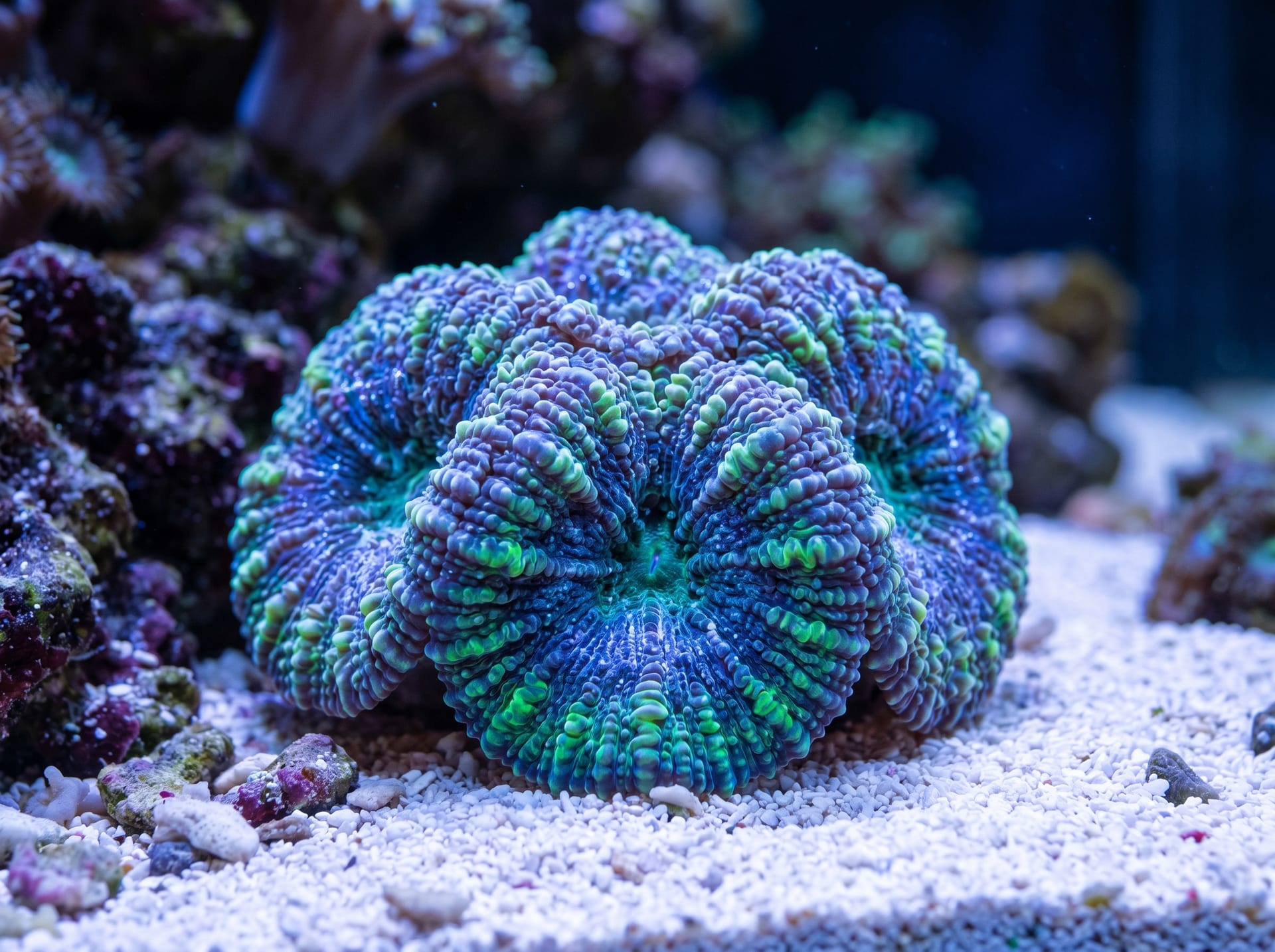
- LPS (Large Polyp Stony Corals): 50–150 PAR. Includes Favia, Favites, and Brain Corals. They grow in low light, but colors fade if it's too dim.
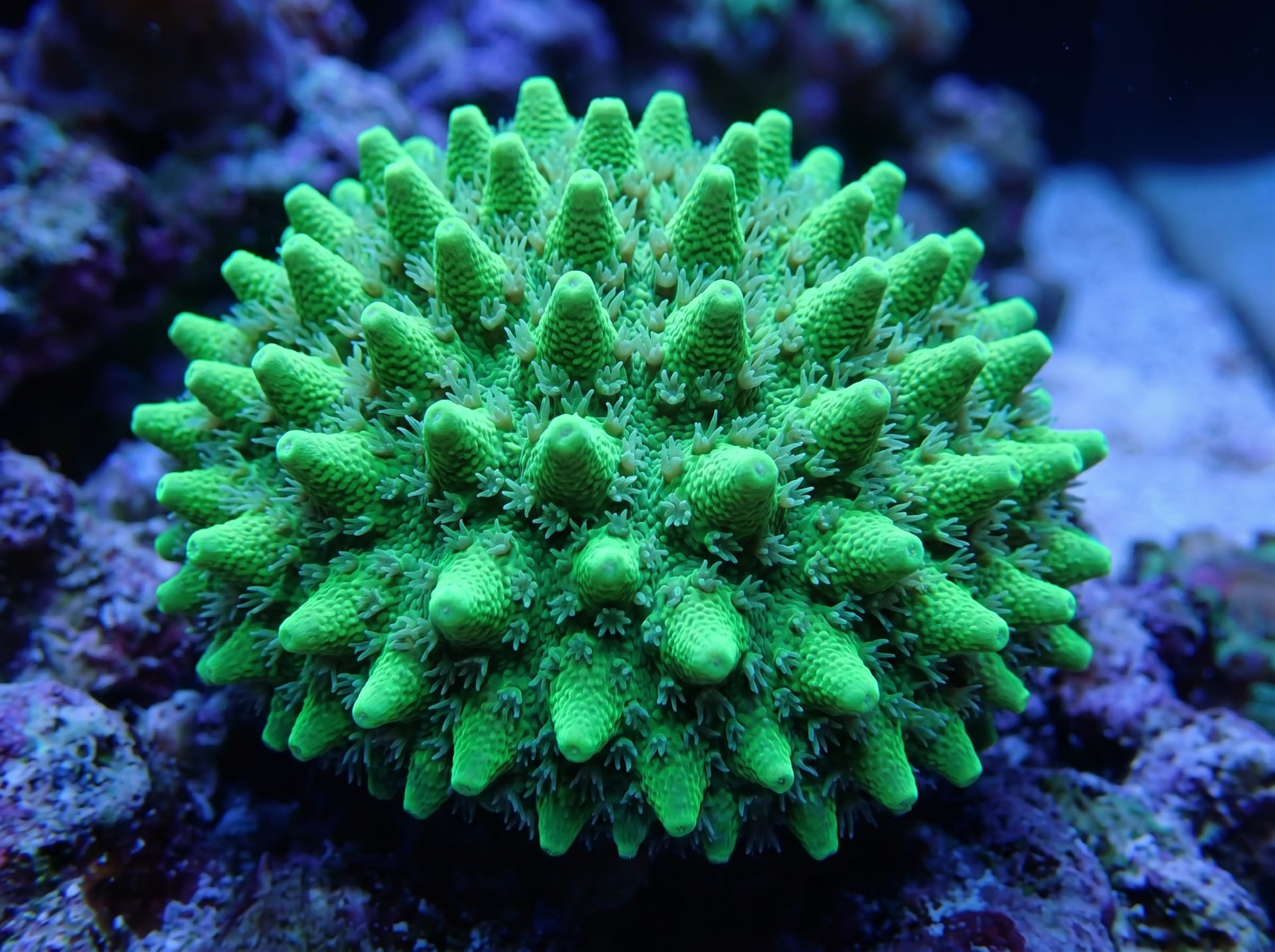
- SPS (Small Polyp Stony Corals): 200–400 PAR or higher. Includes Acropora and common stony corals. They prefer high light and strong water flow.
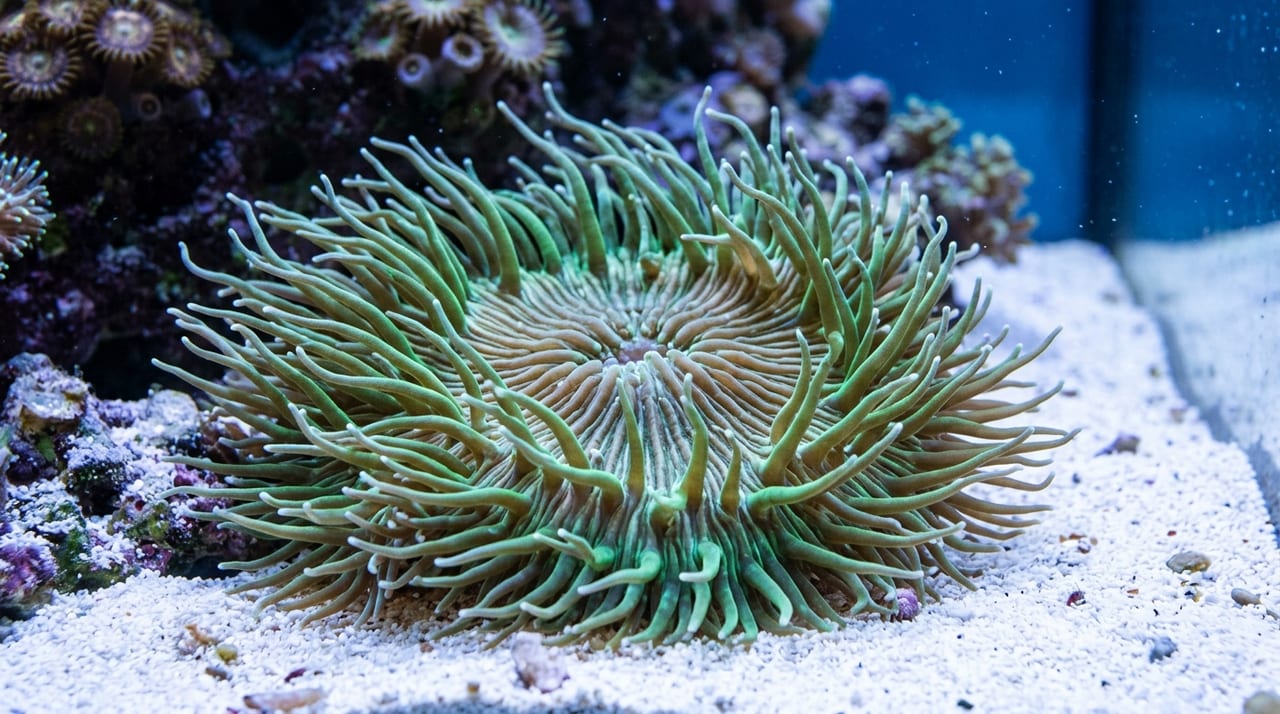
- Soft Corals: 30–100 PAR. Includes Mushroom, Disc, and Leather corals. Many dislike intense light, so placement requires care.
Within a tank, PAR values can vary 2–5 times depending on pump and light positions. It is important to create a "light map" of the tank using an inexpensive PAR meter (¥5,000–¥15,000) and position each coral in an appropriate light intensity zone.
Light color temperature and spectrum
The zooxanthellae (symbiotic algae) that corals harbor use wavelengths most efficiently in the 430–450 nm blue-purple region and 650–680 nm red region. LED lights for marine aquaria typically emphasize blue spectrum, which is suitable for coral keeping. However, red spectrum balance also affects polyp extension, so combining white LEDs to approach a full spectrum is effective.