Nano Reef Tank Setup Guide | Enjoying Corals in 30-45cm Tanks | ブリちょく
Coral| ✍️ BreederDirect Editorial
Nano Reef Tank Setup Guide | Enjoying Corals in 30-45cm Tanks
A guide to enjoying coral keeping in small tanks (30-45cm). Covers equipment selection, recommended coral species, water quality management tips, layout examples, and precautions specific to small tanks.
Key Takeaways
A guide to enjoying coral keeping in small tanks (30-45cm). Covers equipment selection, recommended coral species, water quality management tips, layout examples, and precautions specific to small tanks.
Nano Reef Tank Setup Guide | Enjoying Corals in 30-45cm Tanks
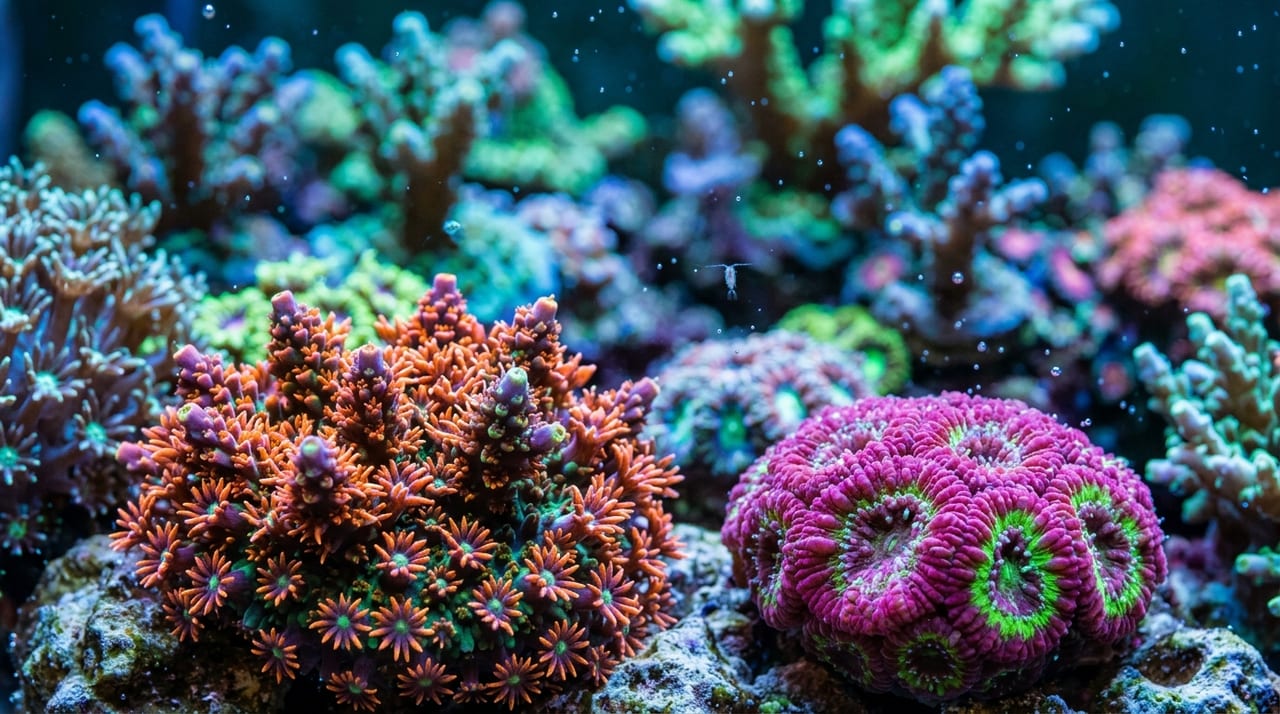
Want to keep corals even with limited space? The answer is a "nano reef tank." Even with a small 30-45cm tank, you can create a professionally impressive, beautiful reef tank by combining the right equipment with careful management. This article comprehensively covers everything from choosing a nano reef tank and selecting equipment to choosing coral species suitable for keeping and daily maintenance. If you're unsure about where to place corals in your tank, please also refer to Coral Placement Strategy | Basic Rules to Avoid Layout Mistakes.
✍️
BreederDirect Editorial
The BreederDirect editorial team specializes in care information for animals, covering veterinary care and breeding to deliver beginner-friendly guides.
Find Coral on BreederDirect
Buy directly from verified breeders
Browse Related Listings
Find Coral listings related to this article on BreederDirect. Buy directly from verified breeders.
Related Tools
Related Articles
Browse by Category
🪸Coral
🐠Marine Fish
🐟Tropical Fish
🐡Goldfish
🐟Medaka
🦎Reptiles
Share
---
Choosing the Right Tank Size for Nano Reefs
A nano reef tank typically refers to a small reef tank under 60cm. Understand the characteristics of each size and choose one that suits your lifestyle.
30cm Cube (~27L)
This is the easiest size to start with, but the small water volume means water quality fluctuations are very large. Temperature, salinity, and nutrient levels can change dramatically in just a few hours, making it challenging for beginners. It's better suited for experienced keepers who want to enjoy a compact setup.
40cm Cube (~64L)
This is the most balanced size for introducing yourself to nano reefs. You can maintain adequate water volume, and water quality stability increases significantly. Equipment options are abundant, and you have reasonable freedom in layout. If this is your first nano reef, this size is recommended.
45cm Tank (~40-50L)
There's ample space in depth and width, allowing for thoughtful placement of live rock and coral layouts. With approximately 50L of water volume, you can accommodate layouts combining multiple coral species.
As a common point, the less water volume you have, the higher the risk of water quality fluctuation. The more you can make a habit of daily observation and management, the more suited you are to nano reefs.
---
How to Choose Necessary Equipment and Installation Tips
In nano reef tanks, space-efficient equipment is crucial. Let's understand the role and selection criteria for each piece of equipment.
Lighting
Lighting that supports coral photosynthesis is one of the most important pieces of equipment in a nano reef. Choose a model designed for small tanks while offering high PAR (photosynthetically active radiation) values. Popular examples include "AI Prime HD" and "Kessil A80." Selecting a model that allows you to adjust light color temperature and irradiation angle enables fine-tuning to match different coral species.
Filtration System
While an overflow system is ideal, space-efficient nano tanks often use a combination of a hang-on-back filter and a small protein skimmer. The key is to pack bio-media such as bio-rings into the hang-on filter to enhance biological filtration.
Protein Skimmer
A protein skimmer, which removes organic matter from the tank, is essential for maintaining reef tank water quality. For nano tanks, hang-on models (that hook onto the outside of the tank wall) are space-efficient and easy to install, with models like "Tunze 9001" and "Aqua Medic (commonly called Nano Skimmer)" being well-regarded. If you're unsure about which model to choose, please also refer to 5 Recommended Protein Skimmers.
Heater and Water Flow
A 50-100W heater with an integrated thermostat is easy to handle and maintains water temperature at 25-26°C. For water flow, install one small wave maker and adjust the angle so that strong current doesn't hit the corals directly. Weak water flow can cause mucus buildup, weakening the corals.
---
Coral Species Suited for Nano Reefs
Many coral species have different requirements for water quality and light. In nano tanks where water quality fluctuations are common, it's best to focus on soft corals and LPS (Large Polyp Stony corals) with high environmental adaptability.
Recommended Soft Corals and LPS
Zoanthids: Take up little space and come in a variety of colors. Easy to keep even for beginners and have high collectibility.
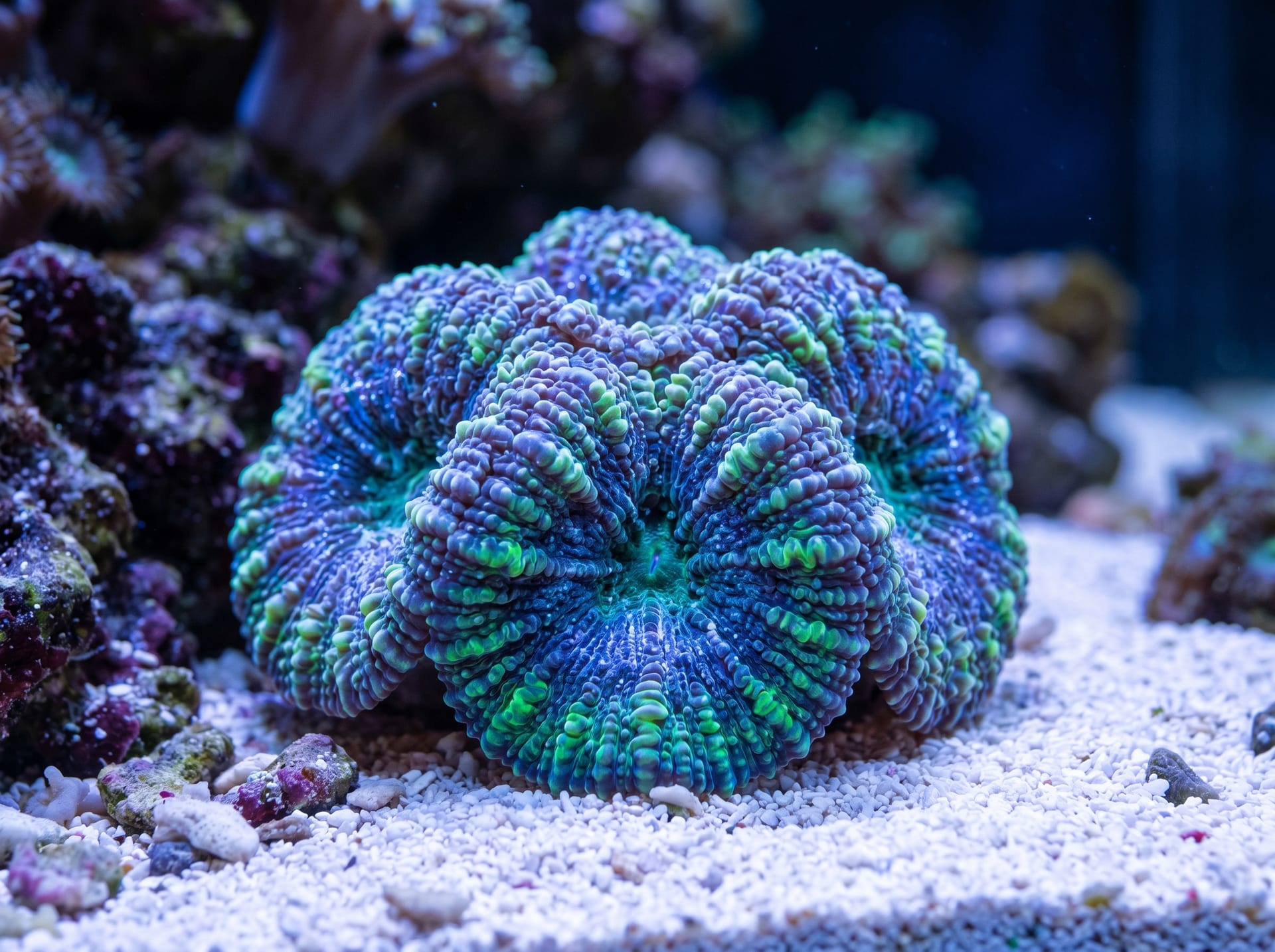
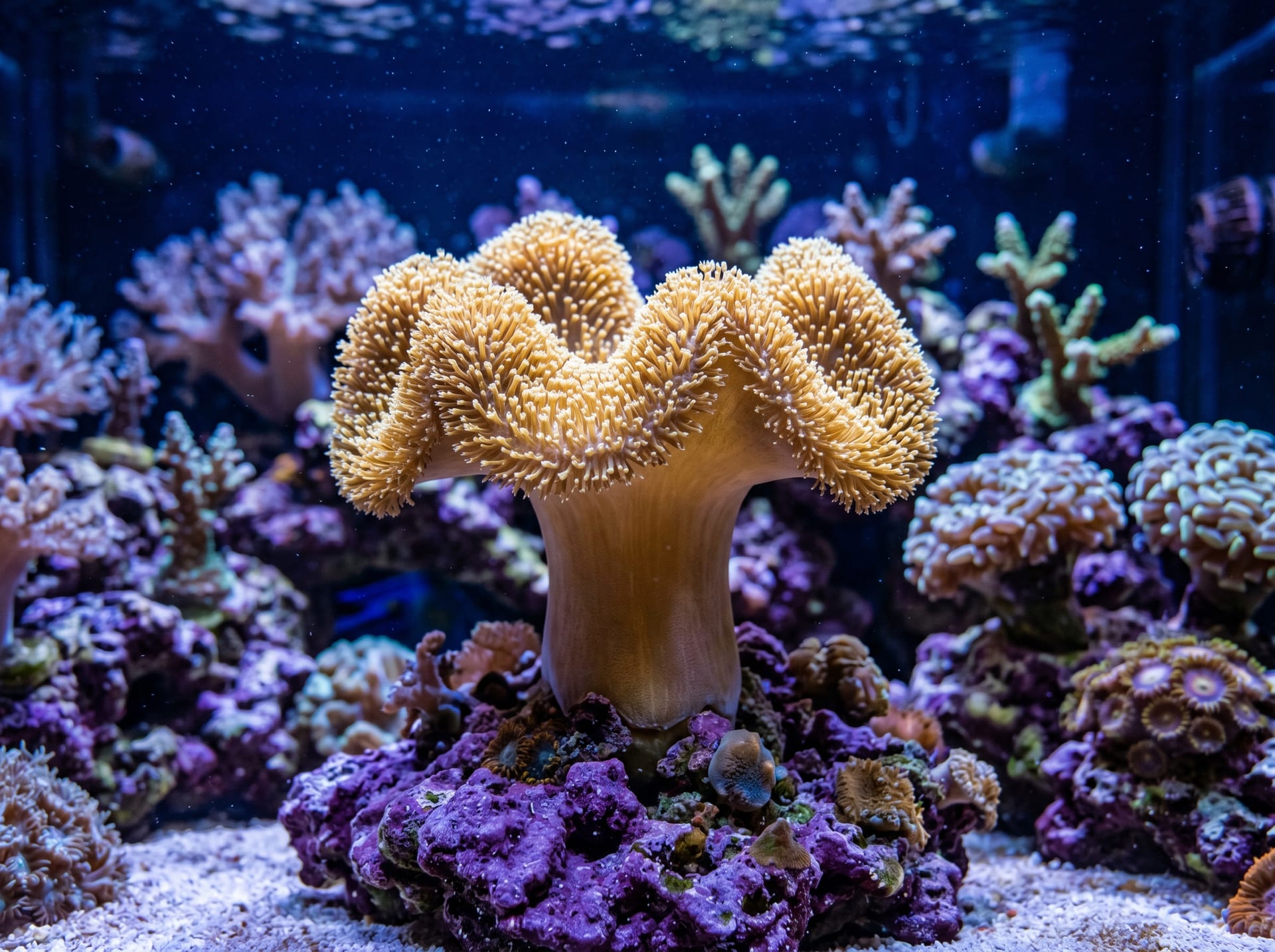
Disc Corals: The thick, fleshy texture stands out even in nano tanks and has high water quality adaptability.
Flower Pot Coral: A single small individual becomes the centerpiece of your tank. Relatively easy to keep with moderate water flow and stable nitrate levels.
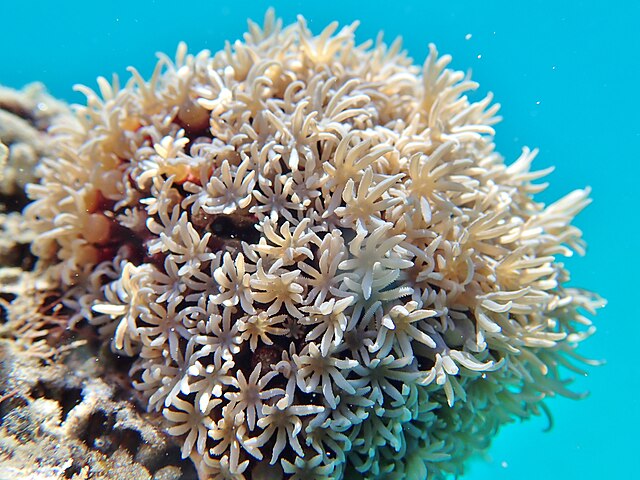
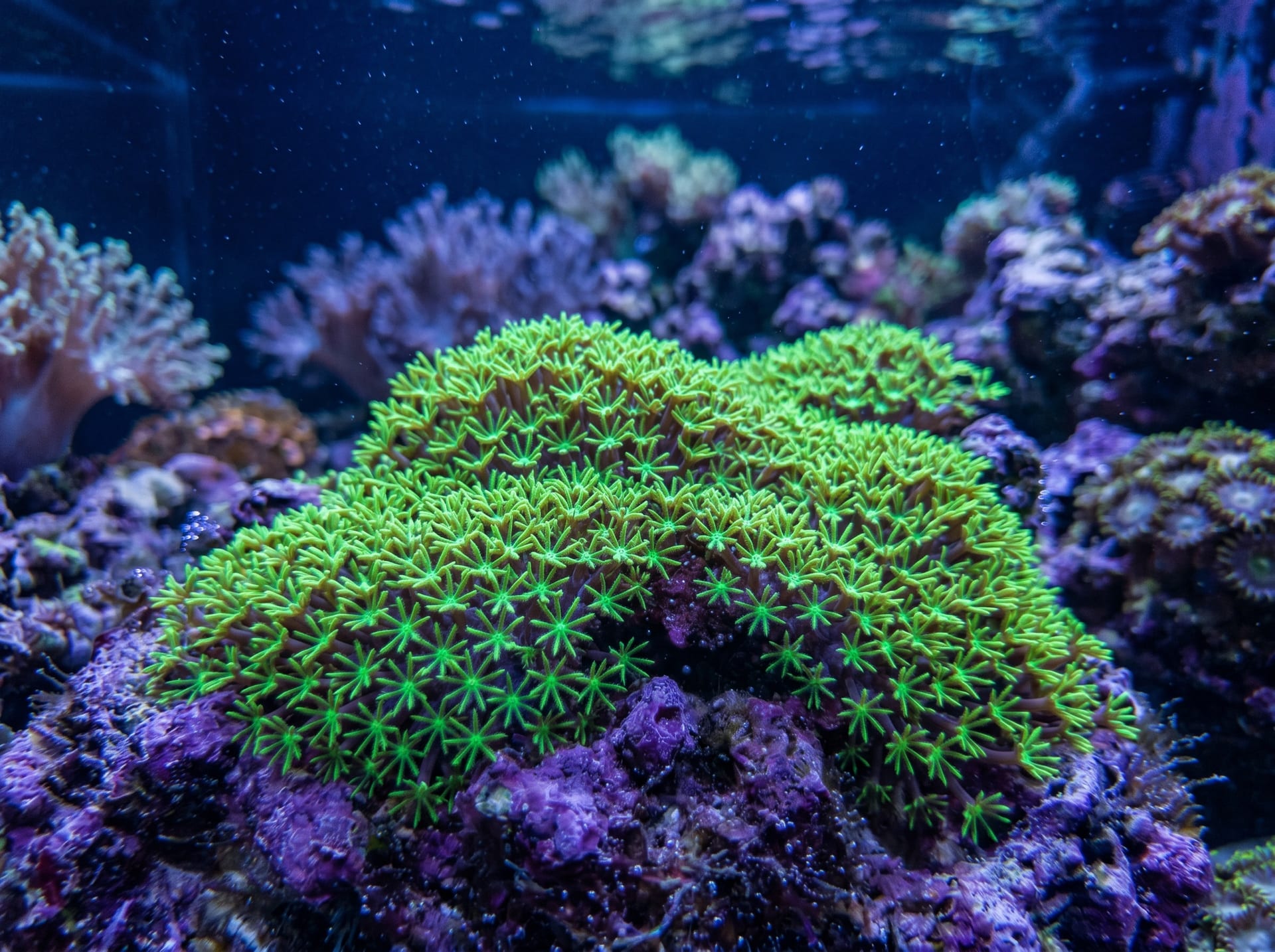
Star Polyps: Grow quickly and cover live rock in vibrant green. They have strong presence and are always a joy to watch.
Pulse Coral: Popular for its unique texture and coloring, with gently swaying tentacles that bring movement to nano tanks.
SPS (Small Polyp Stony Corals) for Advanced Keepers
SPS corals such as Acropora consume large amounts of calcium, alkalinity, and magnesium, making water quality maintenance extremely difficult in small nano tanks. It's recommended to challenge yourself with SPS only after becoming comfortable with nano reef keeping.
---
Water Quality Management and Daily Maintenance for Nano Reefs
The key to long-term maintenance of nano reef tanks is "frequent observation" and "the habit of not missing small changes."
Water Change Frequency and Method
Perform water changes 1-2 times per week at approximately 15-20% of total tank volume. Doing a large water change at once can cause rapid water quality changes, damaging corals. Prepare artificial seawater in advance using RO water (reverse osmosis water), and match the specific gravity and temperature before use.
Parameter Management
In nano tanks, even small changes affect overall water quality. Regularly measure the following major parameters with these target values:
Salinity (Specific Gravity): 1.025-1.026
Nitrate (NO₃): Below 5ppm
Phosphate (PO₄): Below 0.05ppm
Alkalinity (KH): 8-10dKH
Calcium (Ca): 420-440ppm
Magnesium (Mg): 1250-1350ppm
Dealing with Evaporation
Nano tanks experience relatively large water level drops due to evaporation, and if left unchecked, specific gravity rises sharply. Installing an automatic top-off system (ATO) automatically replenishes RO water, making management significantly easier.
Summer Water Temperature Management
In summer, water temperature can exceed 28°C due to heat from lights and rising room temperature. Prepare a cooling fan or small chiller to maintain around 26°C. Rapid increases in water temperature directly cause coral bleaching.
---
Brichoku's Safety and Security System
If you're looking for corals to set up a nano reef tank, "Brichoku," where you can purchase directly from breeders, is recommended.
Most of the corals listed on Brichoku are small "frags" (fragments) managed by domestic breeders. Frags often come in sizes that fit perfectly in nano tanks, and since they're already acclimated to a captive environment, they have the appeal of causing less stress after introduction.
Another strength of Brichoku is that you can send direct messages to sellers saying "I want to keep this in a nano reef (40cm cube)" or "I'm looking for something easy to keep even as a beginner." Experienced breeders will patiently explain the condition of individual corals and their water quality adaptability, allowing you to proceed with confidence even for your first coral purchase.
Even if you want to start with just 1-2 types of soft corals, try finding your ideal specimens on Brichoku. The world of nano reefs is filled with infinite possibilities contained in a small tank.