First Month Guide for Welcoming a Kitten: Vaccinations, Toilet Training & Socialization
A chronological guide to what you should do during the first month after bringing a kitten home. We provide detailed information on vaccination schedules, toilet training, how to spend the socialization period, and food selection.
Key Takeaways
A chronological guide to what you should do during the first month after bringing a kitten home. We provide detailed information on vaccination schedules, toilet training, how to spend the socialization period, and food selection.
Before Bringing Them Home: Environment Setup is Key to Success
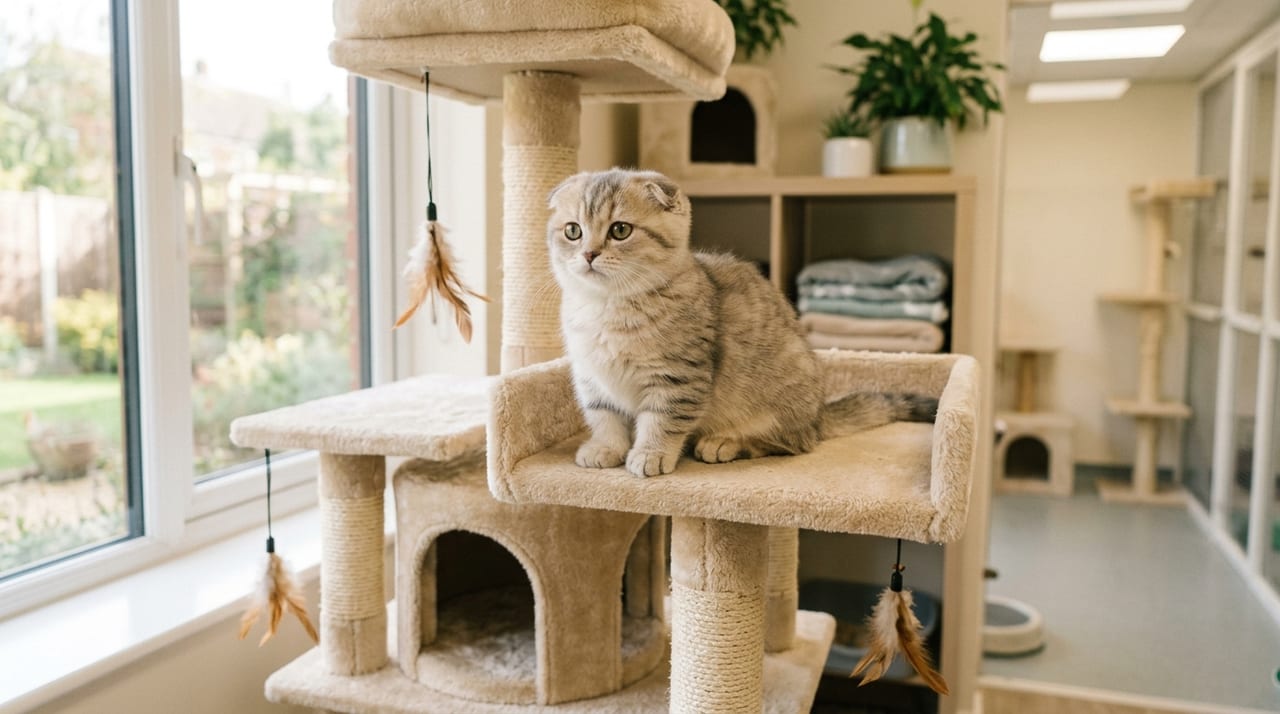
Before your kitten arrives, prepare a safe "kitten space" the day before. Letting a kitten roam freely throughout the entire house from day one can cause them to get lost or find hiding spots and refuse to come out. For the first week, it's best to limit them to a single room of about 180 square feet.
What you need to prepare is simple: a litter box, food bowl, water bowl, bed, and scratching post—these five essentials are the bare minimum. Always place the litter box and food bowls in different locations. Cats naturally dislike eliminating near where they eat.
Remove electrical cords, thin strings, and houseplants that are toxic to cats (such as lilies and pothos) from the room. Since kittens can get into surprisingly small spaces, check gaps and behind shelves carefully.
First Week: Taking Time to Adjust is Priority
On the first day, your kitten is experiencing significant stress. Overwhelmed by new smells, sounds, and surroundings, forcing them to be held or play is counterproductive. Open the carrier or cage and create an environment that says "it's okay to come out at your own pace."
When calling to your kitten, use a soft, gentle voice. Crouch down to their eye level and slowly extend the back of your hand—they'll likely come over to sniff it. This "scent check" is the first step in building trust.
Check their appetite every day without fail. Stress may reduce appetite for the first one to two days, but if they barely eat for three days or longer, visit a veterinary clinic immediately. The same goes for water intake. Adding a small amount of wet food can help with hydration and encourage eating.
Expect elimination two to three times daily. Contact your vet if you notice diarrhea, bloody stools, or no elimination for 24 hours or more.
Vaccination Schedule: When & What to Vaccinate
Kittens are typically vaccinated starting at 8–9 weeks of age. If your kitten came from a breeder or pet shop, the first vaccination may already be completed, so always check their vaccination records.
Basic Vaccination Schedule (General Timeline)
| Timing | Vaccination |
|---|---|
| 8–9 weeks old | Feline 3-in-1 (1st dose) |
| Around 12 weeks old | Feline 3-in-1 (2nd dose) |
| Around 16 weeks old | Feline 3-in-1 (3rd dose) + Rabies (optional) |
| Annually thereafter | Booster shots (every 1–3 years) |
The feline 3-in-1 vaccine prevents "feline viral rhinotracheitis, feline calicivirus infection, and feline panleukopenia." These diseases can be life-threatening for kittens.
For outdoor cats or multi-cat households, a 4–5-in-1 vaccine that includes "feline leukemia virus infection (FeLV)" may be recommended. Consult your veterinarian to develop a vaccination plan suited to your kitten's lifestyle.
After vaccination, avoid strenuous activity on the day of the shot and monitor your kitten carefully. Rarely, allergic reactions (facial swelling, lethargy, vomiting) may occur. It's reassuring to wait near the clinic for 30 minutes after vaccination.
Toilet Training: Cats Are Naturally Clean
Cats instinctively use sandy areas for elimination, so if you provide the right environment, training is surprisingly easy.
Keys to Toilet Training Success
- Size: Choose a box at least 1.5 times your kitten's body length
- Litter depth: 5–7 cm is ideal (too shallow and they won't use it)
- Litter type: Fine mineral-based litter is most reliable to start
- Placement: Quiet, low-traffic areas away from food and water bowls
On the first day, take your kitten to the litter box after meals, playtime, and naps. Gently help them with the digging motion, and they'll learn quickly. When successful, praise calmly. Over-the-top praise can startle them—a quiet "good kitty" and gentle petting is enough.
If accidents occur, never scold them. Cats don't understand the cause-and-effect relationship; they'll only remember that place as somewhere negative. Clean thoroughly with an enzyme-based deodorizer to prevent recurrence.
Use the rule of "number of cats plus one" litter box. Even one kitten benefits from two boxes, reducing accidents outside the litter box.
Socialization Period: Raising a Human-Friendly Cat
Between 2–7 weeks of age, kittens go through a "socialization period" when they readily accept various stimuli. Cats exposed to different people, sounds, and experiences during this time grow into calm, adaptable adults.
At 8–12 weeks when you bring your kitten home, you're in the later stages of this critical period. Their sensitivity is still high, so accumulating positive experiences is important.
Specific Actions for Socialization
- Expose to various people: Not just family members, but also friends who visit
- Acclimate to sounds: Start with distant sounds from vacuums, hair dryers, televisions, gradually increasing exposure
- Familiarize with handling: Make it routine to touch ears, mouth, paws, and claws (useful for future veterinary exams)
- Acclimate to carriers: Leave a carrier open as a sleeping area so they become comfortable with it
Insufficient socialization leads to hiding when guests arrive or panic at the vet—stressful for both kitten and owner. Build positive experiences gradually and patiently.
Food Selection: Proper Nutrition for Growth
Kittens require 2–3 times the calories and nutrients of adult cats. Always choose food labeled "kitten" or "kitten formula." Adult formulas have different nutritional balances and aren't suitable substitutes.
Dry vs. Wet: Which Should You Choose?
Both have pros and cons. Dry food supports dental health and is easier to store. Wet food has higher moisture content and benefits urinary tract health. Many veterinarians recommend "mixed feeding" of both types.
Follow package guidelines for portion sizes based on weight. Overfeeding because they're cute leads to obesity. Divide daily meals into four to five smaller portions for easier digestion.
When switching foods, transition gradually over 7–10 days from old to new. Abrupt changes can cause digestive issues (diarrhea, vomiting).
The first month is a learning experience for both kitten and owner. Even if things don't go perfectly, the most important thing is to follow your kitten's pace without rushing. Finding a trusted veterinary clinic early ensures you have quick access to advice when needed. Enjoy this time with your new companion.