Hypoallergenic Cat Breeds: A Guide to Lower-Allergen Varieties and Fel d 1 Levels | ブリちょく
Cats| ✍️ BreederDirect Editorial
Hypoallergenic Cat Breeds: A Guide to Lower-Allergen Varieties and Fel d 1 Levels
A comprehensive guide to cat breeds with lower allergen production. Explores Fel d 1 protein secretion levels, low-shedding cat breeds, allergy management strategies, and practical care considerations for living with cats despite allergies.
Key Takeaways
A comprehensive guide to cat breeds with lower allergen production. Explores Fel d 1 protein secretion levels, low-shedding cat breeds, allergy management strategies, and practical care considerations for living with cats despite allergies.
Many people dream of owning a cat but worry about allergies. Sneezing, runny nose, itchy eyes, and skin redness are frustrating symptoms—yet the desire to live with a cat remains strong among cat lovers.
With accurate knowledge about cat allergy causes and hypoallergenic breeds, people with allergies can explore the possibility of living with cats. This guide covers everything from allergen mechanisms to breed-specific characteristics and practical daily management strategies.
✍️
BreederDirect Editorial
The BreederDirect editorial team specializes in care information for animals, covering veterinary care and breeding to deliver beginner-friendly guides.
Find Cats on BreederDirect
Buy directly from verified breeders
Browse Related Listings
Find Cats listings related to this article on BreederDirect. Buy directly from verified breeders.
The primary culprit behind cat allergies is a protein called Fel d 1 (Fel d 1). Secreted from cats' sebaceous glands, salivary glands, and tear ducts, this protein triggers an overreaction in the human immune system, causing allergy symptoms.
Importantly, it's not the hair itself that's the allergen. Fel d 1 attaches to shed fur, becomes airborne, and triggers reactions when inhaled. Whether a cat has long hair, short hair, or no hair, all cats secrete Fel d 1. Some mistakenly believe hairless breeds like Sphynx cats are allergen-free, but allergies can still occur with hairless breeds.
However, Fel d 1 secretion levels vary by individual cat and breed. Female cats and neutered/spayed cats tend to secrete less than intact males. Research shows that some breeds have lower average secretion levels than others—this is the scientific basis for cats known as hypoallergenic or 'lower-allergen breeds.'
---
Major Breeds with Lower Allergen Production
Siberian
A large Russian cat breed with a lush coat, yet research data suggest Siberian cats secrete less Fel d 1 than other breeds. Many allergy-prone owners report milder reactions to this breed. However, individual variation is significant, so it's important to spend time with a specific cat before committing.
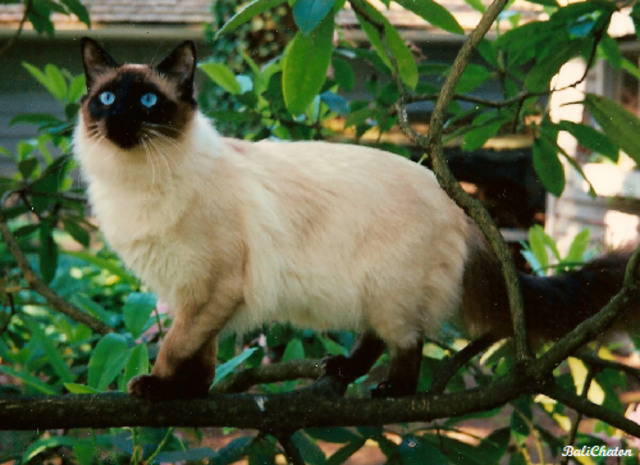
Balinese
The Balinese is the long-haired variant of the Siamese, also known as the 'Long-haired Siamese.' Believed to have relatively low Fel d 1 secretion, they're gaining attention worldwide as a breed suitable for people with allergies. Their social and affectionate personality is another advantage.
Oriental Shorthair
With a slender, sleek appearance, Orientals have short, smooth coats with minimal shedding. Their Fel d 1 secretion is also reported to be relatively low. Extremely active and affectionate, they often follow their owners around like dogs.
Cornish Rex
The Cornish Rex is known for its distinctive curly coat, which consists of undercoat only. With less shedding than typical cats, they help reduce airborne allergen levels. They're athletic and energetic companions.
Devon Rex
Like the Cornish Rex, the Devon Rex has soft, wavy short fur. Also with thin undercoat, their fur sheds minimally. Notable for their large ears and round eyes, they're sometimes called 'little aliens' for their unique appearance.
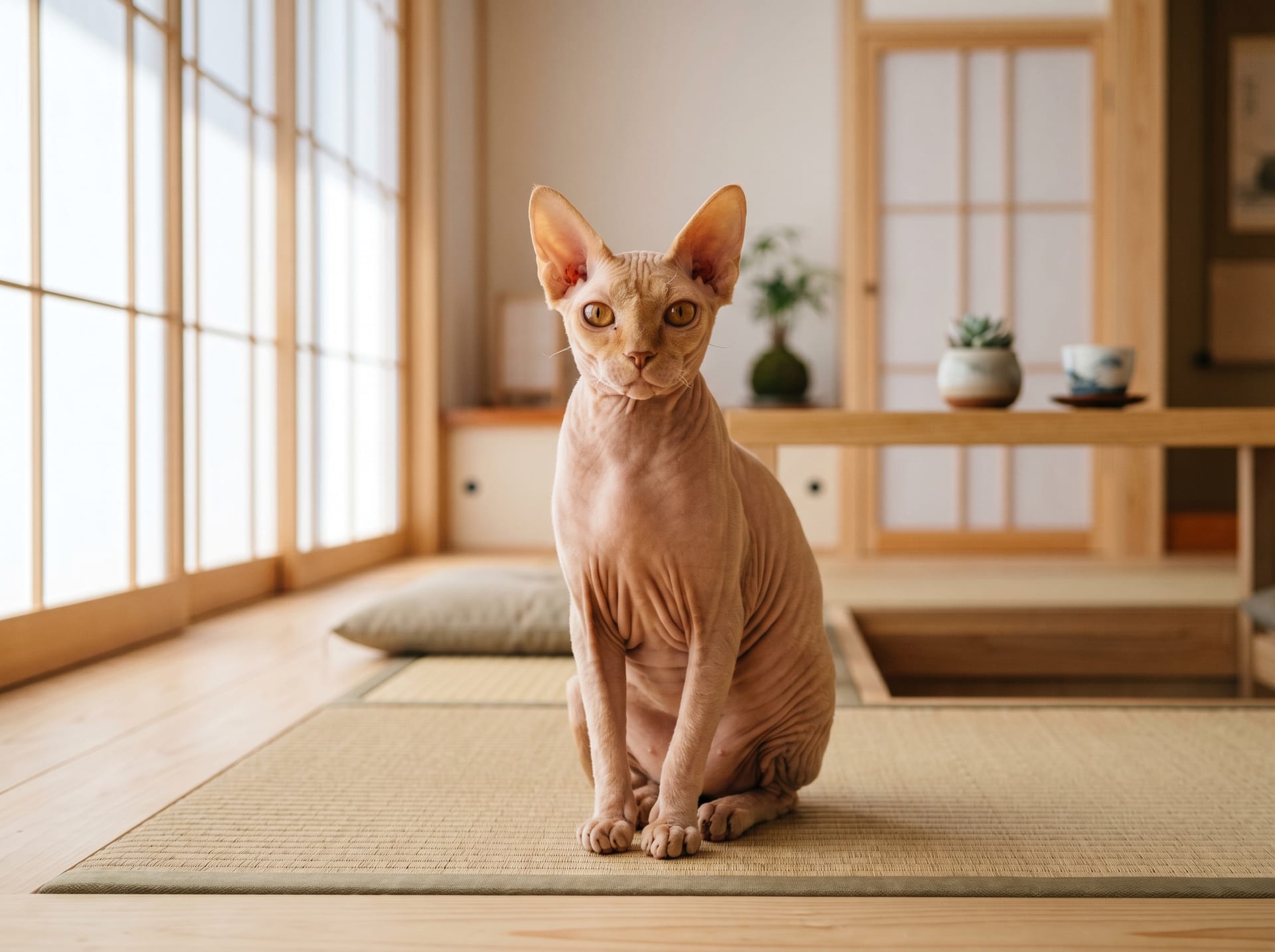
Sphynx
With little to no hair, Sphynx cats don't spread allergens physically through shedding, making it easier to maintain a clean indoor environment. However, as mentioned earlier, since Fel d 1 is secreted directly from the skin, they're not completely allergen-free. Regular bathing is necessary to wash away allergens.
---
Individual Cat Compatibility: More Important Than Breed Selection
Even breeds known for lower allergen production show significant individual variation in Fel d 1 secretion. You might have almost no reaction to one Siberian while being badly affected by another.
The most important step is to spend time with the specific individual cat before adopting.
Explain your situation to the breeder or shelter and ask if you can spend time with the cat before making a commitment. Spend 30 minutes to an hour interacting, then observe whether symptoms develop over the next few hours or days. Testing multiple times increases accuracy.
It's also helpful to get an allergy test or blood test (specific IgE test) from an allergist beforehand. Knowing your sensitization level to Fel d 1 helps guide breed selection and management strategies.
---
Daily Allergen Management Strategies
Alongside breed selection, environmental management significantly impacts symptoms. By combining the following strategies, people with allergies can create a comfortable living environment with their cats.
Air Purifiers with HEPA Filters
HEPA-filter air purifiers efficiently remove airborne Fel d 1. Ideally, place one in the room where your cat spends most time and another in your bedroom. Remember to replace filters regularly.
Regular Brushing and Bathing
Frequent brushing removes shed fur, and bathing once or twice monthly washes away allergens. Brush outdoors or in a well-ventilated area while wearing a mask.
Keep Your Bedroom Cat-Free
During sleep, prolonged allergen exposure can worsen symptoms. Keeping cats out of the bedroom often significantly reduces symptoms. While it may feel lonely at first, it's an important rule for protecting your health.
Replace Carpets and Fabric Furniture
Fel d 1 accumulates easily on carpets and fabric. Switching to hardwood, tile, or leather furniture makes cleaning easier and reduces allergen levels.
Frequent Hand Washing and Avoiding Touching Your Face
Wash your hands immediately after petting your cat, and avoid touching your eyes or nose. These simple habits reduce symptom frequency.
Allergen-Reducing Cat Food
Recently, specially formulated foods containing egg-derived proteins with antibodies have been developed to reduce Fel d 1 production. Daily use can lower Fel d 1 secretion levels, making this worth considering as one management option.
---
Managing Allergies While Living with Cats
If symptoms remain troublesome despite these measures, you can pursue medical treatment alongside cat ownership.
Antihistamines and Nasal Sprays: These provide quick relief when symptoms appear. Many people with mild allergies manage well with these alone.
Allergen Immunotherapy (Desensitization): This fundamental approach involves regular small doses of allergen to gradually desensitize your immune system. While it requires 3–5 years of treatment, significant symptom improvement or even elimination has been reported. If you're committed to living with cats long-term, it's worth discussing with a specialist.
---
Even with cat allergies, many people live happily with cats by combining breed selection, individual compatibility testing, environmental management, and medical support. Before giving up, try each option one by one. The perfect cat for you is surely waiting.