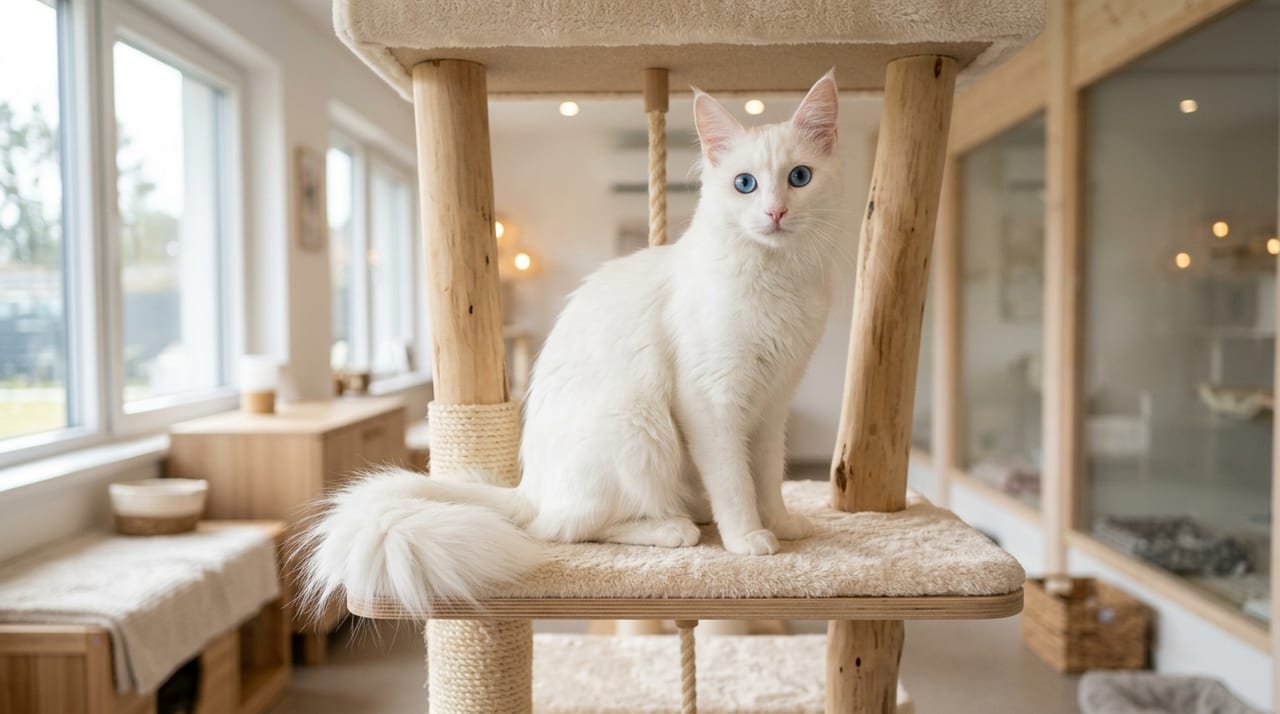
Causes and solutions for common cat behavioral issues including biting, nocturnal vocalization, spraying, and litter box problems.
Key Takeaways
Causes and solutions for common cat behavioral issues including biting, nocturnal vocalization, spraying, and litter box problems.
Living with cats is full of comfort, but many owners struggle with behavioral issues such as biting habits, nighttime crying, and eliminating outside the litter box. Most cat behavior problems have clear causes and can be improved with the right approach. This article explains common feline behavior patterns, their causes, and specific solutions from an animal behavioral science perspective.
Biting: Causes and Solutions
There are several patterns of biting behavior in cats, and the treatment differs depending on the cause.
Play biting (gentle nipping): Kittens learn bite inhibition through play with siblings, so early-weaned cats may not know how to control their bite force. When bitten, say "ouch" briefly and stop playing, then offer an appropriate toy to bite
Petting-induced biting: The cat was enjoying being petted but suddenly bites — known as "petting-induced aggression." Watch for warning signs like tail tip twitching or ears flattening sideways, and stop petting before the bite
Fear/defensive biting: A cornered cat bites to protect itself. Don't forcibly touch or pick up the cat; ensure it has an escape route
Redirected aggression: The cat becomes excited after seeing an outdoor cat and bites the nearby owner. In this case, simply leaving the cat alone is the best approach
Pain-induced biting: If the cat bites when a specific body part is touched, there may be pain in that area. Visit a veterinarian
In all cases, hitting or scolding loudly is counterproductive. Cats struggle to associate punishment with behavior, and it only increases their fear of the owner.
Nighttime Crying: Causes and Solutions
Nighttime crying — continuous loud vocalizations at night — is a serious issue that robs owners of sleep.
Heat-related calling: Unspayed/unneutered cats vocalize loudly during heat. Spaying/neutering significantly improves this
Hunger or begging: If the cat cries from hunger at night, use an automatic feeder set to dispense a small amount of food late at night
✍️
BreederDirect Editorial
The BreederDirect editorial team specializes in care information for animals, covering veterinary care and breeding to deliver beginner-friendly guides.
Find Cats on BreederDirect
Buy directly from verified breeders
Browse Related Listings
Find Cats listings related to this article on BreederDirect. Buy directly from verified breeders.
Energy release from insufficient play: Understimulation during the day makes cats active at night. Play actively for 15-20 minutes before bed to tire them out
Cognitive dysfunction in senior cats: Nighttime crying in elderly cats may be an early sign of dementia. Consult a veterinarian about supplements and environmental adjustments
Health issue signs: Conditions like hyperthyroidism or hypertension can also be the cause. If nighttime crying starts suddenly, have the cat examined
Responding to nighttime crying teaches the cat that "crying gets attention," so ignoring is the default approach when there are no health concerns. However, for senior cats, anxiety is often the cause, so offering gentle reassurance is appropriate.
Spraying and Inappropriate Elimination
Elimination outside the litter box needs to be distinguished between spraying behavior and inappropriate elimination.
Spraying: Spraying small amounts of urine on vertical surfaces like walls and furniture. A form of marking driven by territorial behavior or stress. Spaying/neutering resolves over 90% of cases
Medical causes of inappropriate elimination: Urinary tract diseases such as cystitis, urinary stones, or kidney disease may be the cause. Start with a health check at the vet
Litter box dissatisfaction: A dirty box, disliked litter type, undesirable location, or too-small size may be the issue. The basic rule is "number of cats plus one" litter boxes
Stress factors: Environmental changes such as new pets, new family members, moving, or furniture rearrangement can cause stress that affects elimination behavior
Odor removal: Once a cat has eliminated in a spot, the lingering odor encourages repeat behavior. Thorough cleaning with enzymatic cleaners is crucial
Litter box improvement tips include using a large box (1.5 times the cat's body length), preferring open-top over hooded types, using fine mineral-based litter, and placing boxes in quiet, low-traffic areas.
Furniture Destruction and Scratching
Scratching furniture and curtains is a cat's instinct, but it can be minimized through proper redirection.
Provide scratching posts: Place scratchers made of preferred materials (sisal rope, cardboard, wood) in multiple locations. Vertical posts along walls and horizontal ones on floors
Strategic placement: Place a scratcher near furniture the cat frequently scratches and gradually redirect. Sprinkling catnip on it can be effective
Protective sheets: Apply scratch prevention sheets to sofas and walls. Smooth textures deter cats
Regular nail trimming: Trim nails every two weeks to reduce furniture damage. Start the habit while they're kittens
Soft caps: Silicone nail covers that fit over claws. Effective as a temporary measure but require regular replacement
Never declaw your cat. Claws are essential for walking balance and defense, and declawing causes significant suffering.
Recognizing and Addressing Stress Signs
Stress is the root cause of many behavioral problems. Early detection of stress signs in cats is important.
Excessive grooming: Repeatedly licking the same area, leading to hair loss. A compulsive stress behavior
Appetite changes: Sudden loss of appetite or overeating
Increased hiding: Hiding for longer than usual may indicate stress or illness
Increased aggression: A normally calm cat becoming suddenly aggressive may indicate pain or stress
Changes in elimination patterns: Note changes in litter box frequency or location
Effective stress countermeasures include using Feliway (feline facial pheromone products), providing hiding spots, creating environments that allow vertical movement, and ensuring dedicated play time.
Choose a Cat with Known Temperament from a Trusted Breeder
To prevent behavioral problems, understanding a cat's personality and temperament beforehand is crucial. On BriChoku, you can adopt cats directly from trusted breeders and consult in detail about parent personalities and kitten dispositions. Breeders focus on kitten socialization, so you can welcome a people-friendly, calm cat. Before worrying about behavior problems, understand breed and individual characteristics to find a cat that fits your lifestyle.