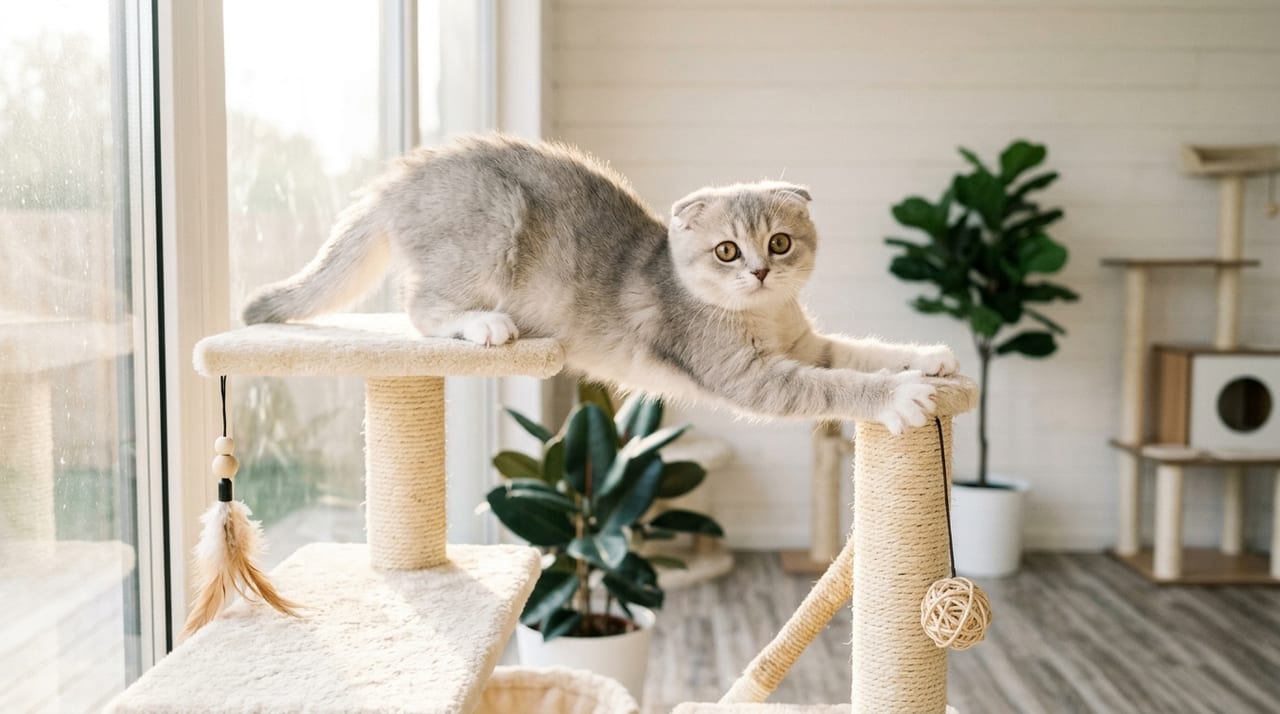
Cat Anxiety & Fear Management Guide | Handling Fearful Cats and Environmental Improvements
Learn the correct way to handle fearful and anxiety-prone cats along with environmental improvement methods. We introduce situation-specific coping strategies including strong reactions to visitors, fear of loud noises and fireworks, moving stress, and anxiety about living with new cats.
Key Takeaways
Learn the correct way to handle fearful and anxiety-prone cats along with environmental improvement methods. We introduce situation-specific coping strategies including strong reactions to visitors, fear of loud noises and fireworks, moving stress, and anxiety about living with new cats.
Reading Your Cat's Fear and Anxiety Signals
Cats display various signals when they feel fear or anxiety. Accurately reading these signs is the first step toward providing appropriate care.
✍️
BreederDirect Editorial
The BreederDirect editorial team specializes in care information for animals, covering veterinary care and breeding to deliver beginner-friendly guides.
Find Cats on BreederDirect
Buy directly from verified breeders
Browse Related Listings
Find Cats listings related to this article on BreederDirect. Buy directly from verified breeders.
When these signs appear, avoid forcing interaction and maintain distance to allow your cat to calm down at their own pace.
Basic Principles for Handling Fearful Cats
Don't Force or Chase: Attempting to forcibly pick up your cat in an effort to comfort it will have the opposite effect. Wait until your cat approaches you on their own terms.
Keep Low and Avoid Direct Eye Contact: Sit on the floor to appear less imposing, and avoid making direct eye contact. "Slow blinking" where you look to the side briefly is a reassurance signal to your cat.
Maintain Consistent Routines: Keeping feeding, playtime, and cleaning times consistent daily creates a predictable environment that reassures your cat.
Desensitization to Visitors and Loud Noises
Combining "desensitization" and "counter-conditioning" techniques to gradually acclimate your fearful cat is an effective approach.
Desensitizing to Visitors: For cats that fear guests, repeatedly pair "visitor arrival" with "tasty treats." Start with the sound of the door opening, progress to the guest being visible only in the hallway, and gradually have them enter the same room. Don't force interaction—give your cat the option to approach on their own.
Fear of Fireworks and Thunderstorms: Using Feliway (synthetic cat pheromone) diffusers, providing hiding spaces (crates or cardboard boxes), and utilizing white noise are effective strategies.
Managing Stress During Moving and Environmental Changes
Moving to a new home is a major source of stress for cats.
Pre-Move Preparation: Before moving, place scent-marked items (fabric with the new home's scent) in a cardboard box for your cat to smell.
After Arrival: Start by opening just one room, then gradually expand your cat's access area. Use familiar bedding, bowls, and toys from the start to provide comfort through familiar scents. Setting up Feliway beforehand makes it easier for your cat to settle in.
Medication Options
If severe anxiety symptoms (self-injury, excessive grooming, chronic loss of appetite, etc.) persist, we recommend consulting with a veterinarian. Anti-anxiety medications such as fluoxetine (Prozac) may be prescribed. Combined with behavioral therapy, more effective improvements can be expected.