Important Considerations When Buying Rare Species and Rare Individuals: Tips to Avoid Mistakes
This guide explains key points to keep in mind when purchasing rare species and rare individuals. It covers how to identify trustworthy breeders, how to assess health conditions, how to determine fair pricing, considerations for transport and receipt, and how to ensure long-term success with rare species.
Key Takeaways
This guide explains key points to keep in mind when purchasing rare species and rare individuals. It covers how to identify trustworthy breeders, how to assess health conditions, how to determine fair pricing, considerations for transport and receipt, and how to ensure long-term success with rare species.
What Are Rare Species and Rare Individuals?
In the pet and live animal market, the terms "rare species" and "rare individuals" are widely used, but their definitions are often vague. Broadly speaking, they fall into two categories: species with limited circulation in the market and individuals with distinctive characteristics such as color morphs or body type variations.
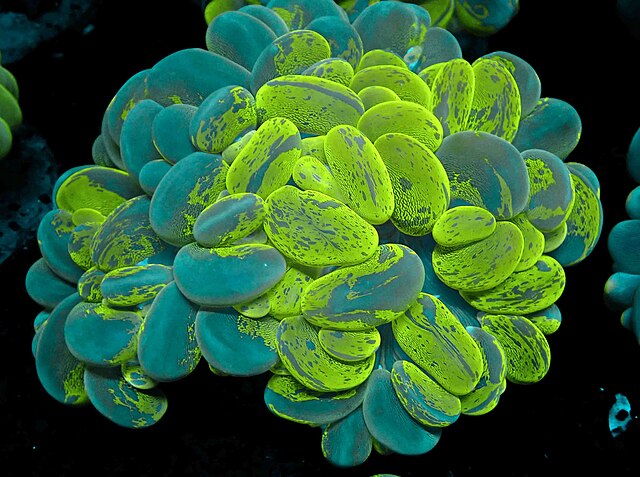
Examples of the former include certain coral species (such as rare color variants of Sinularia and bubble coral), wild-caught fish from specific regions, and reptiles without established captive breeding populations. The latter includes albino and melanistic individuals, reptiles and amphibians with special pattern variations (such as super forms and hypo forms), and tropical fish with rare colors produced through line breeding.
What both cases have in common is that they are expensive and have limited sources of availability. This is why having the right knowledge before purchasing is the key to avoiding failure.
Three Indicators for Identifying Trustworthy Breeders
The most common source of trouble in rare individual transactions is the reliability of the seller. When using direct sales from breeders, be sure to check the following three points.
1. Disclosure of Breeding Track Record and Keeping History
Trustworthy breeders can specifically explain their breeding history with that species. Whether they can speak in numbers—such as "how many years have they kept them," "how many clutches or litters have been produced," and "what is the bloodline of the parent animals"—is one measure to assess. If you only get vague answers, that's a red flag.
2. Transparency of Current Husbandry
Of course, request multiple photos and videos of the individual before purchase, but also verify the husbandry conditions (enclosure size, temperature and humidity management, lighting) and feeding schedule (type of food, frequency, and most recent feeding date). Breeders who handle healthy animals are more willing to provide this information readily.
3. Availability of After-Sales Support