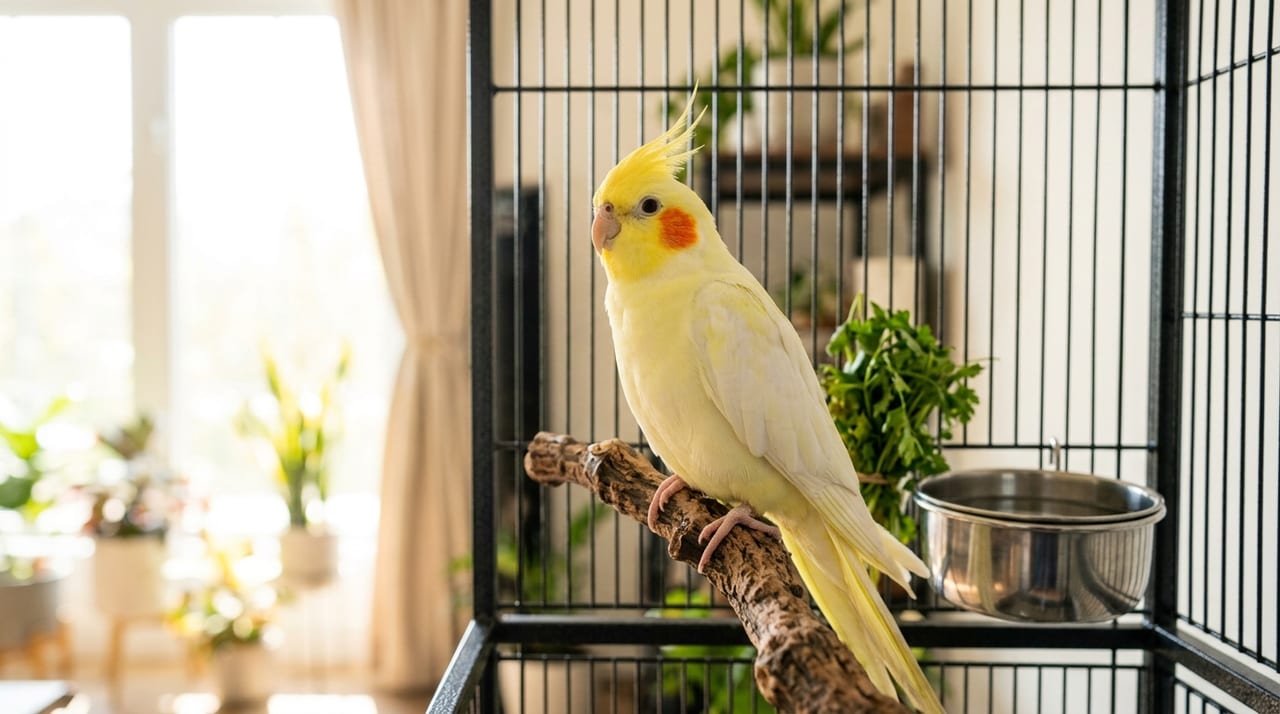
Pet Bird UVB, UV Light, and Vitamin D3 Management Guide: The Importance of Sunbathing and Indoor Care Solutions | ブリちょく
Birds| ✍️ BreederDirect Editorial
Pet Bird UVB, UV Light, and Vitamin D3 Management Guide: The Importance of Sunbathing and Indoor Care Solutions
This guide explains the problems of vitamin D3 deficiency and UV light deprivation commonly seen in indoor pet birds. We provide detailed information on sunbathing methods for pet birds like parrots and macaws, how to choose UVB lights, and dietary supplementation with vitamin D3.
Key Takeaways
This guide explains the problems of vitamin D3 deficiency and UV light deprivation commonly seen in indoor pet birds. We provide detailed information on sunbathing methods for pet birds like parrots and macaws, how to choose UVB lights, and dietary supplementation with vitamin D3.
For birds kept entirely indoors, UV light deficiency (particularly UVB) can cause serious health problems. Wild birds synthesize vitamin D3 in their bodies through sun exposure and use it to aid calcium absorption and maintain immune function. However, most pet birds receive only light filtered through window glass and get very little UVB. This article explains the basics of UVB and vitamin D3 management to protect your pet bird's health.
✍️
BreederDirect Editorial
The BreederDirect editorial team specializes in care information for animals, covering veterinary care and breeding to deliver beginner-friendly guides.
Find Birds on BreederDirect
Buy directly from verified breeders
Browse Related Listings
Find Birds listings related to this article on BreederDirect. Buy directly from verified breeders.
UVB (ultraviolet B radiation, wavelength 280–315 nm) is the light needed to convert provitamin D3 (7-dehydrocholesterol) present in a bird's skin into vitamin D3.
The Role of Vitamin D3: Vitamin D3 promotes calcium absorption in the intestines and is essential for bone formation and maintenance. Deficiency can lead to the following symptoms:
Rickets: Particularly common in growing chicks and laying hens. Bones become soft and deformities develop
Seizures from Hypocalcemia: When blood calcium levels drop, muscle spasms and neurological symptoms may occur
Egg-Laying Problems (Egg Binding): In laying hens, calcium deficiency is a contributing factor to egg binding
Weakened Immune Function: Vitamin D3 regulates the immune system, and deficiency can make birds more susceptible to infection
Birds' UV Vision: Birds have the ability to perceive ultraviolet light invisible to humans (UV-A, wavelength 315–400 nm). In environments with UV-A light, feather colors appear more vivid, affecting mate recognition and courtship behaviors. In UV-free environments, birds' psychological well-being may be negatively affected.
Why Light Through Window Glass Is Insufficient
Many bird owners believe that exposing their birds to sunlight through windows is adequate. However, this is a misconception.
Standard glass blocks approximately 100% of UVB radiation. This means that birds receiving light through windows cannot get the UVB needed to synthesize vitamin D3. Unless special UV-transmitting glass (such as acrylic panels) is used, sunbathing through windows does not provide UVB supplementation.
Safe Methods for Outdoor Sunbathing
Direct sunlight exposure is the most natural and effective way to provide UVB supplementation. However, there are several important precautions to consider.
Move the Cage Outdoors: The safest method is to place the entire cage outdoors. Allowing the bird to roam freely outside poses risks of escape, predation, and contact with toxic plants.
Provide Both Direct Sunlight and Shade: Prolonged exposure to intense direct sunlight can cause heat stroke. Position the cage so that more than half of it remains shaded, allowing the bird to move between sun and shade. Start with 30 minutes to 1 hour of sunbathing.
Temperature Management: Most parrots and macaws are comfortable around 25°C (77°F). Since temperatures can spike rapidly in summer sunlight, it is ideal to sunbathe during spring, fall, early morning, or evening when temperatures are mild.
Protection from Wild Birds, Invasive Species, and Predators: Outdoor environments pose risks from pathogens carried by wild birds (such as psittacosis and avian influenza). Ensure that wild birds cannot access the cage through gaps or openings.
Indoor UVB Supplementation with Lights
When outdoor sunbathing is difficult, indoor UVB supplementation is possible using bird-specific UVB lights.
Choosing the Right Bird UVB Light: While reptile UVB lights are sometimes used for birds, products specifically designed for birds (such as Arcadia Bird Lamp or ZooMed AvianSun) are more appropriate. Check the UVB intensity (UVI value) and recommended mounting distance for proper installation.
Mounting Distance and Duration: It is important to follow the manufacturer's recommended distance. Excessive exposure can damage the bird's skin and eyes. Lighting should match a natural photoperiod of 6–12 hours per day.
Regular Light Replacement: Fluorescent UVB lights gradually lose their UVB output over time, even if they appear normal. Replace them according to the manufacturer's recommended schedule (typically every 6–12 months).
Vitamin D3 Supplementation Through Diet
Combined with UVB lighting and sunbathing, dietary vitamin D3 supplementation is also important.
Foods Containing Vitamin D3: Egg food, pellets, and egg yolk contain vitamin D3. High-quality pellets in particular are formulated with balanced nutrition and include vitamin D3.
Using Supplements: Bird-specific vitamin D3 supplements can be added to water or food. However, overdosing can cause vitamin D toxicity (hypercalcemia), so always follow recommended dosages and consult with your veterinarian before use.
Balance with Calcium: In addition to vitamin D3, calcium intake is also crucial. Provide calcium-rich foods daily, such as cuttlebone (cuttlefish bone), mineral blocks, and calcium-rich vegetables like spinach, to support bone health.
To provide a healthy life for indoor pet birds, a comprehensive approach combining UVB lighting, sunbathing, and dietary nutrition is necessary. br-choku supports healthy connections between birds and their owners. If you have concerns about your bird's housing environment before purchase, please contact a breeder directly for consultation.