8 Recommended Pets & Plants for Living Alone | Comparison of Time and Cost | ブリちょく
General| ✍️ BreederDirect Editorial
8 Recommended Pets & Plants for Living Alone | Comparison of Time and Cost
Compare pets and plants that you can comfortably care for while living alone by effort, cost, and ease of leaving unattended. A detailed guide covering 8 types including cats, fish, hamsters, and houseplants to help you find the right companion for your lifestyle and budget.
Key Takeaways
Compare pets and plants that you can comfortably care for while living alone by effort, cost, and ease of leaving unattended. A detailed guide covering 8 types including cats, fish, hamsters, and houseplants to help you find the right companion for your lifestyle and budget.
Related Species
Many people living alone want a pet but worry about long working hours, limited living space, and other challenges. Here we introduce 8 pets that work well for single-person households, evaluated across three key factors: "care effort," "cost," and "ease of being left alone."
Selection Criteria
Care effort: Daily care that requires minimal time
Cost: Relatively low initial setup and ongoing expenses
Ease of being left alone: Can manage 8-10 hours of daytime absence
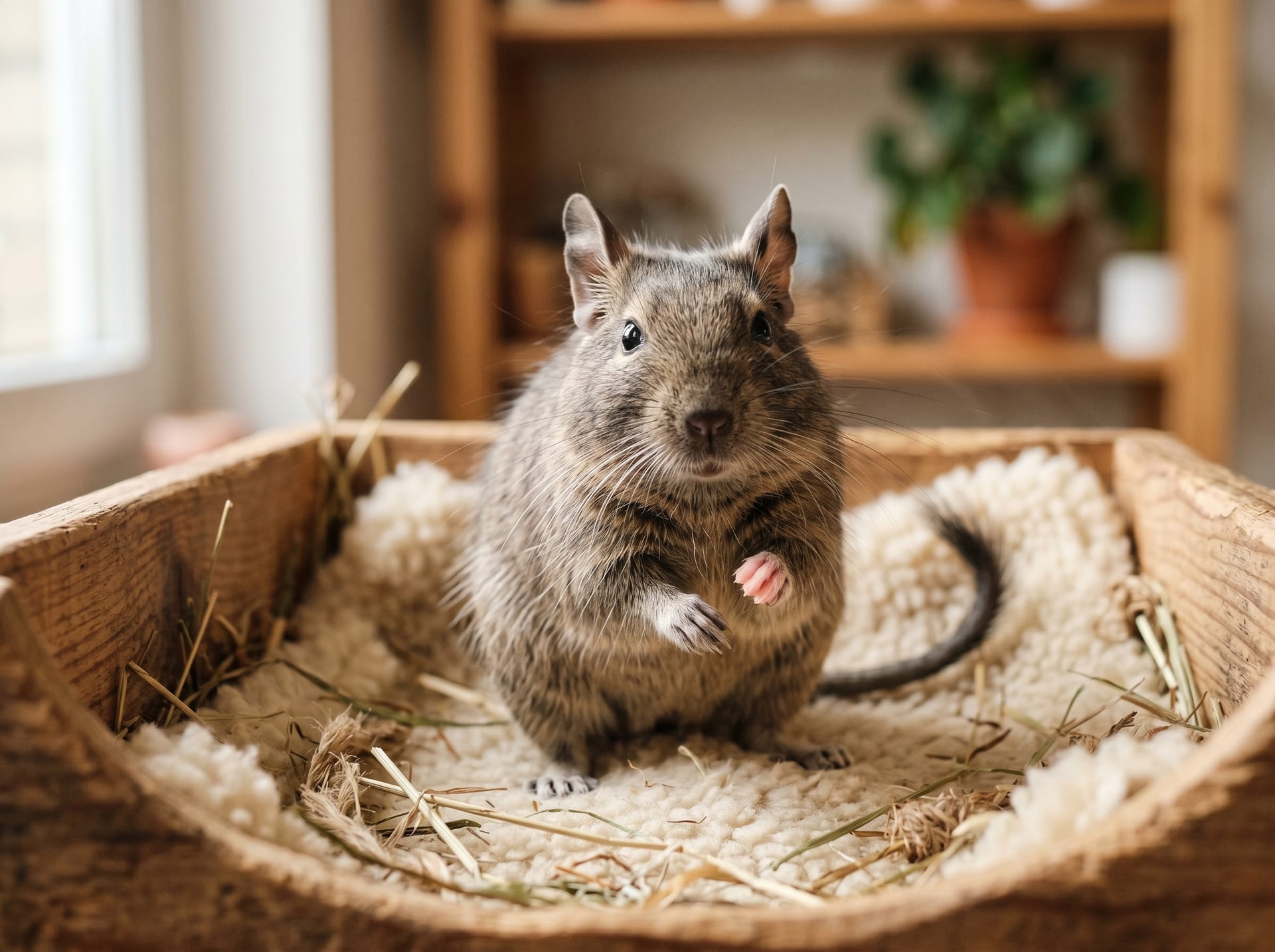
1. Hamster
Effort: Minimal. Nocturnal, so sleeps during the day—perfect for leaving during work hours
Being left alone: Excellent. Can manage 2-3 days of absence
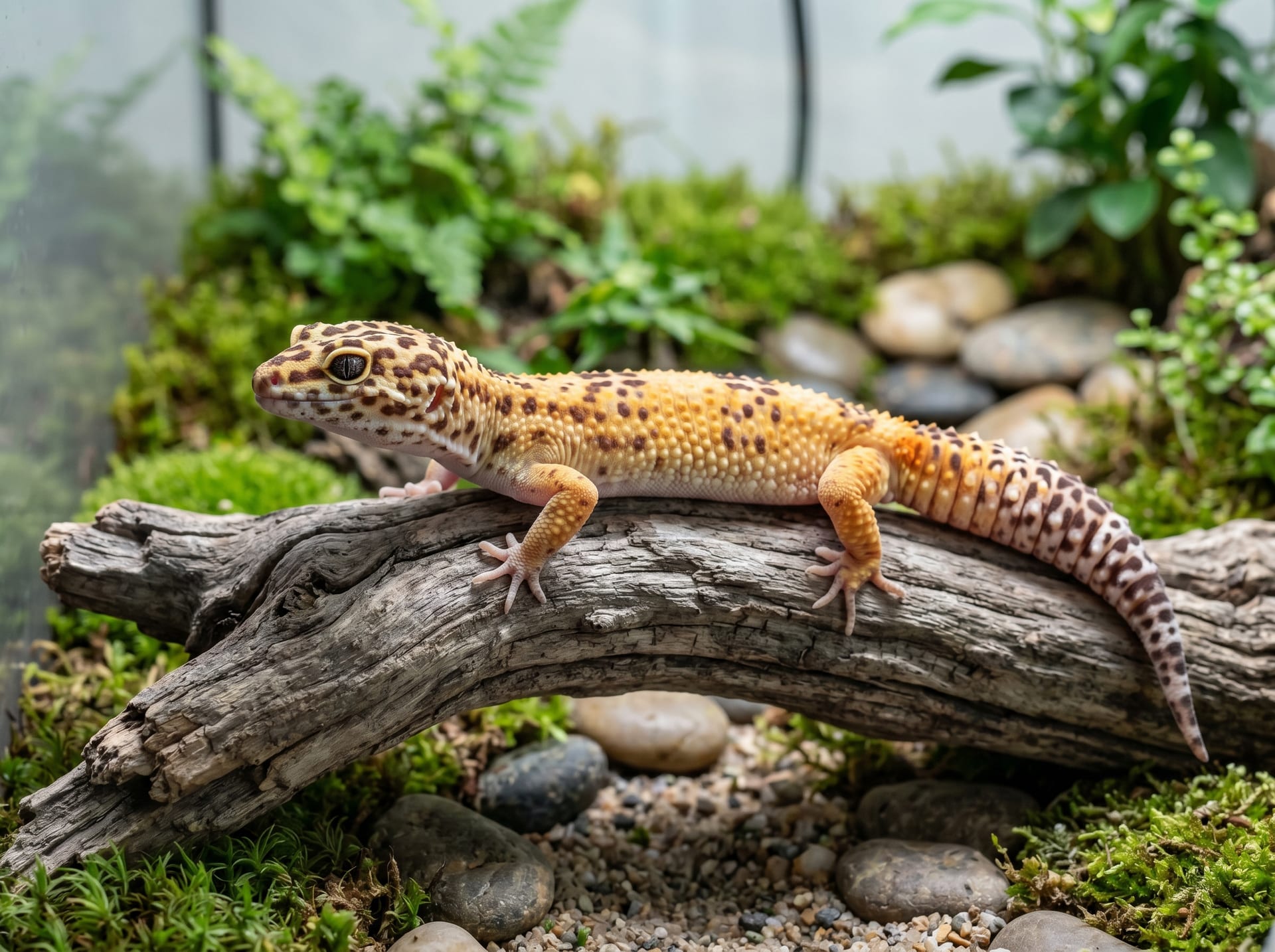
Notes: Requires heating pad for temperature control. Best for those comfortable with live insect food (crickets, etc.)
3. Betta (Tropical Fish)
Effort: Minimal. Feed 1-2 times daily, water change weekly
Cost: Initial cost ~¥5,000–15,000 (animal + small tank + heater), ongoing ~¥500–1,000/month
✍️
BreederDirect Editorial
The BreederDirect editorial team specializes in care information for animals, covering veterinary care and breeding to deliver beginner-friendly guides.
Being left alone: Daytime absence is fine, but gets lonely—spend time together after returning home
Notes: Avoid high-sugar foods (diabetes risk). Communicates through vocalization
Mindset for Keeping Pets While Living Alone
Research pet sitters in advance for trips and vacations
Keep a list of emergency veterinary clinics ready
Budget for air conditioning costs as a necessity (summer and winter)
Choose pet-friendly housing when relocating
Practical Tips for Pet Care While Living Alone
When keeping a pet as a single person, several practical strategies help. An automatic feeder serves as insurance for late nights due to overtime or business trips. Timer-based auto-feeders dispense food at set times, maintaining your pet's feeding schedule. A pet camera lets you check on your pet remotely and catch problems early. Smartphone-connected cameras are available for under ¥10,000. Smart plugs let you remotely control lights and heaters for easier temperature and lighting management. Prepare a list of pet sitter and pet hotel contacts for emergencies. Giving spare keys to trusted neighbors provides extra peace of mind.
Pet Comparison Chart for Solo Living
Item
Killifish
Hamster
Leopard Gecko
Cat
Initial Cost
¥3,000–10,000
¥5,000–15,000
¥15,000–40,000
¥30,000–200,000
Monthly Maintenance
¥500–1,500
¥1,500–3,000
¥2,000–4,000
¥5,000–10,000
Can Stay Alone
3-5 days OK
1-2 days OK
3-5 days OK
1-2 days OK
Noise Level
None
Minimal
None
Yes
Space Needed
Small
Small
Medium
Medium–Large
Interaction Level
Low
Medium
Medium
High
Use this comparison table to choose a pet that fits your lifestyle.
Find a Pet for Solo Living on br-choku
br-choku offers a wide selection of small animals easy to care for while living alone, including hamsters, java sparrows, rabbits, and reptiles. If you ask a breeder, "I live alone and am often away during the day—is this pet suitable?" they can give you accurate advice about personality and care tips.
Conclusion
By practicing the tips explained in this article, you can enjoy a more secure and fulfilling pet care experience. The key is developing a daily habit of observation and record-keeping. Noticing small changes early helps prevent bigger problems. Having reliable information sources is also important. On br-choku, experienced breeders offer direct advice, so even beginners can start with confidence. Don't hesitate to ask breeders questions. They will surely listen compassionately. Let's continue forward, enjoying this time while caring for precious life.