Top 10 Recommended Pets and Plants to Raise Together with Your Child | ブリちょく
General| ✍️ BreederDirect Editorial
Top 10 Recommended Pets and Plants to Raise Together with Your Child
10 recommended pets and plants that you can raise together with your child, which also support emotional development. We've carefully selected them based on safety, ease of care, and learning about the importance of life. We also provide detailed guidance on how to choose pets and plants that children won't get bored with and that parents and children can enjoy together, along with important precautions.
Key Takeaways
10 recommended pets and plants that you can raise together with your child, which also support emotional development. We've carefully selected them based on safety, ease of care, and learning about the importance of life. We also provide detailed guidance on how to choose pets and plants that children won't get bored with and that parents and children can enjoy together, along with important precautions.
For children, caring for pets and plants is a great opportunity to learn the importance of life and develop a sense of responsibility. Here, we introduce 10 recommended pets and plants based on the criteria of "whether children can safely interact with them" and "whether children can care for them themselves."
Selection Criteria
Safety: Low risk of biting or toxicity
Ease of care: Children (around elementary school age) can actively participate
Educational value: Children can learn through observation and interaction with living things
Pet Section
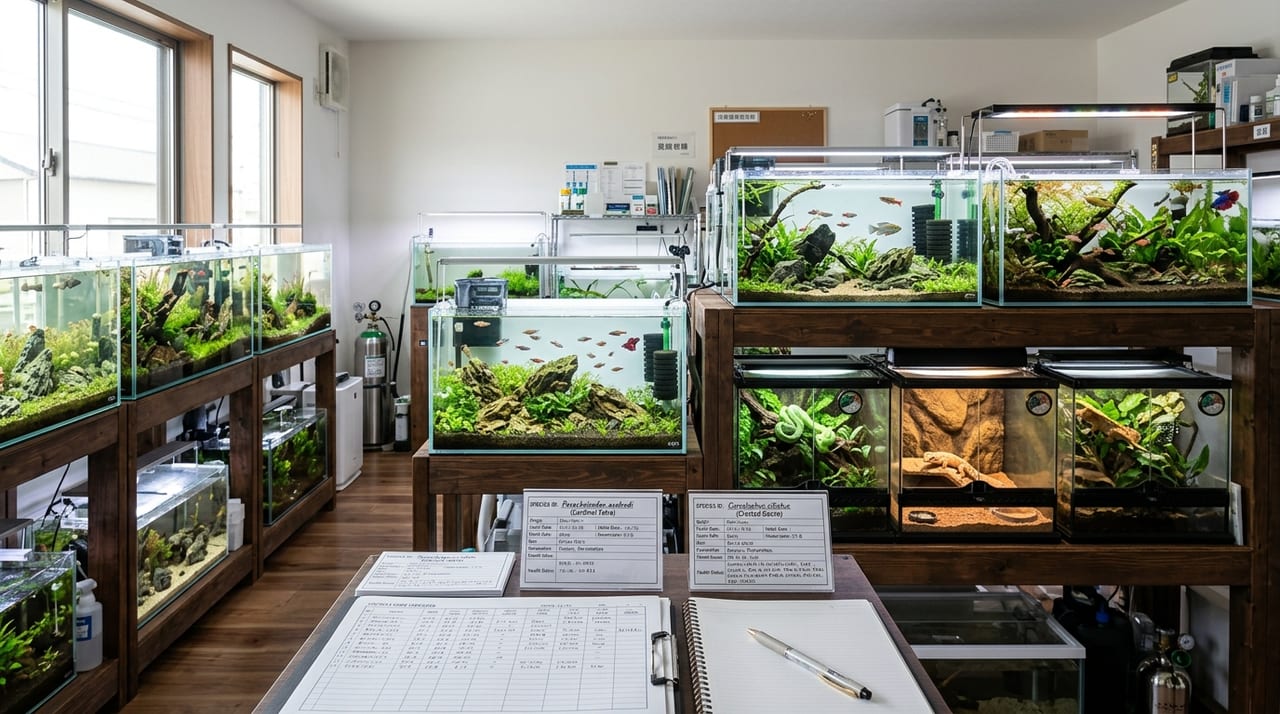
1. Killifish
Target age: From infancy onwards
Safety: Very high. While direct interaction is minimal, observation is enjoyable
Care tips: Daily feeding is easy for children to manage. You can observe the process of fry hatching from eggs and learn about the life cycle
2. Goldfish
Target age: From infancy onwards
Safety: Very high
Care tips: Main care involves feeding and changing water. Goldfish are familiar through goldfish scooping games, but it's also important to teach that they live a long time (over 10 years with proper care)
3. Japanese Beetles and Stag Beetles
Target age: From elementary school age onwards
Safety: High. Be cautious with large stag beetle species as they have strong pinching power
Care tips: Jelly replacement and mat management are easy tasks for children to handle. The metamorphosis from larva to adult connects to science learning
✍️
BreederDirect Editorial
The BreederDirect editorial team specializes in care information for animals, covering veterinary care and breeding to deliver beginner-friendly guides.
Target age: From upper elementary school grades onwards (with parental support)
Safety: Generally high, but may bite if frightened
Care tips: Divide feeding, water changes, and cage cleaning between parent and child. Since they are nocturnal, it's important to teach the rule not to forcibly wake them
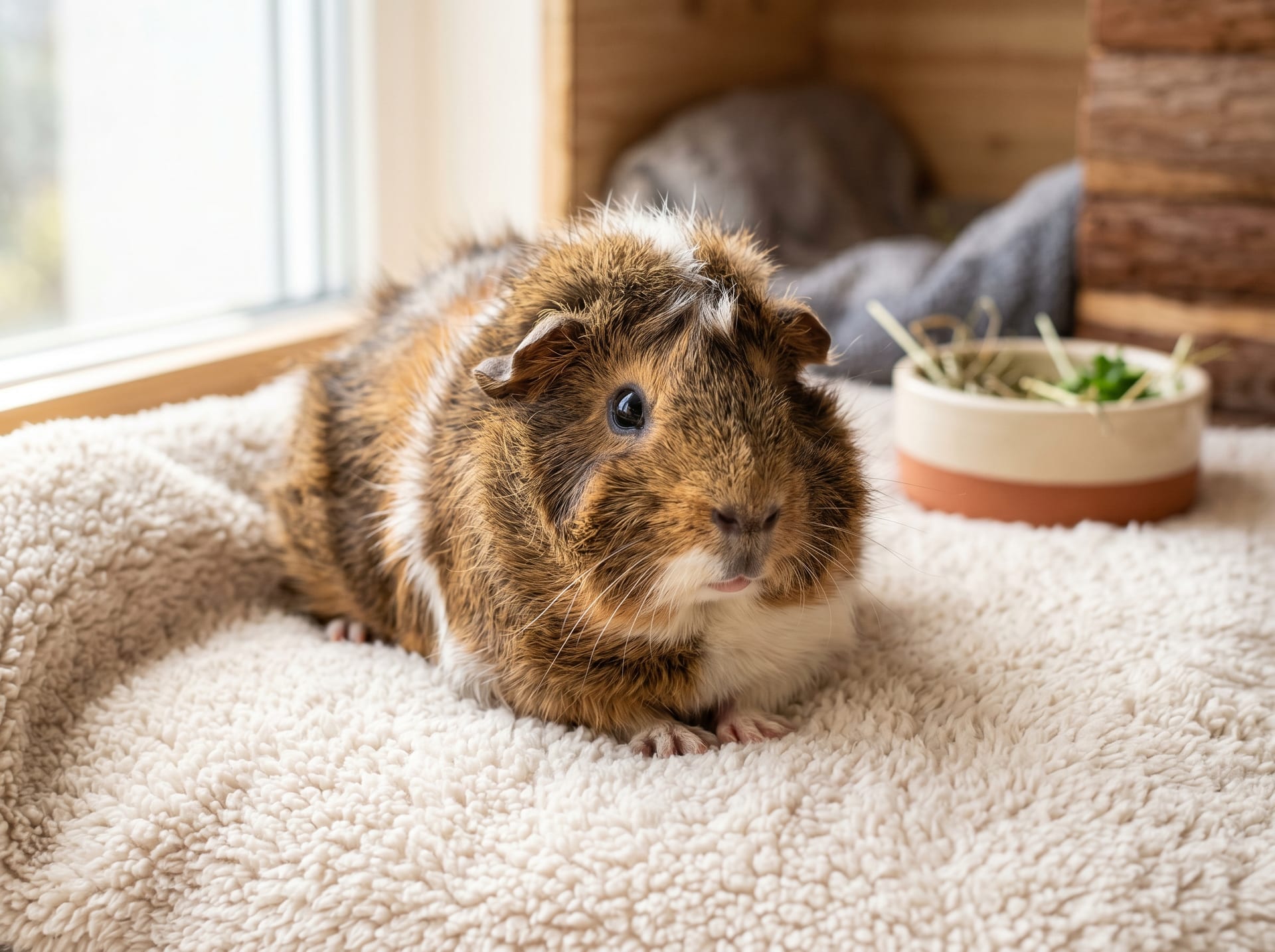
5. Guinea Pig
Target age: From elementary school age onwards
Safety: High. Gentle temperament and rarely bite
Care tips: Easy to hold and fun to interact with. Their "squeaky" sounds are popular with children. You can learn together about the importance of vitamin C supplementation
6. Java Sparrow
Target age: From upper elementary school grades onwards (if hand-raised)
Safety: Requires some caution (may peck in surprise at sudden movements)
Care tips: Fun activities include water bathing and having the bird perch on your hand. When letting the bird out of the cage, teach the rule about remembering to close windows
Plant Section
7. Cherry Tomatoes
Target age: From infancy onwards
Safety: Safe because it's an edible plant (however, caution is needed as leaves and stems contain alkaloids and should not be eaten)
Care tips: The entire process from seeding to harvest can be experienced in a short time, allowing children to enjoy the pleasure of "growing and eating." Watering is an easy daily task for children
8. Morning Glory
Target age: From infancy onwards
Safety: Seeds are toxic, so care must be taken not to put them in the mouth
Care tips: A familiar subject in elementary school science. The entire cycle from seeding to sprouting to flowering to seed collection can be learned in a short period
9. Succulents (Echeveria, etc.)
Target age: From elementary school age onwards
Safety: High. Safe if you avoid spiky varieties
Care tips: Requires infrequent watering, so they're hard to kill even if children forget. It's fun to propagate new plants through leaf propagation
10. Herbs (Basil, Mint)
Target age: From infancy onwards
Safety: Safe as they are edible
Care tips: Fast-growing and can be harvested for cooking. Can be enjoyed with all five senses (aroma, taste, appearance)
Precautions When Raising Pets and Plants with Children
Parents bear ultimate responsibility: It's important not to abandon care even if children lose interest
Check for allergies: Pre-screen for allergies to animal fur or plant pollen
Hygiene management: Establish the habit of always washing hands after touching living things
About the lifespan and death of living things: Experience and learn together about the cycle of life, including its end
How to Safely Interact with Pets as a Child
We introduce rules for children to safely interact with pets. First, repeatedly teach "don't do things the pet dislikes." Actions such as pulling the tail, forcing cuddles, and waking them when sleeping cause stress to the pet and can lead to biting or scratching. The "hand-washing habit" is also important. Always wash hands after touching a pet to prevent animal-borne infections. Set "age-appropriate care responsibilities." For ages 5-6, assign feeding; for ages 8-9, water changes; for ages 10 and above, cage cleaning—by gradually giving them responsibility, children develop a heart for valuing life. However, it's essential that adults ultimately bear management responsibility. Don't leave everything solely to children.
Recommended Pets by Child's Age
Here is a guideline for choosing pets appropriate to your child's age. For ages 3-5, observation-focused pets are suitable. Killifish and goldfish can be observed through the tank with minimal direct contact risk, making them safe. For ages 6-8, pets that require simple care such as feeding are recommended. Japanese beetles and hamsters are good for learning care routines. For ages 9-12, children can take on more responsible care tasks. This is the age where daily care such as dog walking and cat grooming can be delegated. For middle school students and above, they can even tackle more complex care involving environmental management, such as reptiles or aquatic plant aquariums.
Find Pets for Your Family at br-choku
At br-choku, calm-natured small animals suitable for families with children and plants that are easy to raise even for beginners are listed. If you consult with a breeder asking "We have children—is this okay?" they can suggest friendly individuals or safe varieties.
Summary
By practicing the points explained in this article, you can enjoy a more secure and fulfilling life raising pets and plants. The key is to make a habit of daily observation and record-keeping. Noticing small changes early is the key to preventing major problems. Having a reliable source of information is also important. At br-choku, you can receive direct advice from experienced breeders, so even beginners can start with confidence. If you have any questions, don't hesitate to ask a breeder. They will surely listen to your concerns with care. Let's continue to enjoy raising and caring for precious living things.
Frequently Asked Questions (FAQ)
Q. What are recommended ways to gather information for beginners?
A. Start by gaining basic knowledge from reliable books and breeder blogs. Since information on social media can be inconsistent, develop a habit of verifying information from multiple sources. Asking questions directly to br-choku breeders is also a reliable method.
Q. What should I do if I fail?
A. Failure is inevitable in pet keeping and plant cultivation. What's important is analyzing the cause and applying what you've learned next time. If you keep records, it's easier to identify the cause. When in trouble, consult with breeders or experienced people. Not keeping problems to yourself is the secret to long-term success.