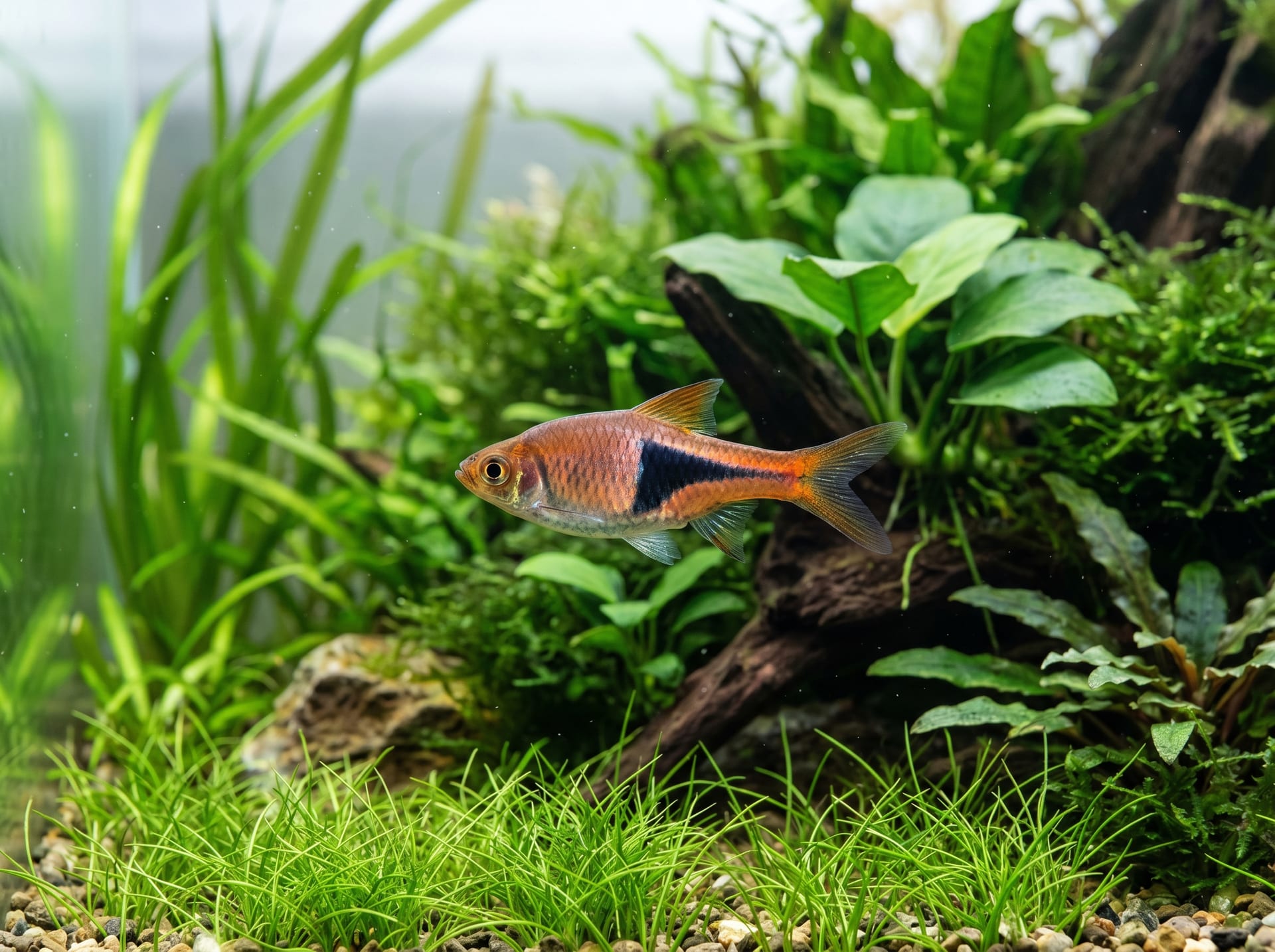
波魚
東南亞原產的小型群泳魚。Rasbora espei和Heteromorpha等品種深受歡迎。與水草缸的搭配效果絕佳。壽命為3〜5年。成體體長2〜5cm。喜食配合飼料、冷凍飼料。
View 波魚 encyclopedia →成交手續費 0%!2026年9月30日前註冊,前 2 筆成交免佣金!
繁殖者 招募中!
在 BreederDirect 上架,直接銷售給全國各地的客戶!
承諾的6項透明度保證
熱帶魚商品中,繁殖者會明確標示下列資訊。確保水質適性、性質、建議水槽尺寸的透明度。
- 產地標示
- 實物照片
- 水質標示
- 含建議水槽
- 性質標示
- 血統標示
查看全部27個品種
已註冊的繁殖者(搶先看)
波魚的基本資料
- 飼養難度
- 適合新手
- 壽命
- 3-5 years
- 體型
- 2-5cm
- 適宜溫度
- 24〜28℃
- 飲食
- Pellets, frozen food
- Tank
- 45cm+ for schooling
- Schooling
- 10+ for beautiful schooling display
- Water Quality
- Soft, slightly acidic water best
- Temperature
- 24-28°C
- Notes
- Small size — avoid keeping with large fish
關於波魚
Rasbora是分佈在泰國、馬來西亞、印度尼西亞等東南亞國家的小型鯉科魚類的總稱,在觀賞魚界已成為傳統的常見品種。其中,身體呈橙色且帶黑色斑塊的Rasbora espei,以及以三角形黑色紋樣為特徵的Heteromorpha在世界範圍內享有根深蒂固的人氣。雖然體長因種類而異,僅2〜5cm,但10尾以上的魚群一起遊動時,會為水族箱帶來靈動感和美感。性格總體溫和,易與同體型溫和的魚類共存,在混養水族箱中既可作為主角,也可作為配角閃閃發光。特別是與水草造景水族箱的搭配效果最佳,體色與水草綠色形成的對比是觀賞的精髓所在。壽命約為3〜5年,通過保持穩定的水質和適當的投餵,可以長期欣賞其美麗的色彩。
迎接波魚前需要了解的7件事
1群養是基本
拉斯博拉是群游魚,因此每種6條以上聚集飼養是最理想的做法。單獨或少量飼養時容易變得膽怯,壓力會導致體色褪淡。為了欣賞成群游動的美景,請準備充足的數量。
2與水草缸的搭配
拉斯博拉與水草缸的搭配效果極佳,在豐富的水草造景中可以展現出豔麗的體色。水草營造的隱蔽場所提升了魚的安全感,引發更自然的行為模式。由於不會傷害水草,這種魚非常適合水草造景缸。
3水質呈弱酸性至中性
大多數拉斯博拉喜歡弱酸性至中性(pH6.0〜7.5)的軟水。若水質接近東南亞河流的條件,體色的發色和繁殖狀態都會得到顯著改善。如果水質不合適,容易引發壓力和疾病,因此定期檢查水質很重要。
4適當的水溫是25~28℃
熱帶魚拉斯博拉需要穩定地維持25~28℃的水溫。水溫低於20℃時,免疫力會下降,容易感染白點病等疾病。一定要準備加溫器和溫度計,全年保持穩定的環境。
5混養的注意事項
溫和的拉斯博拉可以與許多小型魚混養,但能被牠們吞進口中的魚有被捕食的風險。相反,如果與神仙魚等體型大、性格暴躁的魚同居,拉斯博拉會感到壓力。選擇同樣大小且溫和的魚種是基本原則。
6飲食多樣性很重要
拉斯博拉可以以配合飼料(片狀、顆粒)作為主食,但定期投餵冷凍血蟲或豐年蟲等動物性餌料有助於保持健康。每天2次,以3~5分鐘內能吃完的量為目標,食物殘渣應及時清除以避免水質惡化。
7壽命與健康管理
在適當的飼養環境下,拉斯博拉的壽命約為3~5年。白點病和爛尾病需要早期發現、及時治療,平時要養成觀察魚類游動姿態和體表變化的習慣。每週換水1次,換水量約為1/3,保持清潔的水質是健康的基礎。
波魚的常見問題
- Q.拉斯博拉對初學者來說容易飼養嗎?
- A.拉斯博拉體質強健,適應性強,被廣泛推薦作為熱帶魚的入門種類。只要能做好基本的水質管理(pH、水溫的穩定),就能較容易地維持魚群的健康。從最初就成群引入6條或以上,可以降低壓力,魚群更容易保持穩定。
- Q.拉斯博拉需要多久換一次水?
- A.通常建議每週進行一次換水,以更換魚缸總容積的1/4〜1/3為目標。如果因為養殖過密或餵食過量導致水質容易變髒,可以增加換水頻率。換水時,務必檢查水溫並進行除氯處理。
- Q.拉斯博拉埃斯佩伊和拉斯博拉 heteromorpha 有什麼區別?
- A.兩者看起來很相似,但埃斯佩伊個體較小(2〜3公分),體色偏橙色,黑斑形狀呈細長趨勢。而 heteromorpha 個體略大(3〜5公分),黑斑呈圓角三角形,體色呈紅褐色。飼養難度和性格基本相同,兩種都適合群游觀賞,都非常美麗。
- Q.拉斯博拉能繁殖嗎?
- A.繁殖是可能的,但難度相對較高。Heteromorpha等會在寬葉水草(如亞馬遜劍葉草)的背面產卵,軟水、弱酸性的水質據說能促進繁殖。稚魚極其小,需要輪蟲等微小的初期餌料。如果想要進行繁殖,建議準備專用的繁殖缸。
- Q.為什麼拉斯博拉不成群而是分散游動?
- A.如果飼養數量較少(5尾以下),牠們難以形成群體,可能會分散行動。此外,水質惡化、水溫急變、混養魚隻造成的壓力也可能是原因。通常通過增加飼養數量至6尾以上,並保持水質和水溫穩定來改善這種情況。
適合飼養波魚的實用工具
在圖鑑中詳細了解波魚
查看波魚的圖鑑條目 →
收錄飼養難度、壽命、體長、食性等基礎資料。