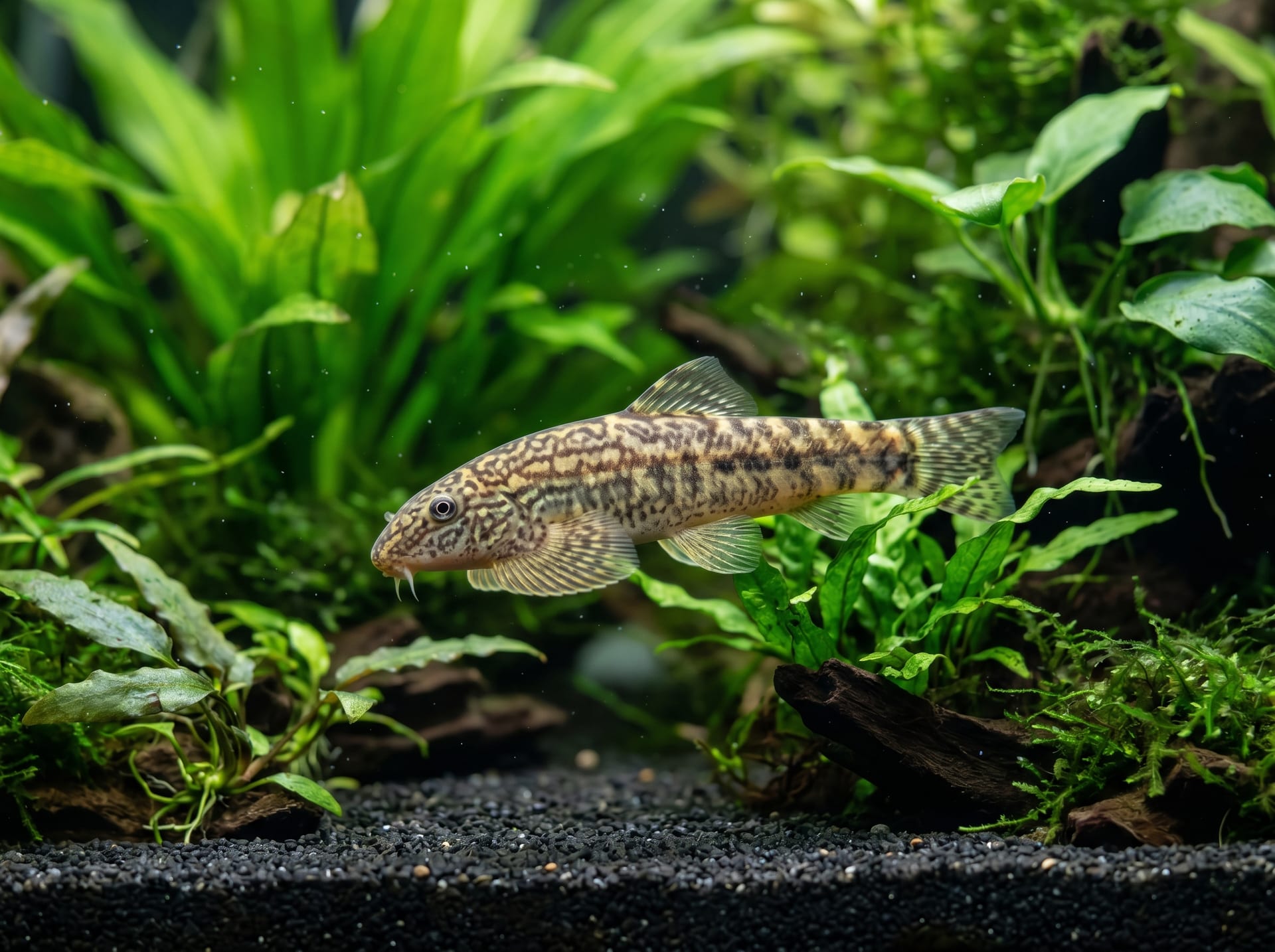
Loaches and loach-like fish bring unique charm to an aquarium with their bottom-dwelling behavior and endearing habit of sifting through substrate. With a wide variety of species such as Clown Loach and Kuhli Loach, they are valued for both their personality and their role in cleaning up leftover food and algae. Many species are peaceful and make excellent tankmates in community setups.
前 3 筆銷售免佣金!於 2026 年 7 月 31 日前註冊成為繁殖者,前 3 筆銷售免收佣金!
繁殖者 招募中!
在 BreederDirect 上架,直接銷售給全國各地的客戶!
熱帶魚商品中,繁殖者會明確標示下列資訊。確保水質適性、性質、建議水槽尺寸的透明度。
想上架熱帶魚嗎?
註冊成為繁殖者,即可與買家直接聯繫。
價格區間
地區
屬性
Loaches are a diverse group of bottom-dwelling fish belonging to the order Cypriniformes, distributed widely across Asia and into parts of Eastern Europe, with over 200 known species. The Japanese Dojo Loach (weatherfish) is a well-known member of this group, and like its relatives, it exhibits a charming habit of burrowing into soft substrate—behavior that translates naturally into the aquarium setting. Appearance varies dramatically across species: the Clown Loach dazzles with bold orange and black stripes, the Kuhli Loach is slender and eel-like, while smaller hillstream loaches sport streamlined bodies adapted to fast-flowing water. Most loaches are peaceful and curious by nature, though many are nocturnal and may spend daytime hours tucked away in shelters. Beyond their visual appeal, they serve a practical role as scavengers, cleaning up algae and uneaten food. Their sinuous, wriggling movement through the lower levels of the tank adds a distinctive rhythm that other fish simply cannot replicate, making loaches a beloved choice for aquarists of all experience levels.
1Use Fine Substrate
Loaches and dojo-type fish love to burrow and sift through substrate with their mouths. Coarse or sharp gravel can injure their delicate barbels and undersides, so opt for fine sand or smooth, rounded gravel. Products like river sand or pool-grade sand work well.
2Provide Hiding Spots
Many loaches are shy by nature and feel secure only when hiding spots such as driftwood, rock caves, or ceramic pipes are available. Without adequate shelter, they may become stressed, lose color, or refuse to eat. Aim to provide at least one hiding place per fish when keeping a group.
3Keep Them in Groups
Many species such as Clown Loach and Kuhli Loach are social and thrive in groups of three to six or more. A solitary individual often hides and rarely emerges, making it hard to enjoy their natural behavior. Purchasing several at once helps them settle in faster and feel secure.
4Keep Water Warm and Stable
Most tropical loaches prefer a stable temperature of 24–28°C and are sensitive to sudden changes. Use a reliable heater and thermostat, and always match the temperature of new water before adding it to the tank. Native Japanese dojo loaches prefer cooler water around 18–25°C, so be cautious during summer heat.
5Susceptible to Ich
Loaches have thin scales and are particularly prone to ich (white spot disease). They are also more sensitive to standard ich medications such as methylene blue, so it is safer to start treatment at half the recommended dose and monitor carefully. Daily observation is key to catching issues early.
6Choose Tankmates Carefully
While many loaches are peaceful, some species like the Clown Loach can grow up to 30 cm and may eat smaller fish or shrimp. Always research the adult size and temperament of each species before choosing tankmates. Shrimp in particular are at risk of predation and require ample hiding spots if kept alongside loaches.
7Secure the Tank Lid
Loaches are known to jump when startled or when water conditions change suddenly. Kuhli loaches and native dojo loaches in particular are agile enough to squeeze through very small gaps. Always use a tight-fitting lid and seal any openings around cords or filter tubes with foam or purpose-made plugs.