成交手續費 0%!2026年9月30日前註冊,前 2 筆成交免佣金!
繁殖者 招募中!
在 BreederDirect 上架,直接銷售給全國各地的客戶!
承諾的6項透明度保證
熱帶魚商品中,繁殖者會明確標示下列資訊。確保水質適性、性質、建議水槽尺寸的透明度。
- 產地標示
- 實物照片
- 水質標示
- 含建議水槽
- 性質標示
- 血統標示
查看全部27個品種
已註冊的繁殖者(搶先看)
七彩神仙魚的基本資料
- 飼養難度
- 適合高級者
- 壽命
- 8-15 years
- 體型
- 15-20cm
- 適宜溫度
- 28〜32℃
- 飲食
- Omnivore (discus hamburger, bloodworms, granules)
- Tank Size
- 60cm+ (group of 5+ recommended)
- Water
- pH 5.5-6.5, GH 1-4. RO water ideal
- Water Changes
- Frequent changes (daily to every 2 days) are key to health
- Notes
- Sensitive to parameter swings. Watch for Aeromonas and darkened coloration
關於七彩神仙魚
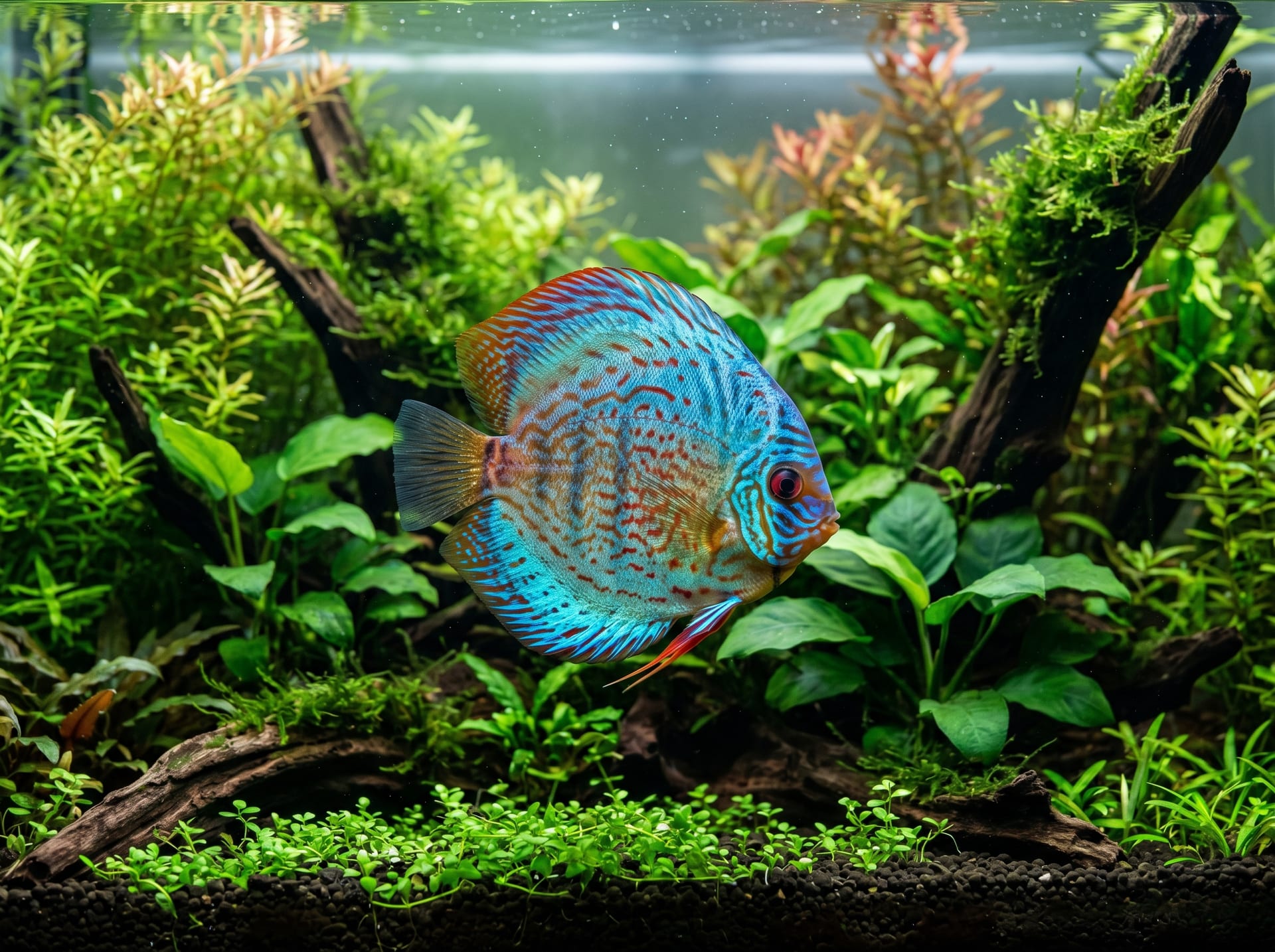
神仙魚是生息於亞馬遜河流域的慈鯛科淡水魚,自1930年代首次傳入歐洲以來,憑藉其壓倒性的美麗一直吸引著水族愛好者。體型從側面看呈近似圓形的扁平圓盤形,成魚體徑可達15~20cm。體色因養殖者的品種改良而不斷發展,已確立起綠松石、皇家藍、紅蛇紋、鴿血等多彩品種。性格相對溫和,熟悉的個體甚至能從飼養者手中吃到飼料,顯示出親人的一面。飼養需要高溫、弱酸性、軟水等特定環境,因此長期以來被認為適合高級愛好者。但近年隨著人工養殖個體的普及和飼育資訊的充實,只要準備好適當的設備,初學者也能輕鬆嘗試。在水槽中悠閒游動的神仙魚群,可謂是放在客廳的活藝術品。
迎接七彩神仙魚前需要了解的7件事
1水溫應保持在28~32℃
與其他熱帶魚不同,神仙魚(Discus)偏好28~32℃的較高水溫。溫度降低會導致免疫力下降,容易患病,因此必須配備精確的加熱器和溫度計。混養魚類也應選擇能適應這一水溫的品種。
2保持弱酸性軟水
pH 6.0~7.0且硬度低的軟水最接近神仙魚(Discus)的原生環境。由於日本自來水硬度因地區而異,建議考慮使用RO水或專用調整劑。如果水質不符合要求,魚的色彩會褪色,體況也會下降。
3換水頻率最關鍵
神仙魚對水質惡化很敏感,理想情況下應每週換水2~3次,每次換全部水量的20~30%。大型水槽能更好地保持水質穩定,因此推薦使用60cm或以上的水槽。換水時,要確保水溫和水質相匹配後再倒入。
460cm以上的寬敞水槽
成魚體長可達15~20cm,若多尾飼養,90~120cm的水槽是理想選擇。空間過小容易產生領地壓力,導致生長不良和體色褪色。選擇高度較大的水槽,可以更好地欣賞其圓盤形的身體。
5少量多次餵食是基本原則
消化系統嬌弱,基本做法是每天分2~3次餵食,每次只餵牠們能吃完的量。紅蟲和神仙魚專用漢堡餌料適口性強,對體色增強也有效果。食物殘渣會污染水質,要養成在5分鐘內清除的習慣。
6導入前的隔離檢疫
引入新魚時,通常需要在單獨的水槽中進行2〜4週的檢疫。在這個階段,檢查是否存在寄生蟲或細菌感染,必要時進行藥浴治療。由於七彩神仙魚一旦發病容易傳染給整個魚群,預防措施尤為重要。
7初期費用較高
個體價格因品種而異,從數千~數萬日元不等。加上水槽、加熱器、過濾器、水質測試儀等設備成本,初期投資往往相當可觀。維護成本也包括飼料、換水用的水和電費。建議在購買前預先計算每月的運營成本,這樣會更放心。
七彩神仙魚的常見問題
- Q.初學者也可以飼養七彩神仙魚嗎?
- A.由於水質和水溫的管理需要費時費力,七彩神仙魚的飼養難度相比一般熱帶魚要高一些。不過,只要事先配備好合適的設備,學好基本的水質管理知識後再開始飼養,初學者也有不少成功的案例。建議先從養殖個體開始嘗試。
- Q.應該從多少隻開始飼養?
- A.神仙魚是群居魚類,建議從最少3尾開始飼養。1~2尾的情況下,因隔離壓力可能導致體色褪色、食慾下降。如果有90cm以上的水槽,飼養5~6尾的群體是理想的。
- Q.壽命有多長?
- A.在適當的環境中飼育時,神仙魚的壽命大約為10~15年。如果水質和營養狀況良好,牠們傾向於長壽,可以成為長期夥伴。反之,水質惡化和營養不足持續的話,壽命可能會大幅縮短。
- Q.多久需要換一次水?
- A.一般來說,每週1~2次、每次換水量約為水槽的20~30%為目標。如果給飼料量多或飼育數量多,需要更頻繁地進行換水。換水時應將溫度、pH、硬度調整至與原水相同後再加入,避免水質劇烈變化是很重要的。
- Q.身體變黑是生病的信號嗎?
- A.雖然不一定是病症,但可能是壓力、水質惡化或消化系統不適的跡象。如果黑化伴有食慾不振或游動異常,請盡早檢查水質,必要時隔離觀察。如果症狀持續,建議諮詢專業水族館。
適合飼養七彩神仙魚的實用工具
在圖鑑中詳細了解七彩神仙魚
查看七彩神仙魚的圖鑑條目 →
收錄飼養難度、壽命、體長、食性等基礎資料。