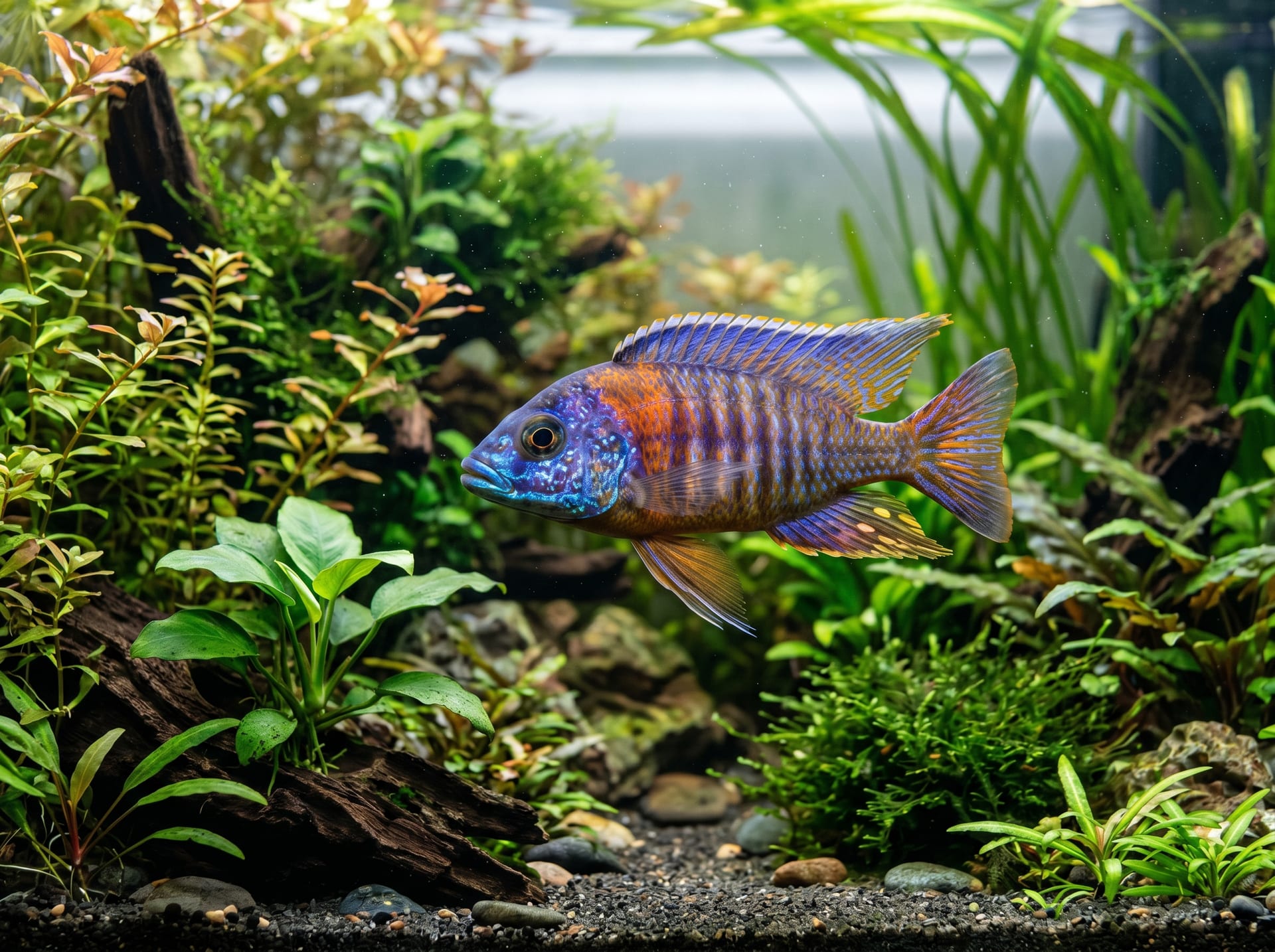
Cichlids are a remarkably diverse group of fish found across Central and South America, Africa, and Asia, with striking variation in color and body shape depending on the species. Known for their strong territorial instincts and expressive behavior, they are a favorite among tropical fish enthusiasts who enjoy observing fish personalities up close. Choosing the right species to match your experience level is part of the fun of keeping cichlids.
前 3 筆銷售免佣金!於 2026 年 7 月 31 日前註冊成為繁殖者,前 3 筆銷售免收佣金!
繁殖者 招募中!
在 BreederDirect 上架,直接銷售給全國各地的客戶!
熱帶魚商品中,繁殖者會明確標示下列資訊。確保水質適性、性質、建議水槽尺寸的透明度。
價格區間
地區
屬性
想上架熱帶魚嗎?
註冊成為繁殖者,即可與買家直接聯繫。
Cichlids belong to the family Cichlidae and encompass over 1,500 described species, primarily found in the Rift Valley lakes of Africa—such as Lake Tanganyika and Lake Malawi—and the river systems of Central and South America. Their evolutionary history spans millions of years, during which isolated lake environments drove remarkable speciation. Appearance varies enormously across species: the electric blue of the Aulonocara, the bold black-and-white stripes of the Convict cichlid, and the jewel-like iridescence of the Parrot cichlid are just a few examples. In temperament, cichlids tend to be assertive and active, offering aquarists a front-row seat to territory disputes, courtship rituals, and parental care behaviors. While care requirements differ by species, most cichlids thrive with consistent water quality, appropriate diet, and adequate space. For hobbyists who want a deeper, more interactive fishkeeping experience, cichlids offer endless fascination.
1Species Selection Matters
Cichlids encompass hundreds of species ranging from small, peaceful Apistogramma to aggressive Flowerhorns exceeding 60 cm. Beginners are better suited to calmer species like angelfish or German blue rams. Always research the maximum size and temperament of your target species before setting up a tank.
2Tank Size: Bigger Is Better
Cichlids establish territories, and cramped tanks lead to frequent aggression and elevated stress. Mid-sized species generally need a 90 cm tank or larger, while large species do best in 120–180 cm setups. Ample space supports the health of your fish and helps maintain a stable community.
3Choosing Tankmates Carefully
Cichlids often show strong aggression toward the same or closely related species, requiring careful planning for community tanks. African cichlids generally do best with other African species, while American cichlids pair better with fish of similar size. During breeding, aggression intensifies, so always provide hiding spots like driftwood and rock formations.
4Water Quality Essentials
African cichlids from the great lakes prefer alkaline water at pH 7.5–9.0, while Amazonian species thrive in slightly acidic conditions around pH 6.0–7.0. Matching water chemistry to the fish's origin is fundamental to keeping them healthy. Aim for weekly partial water changes of 20–30% and regular filter maintenance.
5Territory and Breeding Behavior
Many cichlid species exhibit sophisticated parental care, with pairs guarding eggs and fry — a fascinating behavior to observe. During breeding, territorial behavior intensifies and a pair may dominate the entire tank. If breeding is not intended, keep track of the sex of your fish to avoid pair formation.
6Diet and Feeding Amount
Most cichlids are omnivorous; a quality cichlid pellet as a staple, supplemented with frozen bloodworms or dried shrimp, works well for many species. However, overfeeding animal protein to herbivorous African cichlids increases the risk of bloat, a serious digestive condition. Feed twice daily in amounts the fish can consume within three to five minutes.
7Setup and Running Costs
Proper cichlid keeping requires a large tank, a powerful filter, and a reliable heater, with initial costs ranging from tens of thousands to over one hundred thousand yen depending on species and tank size. Monthly electricity for heating and filtration typically runs around 2,000–5,000 yen. Planning a realistic budget that includes ongoing costs before you start is key to long-term success.