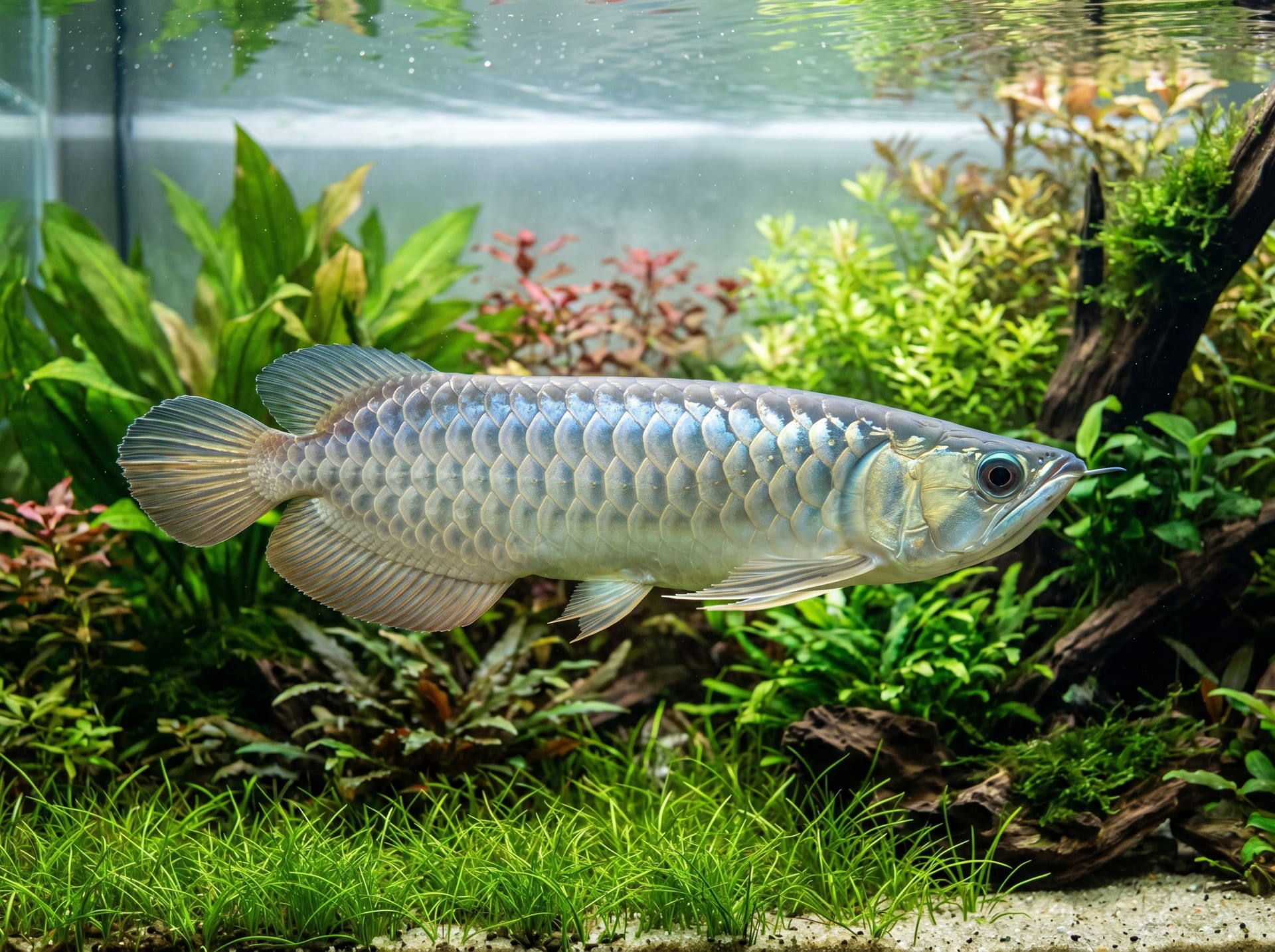
龍魚
古代魚之王。金色或紅色的大型美魚,觀賞價值極高。在水面附近悠閒遊泳的身姿令人歎為觀止。壽命:20~30年。成體尺寸:60~90cm。食物:昆蟲、甲殼類、小魚、配合飼料。
View 龍魚 encyclopedia →成交手續費 0%!2026年9月30日前註冊,前 2 筆成交免佣金!
繁殖者 招募中!
在 BreederDirect 上架,直接銷售給全國各地的客戶!
承諾的6項透明度保證
熱帶魚商品中,繁殖者會明確標示下列資訊。確保水質適性、性質、建議水槽尺寸的透明度。
- 產地標示
- 實物照片
- 水質標示
- 含建議水槽
- 性質標示
- 血統標示
查看全部27個品種
已註冊的繁殖者(搶先看)
龍魚的基本資料
- 飼養難度
- 適合高級者
- 壽命
- 20-30 years
- 體型
- 60-90cm
- 適宜溫度
- 26〜30℃
- 飲食
- Insects, crustaceans, small fish, pellets
- Tank
- 150cm+ large tank essential
- Temperature
- 26-30°C
- Jumping
- Powerful jumper — heavy lid essential
- Diet
- Carnivorous — balanced diet needed
- Notes
- CITES regulated — certificate verification required
關於龍魚
龍魚是一種古代魚,約2億年來姿態幾乎沒有改變,被稱為「活化石」,分布在亞洲、南美和澳大利亞等多個地區。其中,原產於東南亞的亞洲龍魚(Scleropages formosus)擁有金龍、紅龍、青龍等豐富的色彩變化,自古以來就被視為吉祥之魚而倍受珍視。覆蓋其體表的大型有光澤的鱗片散發著盔甲般的氣勢,在水面附近悠閒遊泳的姿態具有其他魚類所沒有的壓倒性力量和美感。雖然個體間有性格差異,但總體上領地意識較強,通常會逐漸適應飼養者。由於其壽命長和獨特的存在感,能夠在水族箱這個有限的空間裡長年享受其雄偉的風采,這成為吸引熱情的水族愛好者的最大魅力。
迎接龍魚前需要了解的7件事
1需要巨大的水族箱
成體會達到60~90公分,因此至少需要寬度180公分以上的大型魚缸。建議從幼魚階段就為其將來的體型預先準備好魚缸。由於魚缸重量會超過200公斤,還需要事前確認地板的承重能力。
2注意跳缸事故
金龍魚跳躍力極強,據報道有許多案例顯示它們會跳出魚缸導致死亡。必須準備一個貼切的蓋子,並確保固定牢固、沒有縫隙。投食和換水時也需要注意,不要長時間敞開。
3單獨飼養為基本
金龍魚領地意識強,可能會攻擊同類或其他魚類,因此基本上建議單獨飼養。如果要混養,需要選擇體型比金龍魚更大或活動迅速的魚類,並確保有充足的空間。由於個體差異,建議謹慎觀察後再嘗試。
4水質管理很重要
金龍魚喜歡弱酸性至中性(pH 6.5~7.5)的軟水。由於體型較大,排泄物較多,需要配備強力過濾器和定期換水。水質急劇變化會導致壓力和疾病,因此換水時需要先調整溫度和水質再進行。
5確認飼養和法規要求
亞洲龍魚(與銀龍魚為不同種類)受《瀕危野生動植物種國際貿易公約》(CITES)管制,未獲適當證書的買賣和進口屬違法行為。購買前必須確認品種和流通管道,並從正規管道獲取。由於管制內容可能發生變化,請培養定期確認最新資訊的習慣。
6多樣化投飼
龍魚屬肉食性,喜食昆蟲、甲殼類、小魚和蚯蚓等活飼。僅投喂活飼可能導致營養失衡,建議逐步培養牠們適應人工飼料。每天投喂1~2次,投飼量以無殘留為準,防止水質惡化。
7按長期成本計算
龍魚不僅購買個體需要成本,大型水槽、強力過濾器、加熱器等設備費用往往也很高。由於壽命長達20~30年,電費、飼料費、消耗品等運營成本還會持續多年產生。建議在開始飼養前進行全面的成本預估。
龍魚的常見問題
- Q.飼養龍魚需要多大的水槽?
- A.從成體大小來看,最少需要寬度180公分以上的水槽。雖然幼魚期可以在較小的水槽中飼養,但由於生長速度較快,建議盡早規劃升級到大型水槽。
- Q.亞洲龍魚可以進口和購買嗎?
- A.亞洲龍魚被列入《華盛頓公約》(CITES)附錄Ⅰ,商業用途的國際貿易原則上被禁止。在日本,僅具有登記證書的個體才能合法交易。購買前,請務必向銷售者確認正式的登記證明。
- Q.龍魚能和其他魚混養嗎?
- A.嘴裡能容納的大小的魚類存在被捕食的風險,因此混養的魚種應選擇體型相近的種類。但個體間的攻擊性差異較大,引入新魚時需要充分觀察其行為,這一點很重要。
- Q.應該餵什麼?
- A.在自然界中,它們是以昆蟲、甲殼類和小魚等為食的肉食魚。在飼養下,理想做法是讓它們適應營養均衡的龍魚專用配合飼料,蟋蟀、黃粉蟲等昆蟲以及冷凍蝦也可以作為輔助食物提供。注意不要僅依賴活食,因為這容易導致偏食。
- Q.龍魚的「眼陷症」能治好嗎?
- A.一旦眼陷症發病,據說很難完全恢復原狀。預防是最佳策略。有效的措施包括:調整投飼位置至魚眼高度、用屏障遮擋水槽四周以防止對外部動作過度敏感等。
適合飼養龍魚的實用工具
在圖鑑中詳細了解龍魚
查看龍魚的圖鑑條目 →
收錄飼養難度、壽命、體長、食性等基礎資料。