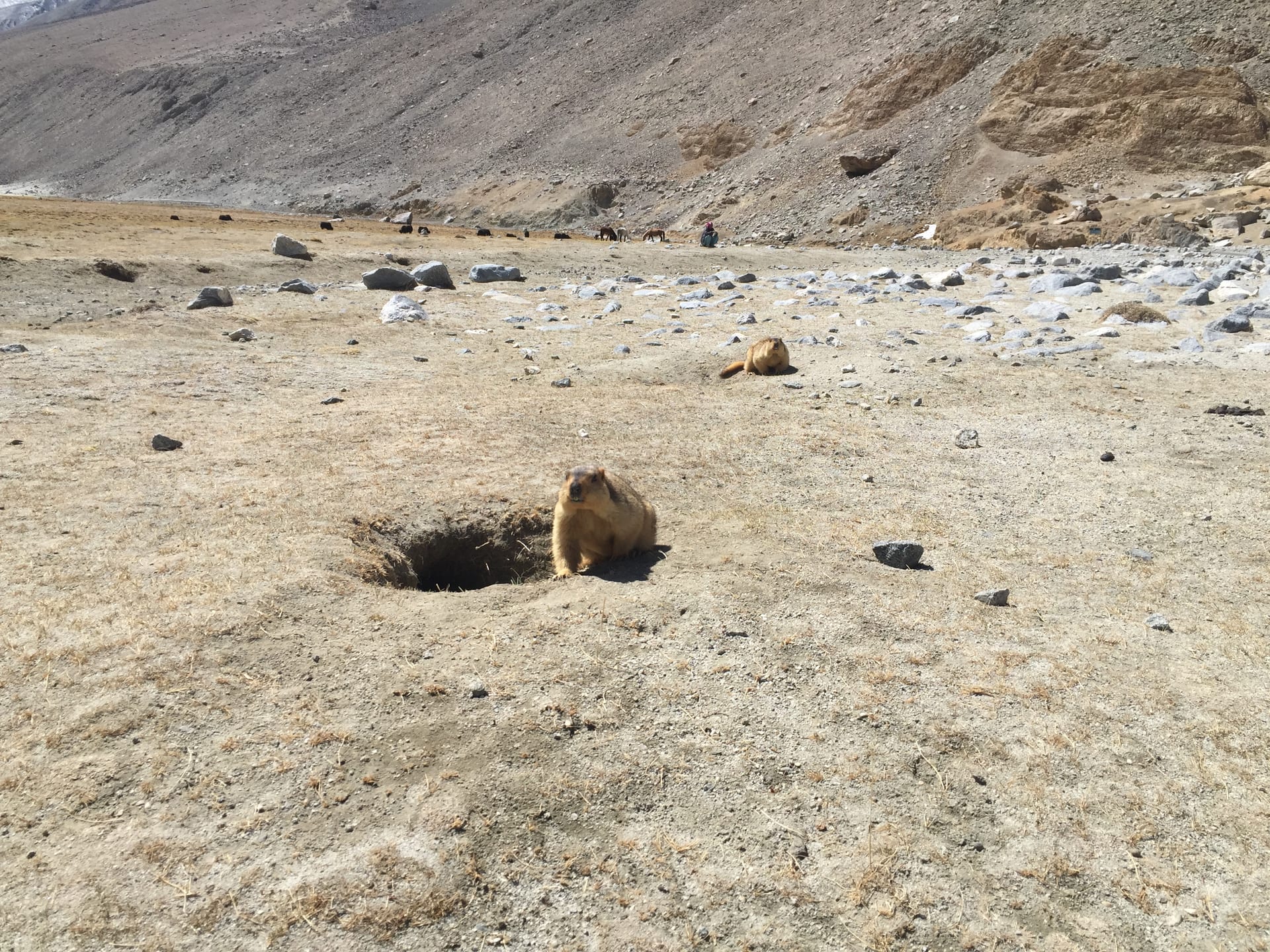
 © Jasmeet23289 / CC BY-SA 4.0
喜馬拉雅旱獺
The Himalayan marmot is a large marmot that lives from the Himalayas to the Tibetan Plateau at elevations of 3,500 to 5,200 m. Its body is about the size of a house cat, with a yellowish-brown coat and dark patches on the face that make it easy to recognize. In the wild it lives in groups in deep burrows and hibernates for an average of seven and a half months. Total length is 47.5–67 cm and weight is 4–9.2 kg, varying greatly with the season. It is rated for experienced keepers only, and captive lifespan data are scarce, so careful research is essential before you decide.
View 喜馬拉雅旱獺 encyclopedia →成交手續費 0%!2026年9月30日前註冊,前 2 筆成交免佣金!
繁殖者 招募中!
在 BreederDirect 上架,直接銷售給全國各地的客戶!
BreederDirect承諾的6項透明度要點
小動物的上架商品中,繁殖者會公開下列資訊。確保健康檢查、疫苗、晶片等的透明度。
- 親人度
- 已健康檢查
- 已接種疫苗
- 晶片
- 真實照片
- 月齡公開
查看全部169個品種
小動物分類正在招募認證繁殖者
繁殖者正在陸續註冊,即將上架。設定上架通知,不錯過新商品。
「接收上架通知」需免費註冊會員即可設定。當有符合您儲存條件的新商品上架時,我們會以郵件和站內通知提醒您。
已註冊的繁殖者(搶先看)
喜馬拉雅旱獺的基本資料
- 飼養難度
- 適合高級者
- 壽命
- 野生狀態下平均壽命15年(飼養下資料較少)
- 體型
- 全長47.5~67公分(尾長12.5~15公分),體重4~9.2公斤(季節變化大)
- 飲食
- 草食。開花植物的葉片、根部、種子等。
- 飼養環境
- 野生環境下會挖掘深達10公尺的巢穴,是大型陸棲動物。由於挖掘力強,需準備堅固寬敞的圍欄與可躲藏的巢箱,以防地板和牆壁被破壞。
- 溫度管理
- 此種生活於海拔3,500~5,200公尺的寒冷高山,關於耐熱飼養的資料甚少。日本夏季需用冷氣降低室溫。野生旱獺於秋季囤積脂肪以進行長期冬眠。至於飼養環境下是否需要冬眠,若需要冬眠則務必事先與診療異寵動物的獸醫師討論溫度與體重管理方案。
- 飲食
- 為草食動物,野生環境下偏好開花植物,避免食用老化及苦味植物。飼養時以乾草及葉菜為主,由於秋季體重增加,需定期測量季節性體重變化。
- 性格
- 為晝行性社交動物,最多可於30隻左右的群落中生活,互相以鼻端觸碰作為問候。作為大型囓齒類,被咬傷可能造成重傷。
- 法律規制
- 印度族群被列入CITES附錄III。由於屬松鼠科,輸入時需提供物種名稱證明書,輸入個體需符合傳染病防治法的進口通報要求。
- 注意事項
- 飼養紀錄稀少,能診療的獸醫師也有限。迎接前務必確保可就近就醫的醫療機構。飼養的個體絕對不可放生至野外。
關於喜馬拉雅旱獺
A large marmot from the Himalayas and Tibetan Plateau, living at 3,500–5,200 m and hibernating for an average of seven and a half months. Key traits and what to know before bringing one home.
迎接喜馬拉雅旱獺前需要了解的7件事
1An Advanced-Level Species
This species is rated for advanced keepers. It is large and changes a great deal with the seasons, so even experienced small-animal keepers should research thoroughly and talk with the breeder first. Settle any open questions before you bring one home.
2Space for a Large Body
Total length is 47.5–67 cm and weight is 4–9.2 kg, which varies greatly by season, giving it a body about the size of a house cat. Plan for generous space where it can stretch out and move around freely rather than a compact cage.
3Digging and Hideouts
In the wild it lives in deep burrows. In captivity, a burrow-like hiding place and some way to satisfy its urge to dig will likely help it settle. Choose flooring and furnishings on the assumption that they may be dug up or gnawed.
4Hibernation and Weight
In the wild this animal hibernates for an average of seven and a half months. Its weight swings widely with the season (4–9.2 kg), so keeping regular notes on weight and behavior makes changes easier to spot. Ask the breeder how the hibernation period is handled before you bring one home.
5Heat and Ventilation
It comes from high country at 3,500–5,200 m. Summer heat and stuffy air in Japan could be a burden, so think about how to keep its space cool and well ventilated. It helps to settle the location and climate control before it arrives.
6Temperament and Social Life
In the wild it lives in groups and is a social animal. Marmots are known for calls that warn their companions of danger. Temperament varies between individuals, so ask the breeder about the character of the animal you are considering.
7Long Life and Health Care
Lifespan averages 15 years in the wild, and captive data are limited. Expect a long commitment, and look for a veterinary clinic that will see it before you bring one home. Also ask the breeder about its diet and health history.
喜馬拉雅旱獺的常見問題
- Q.Can a beginner keep a Himalayan marmot?
- A.It is rated for experienced keepers. Because it is large and changes so much with the seasons, including hibernation, it is more realistic to consider it after gaining experience with other small animals than as a first pet.
- Q.How big does an adult get?
- A.Total length is 47.5–67 cm (tail 12.5–15 cm) and weight is 4–9.2 kg, about the body size of a house cat. Weight changes greatly with the season.
- Q.Does it hibernate, and for how long?
- A.In the wild it hibernates for an average of seven and a half months. How the hibernation period goes may differ by individual and environment, so ask the breeder before you bring one home.
- Q.How long does it live?
- A.The average is 15 years in the wild. Data on captive lifespan are limited, so no firm figure can be given. Plan on a long-term commitment.
- Q.How is it treated under CITES?
- A.India's population is listed in CITES Appendix III. Even when importing from countries other than India, documents such as a certificate of origin are required. Because it is a member of the squirrel family, a species identification certificate must also accompany imports under Japan's Invasive Alien Species Act. No notification is needed to buy, sell or keep animals bred in Japan.
適合飼養喜馬拉雅旱獺的實用工具
在圖鑑中詳細了解喜馬拉雅旱獺
查看喜馬拉雅旱獺的圖鑑條目 →
收錄飼養難度、壽命、體長、食性等基礎資料。