成交手續費 0%!2026年9月30日前註冊,前 2 筆成交免佣金!
繁殖者 招募中!
在 BreederDirect 上架,直接銷售給全國各地的客戶!
BreederDirect承諾的6項透明度要點
小動物的上架商品中,繁殖者會公開下列資訊。確保健康檢查、疫苗、晶片等的透明度。
- 親人度
- 已健康檢查
- 已接種疫苗
- 晶片
- 真實照片
- 月齡公開
查看全部28個品種
小動物分類正在招募認證繁殖者
繁殖者正在陸續註冊,即將上架。設定上架通知,不錯過新商品。
「接收上架通知」需免費註冊會員即可設定。當有符合您儲存條件的新商品上架時,我們會以郵件和站內通知提醒您。
已註冊的繁殖者(搶先看)
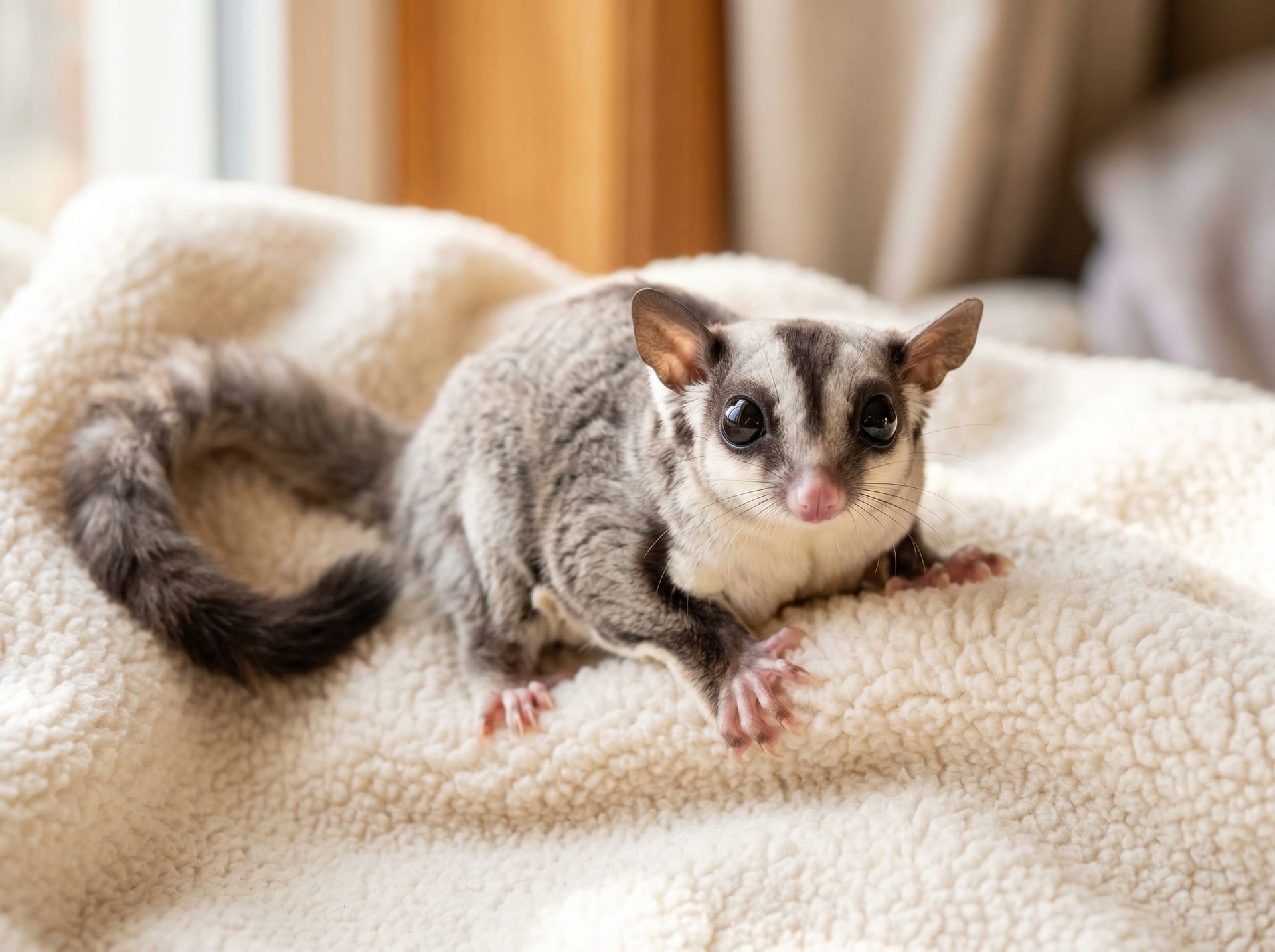
蜜袋鼯的基本資料
- 飼養難度
- 適合中級者
- 壽命
- 12~15年
- 體型
- 16~21公分(含尾部30公分)/ 100~160克
- 飲食
- 專用飼料、水果、昆蟲、花蜜
- 食物
- 專用飼料+水果+昆蟲的均衡食。營養均衡很重要
- 社交性
- 非常社交。單獨飼養會造成壓力,建議配對飼養
- 籠舍
- 高度大的大型籠舍。確保足夠的滑翔空間
- 注意事項
- 夜行性,夜間活躍。叫聲有時會很大。需要定期修剪指甲
關於蜜袋鼯
蜜袋鼯(學名 Petaurus breviceps)是一種生活在澳大利亞東部、印度尼西亞和巴布亞紐幾內亞森林中的有袋動物,通過展開從前肢腕部延伸至後肢踝部的「飛膜」,像翅膀一樣在樹木間滑翔。成體體重約90~150克,嬌小可愛,擁有大眼睛和圓耳朵。背部為灰褐色,飾有黑色條紋,腹部呈奶油白色,這種配色在野生環境中是保護色,能夠融入樹皮。性格好奇心強、喜歡嬉戲,一旦馴化就會把飼養者視為群體一員,甚至會在口袋或胸前安心入睡,形成深厚的羈絆。社交性高,成對或群體飼養比單獨飼養更有利於個體的心理穩定。飼養的妙趣在於體驗滑翔時的躍動感,以及已馴化個體飛跳到身上的感受,是一種能讓你近距離感受其獨特生態的迷人伴侶。
經營蜜袋鼯的精選繁殖者
查看全部蜜袋鼯繁殖者列表(1)→迎接蜜袋鼯前需要了解的7件事
1夜行性的生活節奏
蜜袋鼯是夜行性動物,夜間活動能力強。白天它們在昏暗安靜的地方幾乎一直在睡眠,因此在白天尋求互動會導致強烈的壓力。應該調整作息,在夜間進行護理和互動。
2需要寬敞的籠舍
能夠展現滑行和攀爬行為需要豎向寬敞的籠子。建議最小高度為90cm以上,需要設置棲木、繩子、吊床等立體遊樂設施。在狹小籠子中飼養會導致壓力和運動不足。
3溫度管理很重要
適宜溫度約為24〜27℃,在寒冷環境中體溫調節會失效,存在低體溫症的風險。冬季尤其需要用加熱器穩定溫度。急劇的溫度變化也會影響健康狀況,選擇放置位置時要小心謹慎。
4社會性與孤獨的風險
野生環境中是群居的高度社會性動物,單獨飼養可能導致孤獨壓力和自傷行為。如果可能,建議飼養2頭以上。若飼養1頭,需要每天確保充分的互動時間。
5食物多樣性與注意事項
這些生物是雜食性,食用昆蟲、水果、花粉和樹液。在人工飼養環境下,需要在專用飼料的基礎上,結合新鮮水果和昆蟲,提供營養均衡的食物。由於鈣和磷比例失衡容易引發骨代謝疾病,營養管理需要特別謹慎。要避免只餵食甜食,確保飲食多樣均衡。
6叫聲與交流
袋鼯用多種叫聲來表達情感。通過學習牠們警戒時的「卡卡」聲或撒嬌的聲音等不同叫聲模式,可以更好地了解牠們的狀態。由於牠們可能在夜間發出較大的聲音,在公寓等集合住宅中需要考慮鄰居的感受。
7費用與專科醫生確保
初期費用含籠舍和飼養用品等,大約需要數萬日元,每月還有食物和消耗品等費用。由於能夠診療袋鼯的獸醫有限,事先確認是否有專門治療外來動物的動物醫院很重要。建議定期進行健康檢查。
蜜袋鼯的常見問題
- Q.你一個人住的時候也能飼養蜜袋鼯嗎?
- A.飼養本身是可行的,但由於牠們是社交性動物,需要每天數小時的接觸。如果難以確保充足的時間,可以考慮成對飼養,這有助於減輕壓力。
- Q.會被咬嗎?痛嗎?
- A.未熟悉的個體或受驚時可能會咬人。雖然牙齒很小,但很銳利,有時會導致出血。透過耐心地與牠們建立親密關係,咬人行為會大幅減少。
- Q.壽命有多長?
- A.在適當的飼養環境下,有些個體可以活10〜15年左右。在迎接新寵之前,請充分考慮這是一種需要長期承諾的動物。
- Q.這種動物有氣味嗎?氣味強嗎?
- A.公鼠會透過皮脂腺(頭頂部、胸部和總排泄腔周邊)散發氣味。去勢手術可以顯著減輕這種氣味。定期清潔籠子也是控制異味的有效辦法。
- Q.可以和其他寵物一起飼養嗎?
- A.與狗、貓、雪貂等具有捕食本能的動物同居時,需要注意避免直接接觸。這不僅會造成壓力,還存在事故風險。請安排單獨房間飼養或確保能夠可靠隔離的環境。
適合飼養蜜袋鼯的實用工具
在圖鑑中詳細了解蜜袋鼯
查看蜜袋鼯的圖鑑條目 →
收錄飼養難度、壽命、體長、食性等基礎資料。