成交手續費 0%!2026年9月30日前註冊,前 2 筆成交免佣金!
繁殖者 招募中!
在 BreederDirect 上架,直接銷售給全國各地的客戶!
BreederDirect承諾的6項透明度要點
小動物的上架商品中,繁殖者會公開下列資訊。確保健康檢查、疫苗、晶片等的透明度。
- 親人度
- 已健康檢查
- 已接種疫苗
- 晶片
- 真實照片
- 月齡公開
查看全部28個品種
小動物分類正在招募認證繁殖者
繁殖者正在陸續註冊,即將上架。設定上架通知,不錯過新商品。
「接收上架通知」需免費註冊會員即可設定。當有符合您儲存條件的新商品上架時,我們會以郵件和站內通知提醒您。
已註冊的繁殖者(搶先看)
天竺鼠的基本資料
- 飼養難度
- 適合新手
- 壽命
- 5~7年
- 體型
- 20~30公分 / 700~1200克
- 適宜溫度
- 18~24℃
- 適宜濕度
- 40〜60%
- 飲食
- 提摩西牧草(主食)、顆粒飼料、富含維生素C的蔬菜
- 飼養方式
- 性格社交,建議至少飼養2隻,同性配對會更安心。
- 飲食
- 無限量乾草 + 每天補充維生素C(彩椒、花椰菜等)
- 籠舍
- 地面面積寬敞的籠舍。寬度比高度更重要
- 注意事項
- 要注意維生素C缺乏症。牙齒錯咬也容易發生
關於天竺鼠
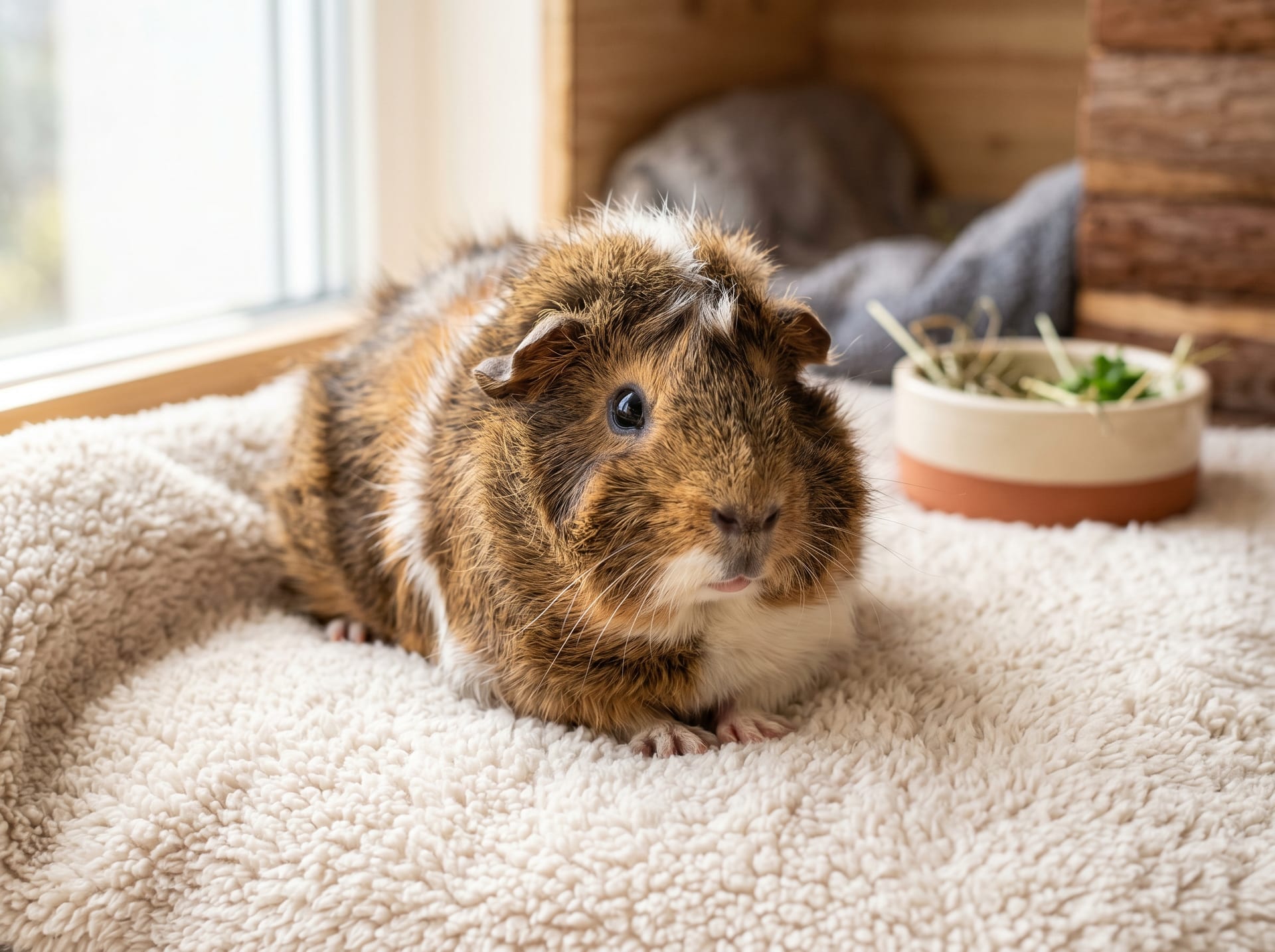
豚鼠的祖先原產於南美洲安地斯地區。自印加文明時代起就被飼養用於食用和宗教儀式。16世紀傳入歐洲,之後傳播到世界各地。如今豚鼠已被改良成多種寵物品種,毛髮長度、顏色、捲度等外觀特徵豐富多樣。體長一般為20-30cm,體重約為700-1,200g,圓潤的身體和可愛的臉部使其格外討人喜歡。性格溫和,警戒心較低,熟悉後會坐在手上、透過鳴聲與主人交流。豚鼠的鳴聲種類豐富,從高興時的咕咕聲到興奮時的尖叫,情感表達十分豐富,這也是牠們的魅力所在。
迎接天竺鼠前需要了解的7件事
1每日補充維生素C
豚鼠無法在體內合成維生素C,缺乏會有患壞血病的風險。應每天餵食少量富含維生素C的蔬菜,如小松菜、彩椒、青椒等。即使顆粒飼料中已添加維生素C,養成從蔬菜中補充的習慣更加放心。
2以牧草為主食
天竺鼠的飲食中心是提摩西草等禾本科牧草。牧草能夠保持消化器官的正常功能,防止牙齒過度生長。應始終提供新鮮牧草,不要斷供,顆粒飼料和蔬菜應作為輔食。
3需要寬敞的籠子
天竺鼠活動量大,在狹小的籠子裡很容易感到壓力。至少需要準備寬度90厘米以上的籠子,確保有充足的活動空間。由於兩層籠子存在從上層摔下來造成傷害的風險,建議使用單層籠子。
4兩隻以上最理想
豚鼠是社交性很強的群居動物,單獨飼養可能會因孤獨感而產生壓力。理想的飼養方式是成對飼養同性,或以小群體飼養。但由於個體之間存在相性差異,初次接觸時應在寬敞的空間中慢慢讓它們熟悉彼此。
5溫度管理敏感
豚鼠對高溫和低溫都很敏感,適宜溫度約為20〜26℃。需要注意夏季中暑和冬季低體溫,應透過冷氣或暖氣保持室內溫度穩定。避免將飼養籠放在陽光直射或冷風直吹的地方。
6定期梳毛
短毛品種需要每週梳毛1〜2次,長毛品種(如泰迪豚鼠、秘魯豚鼠等)則需要每天梳毛。毛髮打結和污垢若長期不管理,可能導致皮膚問題。此外,指甲會不斷生長,大約每1〜2個月需要修剪一次。
7從鳴叫聲了解情感
天竺鼠透過「吱吱」「咕咕」「嗯嗯」等多種鳴叫聲進行溝通。連續的高音通常表示興奮或需求,而低沉的叫聲往往是警戒的信號。透過學會識別這些鳴叫的模式,你就能更早地察覺到牠們的健康狀況和情緒變化。
天竺鼠的常見問題
- Q.可以只養一隻天竺鼠嗎?
- A.可以單獨飼養,但天竺鼠是群居動物,單獨飼養時容易感到孤獨壓力。因此,飼主需要經常與牠們互動,如果條件允許,建議飼養兩隻或以上。
- Q.壽命有多長?
- A.天竺鼠的壽命一般認為約為5~7年,在小型動物中屬於相對長壽。透過堅持適當的飲食管理和定期的健康檢查,你可以延長牠們的健康壽命。
- Q.異味和鳴叫聲是否令人困擾?
- A.只要定期清理,就不太容易產生強烈的氣味,但籠舍衛生管理很重要。叫聲沒有狗貓那麼大,但高興時或飢餓時會發出尖細的叫聲。即使在集合住宅中也相對容易飼養。
- Q.如何補充維生素C?
- A.基本做法是每天少量餵食富含維生素C的蔬菜,如小松菜、甜椒和花椰菜。豚鼠專用顆粒飼料中也含有維生素C,但開封後會氧化並減少,因此建議與蔬菜一起使用。
- Q.是否所有的動物醫院都能看病?
- A.豚鼠屬於異寵,不是所有動物醫院都能診治。在將豚鼠迎接回家之前,最好提前確認附近是否有明確標明「異寵對應」的動物醫院,這樣會比較放心。
適合飼養天竺鼠的實用工具
Learn more about 天竺鼠 in the encyclopedia
查看天竺鼠的圖鑑條目 →
收錄飼養難度、壽命、體長、食性等基礎資料。