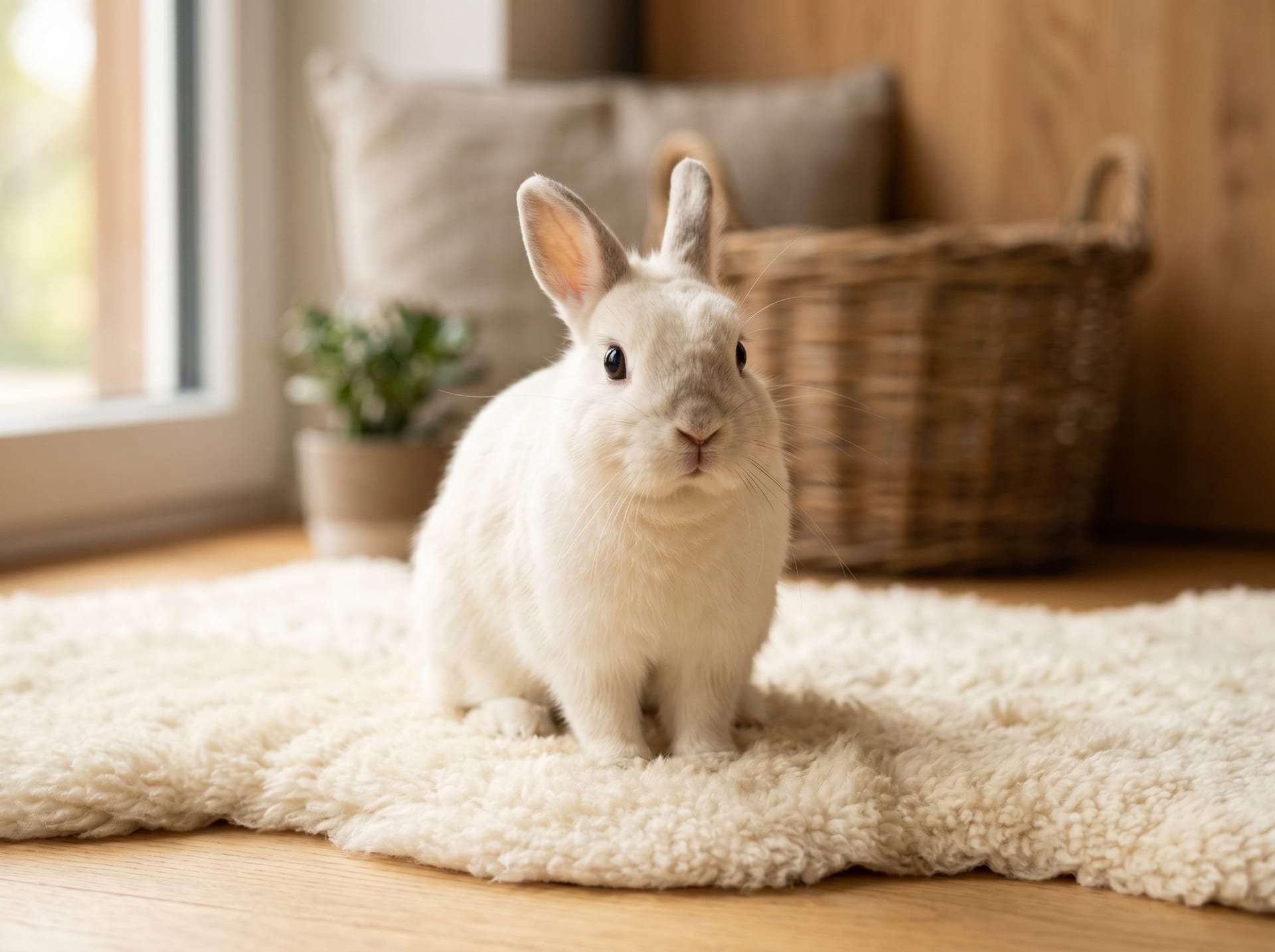
Rabbits are gentle, curious animals that adapt well to quiet living spaces, and buying directly from a breeder lets you confirm health and temperament from the start. Many rabbits prefer companionship over being held, and a deep bond develops gradually through patient, consistent interaction. Breeds vary widely in size, coat type, and personality, so choosing one that fits your lifestyle is the key to a long, happy relationship.
Verified 繁殖者s wanted for Rabbit | Notify me on launch | BreederDirect
關於兔子
The domestic rabbit descends from the European wild rabbit and was first domesticated by ancient Romans for food and fur. Rabbits arrived in Japan during the Edo period and became popular pets from the Meiji era onward. Today a wide variety of breeds exist — from the tiny Netherland Dwarf and lop-eared Holland Lop to larger breeds exceeding 6 kg — with coat types ranging from short and smooth to long and flowing. Temperament varies considerably between breeds and individuals: some are lively and playful while others are calm and content to sit quietly beside their owner. Their near-silent nature and relatively compact housing needs make them a popular choice for apartment dwellers. With an average lifespan of 7 to 10 years, rabbits offer the reward of a long-lasting bond built through consistent, gentle daily care.
迎接兔子前需要了解的6件事
1Cage Size and Safety
Rabbits need several hours of exercise daily, so choose the largest cage you can accommodate. Use flooring materials like slatted mats or hay mats to reduce pressure on their feet and help prevent sore hocks. Because rabbits chew on almost everything, keep electrical cords and toxic plants well out of reach outside the cage.
2Hay-Centered Diet
The cornerstone of a rabbit's diet is grass hay such as timothy, which should be available 24/7 to keep their digestive system healthy. Pellets should be given in measured portions suited to the rabbit's weight once or twice a day; overfeeding leads to obesity and gut problems. Vegetables and fruit are fine as occasional treats, but starchy or sugary foods should be kept to a minimum.
3Grooming and Coat Care
Rabbits groom themselves, but during shedding seasons in spring and autumn they swallow more fur, raising the risk of hairballs (GI stasis). Brushing two to three times a week removes loose fur, and a constant supply of hay helps keep their digestive tract moving. Lop-eared and long-haired breeds such as Angoras need extra attention to ear canals and coat tangles.
4Regular Health Checks
Rabbits tend to hide signs of illness, so building a daily habit of checking their appetite, droppings, and behavior is essential for early detection. Their teeth grow continuously, making regular veterinary checks for dental malocclusion important. Before bringing a rabbit home, locate a local clinic experienced with exotic animals, as not all vets treat rabbits.
5Socialization and Bonding
Rabbits are naturally solitary but can form strong bonds with their owners and will approach you on their own terms once trust is established. Forcing them to be held causes stress and risks bone injuries, so begin interactions at floor level and let the rabbit set the pace. Learning their body language—such as thumping and teeth grinding—makes it much easier to understand how they are feeling.
6Costs to Expect
The purchase price of a rabbit varies by breed and lineage, but budget roughly 10,000 to 30,000 yen for initial supplies such as a cage, water bottle, pellet dish, and litter tray. Monthly hay and pellet costs run around 3,000 to 5,000 yen, and when you factor in nail trims and routine vet visits the annual total can reach around 100,000 yen. Pet insurance is worth considering to cover unexpected illness or surgery costs.
兔子的常見問題
Q.Can I keep a rabbit if I live alone?
A.Rabbits can absolutely be kept by people living alone, but daily feeding, fresh water, and litter cleaning are essential. It is important to arrange a trusted caretaker for trips or extended absences. Setting aside time to interact with your rabbit after returning home helps build a lasting bond.
A.Rabbits tend to use the same spot for elimination, making litter training relatively straightforward. Placing a litter box where your rabbit naturally chooses to go will speed up the process. That said, some individual variation exists, and marking behavior can often be reduced through spaying or neutering.
Q.Is it normal for a rabbit to dislike being held?
A.Rabbits are prey animals that instinctively feel safest with all four feet on the ground, so many dislike being lifted. Forcing a rabbit to be held can risk injury from struggling or falling. Instead, sit on the floor at their level and let the rabbit approach you — this builds trust far more effectively.
Q.What is the average lifespan of a rabbit?
A.With proper care and diet, rabbits typically live around 7 to 10 years. Lifespan varies by breed and individual, with larger breeds tending toward the shorter end of the range. Regular veterinary checkups and early detection of health issues are key factors in helping a rabbit live a long, healthy life.
Q.Can rabbits be kept together, and do they get along?
A.Rabbits have strong territorial instincts and can fight seriously if they are not compatible. Males in particular tend to be aggressive toward one another. It is recommended to pair spayed or neutered rabbits and to introduce them gradually, starting in separate spaces before attempting to house them together.