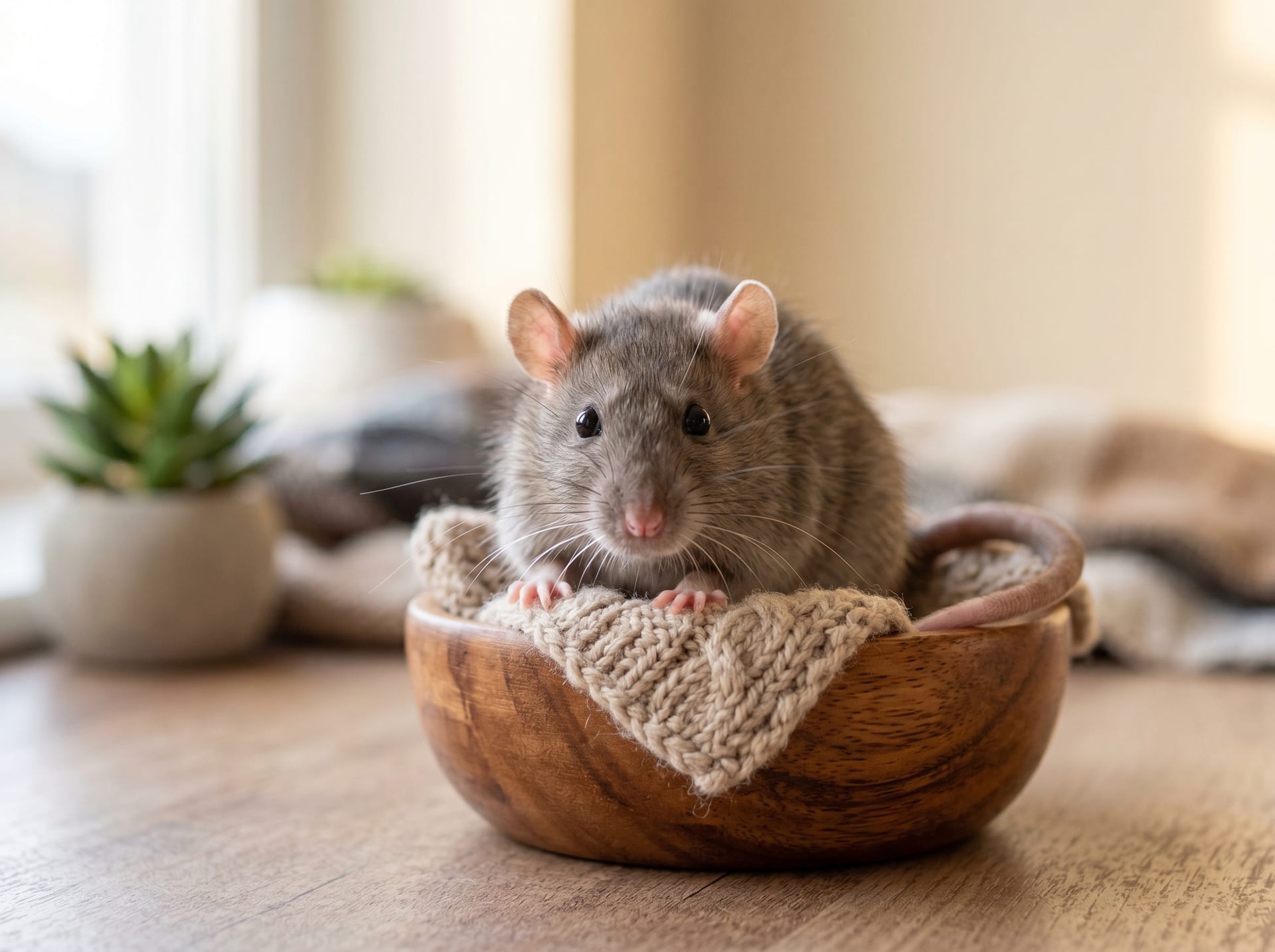
小鼠/大鼠
小鼠和大鼠是聰慧且易於親近人類的小型動物。牠們可以在緊湊的籠舍中飼養,透過適當的照料能夠建立數年的親密關係。憑藉活潑好奇的性格,僅僅觀察牠們就足以帶來樂趣。
成交手續費 0%!2026年9月30日前註冊,前 2 筆成交免佣金!
繁殖者 招募中!
在 BreederDirect 上架,直接銷售給全國各地的客戶!
BreederDirect承諾的6項透明度要點
小動物的上架商品中,繁殖者會公開下列資訊。確保健康檢查、疫苗、晶片等的透明度。
- 親人度
- 已健康檢查
- 已接種疫苗
- 晶片
- 真實照片
- 月齡公開
查看全部28個品種
小動物分類正在招募認證繁殖者
繁殖者正在陸續註冊,即將上架。設定上架通知,不錯過新商品。
「接收上架通知」需免費註冊會員即可設定。當有符合您儲存條件的新商品上架時,我們會以郵件和站內通知提醒您。
已註冊的繁殖者(搶先看)
關於小鼠/大鼠
小鼠和大鼠均屬於齧齒目鼠科,與人類有著數千年的共存歷史。如今作為寵物流行的花色小鼠和花色大鼠,於19世紀歐洲因毛色和毛質的改良而逐步確立了伴侶動物的地位。在外觀上,小鼠以圓潤嬌小的體型、碩大的耳朵和修長的尾巴為特徵,而大鼠體格更大,鼻吻部略尖,前爪靈活。性格上兩者都好奇心旺盛、聰慧過人,其中大鼠尤其容易與人建立深厚的情感紐帶,能對名字做出反應,還能學會簡單的技巧。飼養的樂趣在於透過日常互動,見證膽怯的個體逐漸變得願意停留在手上的過程,以及觀察其豐富的表情和行為。小鼠和大鼠所需空間小,飼養成本相對低廉,因此也廣泛受到首次養寵的人選擇。
迎接小鼠/大鼠前需要了解的7件事
1壽命2〜3年
小鼠的平均壽命約為1.5〜2年,大鼠約為2〜3年。與犬貓相比,牠們的壽命較短,因此在迎接牠們之前需要有所準備。正因為時光短暫,更應該珍惜每天的陪伴。
2多隻飼養是基本
小鼠和大鼠是高度社會性動物,與同類一起飼養可以減輕壓力。特別是大鼠害怕孤獨,單獨飼養1隻可能會造成精神負擔。建議以同性配對或小群體方式飼養。
3籠子的大小和通風
由於牠們活躍好動,需要準備儘可能寬敞的籠子並確保充分的通風。大鼠比小鼠體型更大,因此特別需要縱橫方向的空間。由於牠們有啃咬的習性,金屬籠比塑料籠更耐用。
4注意夜間活動的習性
小鼠和大鼠是夜行性的,在夜間活躍地活動。如果擔心跑輪等器具的噪音,最好選擇靜音類型的器具。由於牠們白天大多在休息,需要避免強行喚醒牠們。
5每天進行健康檢查
小動物有隱瞞身體變化跡象的本能,當您注意到症狀時,病情可能已經惡化。應養成每天觀察眼部分泌物、毛色、食欲和排泄狀況的習慣。提前找好能診治小動物的獸醫也很重要。
6以顆粒飼料為主食
主食應選擇專業顆粒飼料,其營養均衡效果最佳。蔬菜和水果可作為偶爾的零食少量供給,但應避免高糖分或刺激性強的食材。奶酪和高脂肪食物過量供給也容易導致肥胖。
7透過接觸馴養
大鼠特別容易透過接觸馴養,每天溫柔地互動會讓牠們不再害怕人類。小鼠動作敏捷且容易逃脫,秘訣是要耐心並在低處進行接觸。越早從幼體開始接觸互動,牠們就越容易適應人類。
小鼠/大鼠的常見問題
- Q.小鼠和大鼠,哪一種更適合初學者飼養?
- A.如果重視互動和觸碰,大鼠個體通常更容易變得溫順親近,多數人認為大鼠更容易上手。小鼠動作迅速,單個保定較困難,不過群養觀察很有意思,比較適合希望安靜飼養的愛好者。兩種動物只要照顧得當,初學者也完全能夠飼養。
- Q.在一個人住的公寓裡也能飼養小鼠和大鼠嗎?
- A.可以的。只要有足夠的空間放置籠舍,就可以飼養。但如果是租賃物業,務必提前向管理公司或房東確認是否允許飼養寵物。噪音相對較少,但若對籠舍傾倒聲或夜間跑輪聲感到敏感,可以選擇靜音型用品。
- Q.每月的飼養費用大概是多少?
- A.飼料、墊料、零食等消耗品的月均花費約1,000〜3,000日圓。初期用品如籠舍、跑輪、飲水瓶等需花費約5,000〜15,000日圓。如需就醫,建議提前查找能診治小動物的動物醫院,這樣會更放心。
- Q.聽說大鼠有很強的氣味,這是真的嗎?
- A.大鼠本身是比較清潔的動物,會像貓一樣自己梳理毛髮。氣味主要來自籠內的排泄物和墊料變質。定期清潔就能保持在可接受範圍內。相比之下,公小鼠的體臭往往比大鼠更強,如果特別在意氣味,可以選擇母鼠或做過絕育的公鼠。
- Q.小鼠和大鼠是夜行性的嗎?生活作息能適應嗎?
- A.兩者都呈現出夜行性或晨昏性(在清晨和傍晚較為活躍)的傾向。如果您對夜間籠內的活動聲音敏感,最好避免在臥室放置。相反,對於夜間才回家的人來說,這個活躍時段恰好能與互動時間自然吻合,是一個優點。