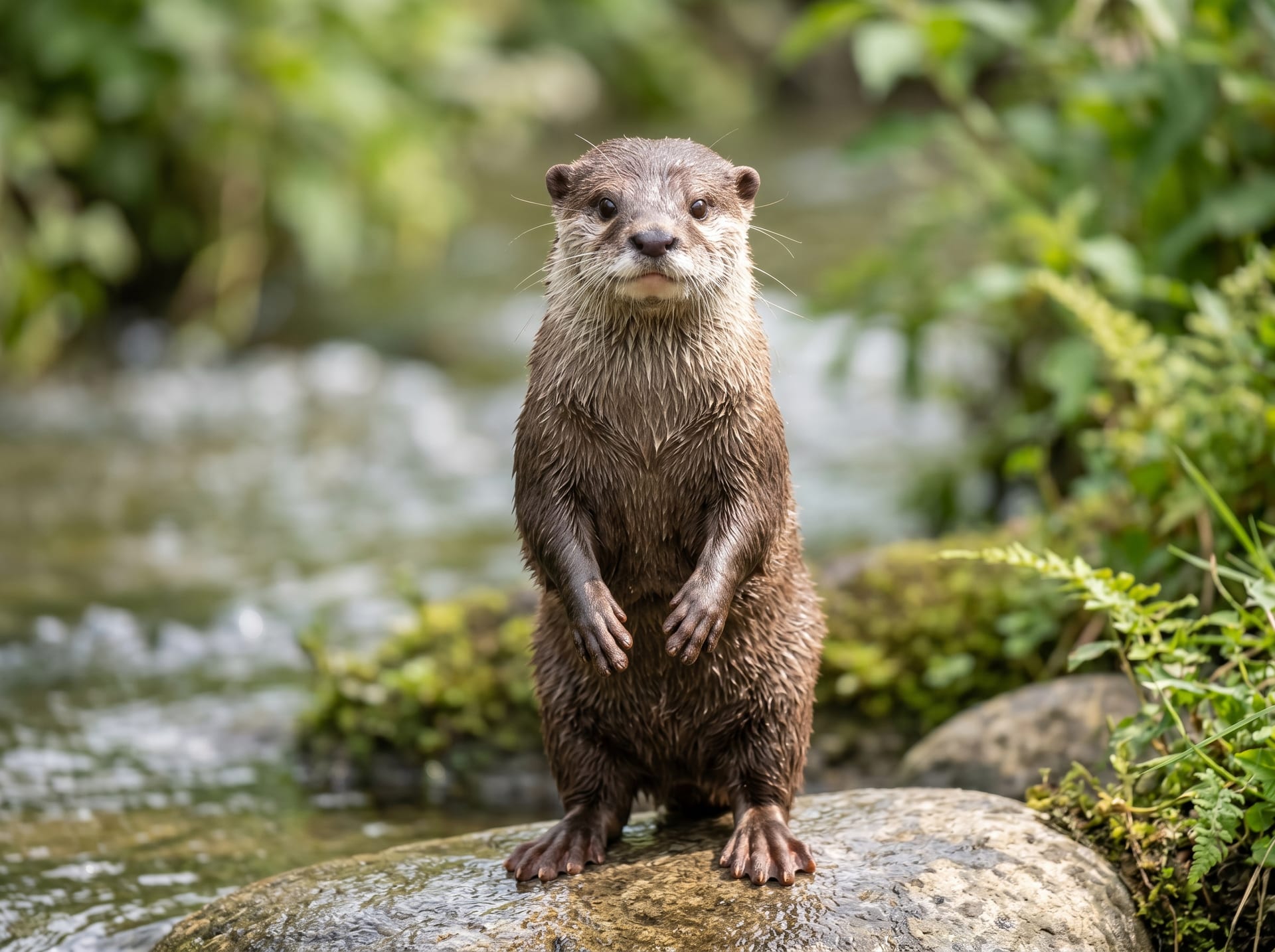
Otters are popular exotic pets known for their round eyes and playful personalities, and they can bond closely with their owners when raised with care. As semi-aquatic animals, they require daily access to water for swimming, which is essential for their physical and mental well-being. Keeping an otter demands ample space and specialized knowledge, so thorough preparation is key before bringing one home.
前 3 筆銷售免佣金!於 2026 年 7 月 31 日前註冊成為繁殖者,前 3 筆銷售免收佣金!
繁殖者 招募中!
在 BreederDirect 上架,直接銷售給全國各地的客戶!
小動物的上架商品中,繁殖者會公開下列資訊。確保健康檢查、疫苗、晶片等的透明度。
繁殖者正在陸續註冊,即將上架。設定上架通知,不錯過新商品。
「接收上架通知」需免費註冊會員即可設定。當有符合您儲存條件的新商品上架時,我們會以郵件和站內通知提醒您。
想上架小動物嗎?
註冊成為繁殖者,即可與買家直接聯繫。
價格區間
地區
屬性
Otters are semi-aquatic mammals of the family Mustelidae, with 13 species found in rivers and coastal habitats around the world. The Asian small-clawed otter, the species most commonly kept as a pet in Japan, has a compact body measuring roughly 40 to 65 centimeters, dense water-repellent fur, a rounded face, and small nimble forepaws that give it an undeniably charming appearance. These animals are highly curious and playful, and their intelligence means a well-socialized otter can learn to respond to its name or even perform simple tricks. That said, they also have a strong territorial instinct, and marking behavior or biting can emerge without proper handling. The greatest joy of keeping an otter lies in watching its agile underwater movements and spontaneous antics during play. Because they demand significant time, specialized diet management, and consistent odor control, prospective owners should prepare a thorough, lifelong care plan before welcoming one into their home.
1A Large Water Area Is Essential
Otters are instinctively driven to move in water and need a sufficiently large area to swim in daily. Small tanks or basins cause lack of exercise and stress. Use a dedicated pool or bathroom and make sure they have time to play in water every day.
2Be Aware of Noise and Odor
Otters are expressive animals and may vocalize loudly when excited or demanding attention. They also produce a strong scent from their anal glands, requiring regular grooming and good ventilation. In apartments or shared housing, consider the impact on neighbors when setting up their living space.
3Diet Centers on Fresh Fish
Otters primarily eat fresh fish and crustaceans, and a varied diet is needed to maintain proper nutrition. Feeding only commercial cat food often leads to nutritional deficiencies. Factor in the cost of fresh ingredients and frozen storage when budgeting for their care.
4Initial and Ongoing Costs Are High
The purchase price of an otter often reaches several hundred thousand yen, and initial setup costs for a water area, heating, and filtration can also be substantial. Monthly running costs including food, veterinary care, and supplies add up, so long-term financial planning is essential.
5Exotic Vets Are Hard to Find
Otters are classified as exotic animals, and veterinarians experienced in treating them are relatively rare. It is important to locate a compatible clinic before bringing an otter home. Since regular checkups are necessary, also consider how easily you can access the clinic.
6Watch Out for Escapes and Mischief
Otters are extremely curious and dexterous, capable of opening cage latches or slipping through small gaps. They may also chew on furniture and electrical cords, so safety-proofing the room is necessary before allowing them to roam freely. Secure locks and removal of hazards are a must.
7Check Legal Regulations in Advance
In Japan, the species of otters that can legally be kept as pets may be restricted under the Act on Conservation of Endangered Species and CITES import/export regulations. Always verify that the species and individual you plan to purchase can be legally owned before buying. Purchasing illegally sourced animals carries legal risk, so obtaining from a reputable breeder is essential.